Tips & Advice
Why Every Traveler's Footprint Matters More in Tanzania Than You Realize
Encounters Africa - 12 min read
Updated on 20 July 2026
Every decision a traveller makes on safari in Tanzania ripples far beyond their own experience. A single plastic bottle left behind can linger for decades in Tanzania's fragile ecosystems. This piece explores how informed travellers can align their journeys with active conservation projects, from supporting ranger training programmes to respecting off-limit zones in national parks.
With over 40 national parks, reserves and conservation areas covering more than 30 percent of the country's land, Tanzania stands as one of Africa's most vital wildlife strongholds. Yet these same landscapes face mounting pressures from climate shifts, population growth and habitat fragmentation. The good news is that travellers who understand these realities can become genuine partners in protection rather than passive observers.
The choices we make as visitors, from the operators we select to the small habits we maintain in camp, directly influence whether Tanzania's wild spaces endure for future generations.
The Scale of Tanzania's Conservation Challenge
Tanzania protects an astonishing 166,500 square kilometres of terrestrial habitat through its national park system alone. This vast network supports the annual migration of nearly two million wildebeest and zebra across the Serengeti, one of the planet's last great natural spectacles. Yet these same areas face increasing threats from agricultural expansion, illegal logging and the impacts of climate variability that have reduced water sources by measurable percentages in recent dry seasons.
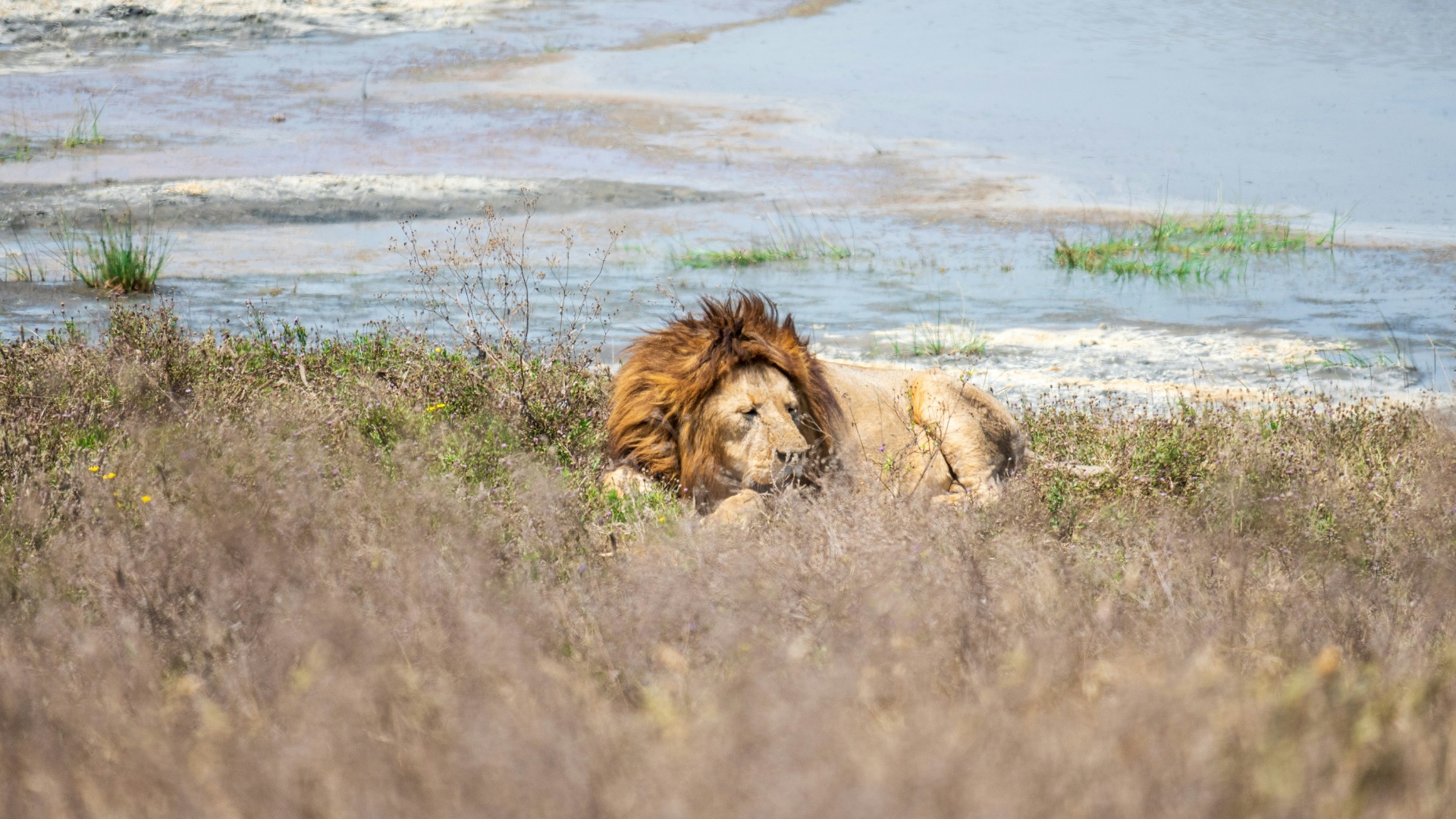
Community lands surrounding protected areas often bear the heaviest burden. Farmers living adjacent to Serengeti National Park lose crops to elephants and face livestock predation from lions, creating understandable tensions that conservationists must address through innovative incentive programmes. Understanding this human-wildlife dynamic helps travellers appreciate why their support matters at multiple levels.
Recent studies indicate that wildlife populations in certain Tanzanian reserves have stabilised or increased when local communities receive tangible benefits from tourism revenue. The Selous Game Reserve, now known as Nyerere National Park, has seen ranger numbers grow through dedicated funding streams, demonstrating how visitor contributions translate into measurable protection outcomes.
Conservation in Tanzania succeeds not through fences alone, but through the careful weaving of economic opportunity with ecological necessity.
Choosing Operators Who Invest in Protection
The most impactful decision travellers make occurs long before they reach African soil. Selecting safari operators who channel significant portions of their revenue into conservation initiatives creates immediate positive effects. Many leading camps contribute between 10 and 15 percent of bed-night revenue directly to anti-poaching efforts, community development projects and habitat restoration programmes.
Look for operators that transparently report their conservation contributions. Several distinguished properties in the northern circuit allocate funds specifically toward training community game scouts who monitor wildlife movements across village lands. These scouts have helped reduce human-elephant conflict in areas bordering Tarangire National Park through early warning systems and alternative crop protection methods.
When planning your journey with Encounters Africa, our specialists can connect you with partners who demonstrate verifiable commitment to Tanzanian conservation. We work exclusively with operators who maintain long-term relationships with local organisations, ensuring that your safari supports sustainable practices rather than short-term gains.
Consider properties that employ predominantly local staff and source supplies within Tanzania. This approach keeps economic benefits circulating within communities while reducing the carbon footprint associated with imported goods. Several lodges now partner with women's cooperatives to provide fresh produce, creating income streams that reduce pressure on natural resources.

Practical Conservation Tips and Advice for Tanzania While on Safari
Once in the field, seemingly small choices accumulate into significant impact. The dust that billows behind vehicles in the dry season can damage vegetation for months afterward. Responsible operators limit the number of vehicles at wildlife sightings to no more than five or six, allowing animals to behave naturally while minimising stress and environmental disturbance.
Water conservation takes on new meaning in a country where many wildlife populations depend on seasonal waterholes. Simple actions like shorter showers and reusing towels in camp directly reduce the strain on local water systems. Many properties have installed solar water heaters and greywater recycling systems, innovations that travellers can support by choosing operators committed to these technologies.
Plastic pollution remains one of Tanzania's most visible conservation challenges. A 2022 survey found microplastics in soil samples collected from remote areas of the Ngorongoro Conservation Area, hundreds of kilometres from major population centres. Travellers can help by bringing reusable water bottles, refusing single-use plastics and supporting camps that have eliminated plastic bottled water in favour of filtered alternatives.
What feels like a minor convenience at home becomes a lasting burden when transported to environments where waste management infrastructure remains limited.
Respecting Designated Zones and Wildlife Viewing Guidelines
National parks in Tanzania maintain strict off-road driving regulations for excellent reasons. The delicate soils of the short-grass plains in Serengeti can take years to recover from vehicle tracks that compress the earth and prevent grass regrowth. By staying on designated tracks, visitors help preserve the grazing conditions that sustain the great migration.
Wildlife viewing ethics extend beyond simply following rules. Maintaining appropriate distances from animals prevents unnecessary stress that can affect feeding patterns and breeding success. Professional guides understand these behavioural cues and will position vehicles accordingly, often explaining the science behind their decisions to enhance your understanding.
Photography considerations also play a role in responsible viewing. Bright camera flashes can startle nocturnal animals, while constant shutter noise may disrupt natural behaviours. Many experienced guides recommend specific camera settings and techniques that capture memorable images while minimising disturbance to the subjects.
Supporting Anti-Poaching and Monitoring Efforts
Modern conservation in Tanzania increasingly relies on technology and community engagement. Several projects now use camera traps and GPS collaring to monitor key species including lions, leopards and African wild dogs. Travellers can contribute by participating in citizen science initiatives where appropriate or simply by learning about these programmes during their stay.
Some camps offer optional visits to local conservation headquarters where visitors can meet the rangers and researchers working on the front lines. These encounters often prove more memorable than traditional game drives, providing direct insight into the challenges and successes of protecting Tanzania's biodiversity. A portion of the fees from these visits typically funds equipment or training.
The Tanzania Wildlife Research Institute coordinates numerous long-term studies across the country. Understanding their work helps travellers appreciate the scientific foundation behind many conservation decisions, from corridor protection to population management strategies.
How Your Spending Directly Funds Conservation Projects
Tourism revenue provides the financial backbone for much of Tanzania's conservation work. In 2023, national park entrance fees alone generated over $80 million, with significant portions reinvested into habitat management, infrastructure and community programmes. When travellers choose to visit lesser-known areas, they help distribute these economic benefits more evenly across the conservation estate.
Community conservancies surrounding national parks offer particularly direct connections between visitor spending and conservation outcomes. The Ujamaa Community Resource Team has helped establish several wildlife management areas where local villages maintain ownership of their land while benefiting from photographic tourism. These models have proven remarkably effective at reducing poaching while improving household incomes.
Many lodges now participate in direct payment schemes where guests can contribute to specific projects. These might include purchasing GPS units for anti-poaching patrols, funding school scholarships for children in communities bordering protected areas, or supporting veterinary programmes that treat injured wildlife. Such targeted giving allows travellers to see the concrete results of their support.
Consider bringing specific items requested by conservation teams if your itinerary allows. Many projects maintain wish lists ranging from binoculars and camera equipment to basic medical supplies for field stations. Your specialist at Encounters Africa can provide current information about genuine needs when arranging your journey.

Understanding Cultural Connections to Conservation
Tanzania's conservation story cannot be separated from its rich cultural heritage. The Maasai communities of the northern regions have maintained traditional livestock practices that often complement rather than compete with wildlife conservation. Learning about these cultural connections deepens appreciation for the holistic approach many projects now embrace.
Several operators facilitate respectful visits to traditional villages where travellers can learn about indigenous knowledge systems that have protected landscapes for generations. These experiences should always be arranged through established community tourism initiatives that ensure fair compensation and cultural sensitivity.
The Hadza people of the Lake Eyasi region represent one of the last hunter-gatherer societies in Africa. Their intimate knowledge of local ecosystems offers valuable insights for modern conservation strategies. Supporting projects that help preserve their way of life while protecting surrounding habitats creates positive outcomes across multiple dimensions.
The most effective conservation in Tanzania recognises that protecting wildlife requires simultaneously supporting the people who have lived alongside these animals for centuries.
Seasonal Considerations for Responsible Travel
The timing of your visit to Tanzania significantly influences your environmental footprint. The long rains from March to May transform the landscape but can make certain roads impassable, leading to increased off-road driving in some areas. The dry season from June to October concentrates wildlife around water sources but also increases pressure on these limited resources.
Shoulder seasons often provide the best balance between wildlife viewing and reduced environmental impact. February and November typically see fewer visitors while still offering excellent game viewing opportunities in many regions. These periods allow for more intimate experiences with wildlife while distributing tourism pressure more evenly throughout the year.
Weather patterns also affect how animals behave and where they can be found. Understanding these seasonal rhythms helps guides minimise disturbance while maximising your chances of meaningful encounters. Professional operators adjust their approaches based on current conditions rather than following rigid schedules.
Conservation Tips and Advice for Tanzania: Questions Travellers Commonly Ask
What is the single most important thing I can do to support conservation while visiting Tanzania?
Choose your operator carefully. The most significant impact comes from supporting companies that demonstrate transparent, long-term commitment to conservation and community development. Reputable operators publish annual reports detailing exactly how tourism revenue translates into protection outcomes.
Should I avoid visiting certain areas to reduce my impact?
Rather than avoiding areas entirely, focus on visiting during less crowded periods and choosing operators who practice low-impact tourism. Well-managed tourism in high-value areas actually provides the economic justification for their continued protection.
How can I ensure my visit benefits local communities rather than just international operators?
Look for properties that employ local staff in management positions, source supplies locally and participate in community development projects. Many leading camps now have Tanzanian ownership or strong partnerships with community organisations.
Is it appropriate to make additional donations while on safari?
Many travellers find it meaningful to contribute to specific projects they learn about during their stay. The most effective approach involves supporting established organisations with transparent accounting rather than making spontaneous gifts to individuals.
Looking Ahead: The Future of Tanzanian Conservation
The coming decades will test Tanzania's conservation model as never before. Climate projections suggest increasing temperatures and more variable rainfall patterns that will reshape wildlife movements and habitat suitability across the region. Innovative approaches that combine traditional knowledge with modern science offer the best hope for adaptation.
Carbon credit programmes and biodiversity offset initiatives are gaining momentum, potentially providing new funding streams for protection efforts. Several northern circuit operators already participate in verified carbon reduction programmes that travellers can support through their choice of accommodation and activities.
Technology continues to revolutionise how conservation is practised in Tanzania. From drone monitoring of remote areas to mobile applications that enable real-time reporting of illegal activities, these tools amplify the effectiveness of dedicated rangers and researchers working across vast landscapes.
Yet technology alone cannot solve the fundamental challenge of ensuring that conservation delivers tangible benefits to the people living alongside wildlife. The most promising initiatives integrate economic development, education and cultural preservation with traditional protection measures.
Your Role in Tanzania's Conservation Story
The footprint each traveller leaves in Tanzania extends far beyond their physical presence. Through thoughtful choices before, during and after their journey, visitors can help ensure that this extraordinary country continues to shelter some of Africa's most important wildlife populations and the communities who depend upon them.
Conservation in Tanzania represents one of the world's most ambitious experiments in balancing human needs with ecological imperatives. The results so far suggest that when travellers engage thoughtfully with these challenges, the outcomes benefit everyone, from the smallest antelope to the largest elephant and the people who call this land home.
For discerning travellers seeking a private safari beyond our set itineraries, we invite you to contact us directly. We specialise in designing exceptional, tailor-made journeys for individuals, couples, families, and private groups of up to eight guests. Drawing on our handpicked network of distinguished camps and lodges, we curate every detail with precision and care, creating a seamless, deeply personal safari experience shaped entirely around your preferences, pace, and budget.
Whether your interests lie in supporting specific conservation projects, learning about community initiatives or simply experiencing Tanzania's wildlife with minimal environmental impact, our team can craft an itinerary that aligns with your values. The enquiry form provides the perfect starting point for beginning this conversation.
By choosing to travel with purpose through Tanzania, you join a growing community of responsible travellers who understand that their presence can strengthen rather than strain these precious ecosystems. The future of Tanzania's wild places depends not on any single organisation or government policy, but on the cumulative effect of thousands of individual decisions made by people who care enough to learn, to choose wisely and to act responsibly.
Read our related article on responsible safari photography to discover how capturing images ethically complements broader conservation goals. For those interested in community-based conservation models, explore our guide to Nyerere National Park and the surrounding wildlife management areas where local stewardship makes a measurable difference.
More like this

Tips & Advice
Why First-Time Visitors Often Misjudge the Pace of Life Inside African Safari Camps
Tips & Advice
Why Kenya Demands More Than a Camera and Good Intentions
Tips & Advice
Why Tanzania Rewards Careful Preparation Over Spontaneity

Tips & Advice
Why Your First South African Journey Might Surprise You in the Best Ways
Tips & Advice
Why Your First Tanzanian Wildlife Encounter Demands These Specific Preparations
Tips & Advice