tips and advice
What Shoulder Season Really Delivers on an African Safari
Encounters Africa - 7 min read
Updated on 27 August 2026
Shoulder season on an African safari offers discerning travellers a different rhythm. Lower rates coincide with dramatic skies, the return of migrant birds and vegetation that, while thicker, concentrates game around shrinking water sources. Encounters Africa, part of the Secret Namibia group and the specialist arm for safaris beyond Namibia, draws on three decades of combined experience to book directly with camps and lodges across South Africa, Botswana, Kenya, Tanzania, Rwanda, Uganda, Zambia and Zimbabwe. We shape tailor-made journeys for individuals, couples, families and private groups of up to eight, reshaping any of 81 published itineraries.
The emerald months deliver value without sacrificing substance. From November to April in Southern Africa and March to May plus November in East Africa, rates can drop by thirty to forty percent at many distinguished properties. This pricing reflects fewer international visitors rather than diminished quality. Instead, it rewards those willing to embrace the nuances of a living landscape shaped by rain.
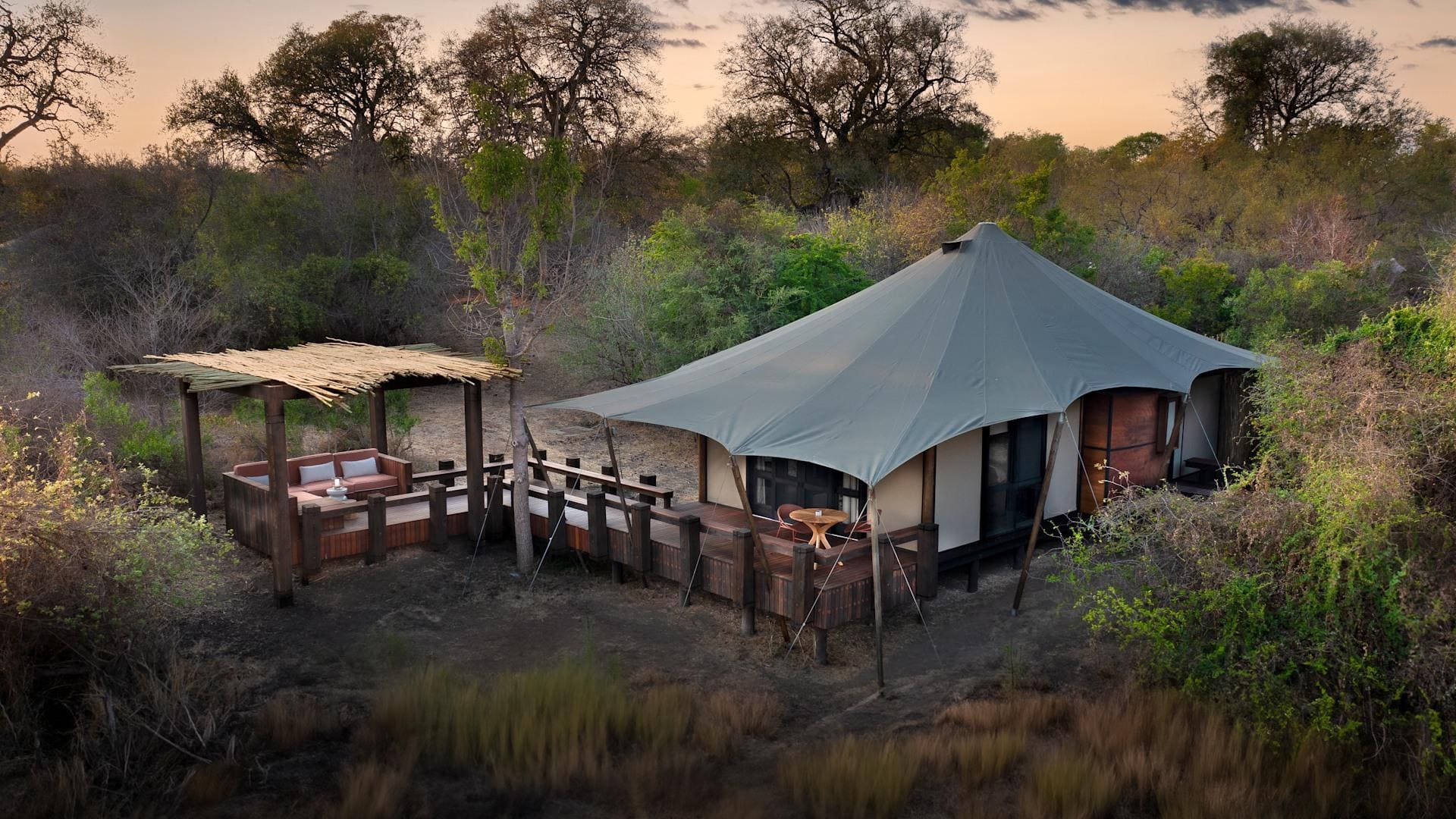
The shoulder season invites a more contemplative encounter with Africa, where sudden downpours refresh the earth and every sighting feels earned rather than expected.
The Allure of Lower Rates and Quieter Camps
Peak-season tariffs often reflect high demand more than superior conditions. In shoulder periods, the same luxurious tented suites and expert guides become significantly more accessible. Camps that host twenty vehicles at a waterhole in July might see only three or four during the rains, restoring a sense of wilderness.
Direct bookings with handpicked lodges allow Encounters Africa to secure favourable shoulder rates while maintaining the highest standards. Private vehicles remain available, and the pace of each day can be adjusted when afternoon thunderstorms arrive. The financial savings can be redirected toward additional nights, specialist guides or experiences such as a sleep-out under vast skies.
Many properties use the quieter months for thoughtful upgrades. New walking trails are cut, photographic hides are refined and staff receive advanced training. Travellers benefit from this investment in quality during periods when the bush feels replenished and alive.
Lower rates in the shoulder season do not mean compromise; they reflect a landscape in transition, offering space, solitude and scenes that linger long after departure.
What Thicker Bush and Harder Game Viewing Actually Mean
Emerald growth transforms open plains into lush corridors. While this can make initial sightings more challenging, it concentrates animals near permanent water as seasonal pans fill and then recede. Skilled rangers read the landscape with fresh eyes, following tracks through tall grass and anticipating movement around newly formed pools.
In Botswana, the Okavango Delta sparkles with floodwaters that arrive months after local rains. Game viewing shifts from vast dry-season concentrations to intimate scenes of predators navigating channels by boat. The experience rewards patience and delivers memorable encounters away from crowds.
In South Africa, reserves such as the Sabi Sand (linked via relevant lodges) reveal leopards more readily when vegetation offers cover. The trade-off is learning to look beyond the obvious. Our guides excel at interpreting these subtleties, turning apparent difficulty into discovery.
Tracking Techniques in Lush Landscapes
Rangers rely more on spoor, alarm calls and local knowledge. Morning drives may begin with the scent of rain on dust, leading to fresh lion tracks that disappear into thickets. The reward often comes at midday when animals rest in shade, visible only to those who know where to look.
Photographers particularly value this period. The soft, diffused light of overcast days reduces harsh shadows, while dramatic storm clouds create striking backdrops. Fewer vehicles mean more time to compose images without interruption.
Migrant Birds and the Symphony of the Rains
November to April sees the arrival of dozens of intra-African and Palearctic migrants. Carmine bee-eaters excavate riverbanks in Zambia, while woodland kingfishers fill the air with their trilling calls across the Masai Mara. The bush echoes with new voices that fall silent during the dry months.
Birding becomes a highlight rather than a sideline. Professional ornithologists accompany select departures, helping travellers distinguish the subtle plumage variations that appear only in breeding dress. A single drive might yield more species than an entire peak-season week.
In Kenya, the arrival of European rollers and Abdim’s storks coincides with the wildebeest calving season in the south. The combination creates layered spectacles where predators, prey and avian visitors interact against vibrant green backdrops.
When migrant birds return to an emerald Africa, the bush orchestra swells. Their seasonal presence reminds us that every safari tells only one chapter of a much longer ecological story.
Dramatic Skies and Sensory Riches of the Wet Months
African thunderstorms possess theatrical power. Towering cumulonimbus clouds build through the afternoon, releasing torrents that drum on canvas roofs before yielding to rain-washed clarity. Sunsets after rain often paint the sky in impossible hues of apricot and violet.
The scent of petrichor rises from sun-baked earth, mingling with sweet thorn blossom and wild sage. At night, the chorus of frogs and insects creates a wall of sound that feels primordial. These sensory layers enrich every moment beyond what dry-season safaris can offer.
Many camps enhance these experiences with covered vehicles, thoughtful rain ponchos and flexible scheduling. A sudden shower need not interrupt proceedings; instead, it can become the highlight when lions hunt in the cooling air that follows.
Is it worth going on safari in the rainy season?
Yes, provided you select regions where wildlife viewing remains strong despite the wet months. In the Okavango Delta and Moremi Game Reserve, water levels actually improve game concentrations as floodwaters arrive from Angola. Northern Botswana around the Chobe River Front maintains excellent elephant viewing year-round, while South Africa’s private reserves in the Eastern Cape and Waterberg offer malaria-free options with lush landscapes and lower rates from November to April.
East Africa’s shoulder seasons (March-May and November) bring dramatic wildebeest crossings in the Masai Mara and superb predator viewing in Tanzania’s southern circuit. Rain is rarely constant; most days feature spectacular clear periods between showers. The combination of fewer visitors, lower costs (often 30-40% savings) and unique seasonal phenomena makes shoulder-season travel worthwhile for travellers who value authenticity over guaranteed dry conditions. Success depends on working with specialists who understand regional microclimates and can match properties to current conditions.
Which Regions Still Deliver During the Wet Months
Not every destination performs equally when rains arrive. The Masai Mara in Kenya remains productive from November to May, with vast herds dispersing across the plains yet remaining visible from elevated vehicles. Tanzania’s Selous and Ruaha offer superb predator action when fewer travellers venture south.
In Southern Africa, South Africa’s malaria-free reserves in the Eastern Cape provide consistent viewing even after rain. Zambia’s South Luangwa transforms into a birding paradise, while Zimbabwe’s Mana Pools sees fewer visitors yet retains its magic for walking safaris between showers.
The key lies in matching expectations to realities. Properties with elevated viewing platforms, boat access or expert tracking teams excel during these months. Encounters Africa curates combinations that capitalise on each region’s seasonal strengths rather than fighting its rhythms.
Linking a shoulder-season safari with time in the Cape Winelands or along the Garden Route creates natural flow. The Cape enjoys its own glorious summer during Southern Africa’s wet months, offering perfect counterpoint to emerald bush experiences.
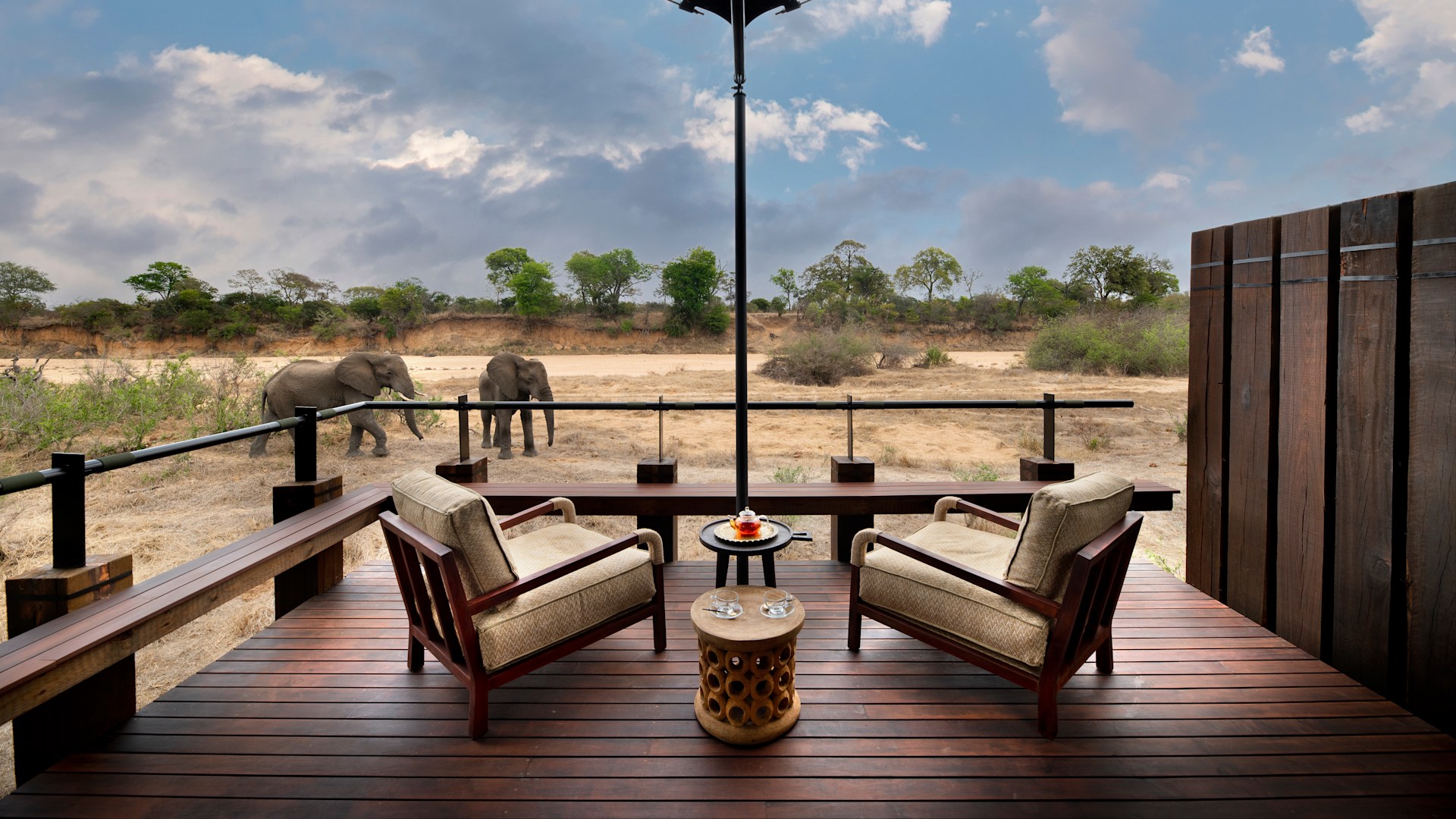
Embracing Africa’s Changing Seasons
Shoulder-season travel reveals a continent in renewal. The trade-offs of thicker vegetation and occasional rain are balanced by dramatic light, returning birds, lower densities and meaningful savings. For those who travel with open minds and expert guidance, these months often deliver the most memorable encounters.
Encounters Africa stands ready to translate your preferences into a seamless journey. Whether seeking the thunder of migrating herds under building clouds or the intimate thrill of tracking big cats through fresh grass, our team crafts experiences that honour both your desires and the land’s natural calendar.
For discerning travellers seeking a private safari beyond our set itineraries, we invite you to contact us directly. We specialise in designing exceptional, tailor-made journeys shaped entirely around your preferences, pace and budget. Compare costs and explore further options via understanding safari pricing in neighbouring Namibia and discover broader regional insights at our sister brand’s beyond-Namibia resources.
More like this
tips and advice
What to Expect on a Pre-Dawn Hot Air Balloon Safari Across African Plains
tips and advice
What to Expect When Camping Under Canvas Near Lions and Leopards
tips and advice
What to Pack for an African Safari When Light Aircraft Weight Limits Apply
tips and advice
What Veteran Guides Wish Every Visitor Knew Before Touring Tanzanian Wildlife
tips and advice
What Your First African Safari Day Really Involves From Dawn to Dusk
tips and advice