tips and advice
What Your First African Safari Day Really Involves From Dawn to Dusk
Encounters Africa - 8 min read
Updated on 31 August 2026
As the first pale light touches the African horizon, your day on safari begins with a gentle knock at the tent flap. For many travellers, this pre-dawn awakening marks the start of an experience that feels both structured and wildly unpredictable. This article explores what your first African safari day really involves from dawn to dusk, the surprises that catch newcomers off guard, and how to set realistic expectations around wildlife sightings.
Cape Town-based Encounters Africa is the specialist arm for safaris beyond Namibia, covering South Africa, Botswana, Kenya, Tanzania, Rwanda, Uganda, Zambia and Zimbabwe with three decades of combined experience. The team tailors journeys for individuals, couples, families and private groups of up to eight by booking directly with camps and lodges across 81 published itineraries that can all be reshaped. Encounters Africa is part of the Secret Namibia group and is the specialist arm for safaris beyond Namibia.
The Pre-Dawn Awakening
The rhythm begins long before most city dwellers stir. Between 5:00 and 5:30 am, a soft knock or murmured greeting signals the arrival of morning tea or coffee delivered to your tent or chalet. This gentle ritual helps ease you into the day while the nocturnal chorus of frogs, hyenas, or distant lions still lingers in the cool air.
Guides emphasise the importance of layers. Even in summer, early mornings can drop to single digits in southern Africa, requiring fleece jackets that are often shed by 9 am. The sensory shift from warm bedding to crisp pre-dawn darkness remains one of the most memorable contrasts for first-time visitors.
The African bush has a way of recalibrating your internal clock. What feels like an ungodly hour soon becomes the most alive part of the day.
What Does a Typical Day on Safari Look Like?
A typical day on safari follows a predictable yet flexible structure shaped by wildlife activity and light conditions. It usually begins with a 5:30 am wake-up call followed by a quick coffee and game drive from 6:00 to 9:30 am. Upon return, a substantial brunch is served around 10:00 am, after which guests have several hours to rest, read, or join a optional nature walk. High tea appears at 4:00 pm before the afternoon game drive or activity runs from 4:30 pm until after dark, often concluding with sundowners. Dinner is typically served between 8:00 and 9:00 pm, with most camps encouraging an early night to match the following day's dawn start. Exact times vary by season, camp policy, and whether the property offers night drives or specialist activities such as mokoro excursions or walking safaris.
Morning Game Drive: The Golden Hours
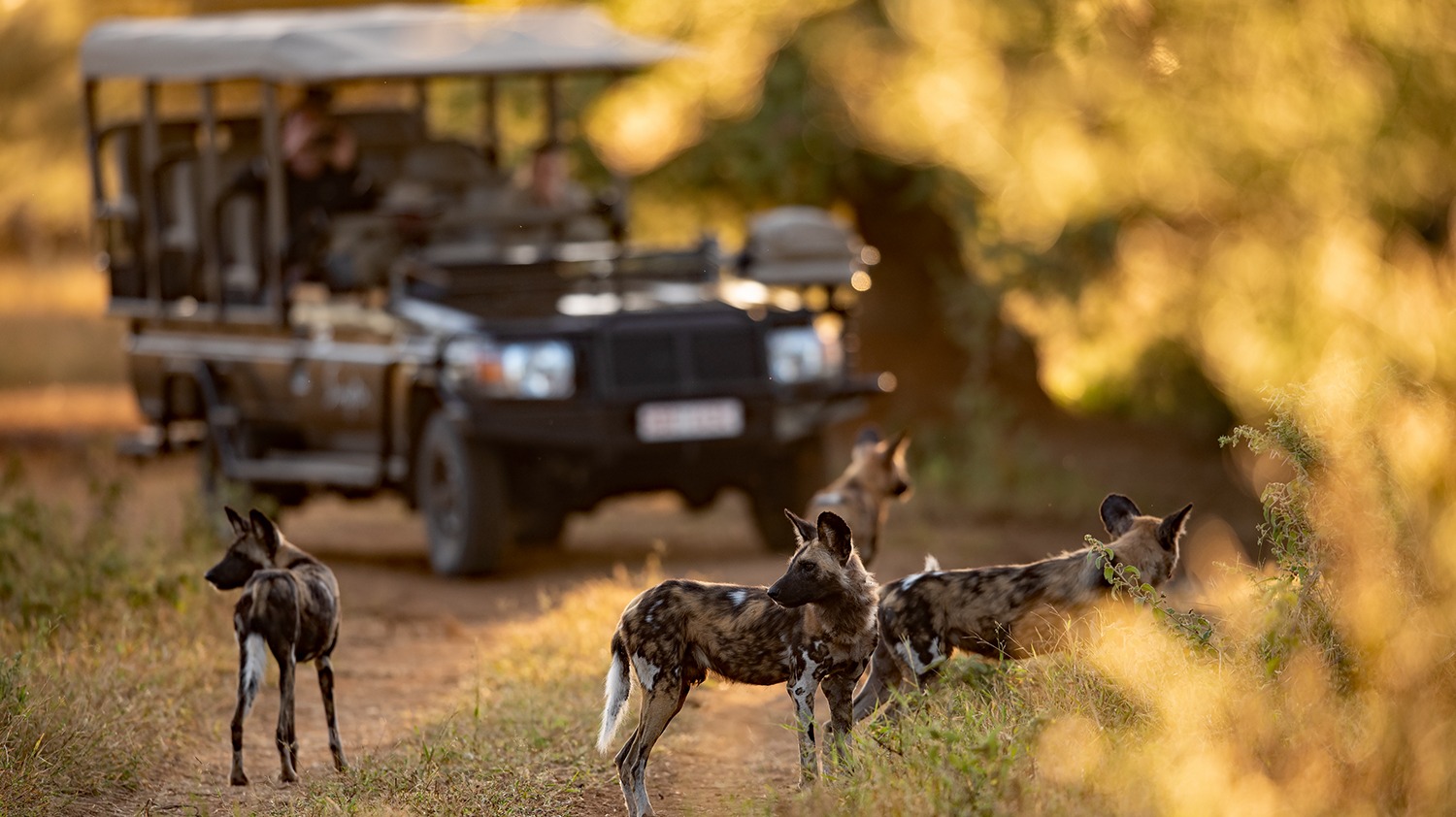
As your open-sided vehicle rolls out of camp, the first rays of sunlight filter through acacia trees or mopane woodland. This is prime time for predator activity. Lions may still be on the move after a night patrol, while leopards return to favoured resting spots. The cool air carries scent effectively, helping guides track animals by both sight and smell.
Expect stops for detailed explanations. Your guide might cut the engine to listen for alarm calls from impala or francolin that betray a nearby predator. Coffee breaks around 8 am offer a chance to stretch legs at a safe vantage point while the sun climbs higher.
Many first-timers are surprised by how much time is spent simply watching. A herd of elephants crossing a river or a coalition of cheetahs resting in shade can occupy an hour without a single word spoken. These unhurried moments often become the emotional core of the experience.
Patience in the African bush is not passive waiting but active observation that sharpens every sense.
Back at Camp: The Midday Lull
Returning to the smell of fresh pastries and sizzling bacon feels like a reward. Brunch is usually a generous spread that bridges breakfast and lunch, allowing guests to refuel after several hours in the vehicle. Most camps then offer downtime until mid-afternoon.
This period is deliberately built into the schedule. Wildlife tends to seek shade during the hottest hours, making sightings less frequent. Guests can nap, visit the pool, or join a short bush walk with an armed guide if offered. The silence of camp during these hours, broken only by birdsong or the occasional elephant rumble, is part of the restorative magic.
Understanding Camp Etiquette
Staff move discreetly, often using pathways that avoid guest areas. Simple rules such as keeping tent zips closed and never walking unescorted after dark exist for sound safety reasons rather than mere formality. These protocols quickly become second nature.
Afternoon and Evening Drive: Changing Light, New Possibilities
As the day cools, vehicles depart again around 4 pm. The golden afternoon light creates perfect conditions for photography. Different animals become active. Giraffes gather at waterholes, while nocturnal species such as honey badgers or genets may begin to stir.
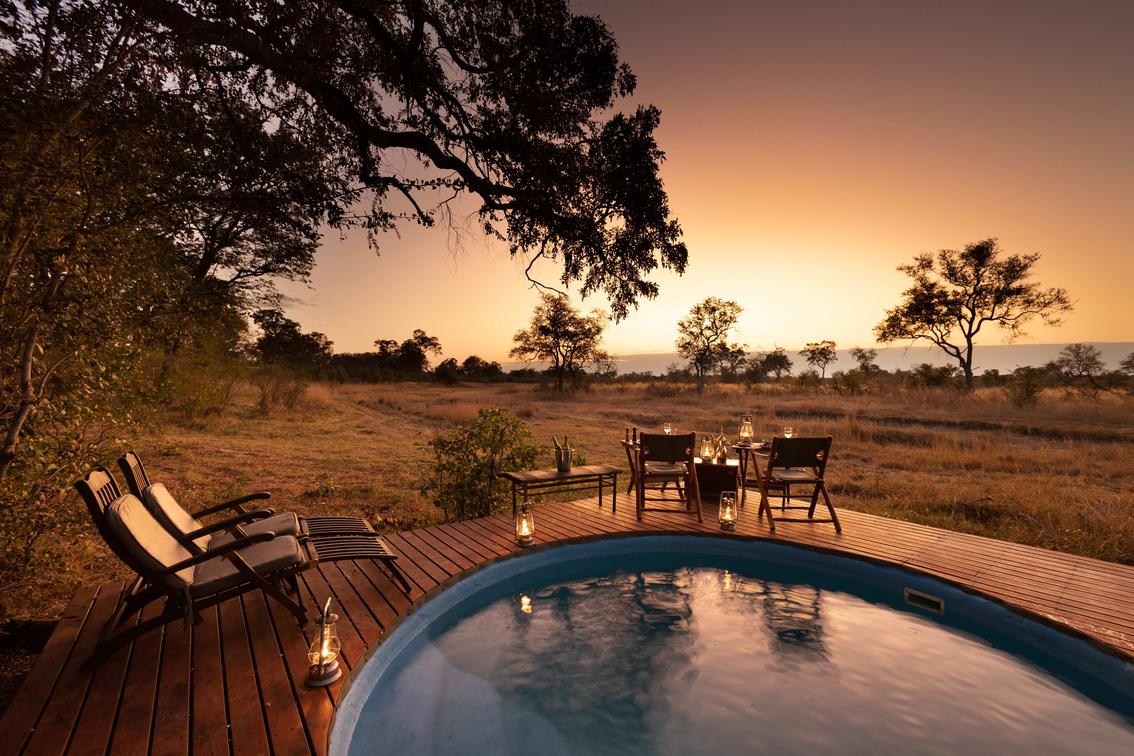
Sundowner stops are a cherished ritual. Guides select scenic spots where drinks and snacks appear as the sun dips below the horizon. The sky often flares with vivid oranges and purples before darkness settles. Spotlights emerge for the final hour, revealing nocturnal eyes shining in the bush.
First-timers frequently comment on how the evening drive feels more intimate than the morning one. With fewer vehicles on the move and the landscape wrapped in shadow, the experience takes on a different atmosphere.
The transition from day to night in the African bush carries an almost theatrical quality that no photograph can fully capture.
What Surprises First-Timers Most
Many newcomers expect non-stop dramatic action reminiscent of wildlife documentaries. In reality, safaris involve long periods of quiet beauty punctuated by moments of heart-stopping excitement. The absence of guaranteed sightings can feel unsettling until travellers understand that this unpredictability is the authentic heartbeat of wild Africa.
The sheer sensory immersion often catches people off guard. The smell of rain on dusty earth, the texture of termite mounds, or the vibration of a nearby elephant's low rumble cannot be anticipated from books or screens. Guides frequently note that first-time visitors are surprised by how deeply moved they feel by seemingly small encounters, such as watching dung beetles at work or listening to a chorus of frogs at dusk.
Another common revelation is the comfort level. Modern camps blend luxury with immersion so skilfully that many first-timers express genuine astonishment at hot showers, fine dining, and comfortable beds set within wild landscapes. The contrast between wilderness and refinement creates its own form of delight.
Setting Realistic Expectations About Sightings
Wildlife viewing success depends on multiple variables including season, time of day, weather, and simple luck. The dry season from June to October generally offers better visibility in southern Africa because vegetation thins and animals concentrate around water sources. However, even then, a single drive might yield only impala and zebra before a sudden lion sighting changes everything.
Responsible operators avoid promising specific encounters. Instead, they focus on the overall experience, from learning to read tracks to understanding complex ecosystems. A quiet morning that yields no big cats can still deliver profound insights into the intricate web of life that sustains the savanna.
Travellers who approach their first safari with curiosity rather than a checklist tend to enjoy it most. Those who have read our guide to walking safaris in South Luangwa or studied seasonal patterns in advance report higher satisfaction because they understand the rhythms at play.
Preparing Mentally and Practically
Packing appropriate clothing in neutral colours helps you blend in and stay comfortable through temperature swings. Binoculars, a good camera with spare batteries, and a sense of humour are equally important. Most importantly, arrive ready to disconnect from the outside world. The bush operates on its own schedule.
Choosing the right camp makes an enormous difference to first-time enjoyment. Properties such as Duba Plains Camp in Botswana or Angama Mara in Kenya have earned reputations for exceptional guiding that transforms ordinary drives into masterclasses in natural history. For those combining countries, exploring Botswana alongside Kenya offers contrasting landscapes that enrich the overall journey.
Consider reading our companion piece on first time Namibia safari for additional perspective, or explore fly-in safaris if you want to maximise time in remote wilderness areas.
Ready to Experience Your First African Safari?
The African bush teaches patience, presence, and perspective in ways few other travel experiences can match. Once you have felt the pre-dawn chill, heard the morning chorus, and watched the landscape come alive under vast skies, the rhythm of safari days becomes something you carry with you long after returning home.
For discerning travellers seeking a private safari beyond our set itineraries, we invite you to contact us directly. We specialise in designing exceptional, tailor-made journeys for individuals, couples, families, and private groups of up to eight guests. Drawing on our handpicked network of distinguished camps and lodges, we curate every detail with precision and care, creating a seamless, deeply personal safari experience shaped entirely around your preferences, pace, and budget.
Contact Encounters Africa today to begin planning the safari that will reshape how you see the natural world.
More like this
tips and advice
Why a Multi-Country African Safari Benefits from Two Specialist Brands Under One Roof
tips and advice
Why African Winters Deliver Superior Wildlife Sightings and Fewer Crowds
tips and advice
Why Malaria-Free Reserves in South Africa Appeal Most to Families with Young Children
tips and advice
Why Santorini of Mozambique Captivates: A Traveler's Account of Tofo's Shores
tips and advice
Why Standard Travel Insurance Leaves Safari Guests Exposed in Remote Wilderness
tips and advice