tips and advice
What to Expect on a Pre-Dawn Hot Air Balloon Safari Across African Plains
Encounters Africa - 8 min read
Updated on 28 August 2026
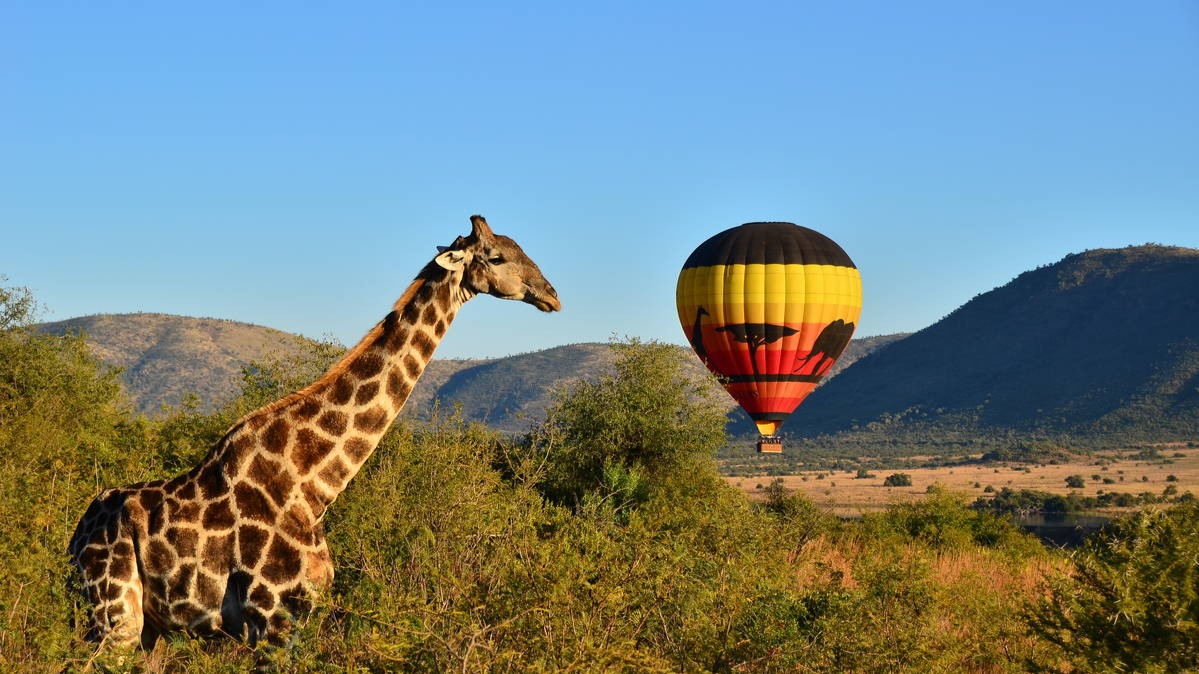
Hot air ballooning over the plains forms one of the most memorable chapters in any African safari. Before first light, vehicles carry guests to a launch site where the balloon envelope fills against a starlit sky. From several hundred feet up, the perspective reveals vast game trails, predator movements and herd patterns invisible from ground level. Encounters Africa is the specialist arm for safaris beyond Namibia, covering South Africa, Botswana, Kenya, Tanzania, Rwanda, Uganda, Zambia and Zimbabwe. Cape Town-based with three decades of combined experience, we book directly with camps and lodges, tailoring journeys for individuals, couples, families and private groups of up to eight using our 81 published itineraries that can all be reshaped.
The experience begins in profound quiet. A gentle knock at your tent door arrives while the Milky Way still arcs overhead. You dress quickly in layers against the pre-dawn chill, then drive through sleeping bush to where the balloon crew awaits. The burners ignite with a sudden roar that slices the darkness, painting the enormous envelope in warm orange light as it slowly rises. This pre-dawn ritual sets the tone for an hour that will reshape how you see the African landscape.
The African plains look entirely different when viewed from above. What feels like random movement on the ground becomes a visible story of migration routes, territorial boundaries and survival strategies written across hundreds of square kilometres.
The Pre-Dawn Start: Atmosphere and Practicalities
Most balloon safaris depart from private concessions or national reserves where operators hold exclusive rights. Guests are collected between 4am and 5am depending on season and latitude. A light continental breakfast of coffee, pastries and fruit is usually served at the launch site while the balloon is prepared. The entire process from arrival to liftoff takes roughly 45 minutes, giving travellers time to absorb the hush that precedes sunrise.
Safety briefings are concise but thorough. Passengers learn how to brace for landing, where to stand during inflation, and why loose clothing or scarves are prohibited. Children under 12 or 14 (operator dependent) are generally not permitted for safety reasons. The basket itself is divided into compartments that keep groups stable and allow everyone an unobstructed view.
As the sky begins to pale, the pilot gives the signal. With a final blast of the burners the balloon lifts off so smoothly that many travellers only realise they are airborne when the ground falls away beneath them. The silence that follows, once the burner cuts out, is absolute. Only the occasional call of a bird or distant grunt of a zebra drifts upward.
What the Aerial Perspective Reveals
From 300 to 500 feet the plains unfold like an immense living map. Vehicle tracks that seem dominant on morning game drives shrink to faint scratches. Instead you notice ancient game trails worn deep by centuries of elephant movement, the geometric precision of termite mounds casting long shadows, and the sinuous lines where rivers once flowed.
Predator behaviour becomes strikingly clear. A pride of lions might appear as golden dots from a vehicle, but from above you can trace their deliberate path toward a herd of wildebeest, watch the sentinels react, and see how the formation shifts in response. Herds that look scattered on the ground reveal themselves as organised units flowing along invisible corridors toward water or fresh grazing.
The light itself changes everything. Dawn paints the landscape in soft rose and gold, highlighting textures impossible to appreciate at eye level. A lone acacia throws a perfect shadow across the savannah while hippos in a distant oxbow lake create concentric ripples that catch the first rays. These patterns and relationships between species and landscape are what make ballooning distinct from any other safari activity.
Nothing prepares you for the moment the burner falls silent and the world falls away. The only sound is wind brushing canvas and your own breathing as Africa reveals its true scale.
Hot Air Balloon Safaris in Popular African Destinations
Balloon flights operate in several key safari regions, though availability and character differ markedly. In the Masai Mara, flights often drift over the short-grass plains favoured by migrating herds between July and October. The Serengeti offers perhaps the most iconic experience when the migration is present, with thousands of wildebeest and zebra visible at once during the calving season from January to March.
Botswana provides more intimate flights over the Okavango Delta and surrounding concessions. Here the perspective emphasises water channels, palm islands and the way wildlife concentrates around permanent water sources. In South Africa, flights in reserves bordering Kruger National Park combine classic bushveld with occasional views of the escarpment.
Each destination brings its own flavour. Mara flights tend to be longer and more dramatic during migration periods, while Delta flights feel more serene and focused on intricate ecosystems. Operators adjust flight paths daily according to wind direction, ensuring guests see the most productive areas under current conditions.
Weather Cancellations and What Happens Next
Wind is the greatest variable in ballooning. Operators will cancel flights if gusts exceed roughly 15-20 kilometres per hour or if thunderstorms are forecast. In East Africa, the long rains from March to May and short rains in November often bring unpredictable early morning weather. Southern African operators face similar challenges during the wet season from November to March.
When a flight is cancelled, most reputable operators offer a full refund or the chance to rebook on another morning. Some camps compensate with a champagne breakfast at the intended launch site or an alternative activity such as a specialised walking safari. Because pre-dawn departures are already built into safari schedules, the disruption is usually minimal.
Experienced safari designers factor weather risk into itineraries. Placing a balloon flight toward the end of a stay rather than the beginning gives guests a second opportunity if the first morning proves unsuitable. Checking forecast trends in the days leading up to your flight helps set realistic expectations.
Is a Hot Air Balloon Safari Worth the Money?
Yes, for many travellers a hot air balloon safari is worth the additional cost of roughly $400 to $650 per person depending on destination, operator and season. The experience delivers a genuinely unique perspective that no ground vehicle can replicate, creating memories that endure long after the safari ends. However, it represents a discretionary luxury rather than an essential safari component. Those on their first visit may prefer to allocate budget toward extra nights in prime locations or private guiding, while repeat visitors or photography enthusiasts often find the aerial view transformative enough to justify the expense. The final decision depends on your interests, previous safari experience, and overall trip budget. Costs vary by country and operator, with East African flights typically priced higher than those in Southern Africa due to longer flight times and greater logistical demands.
A single hour above the plains can recalibrate your entire understanding of scale and wilderness. What seemed like isolated sightings from a vehicle become part of a vast, interconnected web of life visible only from the sky.
Practical Considerations Before You Book
Most balloon operators include a traditional champagne breakfast after landing, often served in the bush with linen tablecloths and silver service. The flight itself lasts approximately one hour, though the total experience from collection to return to camp spans three to four hours. Photography from the basket requires a steady hand and wide-angle lenses. Monopods are usually permitted while tripods are not for safety reasons.
Physical fitness is rarely an issue as boarding involves only a single high step into the basket. Those with back or hip concerns should mention this when booking, as landing can involve a firm bump. Many operators offer the option to follow the balloon in a support vehicle for guests who decide at the last minute they prefer to remain on solid ground.
Booking through a specialist like Encounters Africa ensures the balloon experience is seamlessly integrated with the rest of your itinerary. Our direct relationships with lodges and operators allow us to select the most reputable pilots and coordinate transfers without unnecessary early starts or wasted time.
Deciding Whether to Add a Balloon Flight to Your Safari
Ultimately the value of a hot air balloon safari lies in its ability to expand your perception of the African wilderness. The pre-dawn ritual, the profound silence aloft, and the sudden comprehension of landscape patterns create a perspective that stays with you. While weather can occasionally intervene and the cost is not insignificant, those who make the journey rarely regret it.
For discerning travellers seeking a private safari beyond our set itineraries, we invite you to contact us directly. We specialise in designing exceptional, tailor-made journeys for individuals, couples, families, and private groups of up to eight guests. Drawing on our handpicked network of distinguished camps and lodges, we curate every detail with precision and care, creating a seamless, deeply personal safari experience shaped entirely around your preferences, pace, and budget.
Read our related article on what shapes the cost of a luxury safari or explore how balloon flights fit into an ultra-luxury private fly-in safari. For more insight into safari pricing across the region, see our sister brand’s guide to how much a Namibian safari costs.
Whether you ultimately choose to rise with the sun or remain grounded, the African plains offer profound experiences at every level. The question is not whether ballooning earns its price for everyone, but whether its particular magic speaks to the kind of traveller you are.
More like this
tips and advice
What to Expect When Camping Under Canvas Near Lions and Leopards
tips and advice
What to Pack for an African Safari When Light Aircraft Weight Limits Apply
tips and advice
What Veteran Guides Wish Every Visitor Knew Before Touring Tanzanian Wildlife
tips and advice
What Your First African Safari Day Really Involves From Dawn to Dusk
tips and advice
Why a Multi-Country African Safari Benefits from Two Specialist Brands Under One Roof
tips and advice