tips and advice
What to Expect When Camping Under Canvas Near Lions and Leopards
Encounters Africa - 11 min read
Updated on 19 August 2026
The low rumble of a lion just beyond the canvas wall is not a recording. It is real, close, and part of the immersive experience when you choose to sleep under canvas in predator-rich landscapes. For travellers considering a mobile tented safari in Botswana or Kenya, understanding what nights under canvas near lions and leopards truly entail removes uncertainty and heightens appreciation. Encounters Africa specialises in curating these authentic journeys, balancing thrill with carefully managed safety.
Camping under canvas near large carnivores offers an unparalleled connection to the African wild. Guests often report that the sounds of the bush at night create some of their most vivid memories. From the crack of dry branches under heavy paws to the sudden silence that falls when a predator passes, these experiences sharpen every sense. This article details exactly what to expect, the practical measures in place, and how to prepare so your nights become stories rather than sources of anxiety.

What Under Canvas Really Means in African Safari Camps
Under canvas refers to accommodation in sophisticated mobile or semi-permanent tents that blend luxury with proximity to nature. These are not basic camping setups. Most feature proper beds, en-suite bathrooms with hot running water, and thoughtful touches such as writing desks and comfortable seating areas. Yet the walls remain fabric, allowing the night sounds of the bush to filter through clearly.
In Botswana’s Okavango Delta and Kenya’s conservancies bordering the Masai Mara, these camps are positioned where wildlife moves freely. Lions frequently patrol territorial boundaries that may cross directly through camp. Leopards use the elevated branches of nearby trees as lookouts. The canvas becomes a thin but remarkably effective membrane between your world and theirs.
The canvas does not block the wild; it invites it in measured doses, reminding every guest that we are only visitors in this ancient landscape.
The Difference Between Mobile and Fixed Canvas Camps
Mobile camps follow seasonal game movements, dismantled and relocated every few months. Fixed canvas camps remain in place year-round but retain the same tactile connection to the environment. Both share the characteristic of being unfenced, allowing animals to wander through at will. This deliberate lack of barriers defines the experience and explains why professional guiding and strict protocols are non-negotiable.
Sounds of the Night: What You Will Actually Hear
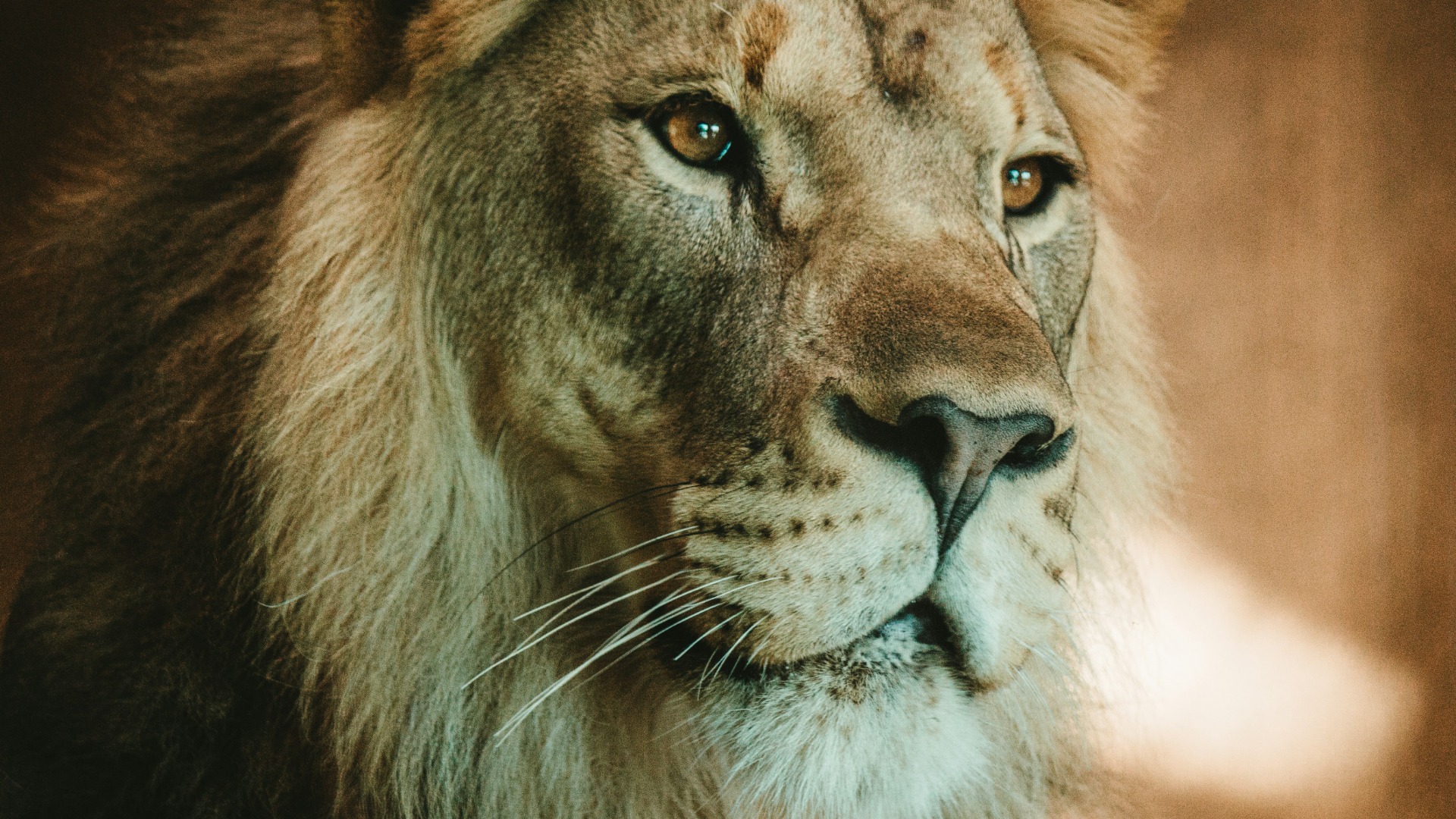
The first night under canvas near predators often surprises guests with its symphony. Lions produce a deep, resonant roar that can be felt in the chest as much as heard. A territorial call may begin as a series of low grunts before building to a full-throated declaration that carries for kilometres across the plains. When a pride hunts nearby, the whooping calls of spotted hyenas often join the chorus, creating an unforgettable soundscape.
Leopards are quieter but no less present. Their sawing cough, repeated at intervals, signals territory. Guests frequently hear the soft pad of paws on dry leaves or the sudden alarm snort of an impala that has spotted danger. These sounds do not indicate imminent threat; rather, they represent the normal rhythm of nocturnal Africa that most city-dwellers have never encountered.
Between these dramatic moments lies a profound quiet. The absence of human-generated noise amplifies every rustle, every distant call. Many travellers describe lying awake in wonder, listening intently as their ears adjust to a world without traffic, sirens or aircraft.
Common Nocturnal Visitors and Their Behaviours
Lions may rest within metres of tents during the heat of the day, their tawny coats blending with the grass. At night they often move through camp on established paths, sometimes pausing to investigate interesting scents. Leopards prefer the canopy, using trees within or beside camp as resting or feeding sites. Their presence is usually announced by the frantic alarm calls of monkeys or the bark of a bushbuck.
Hyenas frequently circle camps, drawn by the scent of cooking or the possibility of scavenging. Their distinctive whoop can seem unnervingly close yet they generally maintain respectful distance from human activity. Smaller nocturnal mammals such as genets and honey badgers also visit, providing delightful counterpoints to the larger predators.
Far from being frightening, these nightly visitations become treasured memories that reconnect travellers with a wilder rhythm of life.
Safety Measures That Protect Both Guests and Wildlife
Professional safari operators maintain rigorous protocols developed over decades of responsible operation. Armed, highly trained guides escort guests between their tents and the central dining area after dark. These escorts carry powerful torches and maintain constant radio contact with camp management. The paths themselves are carefully planned to minimise surprise encounters.
Tents are equipped with emergency whistles and sometimes discreet electric fencing around the immediate perimeter during hours of darkness, though many camps rely instead on the skill of their staff. Guides undergo continuous training in animal behaviour, learning to read subtle signs that indicate an animal’s mood and intentions.
Importantly, camps never feed or habituate predators. The animals remain genuinely wild, which actually increases safety because they retain natural caution around humans. Strict rules prohibit food in tents and require all belongings to remain zipped inside during the day to avoid attracting curious visitors.
Emergency Procedures and Communication
Every camp maintains a clear chain of command and rapid response capability. Guests receive a comprehensive briefing upon arrival that covers everything from how to signal for assistance to what to do if an animal approaches too closely. These briefings are delivered with calm authority, helping to instil confidence rather than fear.
Medical evacuation plans are in place, with dedicated vehicles and aircraft on standby. However, serious incidents involving dangerous wildlife in well-managed camps are exceptionally rare. Statistics from major operators show that the risk of vehicle accidents on the drive to the airport far exceeds any danger from wildlife during a properly conducted safari.
What to Expect: A Typical Night Under Canvas
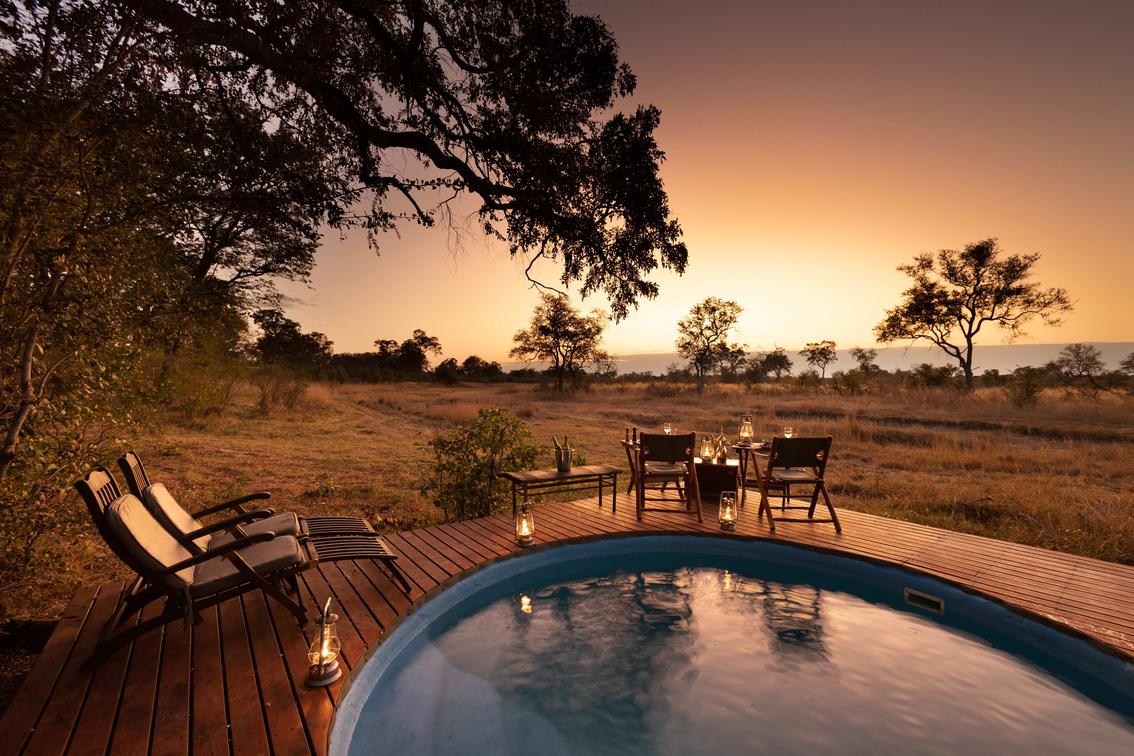
Your evening begins with sundowners on the open plain, watching the sky shift through impossible colours as the first stars appear. Back at camp, a hot shower under the stars prepares you for dinner around a crackling fire. The meal is invariably excellent, featuring fresh produce and carefully paired wines, all served beneath a vast African sky.
After dinner, your guide escorts you to your tent, checking the immediate area first. Once inside, you zip the canvas door securely and settle into crisp linens. The night unfolds gradually. You might drift off to the gentle rhythm of distant zebra calls only to wake to the unmistakable sound of lions mating or a leopard dragging prey into a tree. These moments, though they may quicken the pulse, represent the very essence of an authentic safari experience.
By morning, fresh tracks often circle the tents. Your guide will interpret these with infectious enthusiasm during the dawn game drive, turning last night’s mystery into today’s lesson in animal behaviour. The cycle repeats, each night revealing new layers of understanding.
Preparing Mentally and Practically for Nights Near Predators
The best preparation involves adjusting expectations and embracing the unknown. Many first-time safari guests worry excessively about safety, but seasoned travellers often say the nights under canvas become their favourite part of the journey. Understanding that the animals are not hunting humans helps reframe the experience from potential threat to privileged observation.
Pack earplugs if you are a light sleeper, though many guests ultimately choose not to use them, unwilling to miss a single sound. A good torch with spare batteries proves useful for midnight bathroom visits. Most importantly, bring an open mind and a willingness to be moved by experiences that few people ever encounter.
Common Questions About Sleeping Near Lions and Leopards
What are the actual chances of a dangerous encounter? In professionally managed camps, the likelihood of a serious incident is statistically extremely low, estimated at less than one in several million guest nights across major operators. The combination of experienced staff, clear protocols, and wild animals’ natural avoidance of humans creates multiple layers of protection.
Should children join these experiences? Most operators welcome well-behaved children from approximately age eight, though some set the minimum at twelve. Families often find that shared nights under canvas create powerful bonds and lasting memories. The key lies in choosing camps with strong family programmes and discussing any concerns openly with your operator beforehand.
How does this compare to staying in a brick-and-mortar lodge? The primary difference is sensory immersion. While solid-walled lodges offer greater sound insulation, canvas brings the wild directly to you. Many travellers find that once they experience nights under canvas, returning to conventional accommodation feels comparatively disconnected from the African bush.
Understanding the science and systems behind wildlife safety transforms initial apprehension into deep respect for both the animals and the skilled teams who protect these precious encounters.
The Conservation Value of Well-Managed Canvas Camps
Responsible mobile and tented operations contribute meaningfully to conservation. Revenue from these experiences funds anti-poaching teams, supports community development projects, and helps maintain vast wilderness areas that might otherwise face agricultural conversion. When guests choose operators with transparent conservation credentials, their presence directly supports habitat protection for the very predators they hear at night.
Many camps work closely with local communities, employing staff from nearby villages and purchasing supplies locally. This economic incentive helps foster tolerance for wildlife that might otherwise be viewed as competition for resources. The presence of visitors also provides additional eyes on the landscape, deterring illegal activities.
Encounters Africa maintains strong partnerships with camps that demonstrate measurable conservation impact. Our team regularly visits these properties to verify standards and ensure that the experiences we recommend align with both guest expectations and ecological responsibility.
Choosing the Right Canvas Experience for You
Not all tented camps offer the same level of immersion or service. Some specialise in extreme wilderness with minimal staff presence while others provide five-star comforts in remote locations. Understanding your own comfort threshold helps determine the most suitable option. A family with young children might prefer a camp with slightly more infrastructure, while seasoned adventurers may seek the most remote mobile setups.
Consider the season carefully. The dry months from June to October generally offer easier game viewing and more predictable weather, though green season brings its own rewards including fewer visitors and dramatic storms. Discussing your preferences with knowledgeable specialists ensures the right match between your expectations and the realities of life under canvas.
For those seeking deeper immersion, multi-day walking safaris that involve sleeping in simple fly camps represent the pinnacle of proximity to nature. These require a higher level of fitness and mental preparation but deliver unparalleled connection to the African wild.

Embracing the Wild After Dark
Sleeping under canvas near lions and leopards represents one of the most authentic ways to experience Africa’s magnificent wilderness. The combination of luxury appointments with genuine proximity to untamed nature creates journeys that linger long in memory. Far from being something to endure, nights filled with the sounds of predators become transformative experiences that recalibrate our relationship with the natural world.
The key lies in choosing operators who understand both the magic and the responsibility that comes with these encounters. Encounters Africa has spent years developing relationships with the finest guides and camps across Botswana and Kenya, ensuring that every detail receives careful attention. Our team draws on decades of collective experience to match each traveller with the canvas experience that best suits their desires and comfort level.
For discerning travellers seeking a private safari beyond our set itineraries, we invite you to contact us directly. We specialise in designing exceptional, tailor-made journeys for individuals, couples, families, and private groups of up to eight guests. Drawing on our handpicked network of distinguished camps and lodges, we curate every detail with precision and care, creating a seamless, deeply personal safari experience shaped entirely around your preferences, pace, and budget.
Whether you dream of falling asleep to the distant roar of lions in the Okavango Delta or tracking fresh leopard prints outside your tent in Kenya’s Mara North Conservancy, the magic awaits. Begin your journey by exploring our Botswana safari itineraries or reach out via our enquiry form to start designing your perfect under-canvas adventure with Encounters Africa.
More like this
tips and advice
What to Pack for an African Safari When Light Aircraft Weight Limits Apply
tips and advice
What Veteran Guides Wish Every Visitor Knew Before Touring Tanzanian Wildlife
tips and advice
What Your First African Safari Day Really Involves From Dawn to Dusk
tips and advice
Why a Multi-Country African Safari Benefits from Two Specialist Brands Under One Roof
tips and advice
Why African Winters Deliver Superior Wildlife Sightings and Fewer Crowds
tips and advice