Culture
What Travelers Should Know About Kenya's Diverse Traditions Before Visiting
Encounters Africa - 10 min read
Updated on 17 June 2026
Understanding culture in Kenya enriches every journey through this multifaceted East African nation, where ancient traditions blend seamlessly with contemporary life across more than 40 distinct ethnic communities. From the rhythmic drumbeats echoing in highland villages to the poetic verses shared along the Swahili coast, Kenya offers travellers an authentic window into Africa's layered heritage that goes far beyond its celebrated wildlife encounters. A factual summary reveals that Kenya is home to at least 44 recognised ethnic groups, each contributing unique languages, rituals and artistic expressions that have evolved over centuries of migration, trade and resilience.
Before setting foot on Kenyan soil, visitors benefit from grasping the depth of these living customs. Whether witnessing a Maasai elder recounting oral histories around a crackling fire or joining a coastal celebration filled with henna patterns and fragrant spices, an informed perspective transforms simple observation into meaningful connection. Encounters Africa has guided countless travellers toward respectful engagement with these traditions, ensuring every experience honours the communities who generously share them.
The Mosaic of Ethnic Communities Shaping Modern Kenya
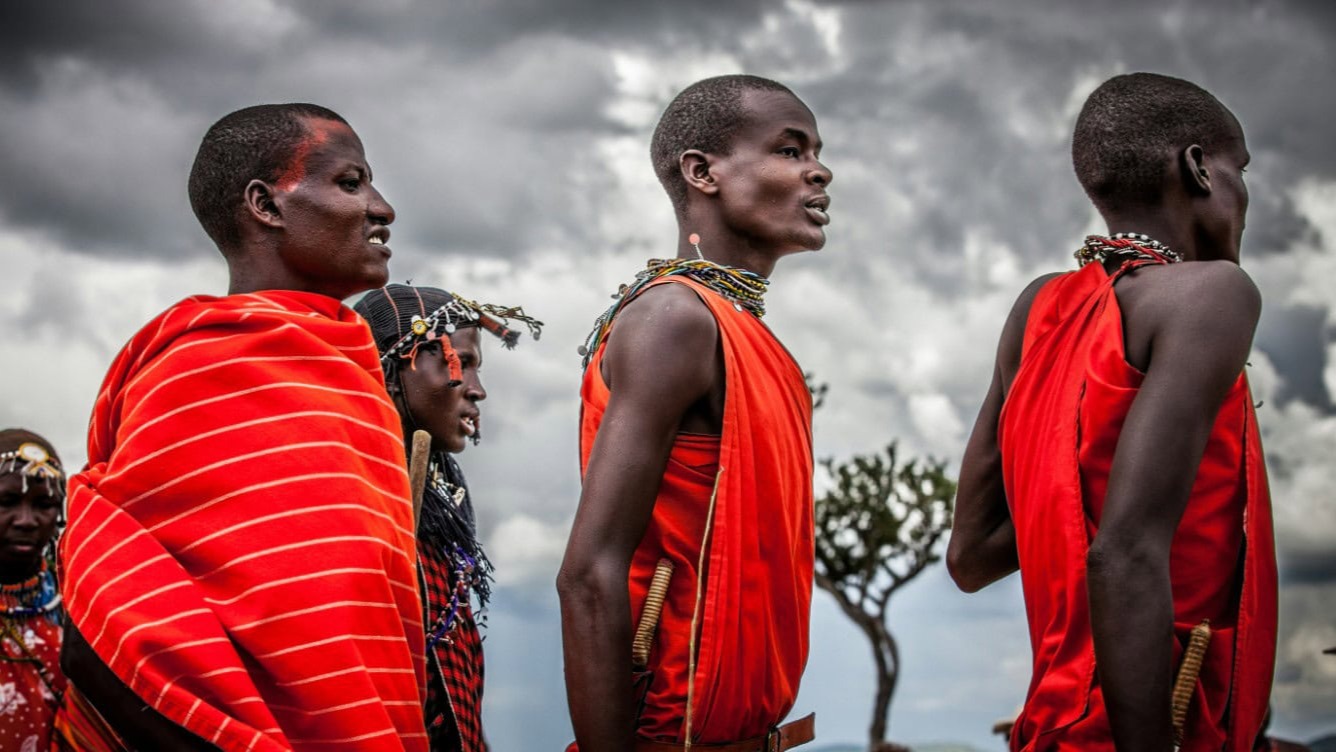
Kenya's cultural tapestry spans from the pastoralist communities of the arid north to the agricultural societies of the fertile central highlands and the seafaring peoples of the Indian Ocean coastline. The largest groups include the Kikuyu, who form roughly 17 percent of the population and are known for their entrepreneurial spirit and intricate woodcarving traditions, alongside the Luo of the western lakeshores celebrated for their musical innovation and political influence.
Further north, the Samburu and Turkana maintain semi-nomadic lifestyles deeply connected to their livestock and the rhythms of the seasons. Each community has preserved distinct architectural styles, from the manyattas of the Maasai to the coral-stone houses of Lamu Island. These differences are not relics of the past but vibrant elements of daily existence that continue to inform everything from governance structures to culinary practices.
Respectful visitors soon discover that Kenya's strength lies in its ability to celebrate difference while weaving these varied threads into a cohesive national identity.
Travellers who take time to learn even basic greetings in local languages, such as "Jambo" in Swahili or "Supa" among the Maasai, open doors to warmer interactions. This foundational knowledge demonstrates appreciation and encourages locals to share stories that might otherwise remain untold.
Historical Influences on Contemporary Customs
Centuries of Arab, Portuguese, Indian and British presence have left indelible marks on Kenyan society without erasing indigenous foundations. The Swahili coast, in particular, represents a remarkable fusion where Islamic architectural elements meet African oral poetry and Bantu linguistic roots. This synthesis produced the taarab musical tradition, which combines stringed instruments with poetic lyrics often addressing themes of love, politics and daily life.
Inland, missionary activity and colonial administration introduced new religious frameworks and educational systems that communities adapted in distinctly Kenyan ways. Today, traditional spiritual beliefs frequently coexist alongside Christianity and Islam, creating unique syncretic practices visible during important life events such as births, initiations and funerals.
Understanding Culture in Kenya: Key Traditions Every Visitor Should Respect
Culture in Kenya reveals itself most powerfully through its ceremonies marking life's transitions. Male and female initiation rites, though evolving with modern sensibilities, remain significant milestones in many communities. These events, often involving intricate beadwork, specific garments and communal feasts, teach young people their responsibilities within the larger social fabric.
Marriage negotiations frequently follow elaborate protocols that may extend over months or even years. Among the Luhya people of western Kenya, for instance, the payment of dowry involves not simply material exchange but the forging of alliances between families that create lasting social bonds. Understanding these processes helps visitors avoid unintended cultural missteps during encounters with local families.
Visitors should also recognise the central importance of elders within Kenyan social structures. Their counsel carries significant weight in decision-making, and showing deference through attentive listening and appropriate forms of address demonstrates cultural awareness that locals genuinely appreciate.
In Kenya, time spent listening to an elder share proverbs by firelight often proves more illuminating than any guidebook explanation of local customs.
Artistic Expressions and Creative Heritage
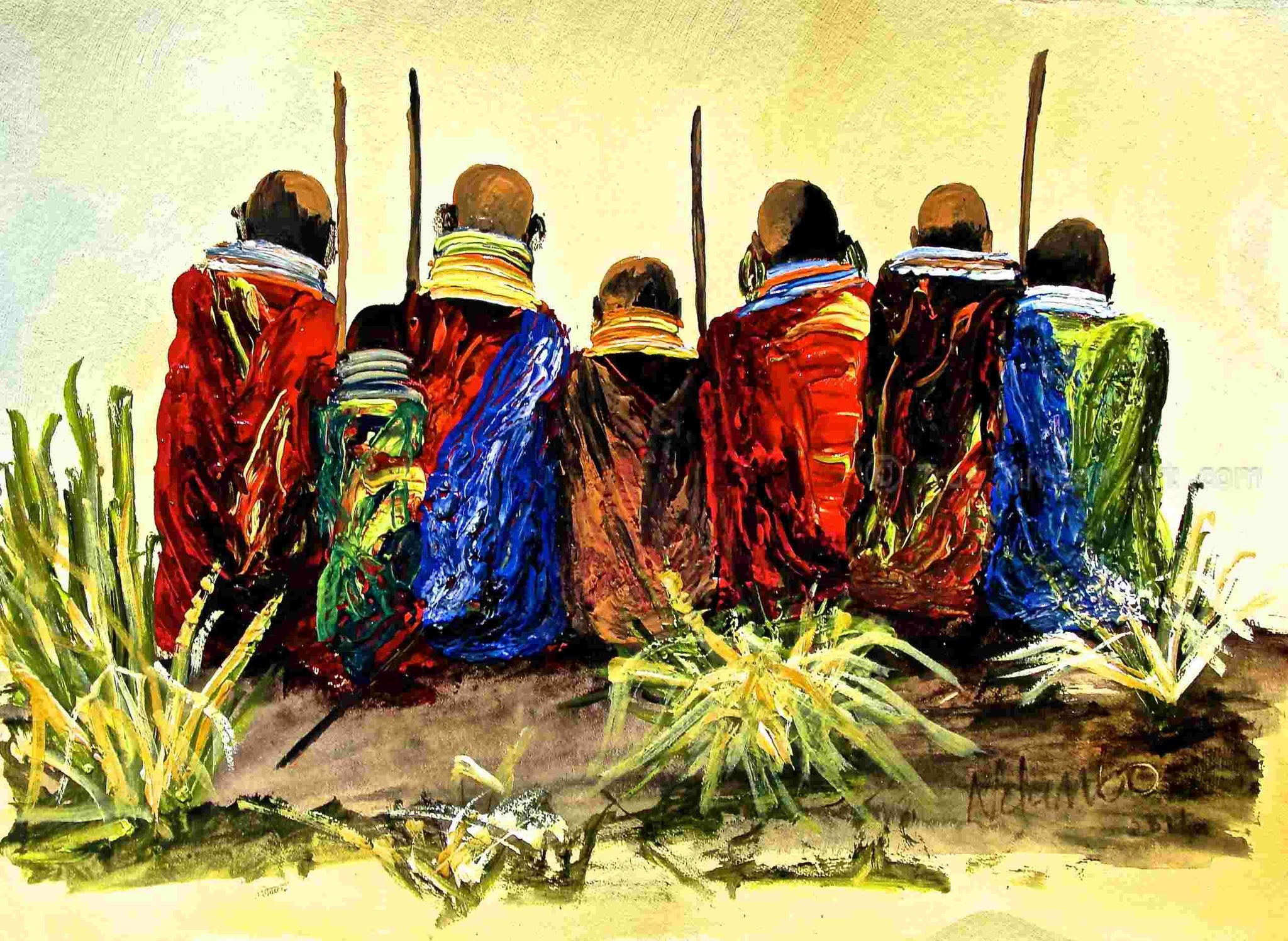
Kenyan artistic traditions encompass everything from the internationally recognised sculptures of the Akamba people to the vibrant textiles and jewellery crafted by pastoralist communities. The colourful beaded collars worn by Maasai women serve not merely as decoration but as sophisticated communication systems conveying information about age, marital status and social position.
Contemporary Kenyan artists frequently draw upon these traditional forms while addressing current issues such as environmental conservation, urban migration and national identity. Nairobi has emerged as a dynamic creative hub where galleries showcase works that bridge ancestral techniques with modern interpretations, offering travellers opportunities to acquire pieces that support living artists.

Regional Variations: From Coast to Rift Valley
The Swahili coast presents one of Africa's most distinctive cultural zones, where the call to prayer mingles with the sound of waves against ancient dhows. In Manda Island and nearby Lamu, visitors can experience the taarab music tradition during evening gatherings, where poets compete in verbal dexterity while audiences respond with rhythmic clapping. The region's distinctive cuisine, featuring coconut milk, fragrant spices and fresh seafood, tells its own story of historical trade routes connecting Africa with Arabia and Asia.
Moving inland to the Laikipia plateau, pastoralist communities maintain deep connections to the land and wildlife. Here, traditional knowledge about animal behaviour and medicinal plants complements modern conservation efforts. Many lodges work closely with these communities, creating opportunities for visitors to participate in activities such as learning traditional tracking methods or understanding the significance of specific plants used in healing rituals.
In the western regions near Lake Nakuru, Luo and Luhya communities offer different perspectives on lakeside living, with fishing traditions and agricultural practices that have sustained populations for generations. Each region presents its own calendar of festivals and ceremonies that reward travellers who plan their journeys around these cultural highlights.
Language and Oral Traditions
While English and Swahili serve as official languages, Kenya boasts more than 60 linguistic varieties. The oral tradition remains exceptionally strong, with proverbs, riddles and folktales serving as vehicles for moral education and historical preservation. Many communities maintain griot-like figures who memorise extensive genealogies and historical narratives passed down through generations.
Learning a few phrases in the local language of the areas you plan to visit demonstrates respect and often leads to more authentic interactions. Even simple efforts to master pronunciation show that you value the culture beyond its surface appeal.
Practical Advice for Culturally Sensitive Travel
Approaching Kenyan communities with genuine curiosity rather than expectation yields the most rewarding experiences. Photography should always be preceded by permission, and small gifts of tea or sugar are often appreciated when visiting homesteads, though visitors should avoid creating dependency through excessive giving.
Dress codes vary significantly between regions. While coastal areas with strong Islamic influences call for more modest attire, particularly at religious sites, inland communities may have different expectations. When in doubt, observing what local people of similar age and gender are wearing provides helpful guidance.
Timing your visit to coincide with specific cultural events can dramatically enrich your journey. The annual Lake Turkana Cultural Festival in December brings together multiple northern communities for displays of traditional dance, music and craftsmanship. Similarly, initiation seasons in different regions offer opportunities to witness important rites of passage when communities are willing to share these experiences with respectful outsiders.
True appreciation of culture in Kenya develops not through passive viewing but through willingness to participate thoughtfully when invited.
Supporting Communities Through Cultural Tourism
Responsible travel means ensuring that your interest in local customs directly benefits the people who maintain them. Many community-based tourism initiatives allow visitors to experience traditional homes, learn craft techniques and share meals while providing income that supports education and healthcare projects.
Encounters Africa carefully selects partners who demonstrate genuine commitment to equitable benefit-sharing. These experiences range from spending time with Samburu warriors learning about their livestock management practices to joining women’s groups in learning traditional beadwork techniques that have been adapted for contemporary markets.
How to Engage Respectfully with Kenya's Living Heritage
Many travellers ask how they can experience culture in Kenya without inadvertently causing offence or treating sacred traditions as entertainment. The answer lies in approaching each encounter with humility and patience. Accept that not every ceremony is open to visitors, and some knowledge remains appropriately reserved for community members.
When invited to participate in activities, follow your hosts' lead regarding appropriate behaviour. If a dance is demonstrated, joining in with enthusiasm is usually welcomed. However, certain songs or movements may be restricted by gender or age, and these boundaries should be observed without question.
Remember that cultural practices continue to evolve. What you witness today represents both deep historical roots and contemporary adaptations. Asking thoughtful questions about how traditions have changed over time often leads to rich conversations that reveal the dynamic nature of Kenyan society.
Seasonal Considerations and Festival Timing
Kenya's cultural calendar offers different experiences throughout the year. The dry season from June to October coincides with many traditional ceremonies as communities have more time for celebration when agricultural demands decrease. Coastal festivals often align with the Islamic calendar, making dates variable from year to year.
Planning your journey around specific cultural events requires flexibility, as many celebrations follow lunar cycles or agricultural seasons rather than fixed dates. Working with specialists who maintain close relationships with communities allows for authentic experiences that respect traditional protocols.
Embracing Kenya's Cultural Depth
The richness of culture in Kenya transforms standard safari itineraries into multidimensional journeys that engage both heart and mind. By moving beyond surface-level encounters to develop genuine appreciation for the traditions that shape this remarkable nation, travellers gain insights that remain long after memories of specific landscapes have faded.
From learning the significance of specific colours in Maasai beadwork to understanding the complex social structures that govern communal decision-making, each discovery adds another layer to your African experience. These cultural connections often become the most treasured aspects of any Kenyan journey.
For discerning travellers seeking a private safari beyond our set itineraries, we invite you to contact us directly. We specialise in designing exceptional, tailor-made journeys for individuals, couples, families, and private groups of up to eight guests. Drawing on our handpicked network of distinguished camps and lodges, we curate every detail with precision and care, creating a seamless, deeply personal safari experience shaped entirely around your preferences, pace, and budget.
Whether your interests lie in exploring Kenya's coastal Swahili heritage, spending time with pastoralist communities in the northern reaches, or discovering the creative expressions of contemporary Nairobi artists, Encounters Africa crafts experiences that honour both the land and its people. Discover more in our guide to Angama Mara and its community partnerships, or explore our article on responsible travel practices across Africa.
Begin your journey by visiting our enquiry form to start a conversation about creating your own culturally rich Kenyan experience with Encounters Africa.
More like this
Culture
Why a Single Zulu Dance or San Story Can Redefine Your Southern Africa Itinerary
Culture
Why African Ceremonies Rely on Specific Animals for Spiritual Power
Culture
Why African Communities Honor Specific Animals in Daily Life and Ceremony
Culture
Why South African Hospitality Traditions Shape Every Visitor Encounter
culture
Zimbabwe's Core Cultural Groups: Shona, Ndebele, and Beyond
Culture