culture
Zimbabwe's Core Cultural Groups: Shona, Ndebele, and Beyond
Encounters Africa - 6 min read
Updated on 1 May 2026
Discover Zimbabwe's core cultural groups, where Shona clans dominate with stone ruins and mbira music, Ndebele warriors paint vivid homesteads, Tonga manage Kariba fisheries. Profiles illuminate Zimbabwe's ethnic tapestry.
Zimbabwe's cultural landscape pulses with diversity, shaped by over 16 ethnic groups speaking distinct Shona and Ndebele languages. The Zimbabwe population totals around 16 million, with Shona comprising 70-80% and Ndebele about 15%. These communities thrive amid ancient granite hills, fertile plateaus, and Zambezi floodplains, blending Bantu heritage with colonial echoes and modern resilience.
This guide profiles key groups, their traditions, and living spaces, offering travellers insights for immersive encounters. From spirit mediums in sacred groves to beadworkers in Matobo's boulders, these portraits reveal the human heartbeat of Zimbabwe.
Shona People: Guardians of Great Zimbabwe's Legacy
The Shona form Zimbabwe's largest cultural group, numbering over 10 million across Mashonaland and Manicaland provinces. Their history traces to the 11th-century Mapungubwe civilisation, culminating in the iconic Great Zimbabwe stone enclosures built between 1100 and 1450. These dry-stone walls, some 11 metres high, symbolise ancestral engineering prowess amid miombo woodlands.
Shona society organises into clans with totemic identities like the Moyo (elephant) or Soko (monkey), guiding marriages and rituals. Agriculture defines daily life: maize, millet, and tobacco flourish on red soils, supplemented by cattle herding. Villages cluster around kraal enclosures, where thatched rondavels face east to greet the dawn.
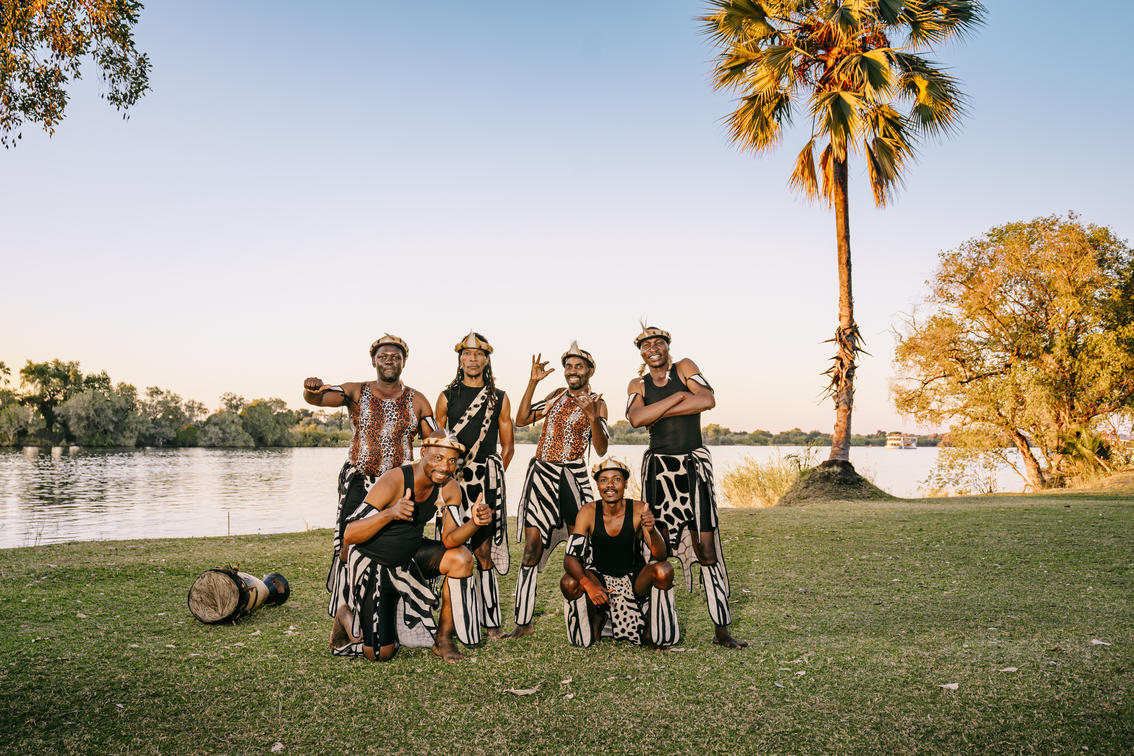
Music flows from the thumb piano, or mbira, whose resonant tones invoke mhondoro spirits during bira ceremonies. These all-night gatherings, led by spirit mediums, seek rain or healing, echoing practices from the Mutapa Empire. Travellers witness such events in ethical settings, deepening connections to Shona cosmology.
Shona mbira melodies bridge the living and ancestral realms, their vibrations lingering like mist over granite kopjes.
Daily Life and Traditions Among the Shona
Shona cosmology centres on Mwari, the high god, mediated through ancestral spirits. Women dominate pottery, crafting coiled vessels fired in open pits, while men carve soapstone into birds symbolising the empire's trade with distant coasts. Festivals like the Nharo harvest rite blend song, dance, and beer brewing from millet.
Key rituals include kurova guva, a year-after-death ceremony releasing the spirit from limbo.
Marriage negotiations involve lobola cattle exchanges, sealing alliances between clans.
Modern Shona blend Christianity with traditional beliefs, evident in urban Harare's hybrid churches.
The best time to explore Shona heartlands is May to October, when dry weather reveals archaeological sites like Great Zimbabwe National Monument. Encounters Africa arranges guided tours emphasising community interactions over mere sightseeing.
Ndebele: Bold Warriors of the Matobo Hills
The Ndebele, or Ndebele people of Zimbabwe, trace origins to 19th-century Zulu migrations led by Mzilikazi, fleeing Shaka's wrath. Settling in Matabeleland, they number about 2 million, their language a Nguni dialect echoing South African roots. Bold homesteads punctuate Bulawayo's savannas, encircled by vibrant geometric murals.
Ndebele social structure emphasises age-sets and regiments from their warrior past. Men historically raided for cattle, while women mastered beadwork and mud-painting, using bold ochres and whites symbolising status. Today, these arts sustain cooperatives in Kezi and Plumtree villages.
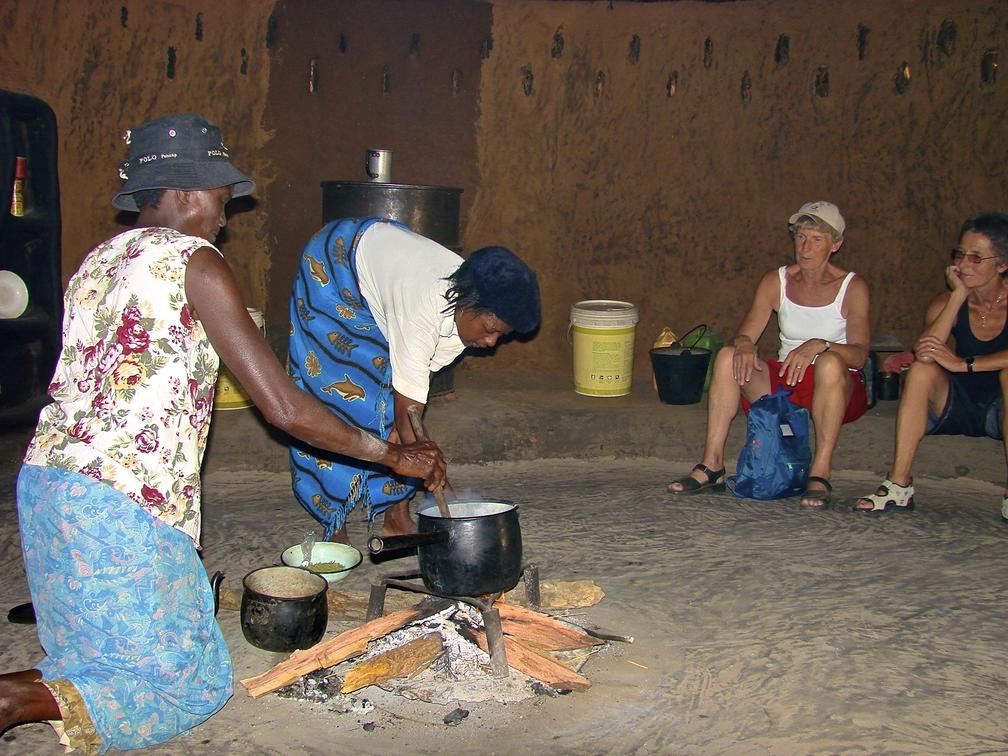
Inkosikazi queens hold sway in royal courts, advising on disputes amid thornbush enclosures. Polygamy persists among elites, with wives' quarters radiating from the great hut. Encounters with Ndebele craftspeople offer hands-on sessions, revealing layers of symbolism in every coil and stroke.
Ndebele Festivals and Ceremonies
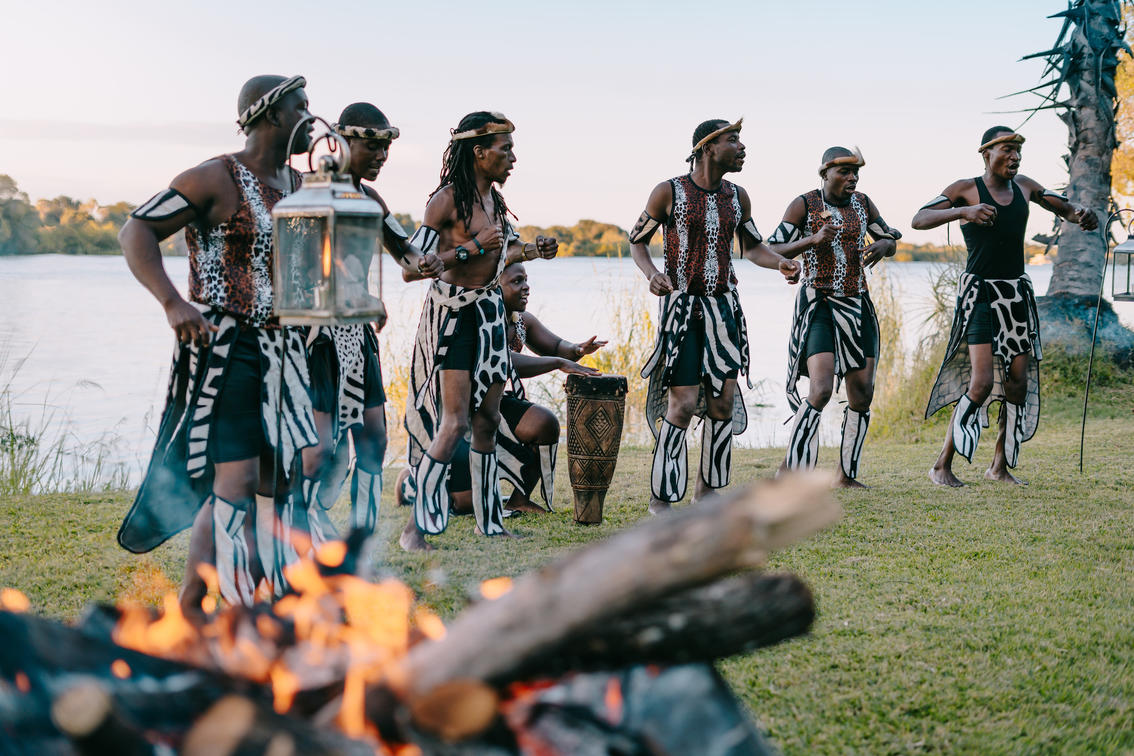
The annual Inkatha reed dance honours the king, with young women presenting woven mats. Jojho boys' initiations in the Matobo Hills test endurance through isolation and lore. These events, held June to August, coincide with cool-season game viewing in nearby Hwange National Park.
Ndebele Christianity fuses with ancestor veneration, seen in outsized cathedrals of Bulawayo. Their resistance during the 1893 Chimurenga uprising inspires modern pride, commemorated in oral histories around evening fires.
Ndebele walls stand as defiant canvases, each pattern a story of migration, marriage, and might.
Tonga and Other Riverside Communities
Along Lake Kariba's shores, the Tonga people—around 150,000 strong—adapt to submerged ancestral lands flooded in the 1950s. Expert fishers navigate kapenta rigs under starlit skies, hauling sardine-like bounty feeding national markets. Their Gwembe Valley dialect carries tales of loss and renewal.
Tonga homes perch on stilts amid mopane trees, resilient against floods. Women pound maize in wooden mortars, trading dried fish for cloth in Binga markets. Spirit possession dances invoke nganga healers, blending with Methodist hymns introduced by missionaries.
Further north, the Tshwa San (about 5,000) roam Hwange's fringes as hunter-gatherers, their click languages echoing Kalahari kin. Lozi and Mbire groups till Zambezi floodplains, cultivating cotton amid hippo-haunted channels.
Preserving Minority Traditions
Conservation efforts support Tonga through community fisheries, yielding 20,000 tonnes annually from Kariba. San rock art in the Matobo, dated 2,000 BCE, draws researchers and respectful visitors. The best visiting window is September, when waters recede revealing petroglyphs.
Smaller Cultural Groups: Manyika, Ndau, and Kalanga
In eastern highlands, Manyika people terrace Honde Valley slopes for tea and bananas, their patrilineal clans trading gold from Chimanimani relics. Ndau in Chipinge weave intricate baskets, resisting cyclones with fortified villages. Kalanga in the south mine ancient Nkalanga ruins near Mashatu Game Reserve.
These groups, each under 500,000, enrich Zimbabwe's mosaic with unique tongues and crafts. Manyika ngoma drums pulse at full-moon rites, while Ndau spirit lions guard sacred pools. Travel itineraries with Encounters Africa weave these encounters into broader safaris.
Manyika: Highland farmers with Portuguese-era forts nearby.
Ndau: Basket masters amid Save River crocodiles.
Kalanga: Iron Age smiths preserving Khami World Heritage Site.
July brings clear skies for hiking Manyika trails, where mists cloak misty peaks at dawn.
What Are the Main Cultural Groups in Zimbabwe?
Zimbabwe hosts 16 primary ethnic groups, with Shona (75%), Ndebele (17%), and minorities like Tonga (5%) forming the core. Shona dominate central and eastern regions; Ndebele anchor the southwest. Others cluster by ecology: Tonga by lakes, San in arid west.
Languages number 16, all Bantu except San clicks. Religions blend animism (45%), Christianity (50%), with traditions like Shona bira persisting nationwide. Population distribution follows colonial boundaries, fostering regional identities.
For featured snippet clarity: The main cultural groups in Zimbabwe are Shona, Ndebele, Tonga, Manyika, Ndau, Kalanga, and Tshwa San, each tied to specific landscapes and livelihoods.
Experiencing Zimbabwe's Cultural Diversity
Zimbabwe's cultural groups invite travellers into rhythms of resilience and ritual, from mbira nights to painted kraals. Pair these with wildlife safaris for holistic journeys—imagine tracking elephants by day, sharing sadza by firelight evenings. Encounters Africa crafts such seamless blends, prioritising ethical immersion.
For discerning travellers seeking private safaris beyond set itineraries, contact us directly. We specialise in designing exceptional, tailor-made journeys for individuals, couples, families, and private groups of up to eight guests. Drawing on our handpicked network of distinguished camps and lodges, we curate every detail with precision and care.
Zimbabwe's ethnic threads weave a tapestry resilient as its granite hills, inviting deep, respectful discovery.
Plan your cultural safari with Encounters Africa today. Reach out to tailor an itinerary exploring these vibrant communities alongside premier game reserves. Your journey into Zimbabwe's soul awaits.
More like this
Culture
Zimbabwe's Stone Age Legacy Shapes Modern Cultural Identity
Culture
African Cultures That Integrate Wildlife Into Daily Spiritual Practices
Culture
Among the Kenyan People and Culture, Rituals Speak Louder Than Words
Culture
Animals in African Spiritual Practices: Traditions Across the Continent
Culture
Botswana's Living Traditions: What Travelers Should Know Before Visiting
Culture