Culture
Why a Single Zulu Dance or San Story Can Redefine Your Southern Africa Itinerary
Encounters Africa - 10 min read
Updated on 1 July 2026
Southern Africa cultural moments have the power to transform a safari itinerary from a checklist of sightings into something far more resonant. A single Zulu dance performed at first light or an intimate San story shared around glowing coals can recalibrate how travellers perceive the entire landscape and its people. These encounters reveal living heritage that predates colonial borders by millennia and continue to shape communities today.
The region stretching from the Cape to the Zambezi offers far more than iconic wildlife. From the rhythmic complexity of a Xhosa intlombe to the delicate click sounds of a Nama storyteller, these cultural moments provide context that enriches every subsequent game drive and sundowner. Encounters Africa has witnessed countless guests return home describing one such interaction as the true highlight of their journey.
Understanding Southern Africa Cultural Moments
Southern Africa cultural moments are authentic exchanges that connect visitors with the living traditions of local communities. Unlike staged performances created purely for tourists, these experiences emerge from daily life, seasonal rituals or community-led initiatives that have evolved over generations. They range from participatory workshops to quiet observations that leave a lasting imprint.
What distinguishes them is their ability to shift perspective. A 45-minute interaction with a !Kung elder explaining tracking techniques can illuminate the vast Kalahari in ways that hours of driving never could. Similarly, hearing the layered harmonies of a Basotho choir transforms an otherwise ordinary village visit into a moment of genuine cultural connection.
One well-timed cultural encounter often illuminates more about a destination than any guidebook ever could.
These moments also support community economies in meaningful ways. When travellers engage with initiatives that return revenue directly to participants, they contribute to the preservation of traditions that might otherwise fade. Responsible operators ensure that cultural visits respect protocols around sacred knowledge and seasonal restrictions.
The Zulu Dance That Changes Everything
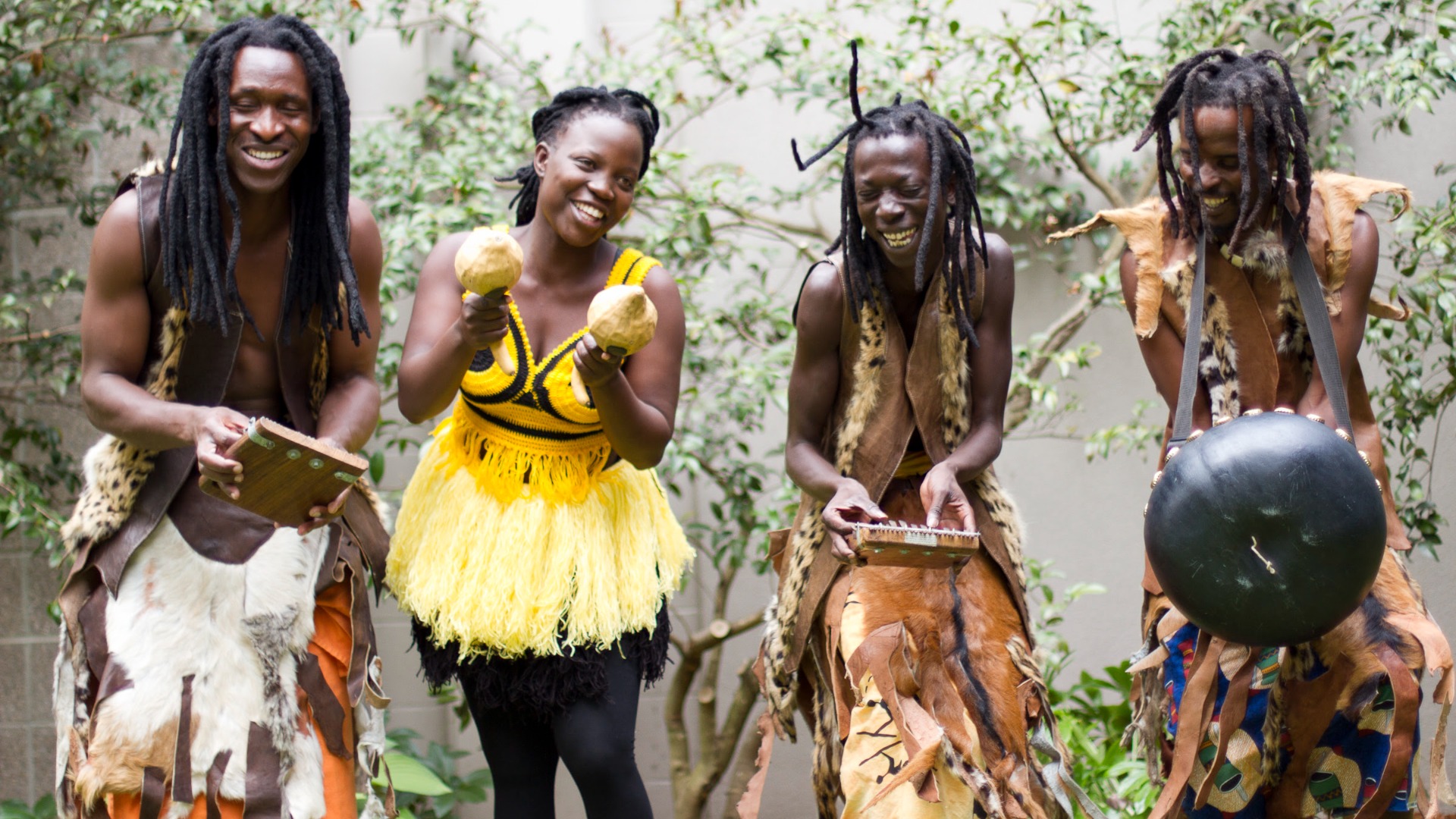
In South Africa, few experiences match the visceral power of witnessing a traditional Zulu dance. The thunder of bare feet on hard-packed earth, the flash of beadwork catching sunlight, and the deep resonance of male voices create an atmosphere that resonates in the chest long after the final drumbeat fades. At certain community projects near Hluhluwe–Imfolozi Park, these dances remain integral to important ceremonies rather than tourist entertainment.
Travellers staying at Bwindi Lodge or similar properties with strong community links can arrange visits that coincide with actual celebrations. The difference is palpable. Instead of choreographed routines, guests witness living tradition where every movement tells a story of ancestry, resilience and identity. One guest described the experience as feeling the heartbeat of the land itself.
Participating respectfully requires understanding basic protocols. Women should cover shoulders and knees, photography follows the lead of community elders, and applause is replaced by ululating appreciation. These small adjustments demonstrate respect that deepens the connection for everyone involved.
Timing Your Zulu Cultural Encounter
The optimal window for experiencing authentic Zulu dance falls between May and September when many ceremonies align with cooler weather. However, specific dates vary by community. Working with knowledgeable operators ensures visits respect cultural calendars rather than tourist schedules.
Smaller, community-owned projects typically welcome no more than eight visitors at once, creating an intimate atmosphere impossible in larger venues. This limited access explains why many travellers remember their Zulu dance experience decades later while other details fade.

San Storytelling Under the Kalahari Sky
Perhaps no southern Africa cultural moments carry quite the same otherworldly quality as sitting beneath an infinite Kalahari sky listening to !Kung or Khwe San storytellers. Their narratives don't simply entertain but encode practical knowledge about tracking, medicinal plants, and celestial navigation that sustained these communities for over 20,000 years.
The distinctive click consonants of the San languages seem to mirror the night sounds around the fire. As the storyteller's hands shape invisible creatures in the air, listeners gradually understand they're receiving far more than entertainment. They're being given a different way of seeing the same landscape they'll traverse the following day.
The San understanding that stories are maps has reshaped how many travellers read the African wilderness.
Properties like !Xaus Lodge in the Kgalagadi have pioneered ethical approaches to sharing San culture. Guides from the community itself lead these sessions, determining what knowledge they wish to share and maintaining control over how their heritage is presented. This ownership represents a significant shift from earlier tourism models.
Why San Stories Matter More Than Ever
With only a few thousand fluent speakers of certain San languages remaining, these storytelling traditions face genuine threats. When travellers engage respectfully with communities preserving these languages, they become part of a larger story of cultural survival. Many San groups now use tourism revenue to fund language programmes for their children.
The best experiences happen when visitors arrive without expectations of performance. Some evenings the storytelling flows for hours. Other nights, the community may simply wish to share a meal and conversation. Both constitute authentic cultural moments that cannot be scheduled or replicated.
Basotho Choir Traditions and Mountain Voices
High in the Drakensberg mountains of Lesotho and neighbouring regions, the call-and-response patterns of Basotho choral singing create some of the most haunting southern Africa cultural moments. These songs, often performed a cappella, carry history, protest, celebration and prayer within complex harmonic structures that Western ears struggle to analyse yet immediately feel.
Community choirs in remote mountain villages maintain these traditions as living practice rather than heritage display. A visit arranged through lodges with genuine local partnerships might include joining a choir rehearsal where participants gradually invite visitors to add their voices to the refrain. The experience of blending one's voice with centuries-old harmonies creates an emotional connection that transcends language barriers.
These choral traditions gained international recognition when groups like Ladysmith Black Mambazo brought adapted versions to global audiences. Yet hearing the music in its original context, surrounded by the mountains that inspired it, reveals layers that recordings cannot capture.
Venda Drum Rituals and Sacred Knowledge
In the northern reaches of South Africa, Venda drum traditions represent some of the most sacred southern Africa cultural moments. The intricate polyrhythms played on sacred drums during initiation ceremonies encode knowledge passed only to initiated members of the community. While certain aspects remain private, visitors can respectfully witness public elements of these traditions through carefully managed cultural tourism projects.
The sound of these drums carries across valleys, seeming to emerge from the earth itself. Each rhythm pattern tells a specific story or invokes particular ancestral spirits. Understanding even basic elements of this musical language transforms how travellers hear the landscape around them.
The Venda relationship between music, ancestry and landscape offers one of the most profound examples of living cultural heritage in southern Africa.
Respectful Engagement with Sacred Traditions
Access to Venda cultural experiences requires working exclusively with operators who have established relationships with specific communities. These partnerships have taken years to develop and include agreements about what can and cannot be photographed or recorded. Such protocols protect both the integrity of the traditions and the privacy of participants.
The most meaningful visits often involve practical activities alongside observation. Learning basic drum patterns from patient teachers creates connection far beyond passive spectatorship. Many travellers report that attempting these complex rhythms gave them new appreciation for the skill involved.
Practical Ways to Incorporate Cultural Moments
Integrating southern Africa cultural moments into an existing itinerary requires thoughtful planning rather than simply adding activities to a schedule. The most successful approaches involve building flexibility into daily programmes, allowing space for spontaneous opportunities that arise through genuine community connections.
Working with specialists like Encounters Africa ensures that cultural visits complement rather than compete with wildlife experiences. A morning spent tracking with San guides often heightens afternoon game drives by providing deeper understanding of animal behaviour and environmental cues.
Common Questions About Cultural Experiences in Southern Africa
How do I ensure my visit is respectful rather than intrusive? Choose operators with established community partnerships who can explain protocols in advance. Be prepared to follow local guidance regarding photography, appropriate dress, and when participation is welcome versus observation only. The most respectful visitors arrive with curiosity rather than expectations.
Can I experience these moments without joining a large group? Absolutely. Many of the most powerful encounters happen in small groups of six or fewer. Private cultural visits can be arranged through operators who maintain exclusive relationships with specific communities. This approach allows for more natural interaction and greater respect for community preferences.
Will these experiences feel authentic or staged? When arranged through reputable channels, the majority of southern Africa cultural moments retain their integrity because they remain connected to living practice rather than created purely for visitors. The key lies in supporting initiatives where communities maintain control over how and when they share their heritage.
How much time should I allocate? While some experiences last under an hour, the most rewarding cultural moments often unfold over several hours or even across multiple visits. Building at least two dedicated cultural days into a two-week itinerary allows breathing room for deeper engagement.
The Lasting Impact of Cultural Encounters
The true measure of any southern Africa cultural moment lies in how it continues to resonate long after returning home. Many travellers find themselves viewing wildlife differently after learning San tracking techniques. Others discover new appreciation for the complex social structures underlying seemingly simple village scenes.
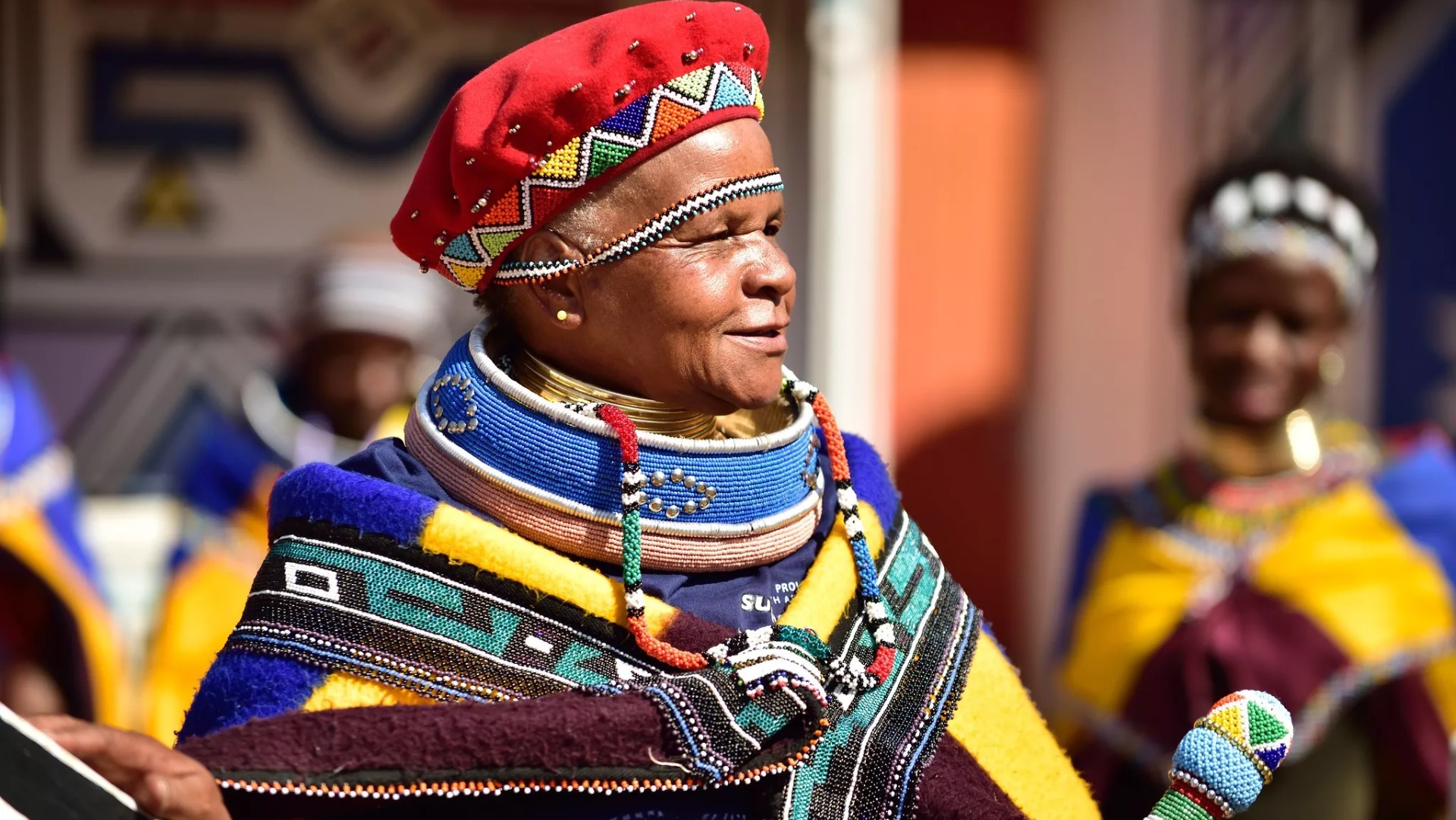
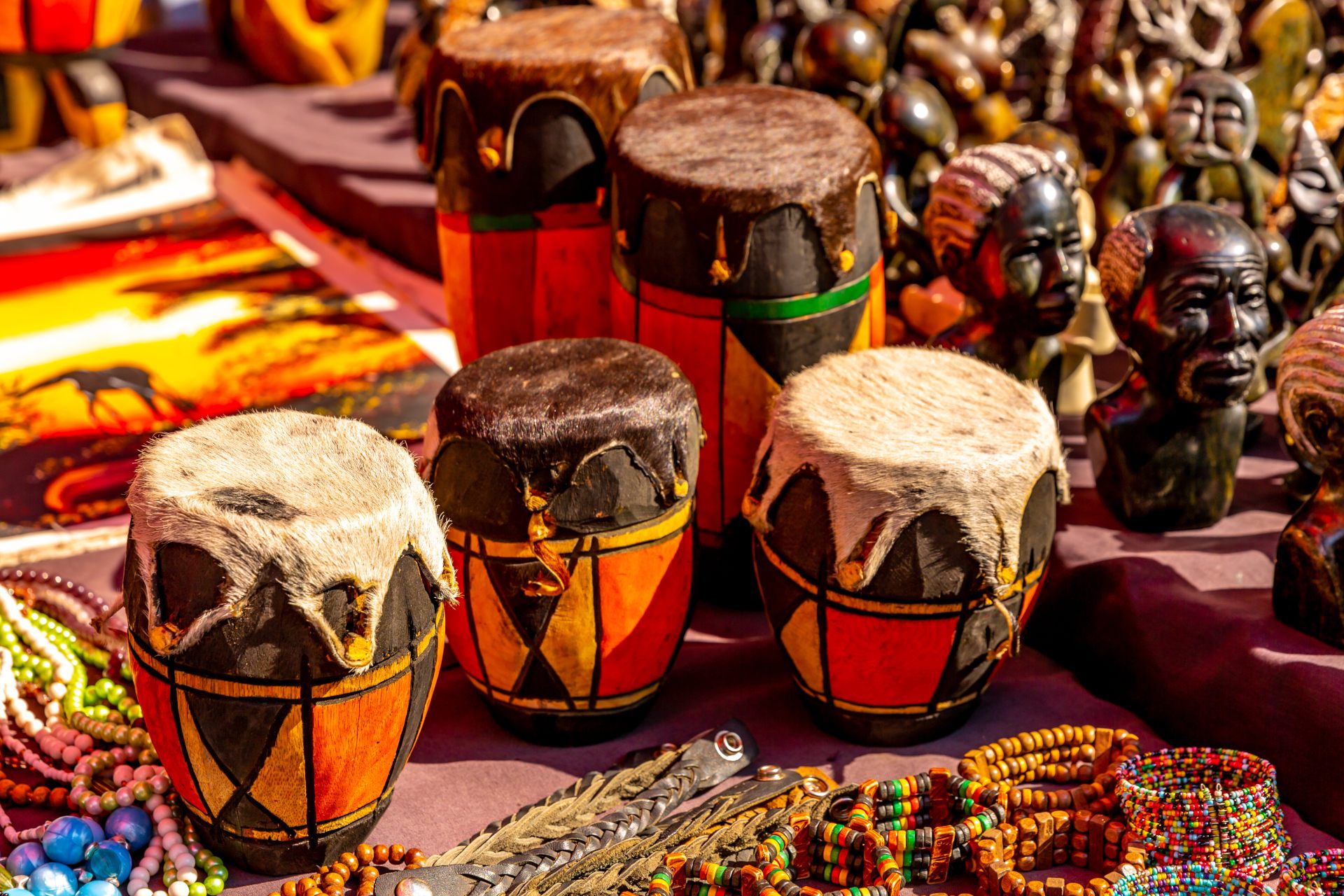
These experiences also create unexpected connections between seemingly disparate elements of a journey. A Ndebele beadwork pattern spotted on a roadside stall suddenly connects to stories heard around a campfire. The layered meaning of a particular landscape feature becomes clear only after hearing its associated oral history.
What begins as a brief cultural interlude frequently becomes the thread that ties an entire journey together in memory.
For discerning travellers seeking a private safari beyond our set itineraries, we invite you to contact us directly. We specialise in designing exceptional, tailor-made journeys for individuals, couples, families, and private groups of up to eight guests. Drawing on our handpicked network of distinguished camps and lodges, we curate every detail with precision and care, creating a seamless, deeply personal safari experience shaped entirely around your preferences, pace, and budget.
Planning Your Own Transformative Journey
Creating an itinerary rich in southern Africa cultural moments requires balancing spontaneity with careful preparation. The most rewarding experiences often arise when travellers remain open to changing plans based on opportunities that present themselves through trusted local partners. This flexibility distinguishes journeys that merely pass through landscapes from those that truly engage with them.
Consider how different cultural experiences might complement specific destinations. A visit to Chobe Game Lodge in Botswana gains new dimensions when paired with time spent learning about local Bayei traditions. Similarly, a journey through the Masai Mara transforms when combined with opportunities to understand parallel pastoralist traditions in neighbouring communities.
The most successful cultural itineraries maintain equilibrium between wildlife, wilderness and heritage. Rather than treating cultural moments as add-ons, they become integral threads woven throughout the entire journey. This integrated approach typically yields the richest travel memories.
Whether your interests lean toward musical traditions, oral histories, craft techniques or spiritual practices, southern Africa offers countless doorways into deeper understanding. The key lies in approaching these opportunities with genuine curiosity and appropriate respect for the communities who choose to share their living heritage with visitors.
Begin planning your culturally enriched southern Africa journey by reaching out to the team at Encounters Africa. Our specialists combine decades of on-the-ground experience with strong community relationships to create journeys where southern Africa cultural moments emerge naturally and meaningfully. The stories you carry home will likely be those shared around fires rather than sightings recorded in notebooks.
More like this

Culture
Why African Ceremonies Rely on Specific Animals for Spiritual Power

Culture
Why African Communities Honor Specific Animals in Daily Life and Ceremony
Culture
Why South African Hospitality Traditions Shape Every Visitor Encounter
culture
Zimbabwe's Core Cultural Groups: Shona, Ndebele, and Beyond
Culture
Zimbabwe's Stone Age Legacy Shapes Modern Cultural Identity
Culture