Culture
Why South African Hospitality Traditions Shape Every Visitor Encounter
Encounters Africa - 11 min read
Updated on 30 July 2026
South African hospitality traditions shape every visitor encounter through a deep-rooted ethos of ubuntu, the belief that a person is a person through other people. This cultural foundation influences how travellers are welcomed into homes, shared meals, and community spaces across the country, creating connections that linger long after departure. The approved excerpt captures how Zulu beadwork rituals, Xhosa initiation ceremonies and Cape Malay culinary heritage blend into daily life, fostering community resilience while offering travellers meaningful connections beyond the safari circuit.
From the vibrant streets of Cape Town to the open landscapes of the Eastern Cape, these traditions reveal themselves in gestures both subtle and grand. A warm greeting, a shared story around the fire, or an invitation to participate in a simple ritual can transform a standard visit into something far richer. Encounters Africa has witnessed how these elements turn every interaction into an opportunity for genuine exchange.
The Philosophy of Ubuntu and Its Role in Hospitality
Ubuntu forms the cornerstone of South African social life, emphasising interconnectedness, compassion, and mutual respect. This philosophy dates back centuries and continues to guide how communities interact with one another and with visitors from afar. It explains why a stranger might be offered a seat at the family table or why a lengthy conversation takes precedence over a tightly scheduled itinerary.
In practice, ubuntu manifests through countless small acts that collectively create an atmosphere of belonging. Whether in a township guesthouse or a remote village, hosts often prioritise the comfort and dignity of their guests above formal protocols. This approach stands in contrast to more transactional styles of hospitality found elsewhere, offering instead a sense of being truly seen and valued.
Ubuntu reminds us that our humanity is bound together. In South Africa, this truth turns every welcome into an act of recognition that enriches both host and visitor alike.
How Ubuntu Influences Daily Interactions
Daily life across South Africa reflects ubuntu in the way people greet one another, share resources, and resolve differences. Travellers quickly notice that time spent in conversation holds greater importance than punctuality in many settings. This cultural priority encourages deeper connections and more memorable experiences.
Guides and lodge staff often draw on this philosophy when sharing knowledge about local customs or wildlife. Their willingness to listen as well as teach creates a two-way exchange that elevates the entire journey. For those travelling with Encounters Africa, these interactions become integral to understanding the destinations we know so well.
Zulu Traditions and Their Enduring Influence on Welcoming Guests
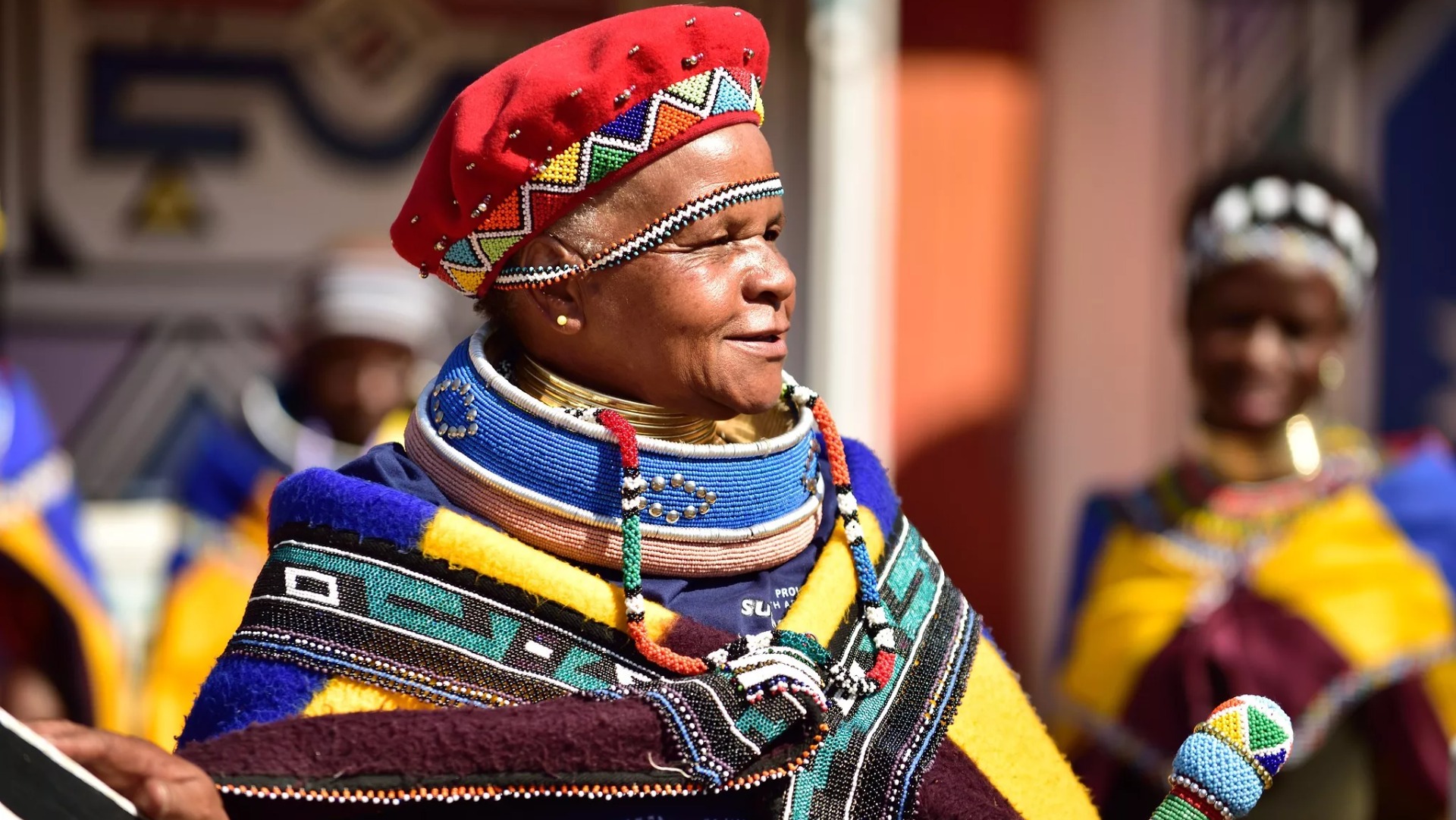
The Zulu people, South Africa's largest ethnic group with over 11 million members, maintain rich traditions that shape how visitors are received. Beadwork serves not merely as decoration but as a sophisticated language conveying status, emotion, and history. When guests are presented with beaded items, they receive far more than a souvenir; they are given a piece of cultural narrative.
In rural KwaZulu-Natal, homestead visits often include opportunities to learn basic Zulu phrases or observe traditional dances. These experiences are offered with genuine enthusiasm rather than obligation, reflecting the cultural value placed on sharing heritage. The colourful beadwork and rhythmic movements create sensory impressions that stay with travellers for years.
Modern interpretations of Zulu hospitality appear in urban settings too, where contemporary artists and chefs blend ancestral knowledge with innovative approaches. This fusion creates spaces where tradition feels alive and relevant rather than preserved in amber.
The Significance of Beadwork in Social Bonds
Zulu beadwork communicates specific messages through colour combinations and patterns. Red might signal strong emotion while blue represents fidelity. When hosts present guests with carefully chosen pieces, they extend both welcome and a subtle invitation to understand deeper cultural meanings.
Learning to read these patterns, even at a basic level, opens new avenues for connection. Many lodges now include beadwork workshops where travellers can create their own pieces under the guidance of skilled artisans, fostering appreciation through direct participation.

Xhosa Cultural Practices and Their Impact on Community Connections
Xhosa traditions, prominent in the Eastern Cape where Nelson Mandela was born, emphasise respect for elders, ancestral connections, and rites of passage. The initiation ceremonies for young men, known as ulwaluko, represent crucial transitions that strengthen community bonds. While certain aspects remain private, the broader values of resilience and responsibility influence how Xhosa people engage with visitors.
Hospitality in Xhosa communities often centres around the concept of sharing what one has, however modest. Travellers might find themselves invited to simple meals featuring maize meal, wild spinach, or freshly slaughtered meat during cultural experiences. These shared moments create powerful memories that transcend language barriers.
The click consonants characteristic of the Xhosa language add musicality to conversations, making even basic greetings feel distinctive. Learning a few phrases demonstrates respect and frequently elicits warm responses from local people.
In Xhosa communities, the act of welcoming a stranger reaffirms the strength of the collective. Each shared meal or story becomes another thread in the rich cultural fabric that has sustained these people through centuries of change.
Initiation Ceremonies and Their Lasting Social Effects
Though the detailed rituals of initiation remain sacred and largely closed to outsiders, their emphasis on personal growth and community responsibility permeates Xhosa society. Young men who have completed these rites often carry themselves with noticeable dignity and purpose.
This cultural framework influences how Xhosa guides and hosts interact with travellers, bringing patience, wisdom, and a sense of responsibility to their roles. The resulting encounters frequently leave visitors with profound respect for the depth of South African cultural heritage.
Cape Malay Heritage and the Role of Food in Building Bridges
The Cape Malay community, descended from enslaved people brought from Southeast Asia, Indonesia, and East Africa during the Dutch colonial period, has contributed an extraordinary culinary legacy to South Africa. Dishes like bobotie, koeksisters, and fragrant curries reflect centuries of cultural blending and adaptation.
Food serves as a primary vehicle for hospitality in Cape Malay culture. Preparing and sharing elaborate meals represents both care and celebration. Travellers who participate in cooking classes in Bo-Kaap or attend private dinners often describe these as highlights of their journey, creating connections through the universal language of flavour.
The distinctive architectural style of Cape Malay homes, with their brightly painted façades, further enhances the welcoming atmosphere. Walking through these historic neighbourhoods while learning about the community's history provides valuable context for understanding contemporary South African society.
Culinary Traditions That Tell Stories
Each Cape Malay dish carries history within its ingredients and preparation methods. The subtle use of spices tells tales of ancient trade routes while the sweet-savoury combinations speak of resourceful adaptation to new circumstances. When hosts explain these stories, they transform a simple meal into a cultural lesson.
Many lodges and experiences now incorporate Cape Malay elements into their offerings, allowing travellers to taste history while supporting local communities. This approach exemplifies how traditional hospitality continues to evolve while maintaining its essential warmth.

How These Traditions Create Meaningful Connections Beyond Wildlife Experiences
While South Africa's wildlife and landscapes draw many visitors initially, it is often the cultural encounters that prove most transformative. The hospitality traditions rooted in ubuntu, Zulu, Xhosa, and Cape Malay heritage create spaces where genuine human connection can flourish. These moments complement rather than compete with safari experiences, offering a more complete understanding of the country.
Community-based tourism initiatives have grown significantly since the end of apartheid in 1994, with over 200 conservancies now involving local people directly in tourism benefits. This shift has strengthened cultural preservation while providing sustainable income sources. Travellers who choose experiences that support these initiatives often find their visits carry greater meaning.
The sensory richness of these encounters - the aroma of slow-cooked curries, the rhythm of traditional drums, the intricate patterns of beadwork - creates lasting impressions. Many return home not only with photographs but with new perspectives on community, resilience, and what it means to welcome others.
South African hospitality does not merely accommodate visitors; it invites them to participate in the living culture. Through shared meals, stories, and rituals, travellers become temporary members of a broader human family bound by mutual respect.
Practical Ways to Engage Respectfully with South African Cultural Traditions
Approaching South African cultures with respect and openness yields the most rewarding experiences. Simple gestures such as learning basic greetings in local languages demonstrate appreciation and often unlock warmer interactions. Taking time to listen without imposing external judgements shows the kind of humility that resonates with ubuntu values.
When visiting communities or participating in cultural experiences, asking permission before taking photographs and respecting any boundaries regarding sacred practices proves essential. Many hosts appreciate questions that show genuine interest rather than superficial curiosity. Supporting local artisans by purchasing directly from makers rather than tourist shops helps sustain traditional crafts.
Choosing accommodations and experiences that work directly with communities ensures that economic benefits remain local. This conscious approach aligns personal values with the hospitality traditions that make South Africa distinctive.
Common Questions About Experiencing South African Hospitality
What is the best way to prepare for cultural encounters in South Africa? Research basic customs and phrases before arrival. Approach every interaction with curiosity and respect. Be prepared for flexibility in timing as relationships often take precedence over schedules. Consider joining experiences offered through reputable operators who work closely with local communities.
How can travellers ensure their visits benefit host communities? Select experiences that clearly demonstrate how revenue supports local people. Purchase crafts directly from makers when possible. Show appreciation through attentive listening and respectful participation. These actions help sustain the very traditions that make encounters meaningful.
Is it appropriate to participate in traditional ceremonies as a visitor? Some ceremonies remain private while others welcome respectful observation or limited participation. Trusted local guides can advise on appropriate boundaries. When in doubt, follow the lead of your hosts and prioritise their comfort above personal curiosity.
Why South African Hospitality Traditions Shape Every Visitor Encounter
The hospitality traditions of South Africa do more than welcome visitors; they fundamentally shape how those visitors understand and remember their time in the country. Through ubuntu philosophy, Zulu beadwork rituals, Xhosa community values, and Cape Malay culinary heritage, travellers encounter a living culture that values human connection above all else.
These traditions have evolved over centuries while retaining their essential warmth and generosity. Today they offer travellers opportunities for meaningful exchange that complement the extraordinary wildlife experiences for which South Africa is rightly famous. The resulting journeys become richer, more nuanced, and ultimately more memorable.
Encounters Africa draws upon decades of experience to weave these cultural elements into thoughtfully designed journeys. Our deep relationships with local communities allow us to facilitate authentic encounters that honour both tradition and the dignity of our hosts. For discerning travellers seeking a private safari beyond our set itineraries, we invite you to contact us directly. We specialise in designing exceptional, tailor-made journeys for individuals, couples, families, and private groups of up to eight guests. Drawing on our handpicked network of distinguished camps and lodges, we curate every detail with precision and care, creating a seamless, deeply personal safari experience shaped entirely around your preferences, pace, and budget.
Conclusion
The hospitality traditions that permeate South African life represent far more than good manners or tourism strategy. They embody a worldview that recognises the inherent value in every person and the strength found in community. For travellers willing to engage with open hearts, these traditions offer some of the country's most profound gifts.
Whether learning to cook a traditional Cape Malay dish, listening to stories around a fire in a Zulu homestead, or simply accepting an offered cup of tea with genuine appreciation, each interaction builds bridges across cultures. These connections ultimately remind us that while landscapes and wildlife may draw us to Africa, it is the people who keep us returning in spirit long after our journeys end.
If the warmth of South African hospitality traditions resonates with you, we would be delighted to help craft an experience that brings these rich cultural elements to life. Please visit our enquiry form to begin a conversation about your perfect journey. Our team looks forward to creating a bespoke safari that honours both the magnificent landscapes and the extraordinary people who call South Africa home.
More like this
culture
Zimbabwe's Core Cultural Groups: Shona, Ndebele, and Beyond
Culture
Zimbabwe's Stone Age Legacy Shapes Modern Cultural Identity
Culture
African Cultures That Integrate Wildlife Into Daily Spiritual Practices
Culture
Among the Kenyan People and Culture, Rituals Speak Louder Than Words

Culture
Animals in African Spiritual Practices: Traditions Across the Continent
Culture