Culture
African Cultures That Integrate Wildlife Into Daily Spiritual Practices
Encounters Africa - 9 min read
Updated on 11 August 2026
African cultures that integrate wildlife into daily spiritual practices reveal a profound worldview where animals are not separate from humanity but integral to it. Communities across the continent embed wildlife into ceremonies and lore, treating elephants, lions and birds as messengers, ancestors or equals in a shared world rather than resources to be harvested. This perspective shapes everything from initiation rites to rain-making rituals, offering travellers a deeper lens through which to understand the landscapes they explore on safari.
Far from abstract folklore, these traditions remain vibrant today. They influence how local people interact with the natural world and, increasingly, how conservation efforts succeed when rooted in cultural respect. Encounters Africa has witnessed this interplay time and again, from the arid reaches of the Botswana salt pans to the high forests of Rwanda.
The Spiritual Role of Animals in African Cosmologies
Across diverse societies, wildlife occupies a central place in explanations of existence, morality and the afterlife. Animals are rarely viewed as mere symbols; they embody living forces that connect the visible and invisible realms. A lion’s roar at dusk might signal an ancestor’s warning, while the flight pattern of a particular bird could foretell rain or impending change.
This integration stems from centuries of close observation. Hunters, herders and farmers developed intricate knowledge of animal behaviour that merged with spiritual belief systems. The result is a holistic understanding in which harming certain species without proper protocol risks disturbing the delicate balance between community and cosmos.
Wildlife does not exist outside culture in many African societies; it pulses at the very heart of what it means to be human, bound by reciprocity, reverence and responsibility.
Ancestral Messengers and Shape-Shifters
In numerous traditions, specific animals serve as vessels for ancestral spirits. Among certain groups in South Africa, the python is revered as a link to forefathers who return to guide the living. Dreams featuring particular creatures are carefully interpreted by elders, often determining the timing of ceremonies or personal decisions.
Shape-shifting narratives appear frequently. A respected elder might be believed to assume the form of a leopard under the cover of night, patrolling territory or delivering justice. These stories are not dismissed as superstition but treated as explanations of phenomena that modern science has yet to fully illuminate, such as the mysterious ways animals seem to sense human intent.

Maasai Lion Traditions and the Dance of Respect
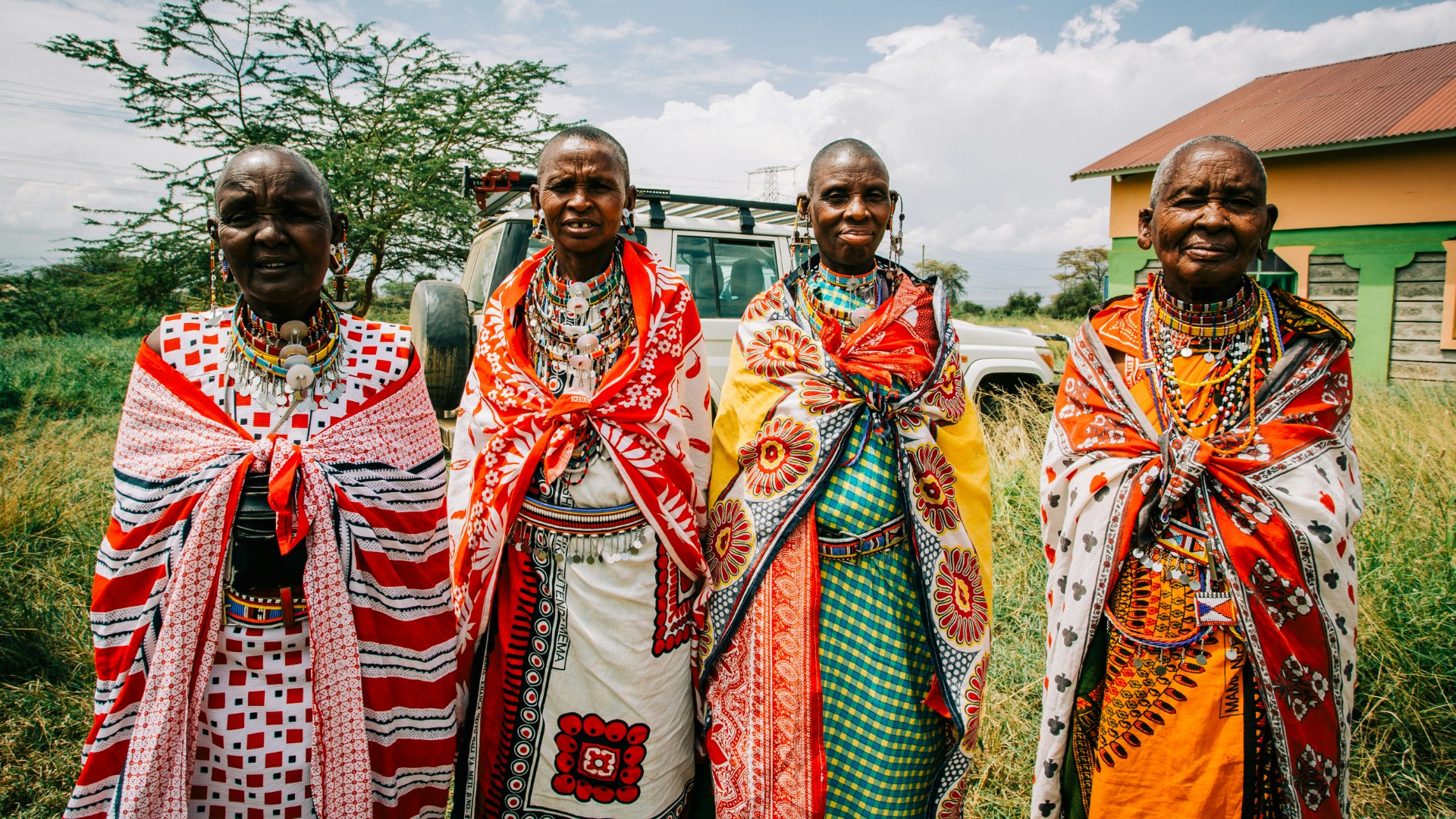
The Maasai of Kenya and northern Tanzania have one of the most documented relationships with lions, an animal both feared and honoured. Historically, a young warrior proved his courage by hunting a lion, yet this act was surrounded by elaborate rituals of atonement and gratitude. The lion’s spirit was thanked, its body treated with reverence, and its qualities absorbed into the community.
Today, as lion populations face pressure, many Maasai communities have transformed these traditions. Lion Guardians programmes channel cultural pride into protection rather than hunting. Warriors who once measured status by lion kills now earn respect by monitoring and safeguarding prides. This evolution demonstrates how living cultures adapt while retaining core spiritual values.
Visitors to the Masai Mara can witness elements of this reverence during community visits. Traditional dances still echo the lion’s power, and elders share stories that underscore the animal’s role as both adversary and kin. Such encounters enrich any safari, transforming game drives into windows on a living heritage.
To the Maasai, the lion is not simply a predator on the plain but a mirror in which a man sees his own courage and responsibility to the land that sustains him.
Elephants as Ancestors in Southern African Lore
In parts of Zambia and Botswana, elephants carry particular spiritual weight. Certain communities believe that the largest bulls are reincarnated chiefs or rain-bringers whose movements influence the success of crops and the filling of waterholes. Killing an elephant without following prescribed ceremonies could invite misfortune upon the entire village.
These beliefs have practical conservation outcomes. In the Okavango Delta, families near wildlife corridors often attribute good fortune to the passage of elephants past their homes. This fosters tolerance even when animals raid fields, an attitude that contrasts sharply with conflict elsewhere on the continent.
At Duba Plains Camp, guests frequently discuss these cultural dimensions with guides whose own families hold such beliefs. The conversations reveal how a single elephant crossing a floodplain at sunset can hold layers of meaning invisible to the casual observer.
The Power of Birds in Divination and Healing
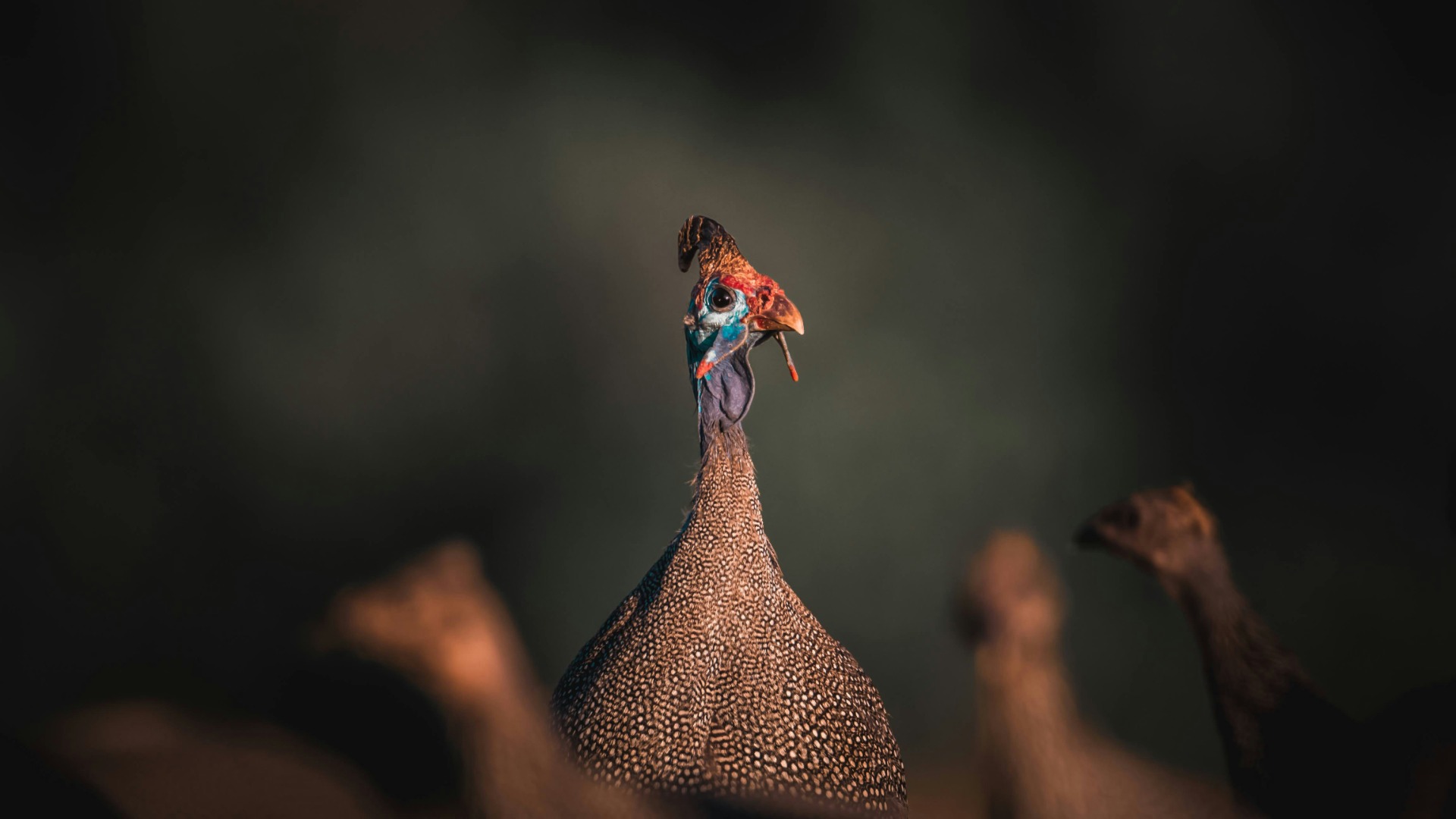
Birds occupy a unique position as messengers between worlds. In many West and East African cultures, the call of the ground hornbill at dawn signals important news or the need for communal reflection. Traditional healers listen carefully to avian voices when diagnosing spiritual ailments.
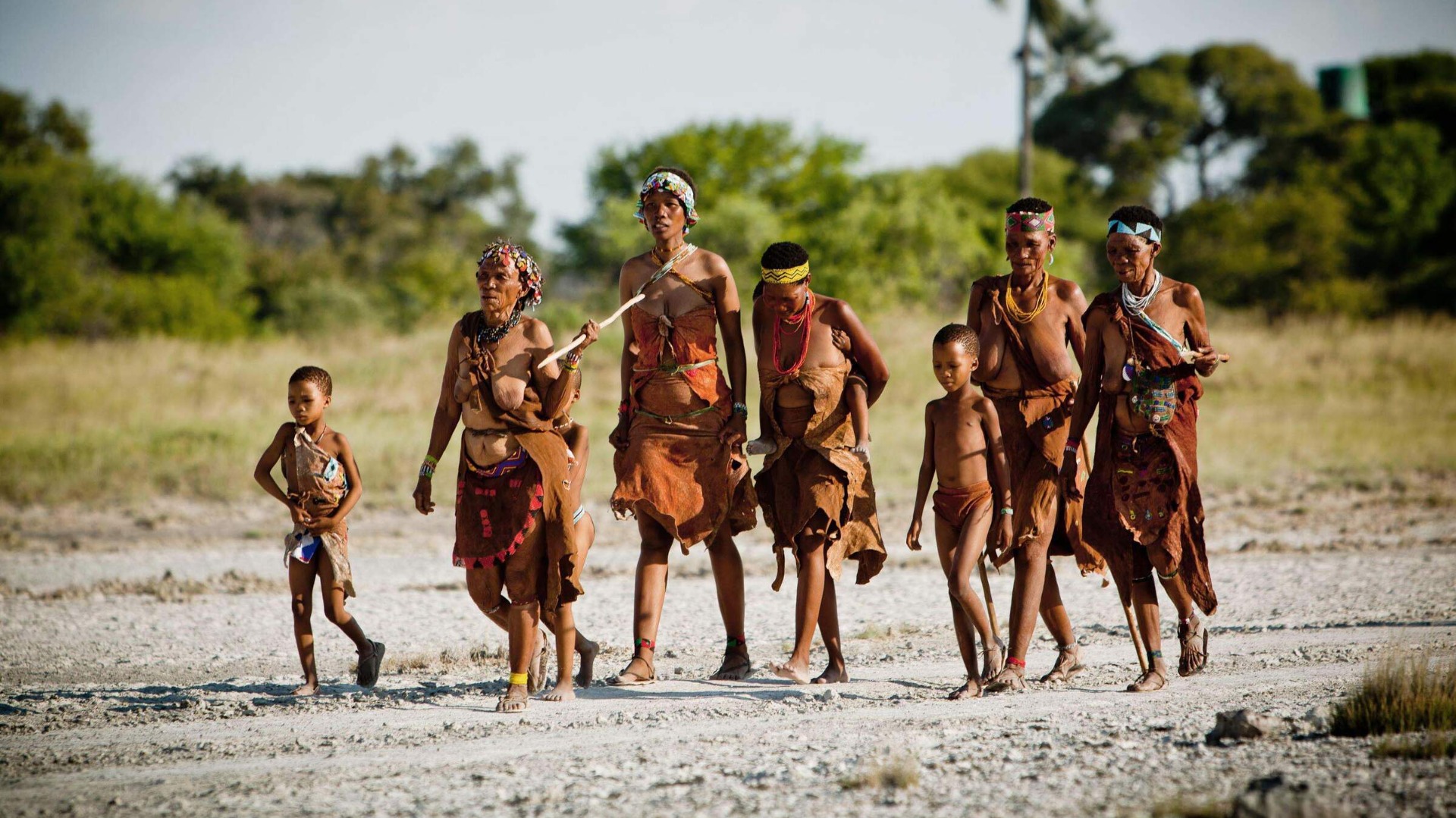
Among the San people of the Kalahari, certain birds are associated with specific healing dances. The feathers or images of these species appear in rock art dating back thousands of years, demonstrating the remarkable continuity of these practices. Modern San communities in Botswana still incorporate bird symbolism in storytelling and healing rituals.
Rituals That Honour Wildlife Throughout the Year
Seasonal ceremonies provide structured opportunities to acknowledge humanity’s dependence on the natural world. First-fruit festivals often incorporate animal imagery, while rites of passage for young people frequently require learning the ways of particular species before adulthood is granted.
In Uganda, certain communities perform rituals at salt licks where animals gather, viewing these sites as places where the boundary between human and animal realms grows thin. Participants offer prayers of gratitude for the continued presence of wildlife that sustains both body and spirit.
These ceremonies frequently coincide with natural phenomena. The arrival of migratory birds might trigger specific songs, while the first thunder of the wet season prompts dances that honour the animals soon to return to the plains. Timing is everything; missing the correct moment risks weakening the spiritual connection.
The calendar of African spiritual life is written in the movements of hooves, wings and paws, reminding us that time itself is measured by the rhythms of the wild.
How These Traditions Support Modern Conservation
Cultural beliefs that integrate wildlife into daily spiritual practices offer powerful foundations for contemporary conservation. When animals are seen as kin or ancestral representatives, the motivation to protect them stems from identity rather than external pressure. This intrinsic value often proves more enduring than financial incentives alone.
Successful projects increasingly work with traditional leaders and knowledge systems. In Rwanda, cultural reverence for the forests surrounding Volcanoes National Park has helped local communities support mountain gorilla protection. Similar patterns emerge across southern Africa where totemic animals receive special status.
Encounters Africa partners with communities where these traditions remain strong, ensuring that safari experiences respect local values while creating economic alternatives to practices that might harm wildlife. The result is tourism that honours both cultural heritage and ecological needs.
What Travellers Should Know Before Visiting Sacred Sites
Respect begins with awareness. Not all wildlife-related ceremonies are open to outsiders, and some sites carry restrictions based on gender, age or initiation status. Asking permission and following guidance from local hosts demonstrates the same reverence that these cultures extend to the animals themselves.
Photography may be limited or prohibited during certain rituals. Listening carefully to explanations of meaning often proves more rewarding than capturing images. Many communities welcome genuine interest expressed through thoughtful questions rather than assumptions.
Common Questions About African Wildlife and Culture
How do African cultures that integrate wildlife into daily spiritual practices differ from Western approaches to nature?
Many African traditions view humans and animals as part of one interconnected web rather than as separate categories of beings. This leads to relationships based on reciprocity and respect instead of primarily resource management. An animal might be both a source of food and a spiritual relative, requiring specific protocols for every interaction.
Are these beliefs still active in modern African societies?
Yes, though they manifest differently across urban and rural contexts. In many communities, traditional leaders continue to perform ceremonies, interpret animal signs, and advise on matters ranging from marriage to land use. Younger generations often blend these beliefs with Christianity, Islam or scientific education, creating rich syncretic worldviews.
Can travellers participate in wildlife-honouring ceremonies?
Participation varies widely. Some communities invite visitors to observe public elements of festivals or dances. Others prefer that outsiders learn through conversation and demonstration rather than direct involvement. Working with responsible operators ensures appropriate access that respects boundaries while supporting community livelihoods.

Experiencing Living Traditions on Safari
Thoughtful safari design can incorporate opportunities to meet communities that maintain strong connections with wildlife. Visits to cultural villages near Masai Mara National Reserve or community concessions in Botswana allow travellers to hear directly from those whose ancestors shaped these relationships over generations.
Guides with deep local knowledge often share insights that transform a simple wildlife sighting into something far richer. The silhouette of a lone bull elephant against the setting sun carries different resonance when one understands its possible significance as an ancestor or rain-bringer.
At lodges like Chobe Game Lodge or Angama Mara, cultural conversations form a natural complement to game drives. These discussions reveal how traditional knowledge enhances wildlife monitoring and supports anti-poaching efforts in meaningful ways.
Honouring the Bond Between Culture and Conservation
The ways in which African cultures integrate wildlife into daily spiritual practices offer profound lessons for our increasingly disconnected modern world. They remind us that meaningful conservation flows most naturally from deep relationship rather than distant regulation. When animals are family, ancestors or equals, their protection becomes an act of self-preservation and respect.
Travellers who approach these traditions with openness and humility return home changed. They carry not only photographs of magnificent creatures but an understanding of the intricate cultural tapestries that have sustained African wildlife through centuries of change. This knowledge enriches every future encounter with the natural world.
For discerning travellers seeking a private safari beyond our set itineraries, we invite you to contact us directly. We specialise in designing exceptional, tailor-made journeys for individuals, couples, families, and private groups of up to eight guests. Drawing on our handpicked network of distinguished camps and lodges, we curate every detail with precision and care, creating a seamless, deeply personal safari experience shaped entirely around your preferences, pace, and budget.
Discover how cultural connections can transform your understanding of African wildlife by exploring our Kenya safari collection or learning more about community-based conservation through a visit to the Central Tuli Block. Whatever your interests, Encounters Africa stands ready to craft an experience that honours both the animals and the rich human traditions that have protected them for generations.
More like this
Culture
Among the Kenyan People and Culture, Rituals Speak Louder Than Words
Culture
Animals in African Spiritual Practices: Traditions Across the Continent
Culture
Botswana's Living Traditions: What Travelers Should Know Before Visiting
Culture
Daily Rhythms Linking Wildlife Behavior to African Cultural Traditions
culture
Echoes of Tradition: Journeys Among Tanzania's Hadza and Datoga
Culture