destination guides
Why Leopard Sightings Excel in Sabi Sand Private Reserves
Encounters Africa - 9 min read
Updated on 31 August 2026
Leopards in Sabi Sand thrive because of vast contiguous private land, abundant prey, and skilled rangers who track them on foot and by vehicle. This dedicated section answers exactly why the area produces such consistent sightings. Encounters Africa, the specialist arm for safaris beyond Namibia, draws on three decades of combined experience to craft direct bookings with these lodges for individuals, couples, families and private groups of up to eight. Compare the landscapes in our guide contrasting Etosha and Kruger at comparing Etosha National Park and Kruger National Park.
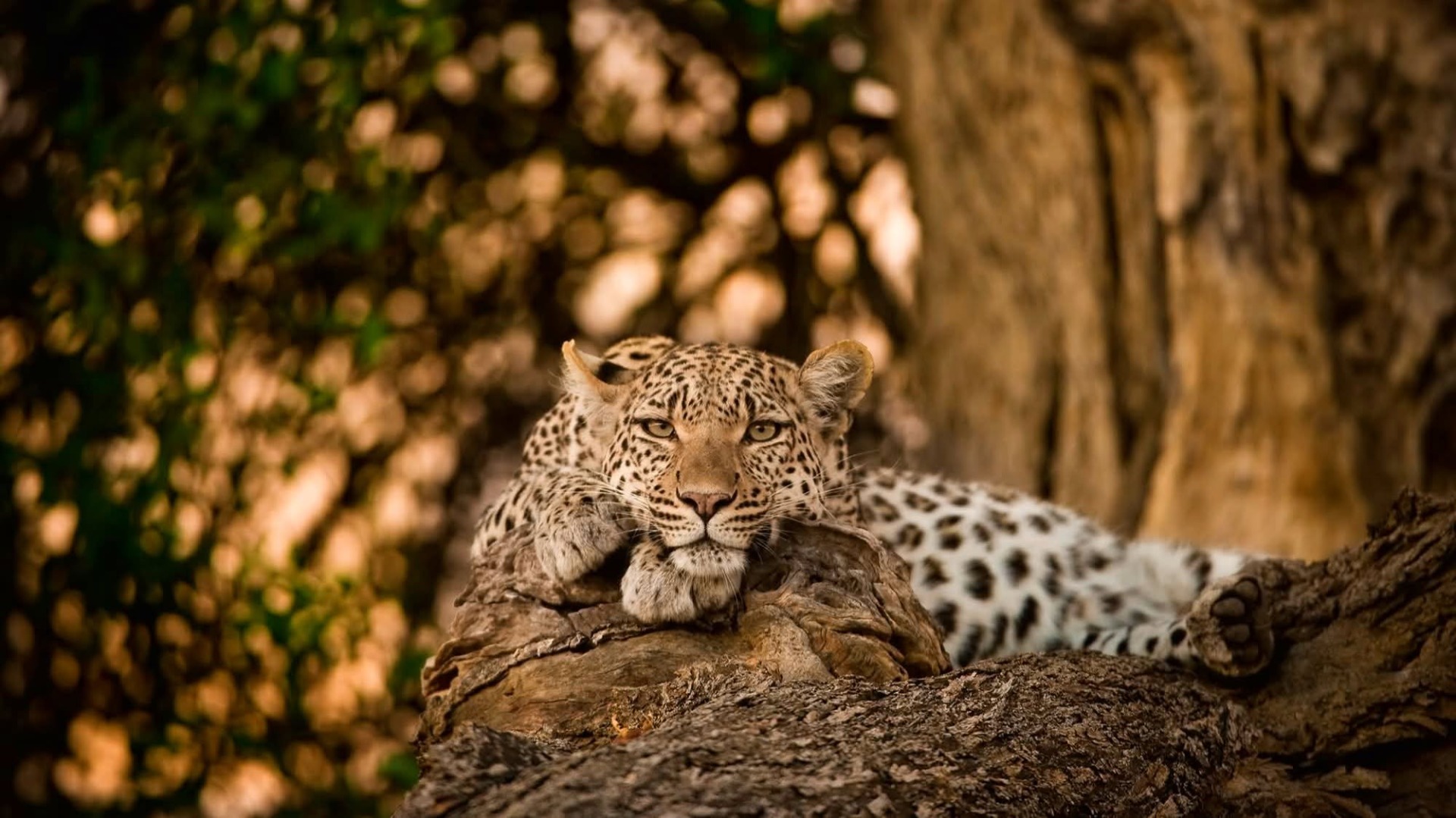
In the heart of South Africa's lowveld, where ancient leadwood trees cast long shadows across golden grasslands, the Sabi Sand Private Reserves offer an intimate window into the secretive world of leopards. Here, these elusive cats move with liquid grace through riverine thickets and open savanna, their rosettes catching the early morning light. For travellers drawn to predator behaviour rather than mere checklists, this region stands apart, delivering encounters that linger long after the dust has settled.
The Sabi Sand shares an unfenced boundary with the southern sector of Kruger National Park, creating a vast wilderness of more than 1,000 square kilometres where animals roam freely. Yet the private reserves bring something the national park cannot: exclusivity, flexibility, and a deep focus on individual animals whose territories overlap multiple properties. This combination has earned the area international recognition among those who return year after year seeking the thrill of spotting a leopard draped along a branch or stalking through tall grass.
The low rumble of a leopard's sawing call at dusk, answered from across the river, reminds us that these magnificent cats still rule the night in this corner of Africa.
Why Leopard Sightings Excel in Sabi Sand Private Reserves
The question travellers ask most often is simple: why does this relatively small area produce such reliable leopard sightings compared with elsewhere in Africa? The answer lies in a perfect alignment of habitat, prey availability, and human management that has allowed leopard densities to reach among the highest recorded on the continent, estimated at roughly one adult per three to four square kilometres in prime sections.
Thick riverine vegetation along the Sabie and Sand rivers provides ideal cover for ambush hunting while offering elevated resting spots in the form of towering jackalberry and nyala berry trees. Impala, the leopard's primary prey, occur in substantial numbers, supplemented by smaller antelope, warthogs, and the occasional baboon troop. Because the land is privately managed, vehicle numbers remain strictly limited, reducing disturbance and allowing the cats to maintain natural behavioural patterns.
Perhaps most significant are the traversing rights held by the private reserves. These legal agreements allow vehicles from neighbouring properties to cross boundaries in pursuit of specific animals, effectively multiplying the searchable area without increasing traffic density. Rangers share detailed knowledge of individual leopards' movements, territories, and even preferred hunting techniques, turning each game drive into a masterclass in predator ecology.
Success in finding leopards comes not from luck but from decades of accumulated knowledge about specific animals, their territories, and the subtle signs that reveal their presence.
Why is the Sabi Sand known for leopard sightings?
The Sabi Sand is known for leopard sightings because its unfenced connection to southern Kruger creates a vast contiguous habitat of over 1,000 square kilometres supporting high densities of prey species such as impala and nyala, while strict vehicle limits and traversing rights between reserves allow experienced rangers to track individual leopards with minimal disturbance. This combination of ecological richness and careful management has produced some of Africa's most habituated leopard populations, with many animals tolerating close vehicle approaches and displaying natural behaviours including hunting, territorial patrolling, and cub-rearing that visitors rarely witness elsewhere. Sightings average between 70 and 90 percent success rates during peak dry season months from June to September, when reduced foliage improves visibility and animals concentrate near watercourses.
The Advantage of Traversing Rights
Traversing rights represent one of the most important distinctions between private reserves and the national park. Under these agreements, lodges may send vehicles into adjacent properties when their resident guides are following a particular leopard or other charismatic animal. The system prevents territorial disputes between operators while dramatically increasing the effective viewing area for each guest.
Consider a typical scenario: a guide from one reserve picks up fresh tracks of the well-known female leopard known locally as Xikavi. Rather than stopping at the boundary, the vehicle continues across into neighbouring land where the cat's territory extends. Another guide from a different camp may join briefly to share observations before returning to their own concession. This collaborative approach benefits both the animals, which experience less repetitive pressure, and the travellers, who gain access to a far larger wilderness.
In South Africa, such arrangements have evolved over decades and now cover the majority of the Sabi Sand region. They create a unique model where conservation goals align with tourism objectives, ensuring that wildlife remains the priority while delivering exceptional guiding standards.
How Private Reserves Differ from Kruger National Park
While Kruger National Park offers vast scale and the chance to encounter the full spectrum of African wildlife, the private reserves surrounding it provide an entirely different pace and level of immersion. Where the national park operates with self-drive options and large rest camps, the private concessions maintain strict limits on visitor numbers, typically allowing no more than three vehicles at any sighting.
Night drives, which are prohibited in most of Kruger, become a highlight in the private reserves, revealing the nocturnal world of leopards, servals, and aardvarks under spotlight. Off-road driving permits rangers to position vehicles optimally for photography and observation without damaging sensitive vegetation or disturbing the animals. Walking safaris, conducted with armed and highly trained guides, offer the opportunity to read the smaller signs that reveal an ecosystem's hidden stories.
The difference extends to accommodation. Private lodges focus on personalised service, with private plunge pools, dedicated vehicles and guides for each group, and cuisine that reflects the surrounding landscape. In contrast, the national park provides more accessible options suitable for different styles of travel. Both have their place, yet for those seeking to understand leopard behaviour in depth, the private reserves offer unparalleled opportunities.
Where the national park delivers breadth, the private reserves provide depth, allowing travellers to follow the same leopard family across multiple days and witness the subtle nuances of their lives.
Best Times to Visit for Leopard Viewing
The dry winter months from June to September generally deliver the most consistent leopard sightings in the Sabi Sand. With reduced leaf cover and animals drawn to remaining water sources, visibility improves dramatically. Mornings and late afternoons often bring the most active periods, when these solitary cats patrol their territories or hunt.
During the green season from November to April, the landscape transforms into a lush paradise with newborn impala lambs providing easy prey for leopards with cubs. Though vegetation becomes thicker, the trade-off comes in the form of dramatic afternoon thunderstorms and the chance to witness breeding behaviour. Each season offers different rewards, and experienced operators can advise on the timing that best matches a traveller's interests.
Shoulder periods in October and May often provide an excellent balance, with fewer visitors and still-reliable sightings. Whatever the month, the combination of skilled tracking and intimate knowledge of individual animals ensures that leopard encounters remain a highlight throughout the year.
Conservation Success Stories
The leopard populations in the Sabi Sand and adjacent Kruger represent one of Africa's conservation bright spots. Through careful management, habitat protection, and community involvement, numbers have remained stable even as pressures increase elsewhere on the continent. Many lodges support long-term research projects that monitor specific individuals using camera traps and collaring programmes, contributing valuable data to scientific understanding.
These efforts extend beyond the cats themselves. By protecting the leopards' habitat, the reserves safeguard an entire ecosystem including the smaller species that form the base of the food chain. The economic benefits of responsible tourism provide strong incentives for surrounding communities to value living wildlife over alternative land uses.
Encounters Africa, as part of the Secret Namibia group, is the specialist arm for safaris beyond Namibia, covering South Africa, Botswana, Kenya, Tanzania, Rwanda, Uganda, Zambia and Zimbabwe. Drawing on three decades of combined experience, we book directly with these distinguished camps and lodges rather than through multiple agents, allowing us to shape each journey precisely around your interests and pace. Our 81 published itineraries can all be adapted to create seamless private experiences that may include time in the Sabi Sand followed by other premier destinations.
For those seeking to explore further, consider combining your Sabi Sand stay with time in the Okavango Delta through our carefully crafted multi-country journeys. One example is our 7-day Kruger and Okavango Delta luxury fly-in safari, which showcases the contrast between these iconic ecosystems while maintaining the highest standards of guiding and accommodation.
Planning Your Leopard-Focused Safari
Choosing the right private reserve and lodge within the Sabi Sand makes all the difference to your leopard viewing success. Properties such as those in the western sector near the Sand River often report higher densities of certain leopard families, while eastern lodges benefit from different prey dynamics and varied terrain. The most rewarding experiences come from spending at least three or four nights in one area, allowing your guide to build on each day's observations.
Photography enthusiasts should consider the positioning advantages offered by experienced guides who know exactly where to place the vehicle for optimal light and minimal disturbance. Families will appreciate the educational aspects of extended time spent with the same animals, watching how young leopards learn to hunt and establish their independence.
Whatever your reason for visiting, the Sabi Sand delivers something increasingly rare in modern Africa: the chance to connect deeply with wild places and the magnificent predators that call them home. Through thoughtful planning and the expertise of specialists who know these landscapes intimately, your journey can reveal not just leopards but an entirely new understanding of Africa's wild heart.
For discerning travellers seeking a private safari beyond our set itineraries, we invite you to contact us directly. We specialise in designing exceptional, tailor-made journeys for individuals, couples, families, and private groups of up to eight guests. Drawing on our handpicked network of distinguished camps and lodges, we curate every detail with precision and care, creating a seamless, deeply personal safari experience shaped entirely around your preferences, pace, and budget. Please visit our enquiry form to begin planning your Sabi Sand leopard safari with Encounters Africa.
More like this
destination guides
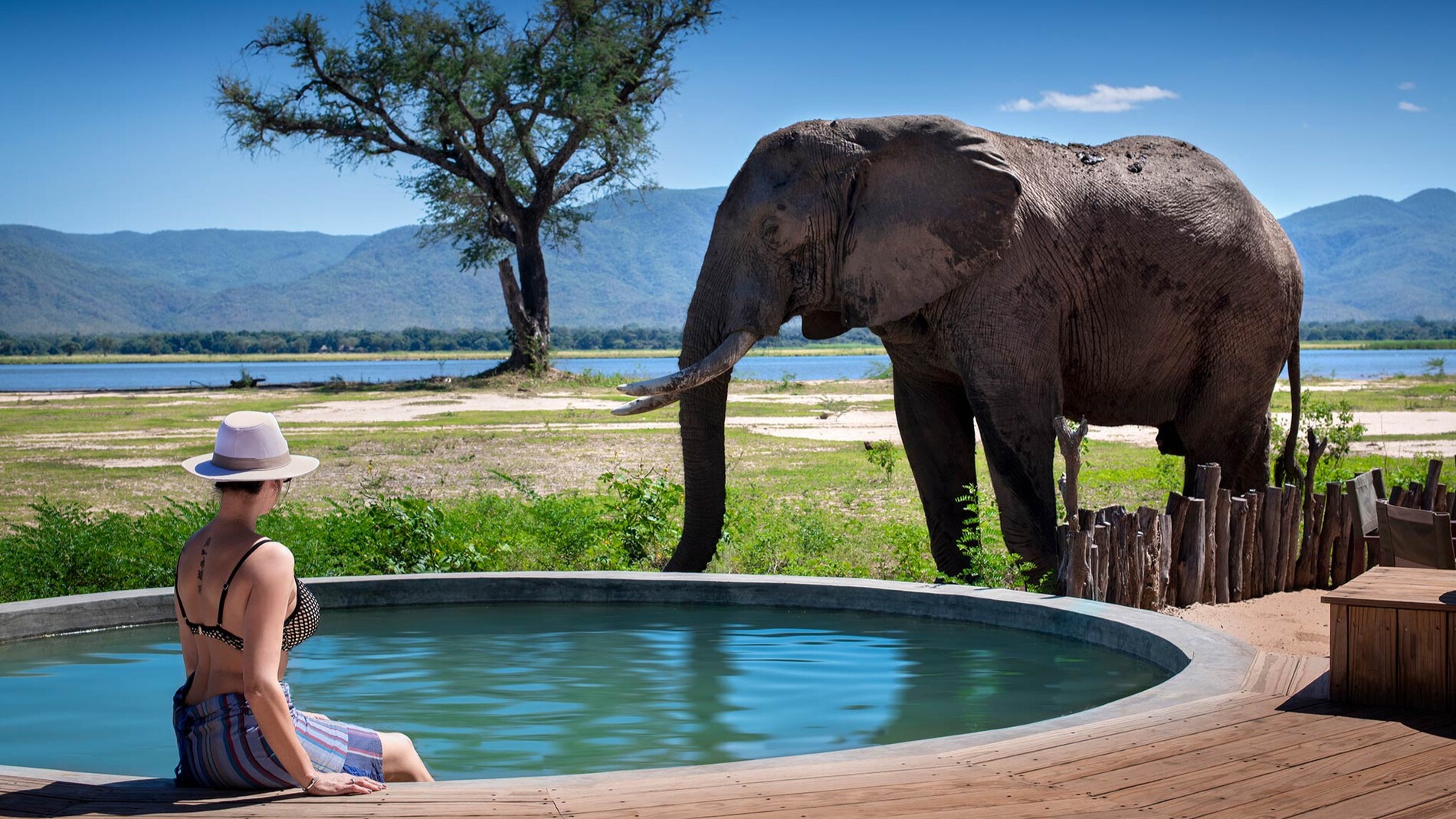
Why Mana Pools Demands Foot Safaris Among Towering Albida Trees
destination guides
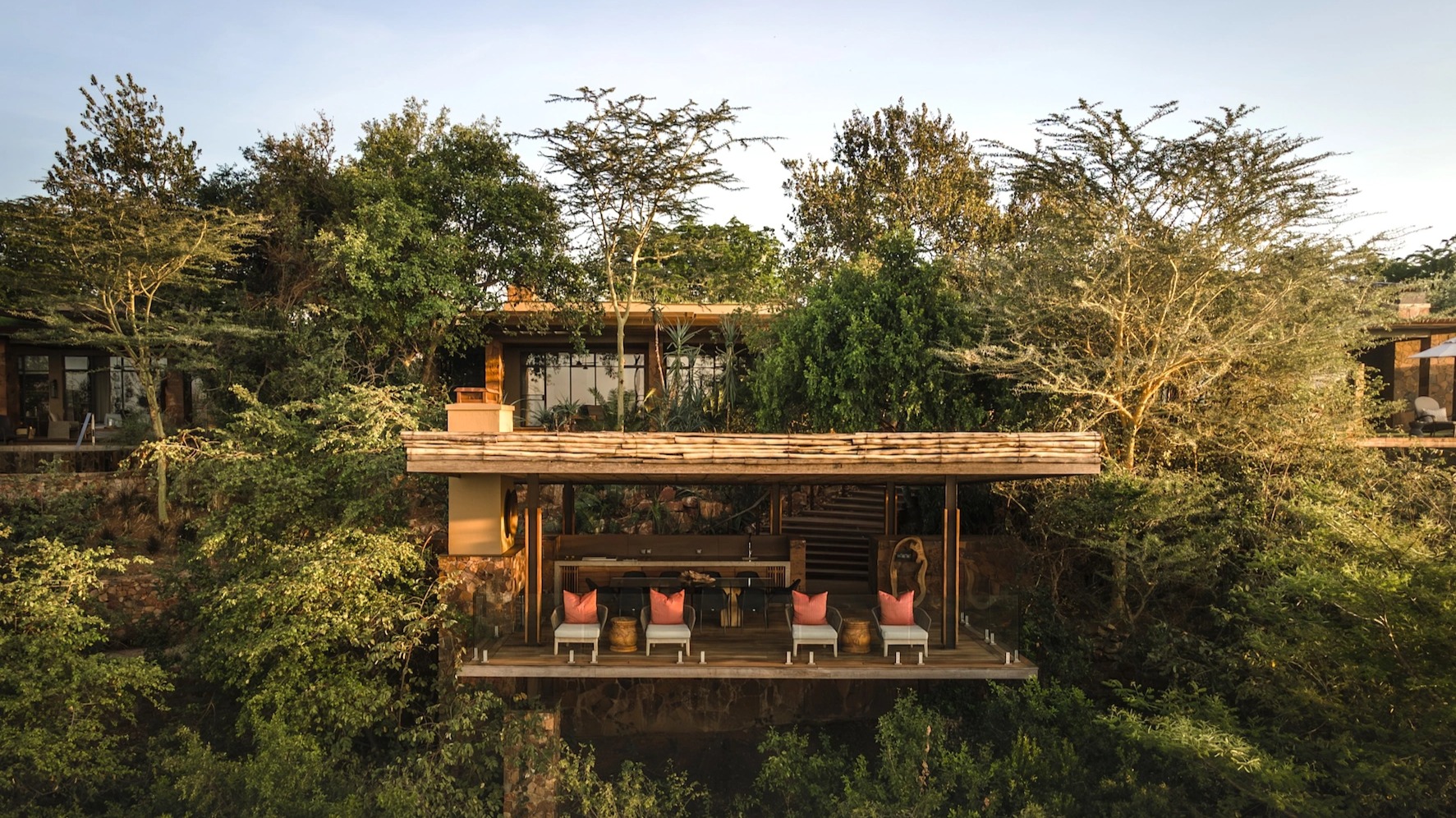
Why Singita Kilima Private Villa Redefines Secluded Family Safaris
destination guides
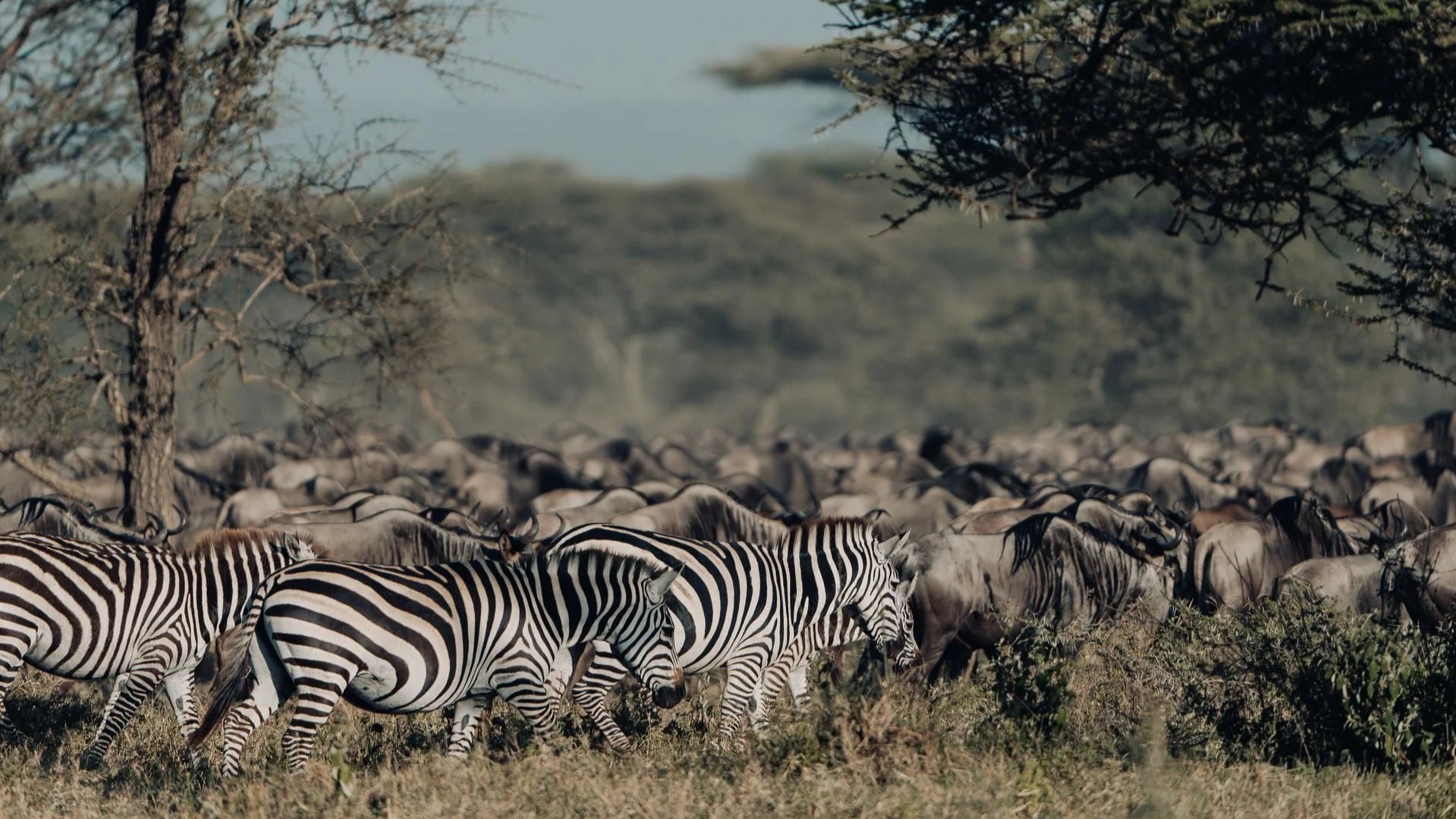
Why Tanzania's Southern Circuit Draws Far Fewer Visitors Than the Serengeti
destination guides
Why Your Third Safari Should Skip the Big Five Checklist
destination guides
Woodland Whispers: Settling into Phinda Forest Lodge's Treehouse Rooms
destination guides