Tips & Advice
Why Tanzania Rewards Careful Preparation Over Spontaneity
Encounters Africa - 10 min read
Updated on 17 June 2026
Planning a safari in Tanzania demands thoughtful preparation rather than last-minute decisions. The country's vast wildernesses, from the sweeping plains of the Serengeti to the towering slopes of Kilimanjaro, reward those who arrive informed about seasonal patterns, health requirements, and cultural nuances. A well-prepared journey not only ensures smoother travel but deepens connections with both landscapes and communities.
The best time to visit Tanzania is during the dry season from June to October, when wildlife congregates around water sources and vegetation is sparse, making game viewing exceptional. November to May brings the long and short rains, transforming the landscape into lush greens while offering fewer crowds and lower rates at many camps. Understanding these rhythms proves essential for aligning your expectations with reality across different regions.
Thoughtful preparation transforms a good safari into one that resonates long after the dust has settled on your boots.
Understanding Tanzania's Diverse Landscapes and Seasons
Tanzania encompasses an extraordinary range of environments within its borders. The northern circuit, including the Serengeti and Ngorongoro Crater, presents classic savannah experiences, while the southern parks like Selous and Ruaha offer more remote, less visited wilderness. Each area follows slightly different seasonal patterns that influence both wildlife behaviour and accessibility.
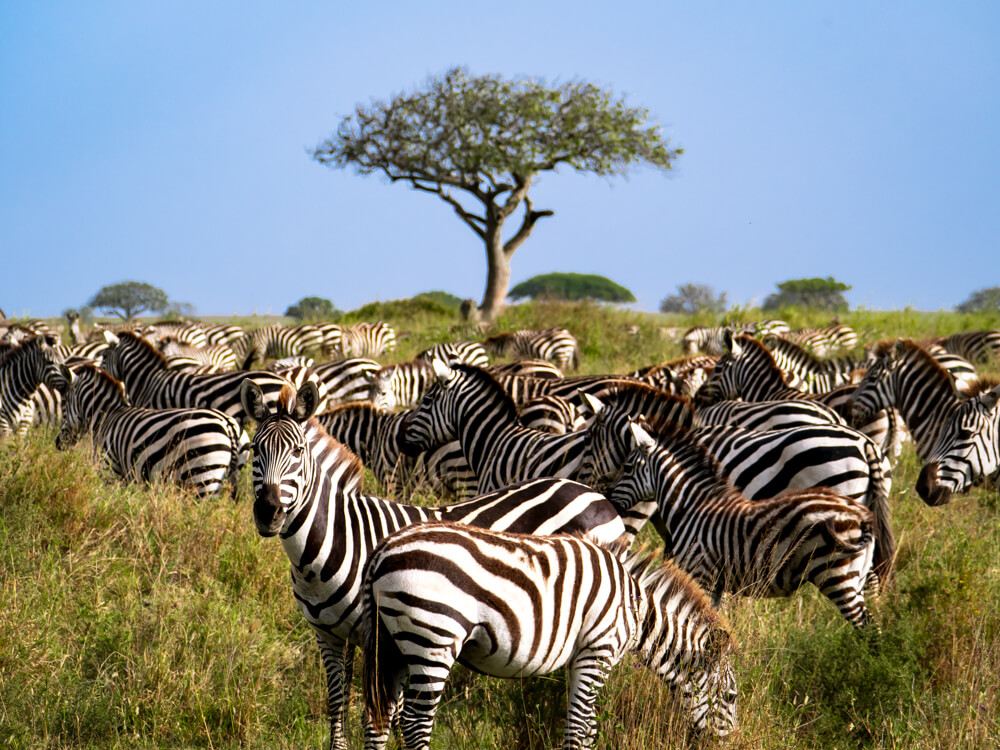
The Great Migration, involving approximately 1.5 million wildebeest and 200,000 zebra, follows a predictable yet dramatic cycle between the Serengeti and Masai Mara. River crossings typically peak between July and September in the northern Serengeti, though exact timing varies yearly. Visitors who time their journey around these events witness one of nature's most compelling spectacles.
Coastal areas and Zanzibar experience different weather influences from the Indian Ocean, with monsoon patterns affecting beach visits between March and May or November. Combining safari with beach time requires careful scheduling to avoid disappointing transitions between experiences.
When to Visit Different Regions
The northern parks offer reliable game viewing year-round, but the dry months from June to October provide the clearest advantage for photography and predator sightings. February and March in the southern Serengeti coincide with calving season, creating opportunities to witness predator-prey interactions on an enormous scale. Southern Tanzania experiences its optimal conditions from June to October as well, though its more remote nature means fewer vehicles and a stronger sense of exclusivity.
Western Tanzania, home to chimpanzees in Gombe and Mahale Mountains, sees optimal trekking conditions during the drier months. The mountainous regions around Kilimanjaro require specific timing for summit attempts, with January to March and June to October offering the most favourable climbing windows.
Health and Safety Preparations for Tanzania Safaris
Medical considerations form a non-negotiable part of any journey to Tanzania. Malaria remains prevalent in many areas, particularly during and after the rainy seasons. Starting prophylaxis two weeks before departure and continuing for four weeks after return represents standard medical advice. Consult a travel clinic at least six weeks before travel to discuss options suited to your health profile.
Yellow fever vaccination is required for entry if arriving from infected countries, and proof may be requested at immigration. Hepatitis A and typhoid inoculations offer protection against common travel-related illnesses. Pack a comprehensive medical kit including treatments for traveller's diarrhoea, insect repellent with at least 30% DEET, and prescription medications in original packaging with a doctor's letter.
Health preparations aren't merely checkboxes on a list; they safeguard the experiences that make African journeys unforgettable.
Navigating Medical Facilities and Insurance
While major cities like Arusha and Dar es Salaam have reasonable medical facilities, remote safari areas offer limited options. Comprehensive travel insurance covering medical evacuation proves essential, with coverage for activities such as light aircraft transfers between camps. Many lodges maintain relationships with air ambulance services that can reach most locations within hours.
Altitude considerations matter when visiting Ngorongoro Crater at 1,800 metres or climbing Kilimanjaro. Gradual acclimatisation and hydration help prevent mountain sickness. Always inform your guide about any pre-existing conditions before game drives or walks begin.
Practical Packing Advice for Tanzania's Variable Conditions
Layering remains key to comfort across Tanzania's contrasting environments. Neutral-coloured clothing in khaki, olive, and beige helps travellers blend into the environment while minimising disturbance to wildlife. Avoid bright whites, blues, and blacks that attract tsetse flies in certain regions. Long-sleeved shirts and trousers provide protection against both sun and insects during evening hours.
Sturdy walking shoes or boots prove valuable for guided walks in national parks, while lightweight trainers suffice for most lodge-based activities. A wide-brimmed hat, polarised sunglasses, and high-factor sunscreen protect against intense equatorial light. Binoculars with 8x or 10x magnification enhance game viewing, and a good camera with zoom lens captures memorable moments without needing to leave the vehicle.
Power banks and universal adapters become essential in remote areas where electricity may be limited or generator-dependent. Many camps now offer charging facilities, but having backup power ensures cameras and devices remain operational during extended game drives.
Essential Items Often Overlooked
Many first-time visitors underestimate the temperature drops after sunset, particularly in higher altitude areas like Ngorongoro. A warm fleece or lightweight down jacket adds comfort during early morning and evening activities. Reusable water bottles reduce plastic waste while ensuring constant hydration in the dry heat.
Insect repellent, head torch with spare batteries, and basic first aid supplies round out a practical packing list. Leave jewellery and valuable items at home, as safaris focus on experiencing wilderness rather than displaying wealth.
Cultural Respect and Community Engagement in Tanzania
Tanzania's cultural tapestry includes over 120 ethnic groups, each with distinct traditions and protocols. Learning basic Swahili greetings demonstrates respect and often unlocks warmer interactions with local staff and communities. A simple "Jambo" (hello) or "Asante" (thank you) can bridge cultural gaps effectively.
When visiting Maasai villages, asking permission before taking photographs shows basic courtesy. Many communities now manage their own cultural tourism initiatives, directing revenue back into education and healthcare projects. Choosing experiences offered through these community-led programmes supports sustainable development while offering authentic insights.
Photography etiquette extends beyond people to wildlife and landscapes. Always follow your guide's instructions regarding vehicle positioning and noise levels near animals. Some national parks maintain specific rules about drone usage and flash photography that vary between locations.
Respect for local customs and community initiatives creates connections that extend far beyond the duration of any safari.
Supporting Conservation Through Responsible Choices
Selecting accommodation makes a tangible difference to conservation outcomes in Tanzania. Many lodges contribute directly to anti-poaching initiatives, community development projects, and habitat restoration. Properties working closely with surrounding villages often demonstrate the strongest long-term conservation records.
Chem Chem Lodge near Tarangire National Park exemplifies this approach, supporting community conservancies that protect vital wildlife corridors. Similar partnerships exist throughout the country, creating economic incentives for communities to value living wildlife over alternative land uses.
Money, Communications and Logistics in Remote Areas
Cash remains king in many parts of Tanzania, particularly in national parks and remote lodges. While major credit cards are accepted in larger hotels and some camps, smaller operations work primarily with Tanzanian shillings or US dollars. ATMs in Arusha and major towns dispense local currency, but carrying sufficient dollars in small denominations prevents difficulties in areas with limited banking facilities.
Mobile coverage varies dramatically across the country. While 4G exists in major centres, many wilderness areas offer no signal whatsoever. Satellite communication devices or apps that work offline provide peace of mind for travellers concerned about emergencies. Most reputable operators maintain radio contact with their vehicles and lodges regardless of mobile coverage.
Internal flights on small aircraft impose strict weight limits, typically 15kg in a soft bag plus 5kg of hand luggage. Understanding these restrictions before packing prevents stressful repacking at the airport. Domestic carriers like Coastal Aviation and Auric Air maintain excellent safety records while connecting remote airstrips efficiently.
Common Questions About Visiting Tanzania
What vaccinations do I need for Tanzania? All travellers should be up to date with routine vaccinations including MMR, diphtheria-tetanus-pertussis, varicella, polio, and influenza. Hepatitis A and typhoid are strongly recommended. Yellow fever vaccination is required for those arriving from countries with risk of transmission. Malaria prophylaxis is advised for most areas below 1,800 metres.
How much should I budget for a Tanzania safari? Well-planned safaris typically range from $450 to $1,200 per person per day depending on accommodation standards, group size, and activities included. Private vehicles, specialist guides, and exclusive concessions command premium rates but deliver more personalised experiences. International flights, visas, and tips represent additional costs to factor into overall planning.
Is it safe to drink the water in Tanzania? Tap water is generally not safe for consumption. Most lodges provide filtered or bottled water for guests. Ice in reputable establishments is usually made from treated water, though caution remains advisable in smaller towns and villages.
Choosing the Right Safari Experience for Your Interests
Tanzania offers diverse safari styles beyond traditional game drives. Walking safaris in areas like Ruaha and Selous provide intimate perspectives on the bush, accompanied by armed rangers and expert naturalist guides. Hot air balloon flights over the Serengeti at dawn create magical memories, though they require advance booking during peak migration months.
Photographic safaris increasingly cater to travellers wanting dedicated time for capturing images, with specialised vehicles featuring bean bags and extended game drives at optimal light times. Cultural extensions to visit Hadzabe communities in northern Tanzania or learning about coffee production near Arusha add meaningful dimensions to wildlife-focused journeys.
For those seeking to combine countries, Tanzania pairs beautifully with neighbouring destinations. A journey that includes both Tanzania and Kenya allows travellers to follow the Great Migration across borders, while adding Rwanda creates opportunities to track mountain gorillas in Volcanoes National Park after experiencing East Africa's iconic plains.
Why Tanzania Rewards Careful Preparation Over Spontaneity
The country's sheer scale and seasonal complexity mean spontaneous travel often leads to disappointment or missed opportunities. Booking internal flights, park permits, and accommodation well in advance, particularly during peak migration periods, ensures access to the experiences that make Tanzania exceptional. Last-minute arrangements frequently result in compromised choices or significantly higher costs.
Working with specialists who understand both the destinations and the nuances of different properties allows for truly personalised itineraries. Encounters Africa curates journeys that balance classic wildlife experiences with meaningful community interactions and conservation contributions. Our deep knowledge of Tanzania's evolving landscape helps travellers make informed decisions about when and where to visit for their specific interests.
From understanding the subtle differences between experiencing the Serengeti during migration versus the green season to selecting the right type of accommodation for your comfort preferences, preparation elevates every aspect of the journey. The most rewarding safaris emerge from thoughtful planning that respects both the fragility and resilience of Tanzania's extraordinary ecosystems.
Planning Your Tanzanian Safari
Every successful journey to Tanzania begins with understanding that this is a destination that reveals its treasures to those who approach it with respect and preparation. The difference between an average safari and a transformative experience often comes down to seemingly small details: having the right clothing for variable temperatures, carrying sufficient local currency for staff gratuities, and choosing operators who prioritise both guest satisfaction and conservation outcomes.
For discerning travellers seeking a private safari beyond our set itineraries, we invite you to contact us directly. We specialise in designing exceptional, tailor-made journeys for individuals, couples, families, and private groups of up to eight guests. Drawing on our handpicked network of distinguished camps and lodges, we curate every detail with precision and care, creating a seamless, deeply personal safari experience shaped entirely around your preferences, pace, and budget.
Whether you're drawn to the drama of the Great Migration, the underwater wonders of Zanzibar, or the cultural richness of Tanzania's diverse communities, Encounters Africa crafts journeys that honour both the land and its people. Contact our team to begin designing your Tanzanian safari, and discover why careful preparation leads to the most rewarding African experiences.
Related reading: Learn more about understanding the Serengeti migration patterns or explore our guide to cultural experiences in Tanzania that complement traditional wildlife safaris.
More like this
Tips & Advice
Why Your First South African Journey Might Surprise You in the Best Ways
Tips & Advice
Why Your First Tanzanian Wildlife Encounter Demands These Specific Preparations
Tips & Advice
Deciding Between Mobile Tented Camps and Fixed Luxury Lodges in Africa
Tips & Advice
Essential Kruger National Park Wildlife Guidelines for Respectful Encounters
Tips & Advice
How Botswana’s Seasons Shape Your Safari Decisions
Tips & Advice