Tips & Advice
Why Your First South African Journey Might Surprise You in the Best Ways
Encounters Africa - 10 min read
Updated on 30 June 2026
First time visits in South Africa become invaluable when the country's sheer diversity begins to unfold. From the rugged coastline of the Cape Peninsula to the vast wildlife-rich plains of the Eastern Cape, this remarkable destination offers far more than the expected highlights of game drives and fine wines. A first journey here often surprises travellers with its cultural depth, varied landscapes and the warmth of its people, provided you arrive prepared.
South Africa reveals layers beyond its famous wildlife and vineyards when you know where to look. Drawing from real traveler stories, these insights cover everything from navigating city streets after dark to choosing authentic lodges that support local economies without sacrificing comfort.
Understanding South Africa's Diverse Landscapes and Climates
The scale of South Africa can catch first-timers off guard. Spanning nearly 1.2 million square kilometres, the country encompasses everything from Mediterranean-style weather in Cape Town to subtropical humidity along the Indian Ocean coast and arid conditions in the Karoo. Expect temperature swings of up to 15°C within a single day in certain regions, particularly during the shoulder seasons.
Many newcomers underestimate how dramatically the weather can shift between destinations. While the Western Cape enjoys a Mediterranean climate with wet winters, the malaria-free Eastern Cape and Addo Elephant National Park offer year-round accessibility with milder temperatures. Packing layers becomes essential rather than optional, especially when moving between coastal cities and inland game reserves.
The landscapes here have a way of shifting your perspective entirely. One moment you're sipping coffee with Table Mountain as your backdrop, the next you're watching elephants move through thicket in the Eastern Cape, each experience layering upon the last.
When to Visit for Your First Journey
The best time to visit depends entirely on what you hope to experience. Wildlife viewing peaks between June and September in many reserves when vegetation is thinner and animals gather at water sources. However, the flower season from August to October transforms the Namaqualand and parts of the Western Cape into carpets of colour that many travellers describe as life-changing.
Summer months from November to February bring warm weather ideal for beach visits along the Garden Route, though this coincides with peak holiday periods when popular destinations become busier. For those seeking a balance, the autumn months of March to May often provide pleasant temperatures with fewer crowds and more moderate prices.
Practical Safety Tips and Advice for Travelling South Africa
Safety concerns often dominate conversations about first time visits tips and advice in South Africa, yet with sensible precautions most travellers enjoy trouble-free experiences. The key lies in understanding that risks vary significantly between urban centres and safari areas. In cities like Cape Town and Johannesburg, awareness of your surroundings after dark matters far more than in the secure environments of private game reserves.
Using reputable transport services rather than flagging down taxis on the street represents one of the simplest yet most effective measures. Many lodges arrange private transfers that eliminate guesswork. When exploring urban areas during daylight hours, sticking to well-populated tourist routes and avoiding displaying expensive jewellery or cameras unnecessarily helps maintain a low profile.
Researching specific neighbourhoods before arrival proves worthwhile. Areas such as the V&A Waterfront in Cape Town offer vibrant, safe environments for evening strolls, while others require more caution after sunset. Local advice from your chosen accommodation often provides the most current and relevant guidance.
What many first-time visitors discover is that South Africa rewards those who travel with awareness rather than anxiety. The warmth of genuine encounters far outweighs the rare negative experiences when you approach the country with informed confidence.
Health Considerations and Medical Preparations
Malaria risks remain low in many popular destinations including the Cape, Garden Route and Eastern Cape. However, if your itinerary includes the northern reaches of KwaZulu-Natal or parts of Limpopo during summer months, consulting a travel clinic about preventative medication becomes advisable at least six weeks before departure.
Travel insurance that covers medical evacuation should be considered non-negotiable given the distances involved in some remote areas. Pharmacies in major centres stock familiar brands, but bringing a small supply of any prescription medication along with a copy of your prescription demonstrates prudent planning.
Choosing Accommodations That Matter
Selecting where to stay shapes your entire experience of the country. For discerning travellers seeking a private safari beyond our set itineraries, we invite you to contact us directly. We specialise in designing exceptional, tailor-made journeys for individuals, couples, families, and private groups of up to eight guests. Drawing on our handpicked network of distinguished camps and lodges, we curate every detail with precision and care, creating a seamless, deeply personal safari experience shaped entirely around your preferences, pace, and budget.
Properties that contribute meaningfully to their surrounding communities often provide the most memorable stays. Look for lodges demonstrating tangible support for local education, conservation or skills development programmes. Many excellent options exist across the country that balance comfort with conscience.
In the Eastern Cape, Camp Figtree Addo exemplifies how thoughtful design can complement rather than compete with the natural environment. Similarly, properties in the Cape Winelands frequently partner with local producers, creating connections that enrich your stay beyond the accommodation itself.
What Different Regions Offer First-Time Visitors
The Garden Route presents an accessible introduction to South Africa's natural beauty with its combination of forests, lakes and dramatic coastline. Travellers often combine time here with visits to Cape Town, creating a journey that balances urban energy with serene landscapes.
Further east, the malaria-free game reserves of the Eastern Cape provide exceptional wildlife viewing without the health considerations required further north. The Amakhala Game Reserve and neighbouring private concessions offer intimate experiences where the absence of other vehicles enhances the sense of discovery.
Cultural Nuances and Respectful Travel
South Africa's cultural tapestry spans multiple ethnic groups, languages and traditions. Taking time to learn basic greetings in Afrikaans or isiXhosa can open doors to more meaningful interactions. A simple "Sawubona" (hello in isiZulu) or "Molo" (hello in isiXhosa) demonstrates respect that locals genuinely appreciate.
Photography etiquette deserves particular attention. Always ask permission before photographing individuals, especially in rural areas or townships. Many communities have established tourism initiatives that provide authentic insights while ensuring benefits flow directly to residents. Supporting these experiences rather than seeking unsolicited encounters creates more positive exchanges.
Understanding the country's complex history adds depth to your journey. Visiting sites such as Robben Island or the District Six Museum in Cape Town provides context that transforms how you see contemporary South Africa. These experiences often become the most memorable aspects of a first visit.

The people you meet will likely leave the deepest impression. From a tracker sharing generations of bush knowledge to a winemaker explaining centuries-old traditions, authentic conversations create the real magic of South African journeys.
Transportation and Getting Around
Internal flights significantly reduce travel fatigue across South Africa's considerable distances. Regular services connect Cape Town, Johannesburg, Port Elizabeth (now Gqeberha) and Durban, making multi-destination itineraries more manageable. For those preferring road travel, the national highway system is generally well-maintained, though driving after dark requires extra caution outside urban areas.
Renting a car offers flexibility, particularly along the Garden Route where scenic stops reward spontaneous exploration. International driving permits are recommended alongside your valid licence, and familiarising yourself with local road rules before collecting your vehicle prevents unnecessary stress.
Many travellers combine self-driving sections with guided transfers in wildlife areas where knowledgeable rangers enhance the experience through their tracking skills and ecological knowledge. This hybrid approach often provides the best of both independence and expertise.
Money Matters and Practical Financial Advice
The South African Rand's value against major currencies fluctuates, creating opportunities for favourable exchanges at certain times. Notify your bank of travel plans to avoid card blocks, and consider carrying a combination of cards and some cash. While cards are widely accepted in cities and tourist areas, smaller establishments and rural locations may prefer cash.
Budgeting should account for the fact that while many experiences offer excellent value, certain premium activities such as hot air ballooning over the Winelands or specialist conservation experiences come with higher price tags. Building in flexibility for unexpected discoveries often leads to the most rewarding moments.
Wildlife Experiences Beyond the Big Five
While the allure of seeing lion, leopard, elephant, buffalo and rhino draws many first-time visitors, South Africa's wildlife offerings extend far beyond these charismatic species. The country's 24 marine protected areas provide exceptional opportunities for responsible whale watching, shark cage diving and penguin encounters that create lasting memories.
In the Eastern Cape, travellers frequently speak of the profound impact of witnessing the recovery of the southern white rhino population through dedicated conservation efforts. These stories of successful species protection add meaningful dimension to game drives that transcend simple tick-list sightings.
Birdwatching opportunities abound, with South Africa home to over 950 recorded species. Even those who don't consider themselves enthusiasts often find themselves captivated by the diversity, from the iconic African penguin to the striking lilac-breasted roller.
What truly distinguishes a South African journey is how the experiences layer and connect. A morning tracking rhino on foot might be followed by an afternoon learning about fynbos from a local botanist, each element enriching the next in unexpected ways.
Why Your First South African Journey Might Surprise You in the Best Ways
The question many ask is: "What should I know before my first visit to South Africa?" The answer encompasses practical considerations but extends far beyond them. Success comes from approaching the country with openness, respect and a willingness to embrace its complexities rather than seeking a sanitised version of its reality.
Real travellers consistently report that the warmth of the people, the dramatic diversity of landscapes within relatively short distances, and the sense of discovery at every turn create an experience greater than the sum of its parts. The country doesn't reveal everything at once. Instead, it unfolds gradually, often leaving visitors planning their return before they've even departed.
Whether your interests lean toward wildlife, culture, cuisine, history or outdoor adventure, South Africa accommodates them all with remarkable grace. The key lies in allowing enough time to experience more than one facet of this multifaceted destination.
Planning Your Own South African Adventure
For those looking for a private safari beyond our set itineraries, we would be delighted to hear from you directly. We specialise in creating beautifully tailored journeys for solo travellers, couples, families, and private groups of up to eight guests. Through our trusted network of carefully selected camps and lodges, we craft each safari around your individual interests, preferred pace, and budget, ensuring a seamless and deeply personal experience from beginning to end.
Whether you're drawn to the dramatic coastline of the Cape Peninsula, the wildlife wonders of the Eastern Cape or the cultural richness found throughout the country, Encounters Africa can help design an itinerary that captures the essence of what makes South Africa so captivating.
Read more about malaria-free safari options in South Africa or explore our curated South African itineraries for inspiration. The most rewarding journeys begin with a conversation. We look forward to helping you discover why so many travellers return to this remarkable country time and again.
More like this
Tips & Advice
Why Your First Tanzanian Wildlife Encounter Demands These Specific Preparations
Tips & Advice
Deciding Between Mobile Tented Camps and Fixed Luxury Lodges in Africa
Tips & Advice
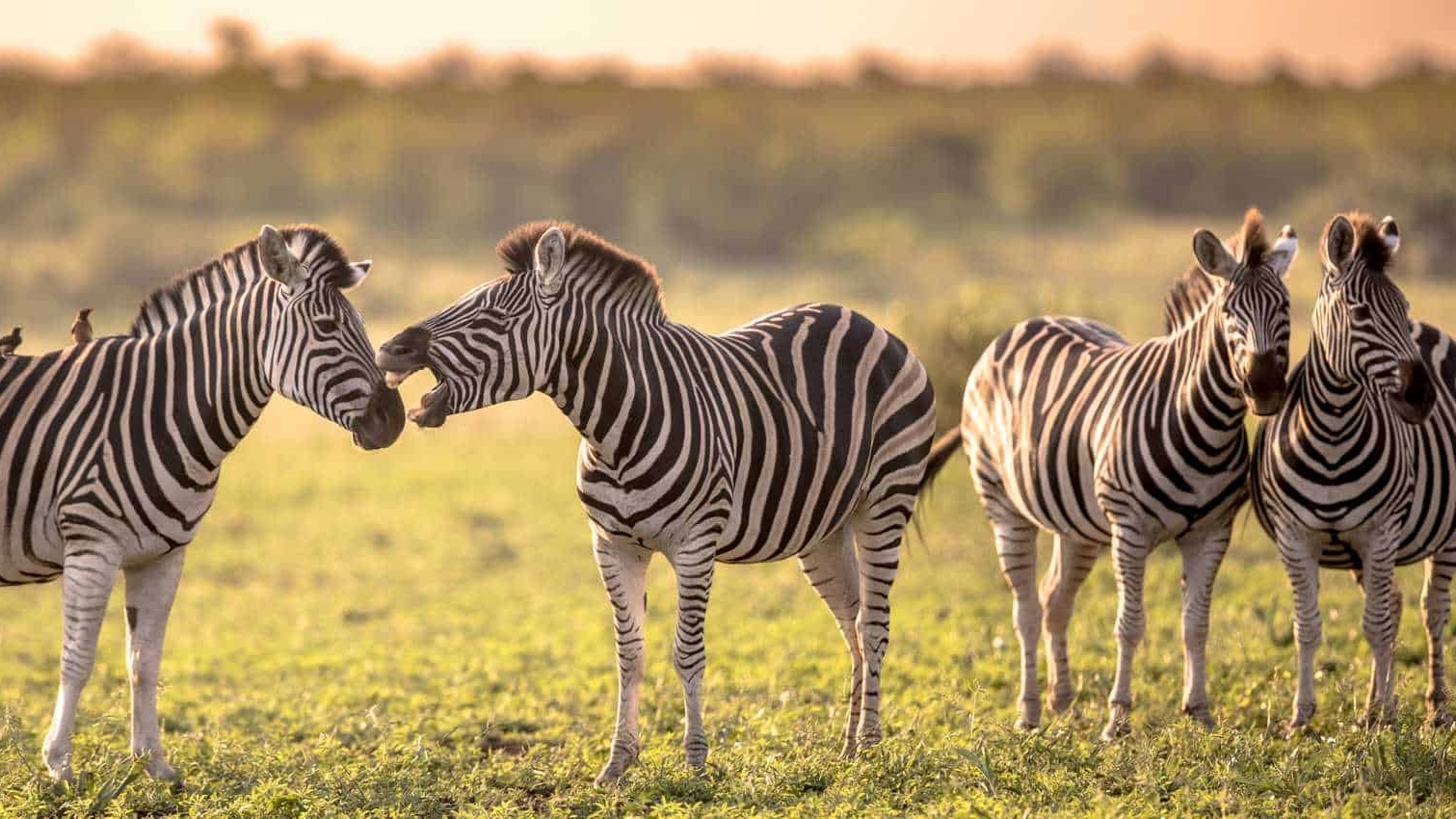
Essential Kruger National Park Wildlife Guidelines for Respectful Encounters
Tips & Advice
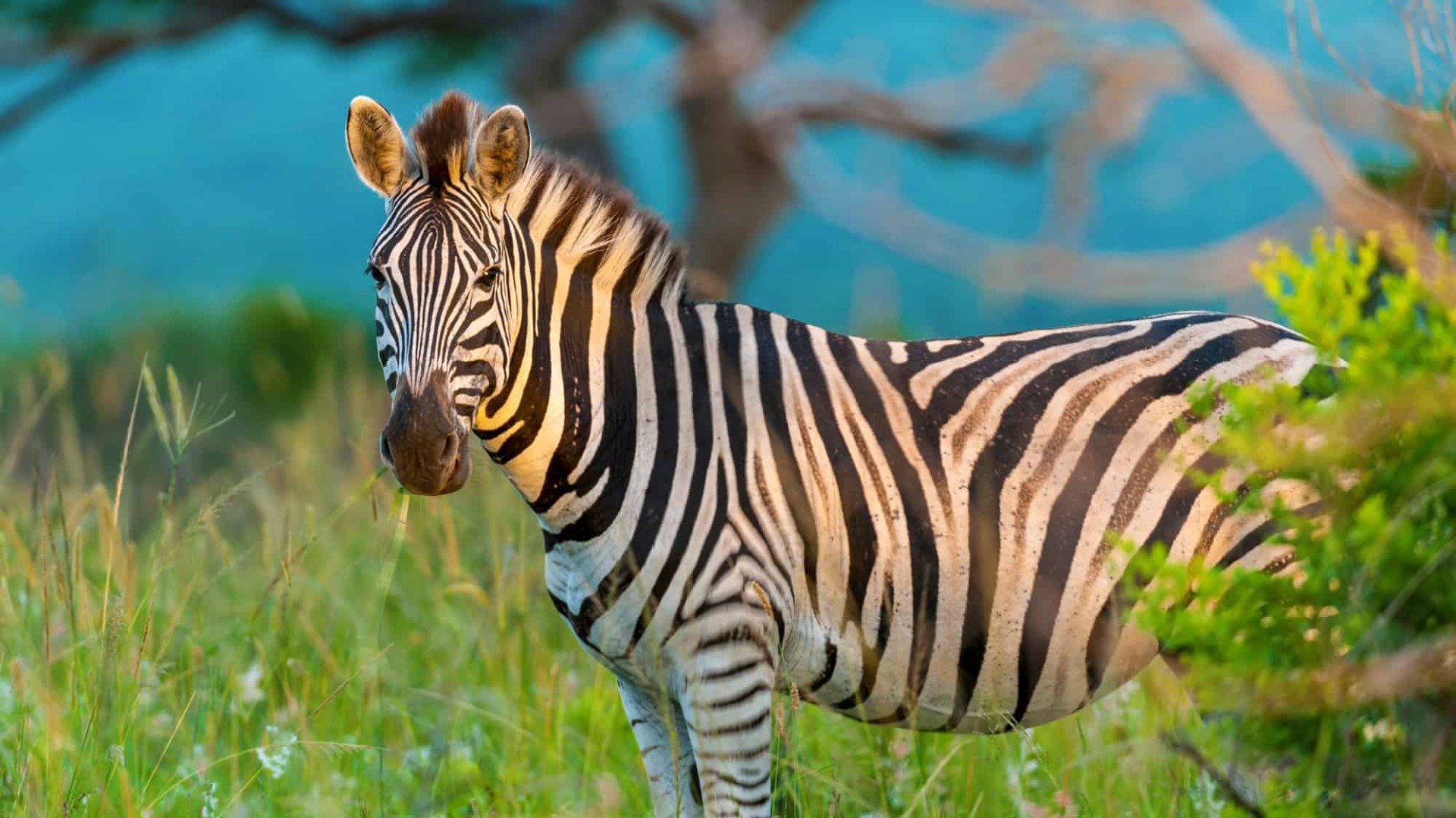
How Botswana’s Seasons Shape Your Safari Decisions
Tips & Advice
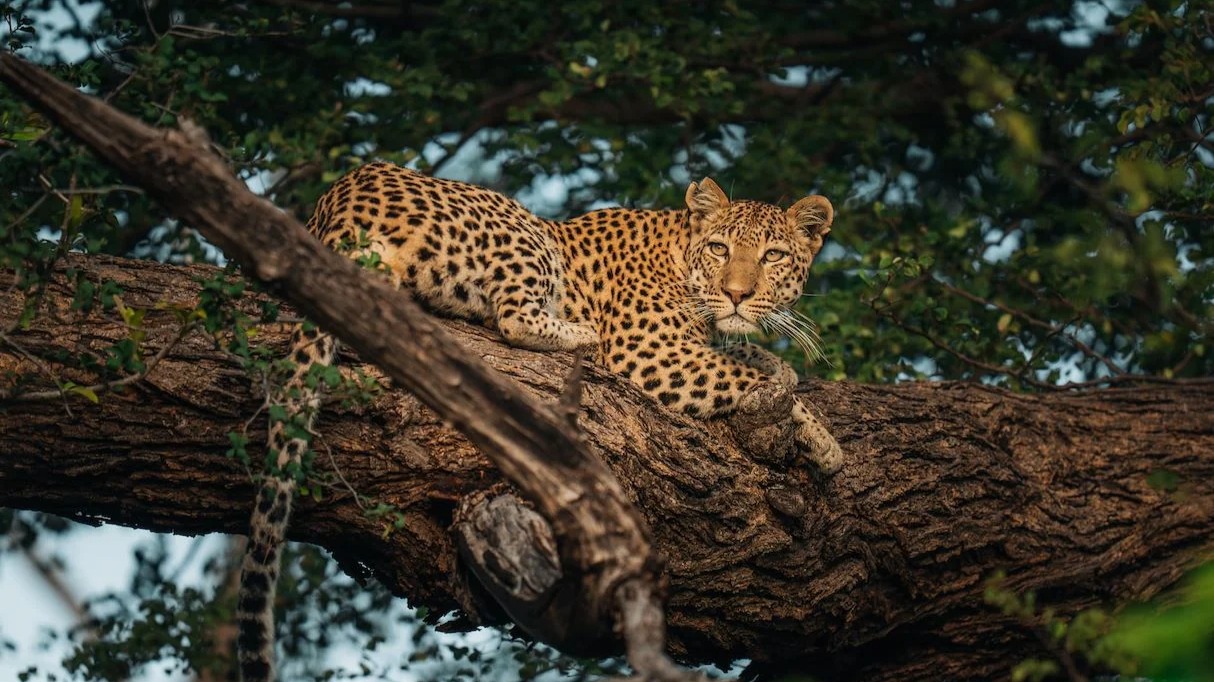
How Far in Advance Should You Book an African Safari?
Tips & Advice