Wildlife
Why Zimbabwe Delivers Some of Africa's Most Photogenic Wildlife Encounters
Encounters Africa - 9 min read
Updated on 24 July 2026
Zimbabwe consistently produces some of Africa's most photogenic wildlife encounters, thanks to its dramatic seasonal shifts and diverse ecosystems that place animals in striking natural frames. From the iconic elephants of Mana Pools wading through shallow floodwaters to the predators of Hwange framed against acacia woodlands, the country offers photographers intimate, story-rich moments that feel both raw and composed. This guide explores how these varied landscapes shape distinctive opportunities for wildlife photography while emphasising ethical approaches that respect animal routines and deliver authentic images.
The best time to visit Zimbabwe for photography is during the dry season from June to October, when water sources concentrate wildlife and vegetation thins to reveal clear sightlines. In these months, golden light bathes the bushveld for roughly two hours after dawn and before dusk, creating long shadows and warm tones that add depth to every frame. Whether you are tracking a herd of buffalo or waiting for a leopard to descend from a tree, the light and landscape combine to reward patient observers with images that capture the true pulse of the African wild.
Understanding Zimbabwe's Diverse Landscapes for Photography
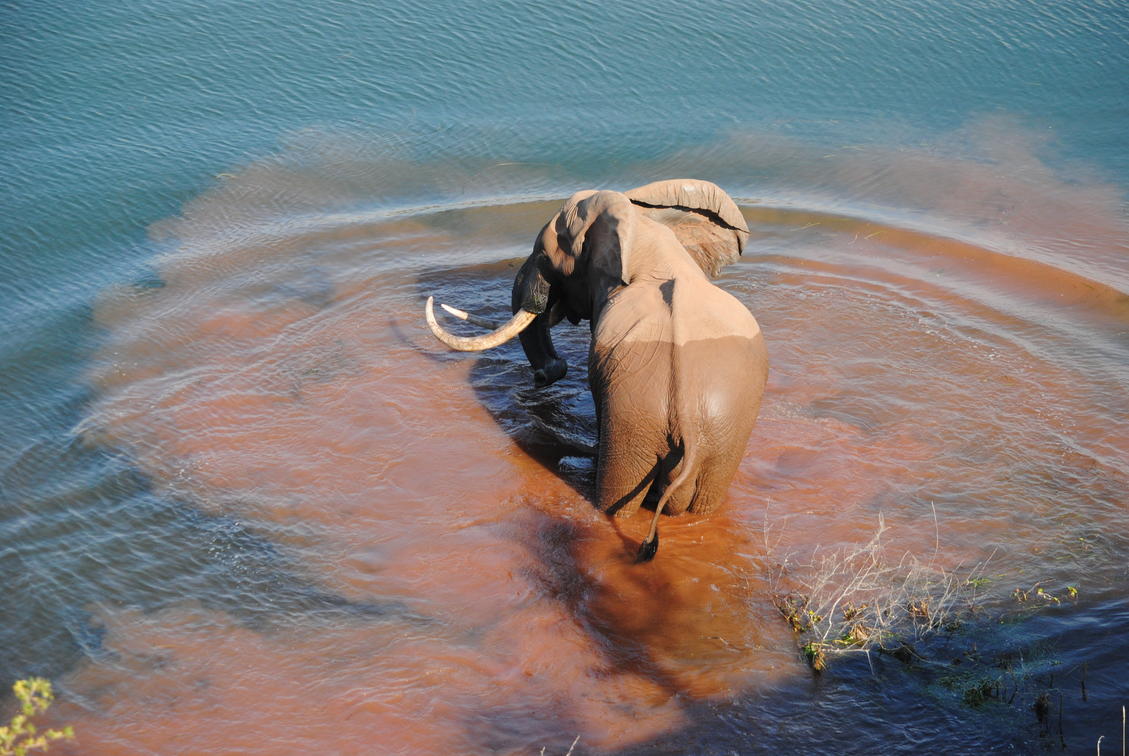
Zimbabwe's national parks and private concessions span floodplains, mopane woodlands, granite kopjes and open savannah, each offering its own palette and composition potential. Mana Pools National Park, a UNESCO World Heritage site covering 2,196 square kilometres along the Zambezi River, becomes a photographer's paradise when seasonal floods recede, leaving shallow pools that mirror the sky and draw thousands of elephants and antelope. The low-angle light here turns dust into ethereal veils and silhouettes massive tuskers against fiery sunsets.
Further south, Hwange National Park stretches across 14,650 square kilometres of Kalahari sandveld and acacia woodland. Its numerous natural and artificial waterholes create natural stages where predators and prey converge daily. The open terrain allows for cleaner sightlines than denser forests, while the scattered shade trees provide perfect perches for big cats and excellent foreground interest in wider compositions.
In Zimbabwe the land itself becomes your collaborator, shaping each frame with its own distinctive character rather than simply serving as backdrop.
Mana Pools: Floodplain Drama and Intimate Encounters
At Mana Pools, the annual cycle of flooding and drying creates ever-changing compositions. Between August and October, when the river level drops, elephants stand belly-deep in pools, their reflections perfectly captured in still morning water. Professional guides position vehicles at respectful distances of at least 25 metres, allowing animals to continue natural behaviours such as mud bathing and social interaction without disturbance.
Early morning mist rising from the floodplains adds atmosphere to wide-angle shots, while the low sun rakes across the scene to highlight texture in elephant skin and the ripple of water. Late afternoon sees herds returning from inland browsing, kicking up dust that catches the golden light and creates dramatic backlit images. These predictable patterns reward photographers who study animal routines rather than chase fleeting sightings.

Why Zimbabwe Delivers Some of Africa's Most Photogenic Wildlife Encounters
The combination of high wildlife density, varied terrain and thoughtful safari practices sets Zimbabwe apart for serious wildlife photographers. Unlike more crowded destinations, many areas maintain a maximum of two or three vehicles per sighting, preserving the sense of wilderness and reducing stress on the animals. This quieter approach translates directly into more natural behaviour and therefore more compelling images.
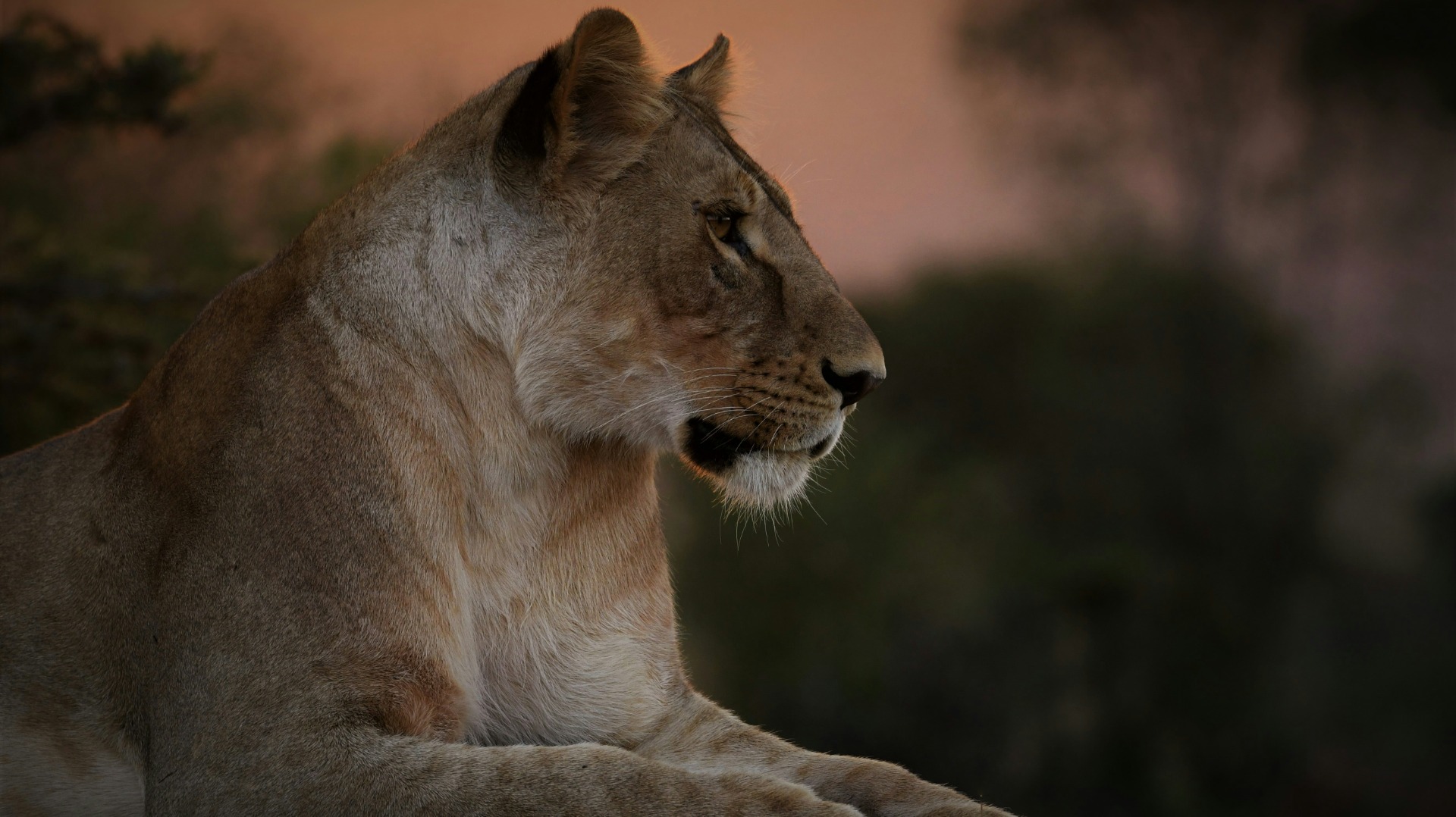
Local guides possess deep knowledge of individual animals and their habits, often recognising specific elephants or lions by sight and predicting their movements with remarkable accuracy. A seasoned guide might position you for a clean background while explaining why a particular lioness prefers a certain kopje at midday. This partnership between human insight and natural rhythm produces photographs that feel both spontaneous and perfectly framed.
Authentic wildlife photography begins with respect for the subject’s own timetable, not the photographer’s desire for a shot list.
Hwange's Open Woodlands and Predator Action
Hwange offers different but equally rewarding opportunities. The park supports one of the highest densities of African wild dogs on the continent, with roughly 300 individuals moving in dynamic packs across the landscape. Their high-speed chases across open ground create opportunities for panning shots that convey power and motion when captured at shutter speeds around 1/60th of a second.
Lions and cheetahs frequent the numerous waterholes, particularly during the dry months when game concentrates around these oases. The scattered umbrella thorns and leadwood trees provide natural framing devices, allowing photographers to create layered compositions with animals in the middle distance and interesting foreground or background elements. The park's red Kalahari sands add rich colour contrast, especially when lit by the warm tones of early morning or late afternoon.
Practical Field Techniques for Zimbabwean Wildlife Photography
Success in Zimbabwean photography relies on preparation, patience and an understanding of how light changes throughout the day. Begin each drive with lenses suited to the expected conditions: a 100-400mm or 200-500mm zoom for versatile wildlife work, supplemented by a 70-200mm for closer scenes and a wider 24-70mm for environmental portraits that show animals within their landscape.
During the cooler dry-season mornings, when temperatures can drop to 5°C before sunrise, animals tend to be more active. This is the ideal time for capturing movement with slightly faster shutter speeds of 1/1000th of a second or higher. As the day warms, slower subjects such as basking crocodiles or resting lions allow for creative compositions using shallower apertures to isolate subjects against soft backgrounds.
Reading Light and Choosing the Right Moment
The golden hours in Zimbabwe deliver particularly rich colour temperatures, with the sun often producing a deep amber glow due to dust in the atmosphere. Exposing for highlights while letting shadows fall into deep contrast often yields the most atmospheric results. Many experienced photographers deliberately underexpose by a third to half a stop to retain detail in bright skies and prevent blown highlights on pale animals such as wild dogs or cattle egrets.
Understanding animal behaviour allows you to anticipate decisive moments. Elephants at Mana Pools follow well-established drinking routes; positioning yourself downwind and slightly elevated gives clean sightlines without intrusion. Similarly, knowing that lions often drink at dusk after a day of rest helps you choose the right waterhole and arrive with plenty of time to settle before the action begins.
Ethical Photography: Respecting Wildlife and Supporting Conservation
Responsible wildlife photography in Zimbabwe goes far beyond technical excellence. It requires a commitment to minimising impact and contributing positively to conservation efforts. Ethical photographers maintain safe distances, avoid calling or baiting animals, and never request off-road driving that might damage sensitive vegetation or disturb ground-nesting birds.
Many lodges in Zimbabwe work closely with local conservation organisations, directing a portion of photography-focused safari revenue toward anti-poaching initiatives and community projects. When you book through specialists such as Encounters Africa, your journey can directly support these vital efforts while granting access to areas managed with both wildlife welfare and photographic opportunities in mind.
The most powerful wildlife images are those that tell a story of coexistence between humans, animals and the land that sustains them both.
Supporting Local Communities Through Your Lens
Photography can play an important role in community-based conservation across Zimbabwe. Several private concessions bordering national parks allocate tourism revenue to local villages, funding schools, clinics and alternative livelihoods that reduce pressure on wildlife. By choosing operators committed to these models, photographers help ensure that images captured today will have a positive legacy for the landscapes of tomorrow.
Guides from local communities often bring unparalleled tracking skills and cultural insight to the experience. Their ability to read subtle signs in the bush, from fresh tracks to distant bird calls, helps locate subjects efficiently while minimising unnecessary driving. This knowledge not only improves your chances of exceptional photographs but deepens your understanding of the interconnected systems that make Zimbabwe's wildlife areas so special.

What to Pack and How to Prepare for a Photographic Safari in Zimbabwe
Beyond camera equipment, thoughtful preparation enhances both comfort and results. A sturdy bean bag or gimbal head proves invaluable for steadying heavy lenses during game drives, while a polarising filter helps cut glare from water surfaces at Mana Pools. Spare batteries and memory cards are essential, as charging opportunities may be limited in remote camps, and dust can quickly affect equipment in the dry season.
Neutral-coloured clothing in khaki, olive and soft brown helps you blend into the environment. Wide-brimmed hats and high-factor sunscreen protect against intense sunlight, while a lightweight waterproof jacket guards against sudden afternoon thunderstorms that can occur even in the dry months. Most importantly, bring a spirit of patience and observation; the finest images often emerge after hours of quiet watching rather than frantic pursuit.
Choosing the Right Safari for Photography
Not all safaris suit serious photographers equally. Look for operators offering dedicated photography vehicles with bean bags, charging facilities and experienced guides who understand both wildlife and the specific needs of camera equipment. Private concessions such as those bordering Hwange often provide exclusive access to less-visited areas where animals remain more relaxed in the presence of vehicles.
For those seeking deeper immersion, multi-day walking safaris in Mana Pools allow photographers to experience the landscape at ground level, though these require even stricter adherence to ethical guidelines. Specialist operators can combine these experiences with traditional vehicle-based game viewing to create a balanced itinerary that serves both the desire for exceptional images and genuine connection with the wild.
Conclusion
Zimbabwe offers discerning travellers a wealth of opportunities to create meaningful, high-quality wildlife photographs while supporting landscapes and communities under increasing pressure. Its combination of dramatic light, varied terrain and thoughtful conservation practices creates conditions where authentic encounters flourish and translate naturally into powerful imagery. The country continues to reward those who approach it with patience, respect and a genuine curiosity about the rhythms of its wild places.
For discerning travellers seeking a private safari beyond our set itineraries, we invite you to contact us directly. We specialise in designing exceptional, tailor-made journeys for individuals, couples, families, and private groups of up to eight guests. Drawing on our handpicked network of distinguished camps and lodges, we curate every detail with precision and care, creating a seamless, deeply personal safari experience shaped entirely around your preferences, pace, and budget.
Whether your focus lies in perfecting the craft of wildlife photography or simply immersing yourself in landscapes that inspire it, reach out to Encounters Africa to begin planning your journey. Our team draws on decades of first-hand experience across Zimbabwe and beyond to craft experiences that honour both the animals that inhabit these wild places and the travellers who seek to capture their stories with sensitivity and skill. Discover how a thoughtfully arranged safari can transform not only your portfolio but your understanding of Africa's complex and beautiful natural heritage.
More like this
wildlife
Why Zimbabwe Hosts Africa's Largest Elephant Concentrations
wildlife
Why Zimbabwe's Elephants Shape Every Habitat They Touch
Wildlife
Zimbabwe's Wildlife Numbers That Shape Every Safari Experience
Wildlife
A Single Dawn in Mana Pools: What the Elephants and Lions Revealed
wildlife
Beginner’s Guide to Spotting Kruger’s Big Five Without Missing a Beat
wildlife