wildlife
Beginner’s Guide to Spotting Kruger’s Big Five Without Missing a Beat
Encounters Africa - 10 min read
Updated on 24 August 2026
A beginner’s guide to wildlife watching in Kruger National Park starts with understanding that success comes from quiet observation rather than dramatic chases. Kruger, covering nearly two million hectares in northeastern South Africa, hosts the highest concentration of the Big Five on the continent. Master the basics of vehicle positioning, binocular use, and seasonal movement patterns to locate elephants, rhinos, and big cats with confidence on your debut trip to South Africa’s flagship reserve.
Encounters Africa has guided thousands of first-time visitors through these vast landscapes, teaching them how the subtle signs reveal far more than luck ever could. Whether you are scanning for a lion’s whisker twitch in tall grass or interpreting the alarm calls of impala, the reserve rewards those who arrive prepared. This guide distils decades of field knowledge into practical steps that transform an ordinary game drive into a deeply rewarding encounter with Africa’s iconic wildlife.

Understanding Kruger’s Big Five and Their Habits
The term Big Five was originally coined by hunters to describe the five most dangerous animals to track on foot: lion, leopard, rhinoceros, elephant, and Cape buffalo. Today it represents the pinnacle of wildlife watching in South Africa. Each species behaves differently according to time of day, season, and terrain, making knowledge of their routines essential for consistent sightings.
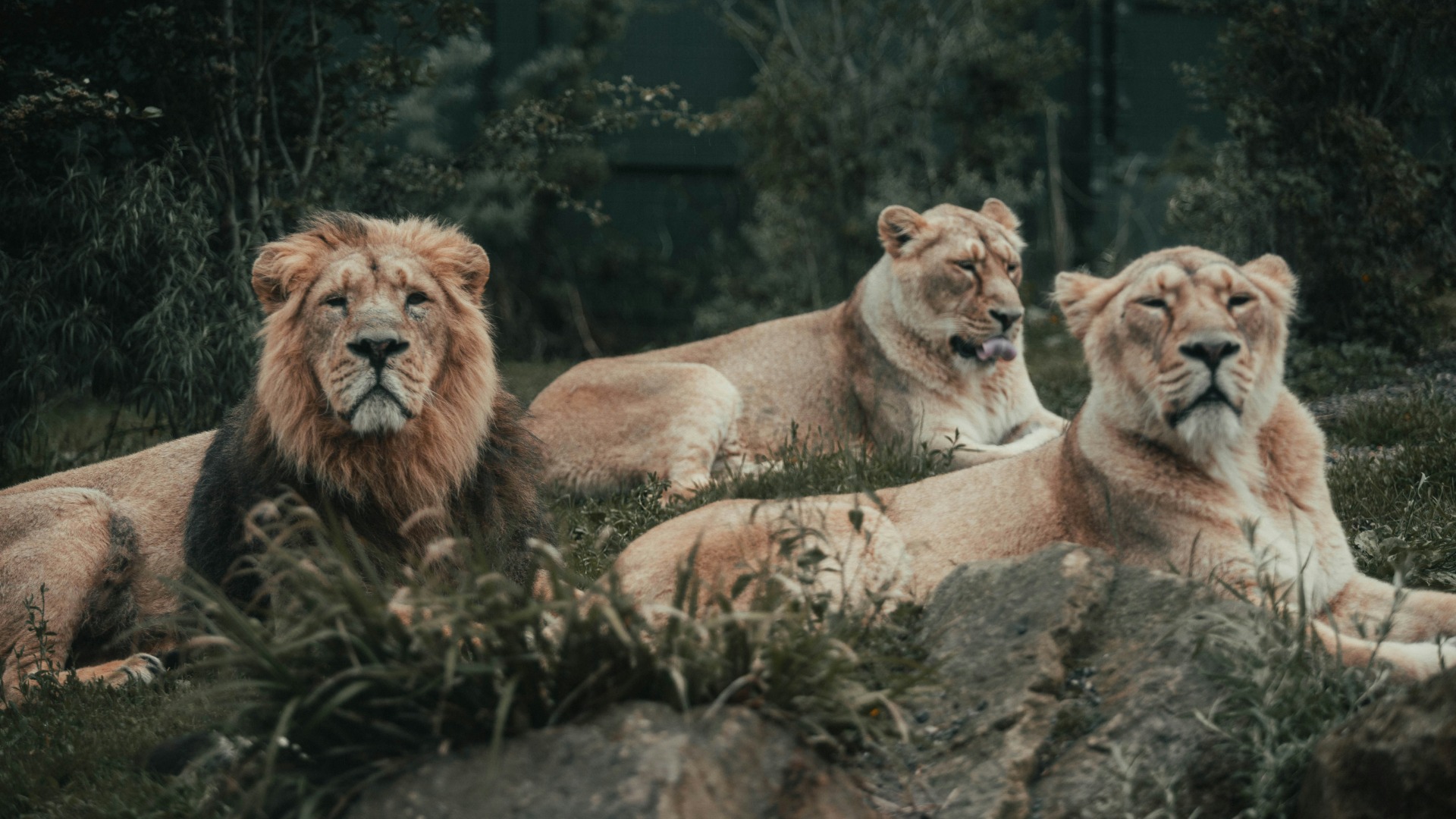
Lions are most active at dawn and dusk, often resting in deep shade during the heat of the day. Leopards prefer thick riverine bush and are frequently seen draped over branches at first light. Elephants move in matriarchal herds of up to thirty individuals, following ancient pathways between water sources that have remained unchanged for generations. Black and white rhinos have distinct habits: the former browses on woody plants at night while the latter grazes openly in the early morning. Buffalo move in large herds that can number several hundred, creating a constant low rumble that carries across the savanna.
The quietest observer often sees the most. In Kruger, patience and pattern recognition matter more than powerful lenses or expensive equipment.
Seasonal Patterns That Influence Sightings
The best time to visit Kruger for wildlife watching is during the dry winter months from May to September. With fewer water sources available, animals concentrate around rivers and artificial pans, making them easier to locate. Vegetation is thinner, improving visibility across the classic acacia savanna and mopane woodlands.
Summer months bring dramatic thunderstorms and lush growth that disperses wildlife but offers exceptional birding and newborn animals. November to February sees the arrival of migratory species and the birth of thousands of impala lambs, providing rich hunting opportunities for predators. Understanding these cycles allows you to set realistic expectations for your first safari.
Essential Equipment for First-Time Wildlife Watchers
Successful wildlife watching begins with the right tools used correctly. A good pair of binoculars ranks as the single most important item, allowing you to scan distant herds or study fine details without disturbing the animals. We recommend 8x42 or 10x42 models with good low-light performance, as many of the most memorable sightings occur at dawn or dusk.
A field guide specific to southern African mammals and birds helps with identification and understanding behaviour. Smartphone apps with offline maps and species libraries prove useful when signal is patchy. A lightweight waterproof jacket, sun protection, and comfortable closed shoes complete the practical kit. Leave the bright colours at home in favour of khaki, olive, and neutral tones that blend into the environment.
Binocular Technique and Vehicle Positioning
Hold binoculars with both hands, elbows braced against your body or the vehicle frame to reduce shake. Scan slowly in a methodical grid pattern rather than sweeping wildly. When an animal is spotted, the first person to see it should describe its position using the clock-face method: “leopard at two o’clock, halfway up the leadwood tree.”
Guides position vehicles at an angle that gives everyone an unobstructed view while keeping the engine running in neutral for a quick, quiet departure if necessary. Never block another vehicle’s line of sight or crowd an animal. The ethical code in Kruger is clear: the animal’s comfort always comes first.
Respecting an animal’s personal space creates better photographs and deeper connections than any close-range intrusion ever could.
Reading the Bush: Signs, Sounds and Spoor
Experienced wildlife watchers spend as much time looking at the ground and listening as they do scanning the horizon. Fresh tracks, dung, and broken branches tell stories that precede the actual sighting. A series of deep pug marks in the dust might indicate a male lion passed this way an hour earlier. The alarm call of a go-away bird or the sudden silence of francolins often signals a predator nearby.
Learn to recognise the difference between a feeding herd of elephants, which creates contented rumbling and branch-cracking sounds, and a nervous one that moves quickly with ears flared. These auditory clues allow you to anticipate movement and position yourself respectfully before the animals arrive.
Common Animal Behaviours to Recognise
Elephants display clear body language. Ears held out and trunk raised usually signals irritation, while relaxed trunks swinging gently indicate calm. Rhinos have poor eyesight but excellent hearing and smell; they often pause with ears swivelling like radar dishes when investigating a new scent. Lions yawn conspicuously when they are preparing to move, giving you advance warning of their intentions.
Buffalo exhibit strong herd cohesion. When one individual stares intently in a particular direction, the rest of the group will soon follow suit. Recognising these subtle signals turns passive viewing into active interpretation, greatly increasing both safety and satisfaction.
Guided versus Self-Drive Safari Options in Kruger
Kruger offers two distinct ways to experience its wildlife. Guided game drives with qualified field guides provide expert interpretation, access to private concessions, and the ability to stay out after gate closing times. These drives typically last three to four hours and depart at sunrise and late afternoon when animal activity peaks.
Self-drive exploration gives you complete control over your schedule and the freedom to linger at a sighting for as long as you wish. It requires greater preparation, including studying maps, understanding the road network, and knowing when to seek professional help. Many first-time visitors choose a combination: guided drives to learn the rhythms of the bush, followed by self-drives once confidence grows.
Encounters Africa regularly arranges both formats and can advise which approach best matches your interests and experience level. Our South Africa safari packages blend the advantages of expert guidance with the flexibility many travellers seek.
What to Expect on Your First Game Drive
Most drives begin in darkness with coffee and rusks at the vehicle. As dawn breaks, the reserve slowly reveals itself through mist rising from waterholes and the first calls of woodland kingfishers. Your guide will stop frequently to examine tracks and listen to the bush, building a picture of what has moved through the area overnight.
Sightings rarely happen on demand. Some drives produce multiple leopard encounters while others focus on the intricate relationships within a single herd of elephants. This unpredictability forms part of the magic that keeps visitors returning to Kruger year after year.
Every game drive teaches something new about the intricate web that binds predator, prey, and landscape together.
Photography Basics for Wildlife Beginners
While professional cameras offer advantages, excellent images are possible with modern smartphones and compact cameras when used thoughtfully. The golden rules remain the same: good light, steady support, and anticipation of behaviour. Early morning and late afternoon provide the most flattering illumination with warm tones and long shadows.
Learn to watch for behavioural triggers. A lioness flicking her tail more rapidly often precedes a charge or hunt. Elephants lifting their trunks to smell the air frequently produce striking silhouettes against the sky. Rather than firing dozens of rapid frames, wait for the decisive moment when posture, light, and expression align.
Ethical Photography Practices
Never encourage guides to break regulations for closer views or better angles. Avoid using flash or calling to animals to make them look at the camera. The goal should be documenting natural behaviour rather than creating artificial scenes. Many of Kruger’s most memorable images capture small details: the curve of an elephant’s eyelash, the intricate pattern on a giraffe’s coat, or dew sparkling on a spiderweb strung between buffalo horns.
Conservation Context and Responsible Wildlife Watching
Kruger faces significant challenges including poaching, habitat pressure from surrounding communities, and the effects of climate change. By choosing responsible operators and following ethical viewing guidelines, visitors directly contribute to the reserve’s protection. Tourism revenue funds anti-poaching teams, veterinary programmes, and community development projects that benefit both wildlife and local people.
Simple actions make a difference. Stay on designated roads, never litter, and avoid disturbing animals at waterholes where they are most vulnerable. Support the park’s conservation efforts through reputable organisations working to protect the greater Kruger ecosystem, which extends well beyond the official boundaries.
Common Questions About Wildlife Watching in Kruger
What is the best time of day for spotting the Big Five? The first two hours after sunrise and the last two hours before sunset consistently produce the highest activity levels. Lions and leopards are more likely to be moving, while elephants and buffalo visit water sources during these cooler periods.
How close do vehicles get to the animals? Official guidelines suggest maintaining at least 20 metres from predators and 10 metres from herbivores, though animals often approach vehicles out of curiosity. Experienced guides know exactly when to create more distance.
Should I book morning or afternoon drives? Both have advantages. Morning drives offer better light for photography and higher predator activity. Afternoon drives often include a sundowner stop and can extend into the magical hour after official gate closure when nocturnal species become active.
Is it safe to watch wildlife from an open vehicle? Yes, provided you follow your guide’s instructions. Animals in Kruger generally view vehicles as a single non-threatening entity rather than separate humans. Sudden movements or standing up can change that perception quickly.

Planning Your First Kruger Wildlife Experience
Preparing properly for your debut safari transforms initial nervousness into quiet confidence. Study maps of the areas you will visit, familiarise yourself with the common species, and pack binoculars that have been adjusted to your eyesight. Most importantly, arrive with an open mind and the willingness to learn from every encounter, whether it involves the majestic or the minute.
Encounters Africa curates personalised journeys that match each traveller’s pace, interests, and level of experience. Through our carefully selected network of distinguished camps and lodges, including options near the iconic Addo Elephant National Park and within Malewane Lodge, we create seamless experiences shaped entirely around your preferences. For discerning travellers seeking a private safari beyond our set itineraries, we invite you to contact us directly. We specialise in designing exceptional, tailor-made journeys for individuals, couples, families, and private groups of up to eight guests. Drawing on our handpicked network of distinguished camps and lodges, we curate every detail with precision and care, creating a seamless, deeply personal safari experience shaped entirely around your preferences, pace, and budget.
Whether this will be your first African safari or the beginning of a lifelong passion, Kruger offers an unparalleled classroom in which to learn the language of the wild. The reserve does not simply show you animals; it invites you to witness the complex, ancient rhythms that have shaped this corner of the continent for millennia. The tracks you follow today connect directly to those left by early human ancestors who watched these same lions and elephants with very different eyes.
The greatest reward of wildlife watching lies not in ticking off species but in the moments of profound connection that occur when you truly see and understand another living being in its natural environment. Those moments, once experienced, create a lasting commitment to the preservation of these extraordinary landscapes for future generations.
More like this
wildlife
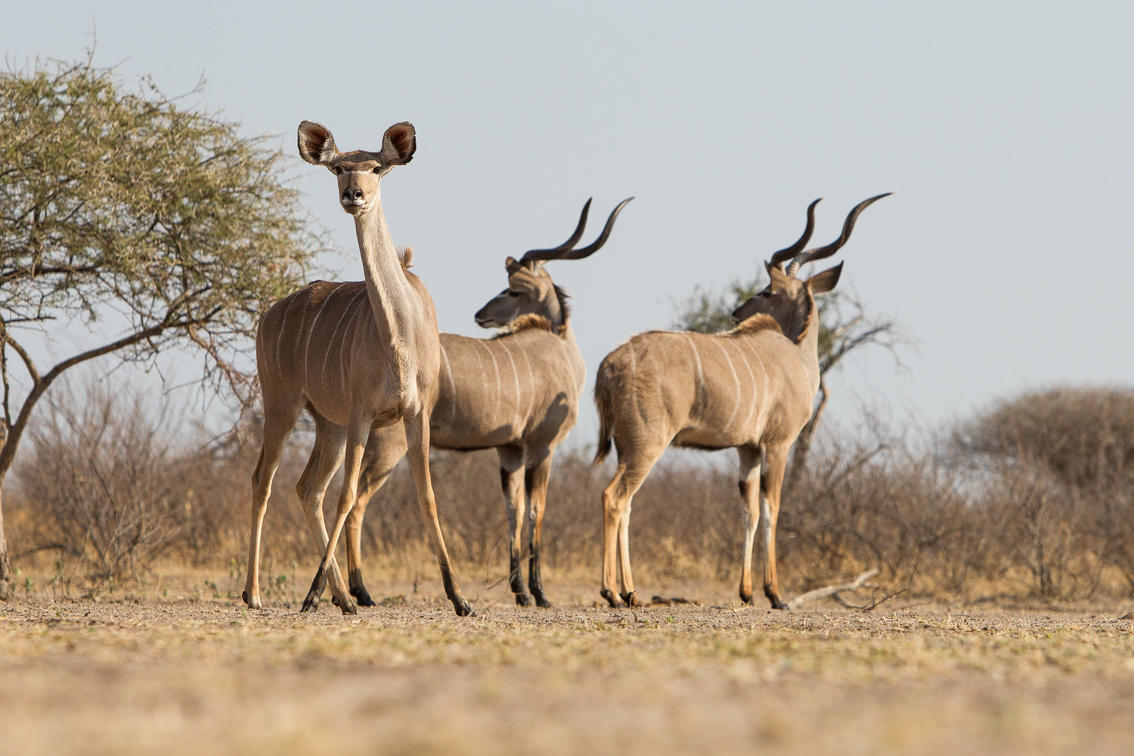
Botswana Wildlife Essentials: Key Species and Prime Viewing Seasons
wildlife
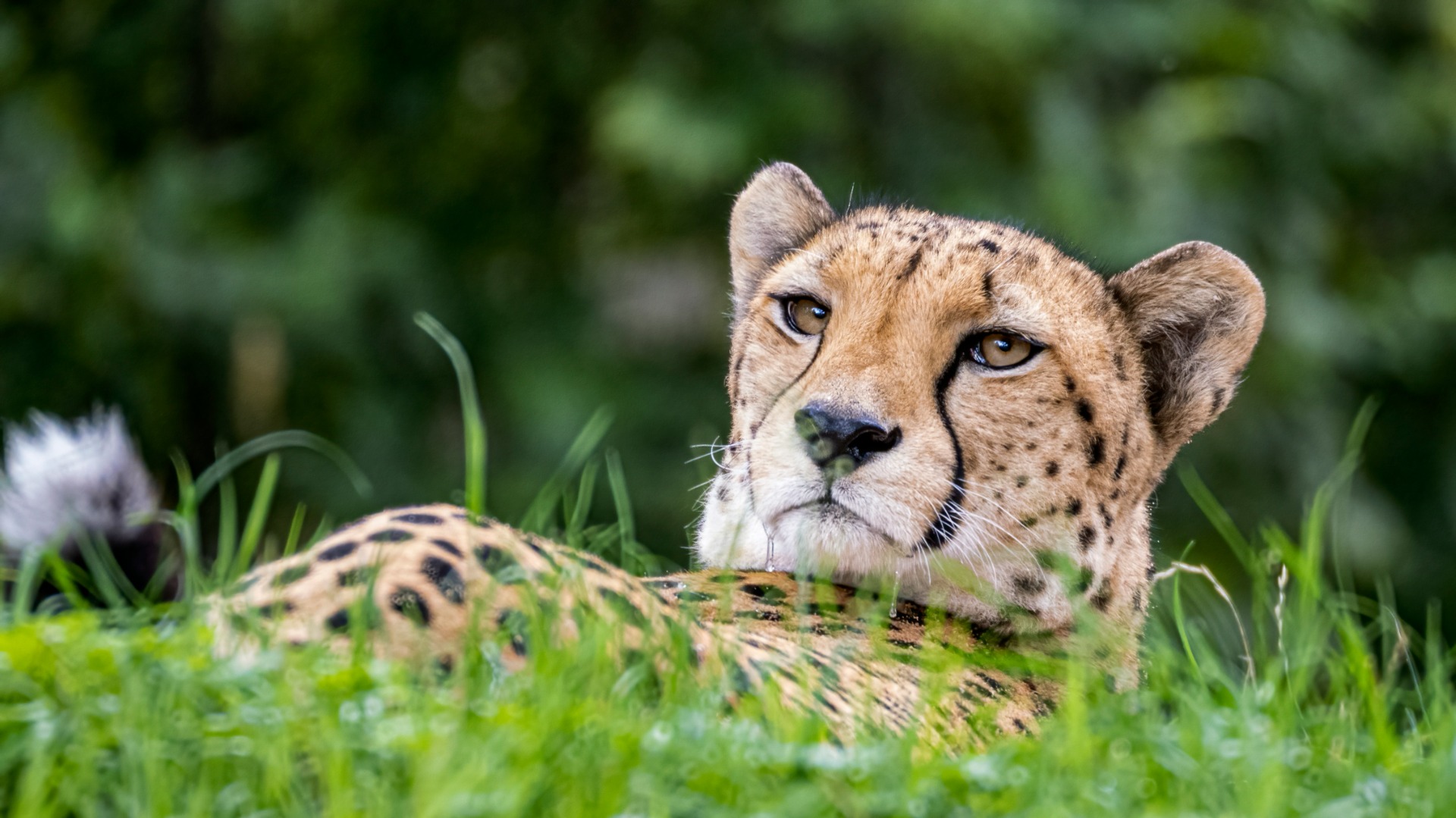
Cheetahs Rely on Explosive Speed While African Wild Dogs Master Endurance Hunts
wildlife
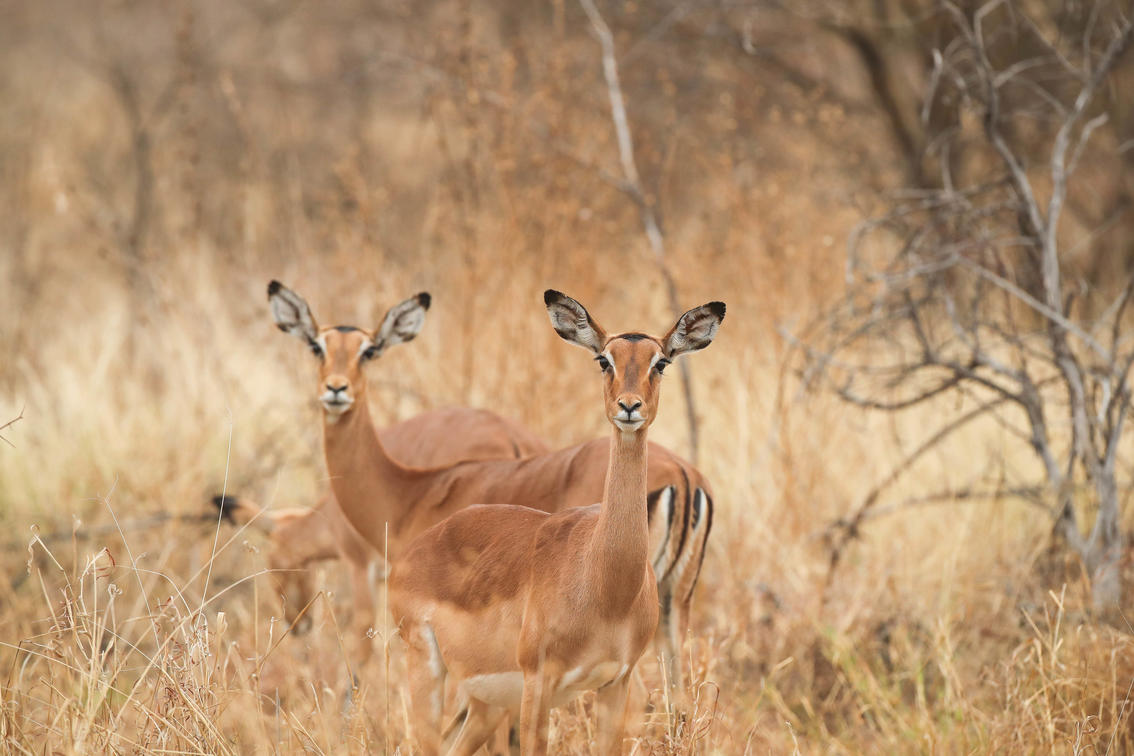
Chronicles from Dinaka: Wild Packs Roaming Kalahari Fringe Woodlands
wildlife
Comparing Gorilla and Chimpanzee Tracking in Uganda Versus Rwanda
Wildlife
Field Scientists Follow Namibia's Desert Elephants Along Ancient Watercourses
wildlife