Wildlife
A Single Dawn in Mana Pools: What the Elephants and Lions Revealed
Encounters Africa - 10 min read
Updated on 24 June 2026
Wildlife in Zimbabwe delivers encounters that etch themselves into memory long after the dust settles. A single dawn in Mana Pools can reveal more about the intricate dance between predator and prey than weeks spent in busier reserves. This article explores those key wildlife moments in Zimbabwe, grounded in the landscapes where elephants, lions, buffalo and wild dogs shape the rhythm of each day.
Zimbabwe supports one of southern Africa’s most diverse large-mammal populations, with approximately 100,000 elephants, stable lion prides numbering around 2,000 adults, and recovering packs of African wild dogs. The country’s national parks and private concessions offer intimate sightings precisely because visitor numbers remain deliberately limited. For those who travel with Encounters Africa, these experiences unfold at a pace that allows genuine observation rather than fleeting glances.
Standing at a drying riverbed as a bachelor herd of buffalo approaches while lions watch from the shade creates a tension no film can replicate. Zimbabwe offers these charged wildlife interactions daily if you know where and when to look.
The Mana Pools Dawn That Changed Everything
As first light filters through the mopane woodland, the Zambezi floodplain stirs. On one particular morning in late September, our small group watched a matriarchal elephant herd descend the steep bank to dig for sub-surface water. Their trunks moved with surgical precision, creating narrow wells that would sustain them through the final weeks of the dry season.
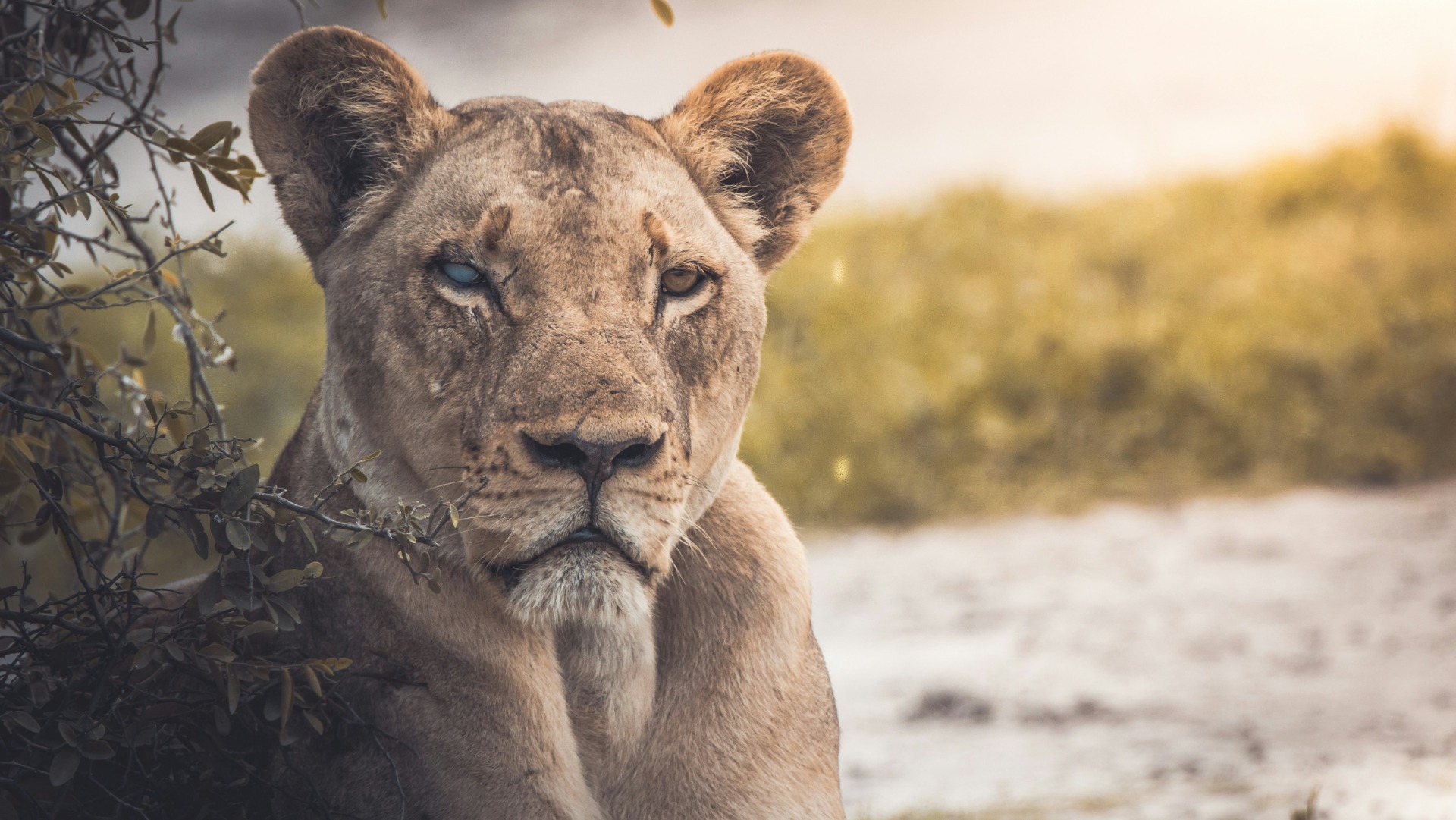
Less than fifty metres away, two young male lions observed from beneath a fallen fig tree. The elephants knew they were there. So did we. For nearly forty minutes the standoff held, a masterclass in calculated risk and mutual awareness. This is what key wildlife moments in Zimbabwe feel like: unscripted, prolonged, and quietly profound.
The Mana Pools National Park, a UNESCO World Heritage site covering 2,500 square kilometres, earns its reputation through these intimate floodplain interactions. Unlike many reserves where vehicles must remain on tracks, here accredited guides may walk with guests, bringing travellers closer to the natural theatre.
Why Mana Pools Rewards Patient Observers
The park’s unique geology creates a landscape of ancient oxbow lakes and alluvial terraces that concentrate wildlife as waters recede. Between August and November, elephant densities can exceed five animals per square kilometre along the riverfront. This is when the famous Mana elephants display their remarkable ability to stand on hind legs to reach higher branches, a behaviour rarely seen elsewhere.
Lions here have adapted to the seasonal patterns. Prides tend to be smaller than those in South Africa, averaging four to six adults, yet they display sophisticated cooperative hunting techniques around the pools. Our guides explained that the local lions have been studied continuously since the 1970s, giving researchers one of the longest continuous datasets on wild lion behaviour in Africa.
The elephants moved like they owned both time and space, while the lions understood that patience often yields better results than pursuit.
Hwange’s Elephant Highways and Hidden Predators
Further west, Hwange National Park presents a completely different face of Zimbabwean wildlife. Spanning nearly 15,000 square kilometres, it supports the largest elephant population in the country, estimated at over 40,000 individuals. The park’s artificial waterholes, strategically maintained during the dry months, create predictable gathering points that reward early morning and late afternoon visits.
At one such pan called Nyamandlovu, we witnessed three distinct elephant clans converge within the space of an hour. The matriarchs greeted one another with trunk touches and low rumbles that vibrated through our vehicle. These vocalisations, now being catalogued by researchers using AI pattern recognition, form part of a complex communication system scientists are only beginning to decode.
What many visitors miss in Hwange are the smaller, equally compelling stories. African wild dogs have made a remarkable recovery here, with pack numbers increasing from fewer than 50 individuals in the early 2000s to over 300 today. Their high-speed hunts across the open grasslands offer some of the most exciting wildlife in Zimbabwe for those fortunate enough to follow them.
Understanding the Painted Wolves of Hwange
Wild dogs, often called painted wolves for their mottled coats, require vast territories and stable prey bases. Hwange’s combination of open savannah and woodland provides ideal conditions. Each pack maintains a strict social hierarchy where only the alpha pair breeds, while the rest of the group cooperates to raise the pups.
During one tracking expedition with researchers from the Painted Dog Conservation project, we located a den containing ten pups approximately six weeks old. The adults took turns hunting and returning to regurgitate meat for the young, a behaviour that demonstrates their sophisticated cooperative breeding system. Supporting projects like this forms an important part of responsible wildlife travel in the region.

The Zambezi Valley’s Predator-Prey Theatre
The lower Zambezi region offers yet another dimension to wildlife in Zimbabwe. Here the river creates a natural corridor where hippo pods numbering over fifty individuals wallow in permanent deep pools while crocodiles of four metres and more patrol the margins.
At dawn and dusk, the valley comes alive with movement. Buffalo herds of several hundred strong cross from Zambia into Zimbabwe, providing prey for the healthy lion prides that dominate the escarpment. The interaction between these species creates constant tension that experienced guides can read like an open book.
Our Encounters Africa guides, many of whom have grown up in these valleys, possess an almost uncanny ability to anticipate animal movements. One morning we positioned ourselves perfectly to witness a lioness teaching her nearly full-grown cubs how to separate a young buffalo from the protection of the herd. The lesson lasted nearly two hours and ended, mercifully for the calf, with the herd regrouping successfully.
In the Zambezi Valley, every creature seems aware of its role in the larger drama. The landscape itself feels like it is holding its breath.
Conservation Successes That Make These Sightings Possible
The key wildlife moments in Zimbabwe that travellers experience today result from decades of dedicated conservation work. Following independence in 1980, the country pioneered the CAMPFIRE programme, which channels tourism revenue directly to local communities living alongside wildlife. This model has been replicated across Africa with varying degrees of success.
Anti-poaching efforts have intensified since 2010, with specialised units now protecting key species across all major parks. Black rhino numbers have increased from fewer than 300 in the early 1990s to over 700 today, with strongholds in private reserves and intensively monitored sanctuaries. These population recoveries did not happen by chance but through sustained investment and community partnership.
Private concessions bordering the national parks play a crucial role. Operators here maintain their own anti-poaching teams and invest in habitat management that benefits both wildlife and the tourism experience. The result is lower visitor density and higher quality encounters, characteristics that define premium Zimbabwe safaris.
What Makes Zimbabwe’s Wildlife Recovery Notable
Unlike several neighbouring countries that experienced severe declines during periods of political instability, Zimbabwe maintained core wildlife populations in its major parks. The country’s network of protected areas covers approximately 27 percent of its land surface, creating one of the highest proportions of conserved land in southern Africa.
Recent camera trap surveys in the Sebungwe region documented 18 different lion prides with a healthy ratio of cubs to adults. Similar monitoring in Gonarezhou National Park has recorded increasing cheetah and wild dog sightings. These data points matter because they demonstrate that well-managed wildlife areas can thrive even amid regional challenges.
Practical Guidance for Witnessing Authentic Wildlife Moments
The best time to experience wildlife in Zimbabwe depends on what you hope to see. The dry season from June to October concentrates animals around remaining water sources, making sightings more predictable. However, the landscape appears brown and dusty during these months.
November to April brings the rains, transforming the bush into a lush green paradise. While game viewing requires more patience as animals disperse, the birdlife explodes with over 400 species recorded, including spectacular migrants from Europe and Asia. Many serious wildlife enthusiasts choose shoulder months like May or November to balance game concentrations with landscape beauty.
Choosing the right guide makes all the difference. Look for operators who employ locally trained trackers and maintain long-term relationships with conservation projects. The most rewarding journeys combine lodge-based exploration with mobile camping in remote concession areas, allowing deeper immersion into the rhythms of the bush.
How to Prepare for Zimbabwe’s Wildlife Experiences
Successful wildlife viewing in Zimbabwe rewards preparation and patience. Binoculars of at least 8x magnification prove essential, as does neutral-coloured clothing that blends with the environment. Most importantly, approach each drive with curiosity rather than expectation.
Understanding animal behaviour enhances every sighting. Learning to recognise alarm calls, track subtle spoor, and read the body language of different species transforms a simple game drive into an educational journey. Our guides at Encounters Africa take pride in sharing this knowledge, creating experiences that linger long after departure.

The most memorable wildlife encounters rarely involve dramatic kills or charging elephants. They emerge instead in quiet moments of recognition between species that have shared these landscapes for millennia.
Why Zimbabwe Continues to Surprise Even Experienced Safari Travellers
After guiding throughout southern and East Africa for more than two decades, our team consistently notes that Zimbabwe delivers some of the most authentic and least commercialised wildlife viewing on the continent. The country’s relatively low visitor numbers mean animals remain naturally wary rather than habituated to vehicles.
This authenticity comes with certain practical considerations. Infrastructure outside the major parks remains basic, and journeys between destinations can be long. Yet these minor inconveniences fade when compared with the quality of experience. A lone bull elephant silhouetted against a fiery African sunset in Mana Pools creates an image that requires no filter or enhancement.
The future of wildlife in Zimbabwe depends on maintaining this delicate balance between conservation, community benefit, and responsible tourism. By choosing operators who demonstrably contribute to these goals, travellers become active participants in the landscape’s protection rather than passive observers.
Planning Your Zimbabwe Wildlife Journey
Every landscape tells its own story through the animals that inhabit it. From the floodplains of Mana Pools to the vast elephant country of Hwange and the dramatic escarpment of the lower Zambezi, Zimbabwe offers a masterclass in African wilderness. These are not theme-park experiences but real, breathing ecosystems where the daily drama of survival plays out according to ancient rhythms.
For discerning travellers seeking a private safari beyond our set itineraries, we invite you to contact us directly. We specialise in designing exceptional, tailor-made journeys for individuals, couples, families, and private groups of up to eight guests. Drawing on our handpicked network of distinguished camps and lodges, we curate every detail with precision and care, creating a seamless, deeply personal safari experience shaped entirely around your preferences, pace, and budget.
Consider combining Mana Pools with a mobile safari in Zambia’s remote valleys or pairing Hwange with time at Chobe Game Lodge to understand the broader regional ecosystem. Whatever your interests, our team will craft an itinerary that maximises your chances of experiencing those special key wildlife moments in Zimbabwe that transform casual travellers into passionate advocates.
Begin your journey by exploring our Zimbabwe wildlife safari collection or visit our enquiry form to start a conversation about your perfect African experience. The elephants, lions and wild dogs of Zimbabwe are waiting to share their stories with those willing to listen.
More like this
wildlife
Beginner’s Guide to Spotting Kruger’s Big Five Without Missing a Beat
wildlife
Botswana Wildlife Essentials: Key Species and Prime Viewing Seasons
wildlife
Cheetahs Rely on Explosive Speed While African Wild Dogs Master Endurance Hunts
wildlife
Chronicles from Dinaka: Wild Packs Roaming Kalahari Fringe Woodlands
wildlife
Comparing Gorilla and Chimpanzee Tracking in Uganda Versus Rwanda
Wildlife