wildlife
Why Zimbabwe Hosts Africa's Largest Elephant Concentrations
Encounters Africa - 5 min read
Updated on 1 May 2026
Why Zimbabwe Hosts Africa's Largest Elephant Concentrations draws wildlife enthusiasts to its sweeping savannahs and riverine corridors. The country protects over 80,000 elephants, representing one of Africa's densest populations, through rigorous anti-poaching efforts and vast protected areas. From Hwange's colossal herds to Mana Pools' floodplain spectacles, these gentle giants define the landscape alongside rebounding rhinos and elusive predators.
Zimbabwe's conservation legacy stems from strategic reserves covering 13% of its land, fostering biodiversity hotspots where elephants thrive amid mopane woodlands and granite outcrops. Savé Valley's cheetahs dash across open plains, while black rhinos repopulate private sanctuaries. This article explores the species, habitats, and prime viewing seasons that make Zimbabwe a pinnacle for safari travellers.
Zimbabwe's Elephant Heartlands: Numbers and Habitats
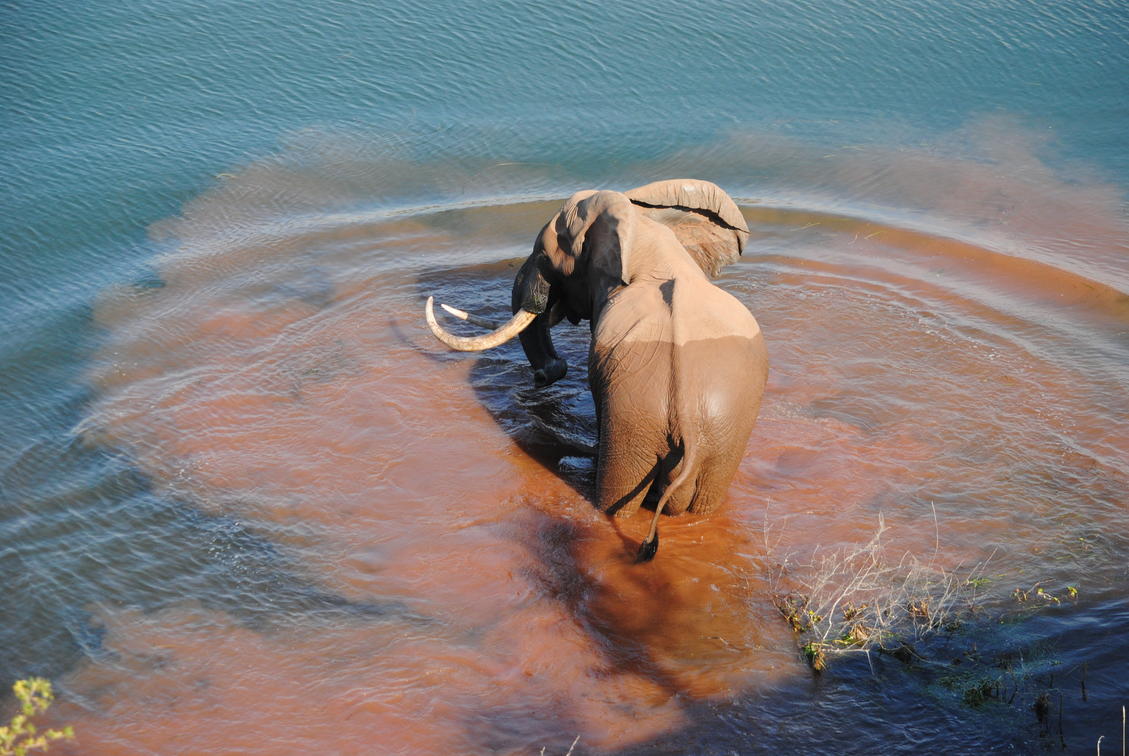
Hwange National Park stands as Zimbabwe's elephant epicentre, sheltering around 45,000 of the nation's herd. These matriarch-led families traverse dusty trails at dawn, their trumpets echoing through acacia groves as they unearth tubers with dexterous trunks. Dry-season waterholes concentrate them into dramatic gatherings, offering unparalleled photographic opportunities.
Beyond Hwange, the Zimbabwe lowveld hosts secondary populations in Gonarezhou and the Save Valley Conservancy, where elephants navigate baobab-dotted plains. Anti-poaching patrols, often involving community rangers, have stabilised numbers since the 1980s, with aerial surveys confirming a 2022 count exceeding 80,000 individuals nationwide. These efforts underscore why Zimbabwe maintains Africa's largest elephant concentrations.
Elephant behaviour shifts with seasons: herds splinter in lush wet months but reconvene during droughts, amplifying sightings from June to October. Travellers witness calves playfully spraying mud, a sensory symphony of earth and water that captivates even seasoned observers.
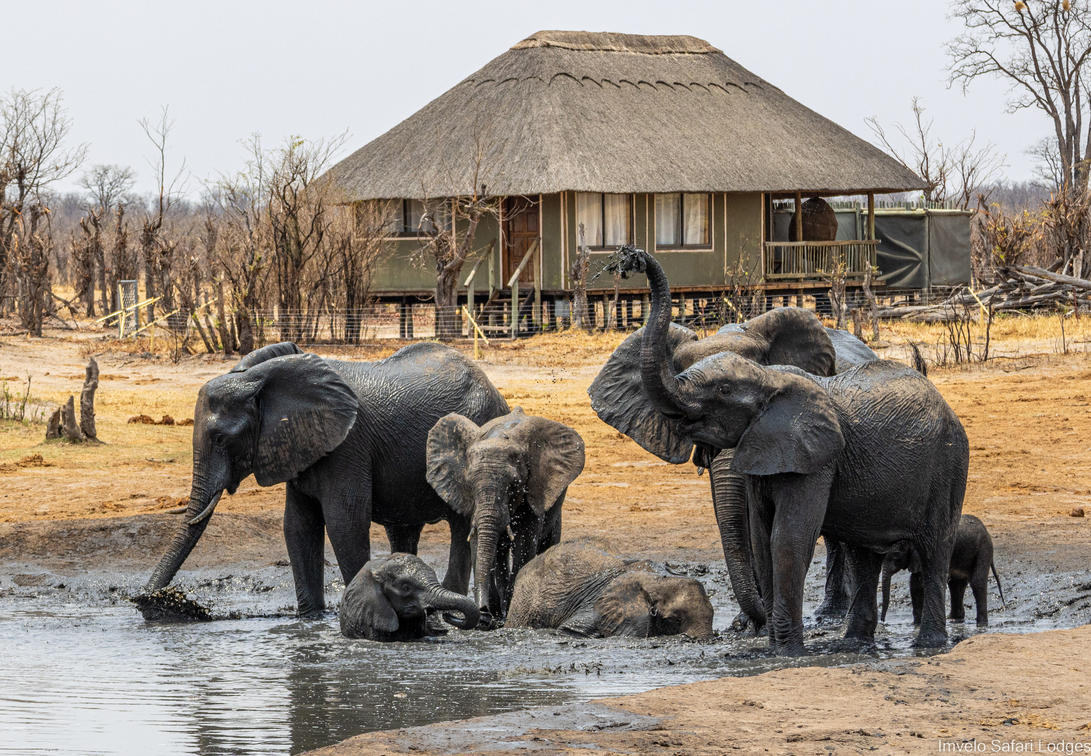
Zimbabwe's 80,000+ elephants roam freely, their survival a testament to vigilant patrols and community resolve.
Black Rhino Revival in Sanctuaries and Parks
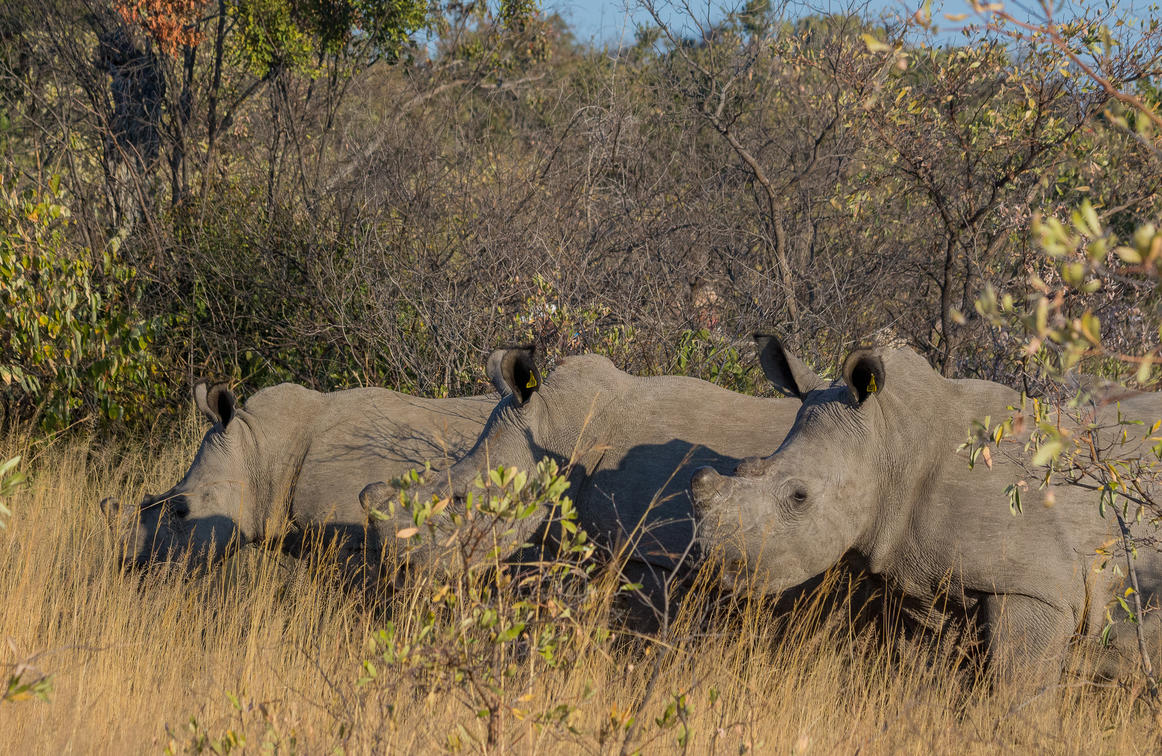
Black rhinos, once perilously low, now number over 800 in Zimbabwe thanks to intensive breeding and translocation programmes. Lowveld Rhino Conservancy and private reserves like Savé Valley lead this resurgence, with rhinos grazing amid fever-tree thickets. Their prehistoric silhouettes against sunset horizons evoke a raw, ancient Africa.
Key Rhino Hotspots
In Matobo National Park, rhinos navigate balancing rock formations, protected by electrified fencing and 24-hour monitoring. Matusadona National Park offers lake-edge encounters, where these herbivores emerge from mopane scrub to drink at Kariba's shores. Reintroduction successes here have boosted populations by 20% since 2015.
Conservation NGOs collaborate with Zimbabwe Parks to track rhinos via radio collars, reducing poaching to near-zero in core areas. Visitors on guided walks observe their quirky feeding—uprooting saplings with prehensile lips—gaining insights into why these critically endangered icons persist.
Predator Dynamics: Lions, Cheetahs, and Leopards
Lions prowl Mana Pools National Park's floodplains, coordinating hunts along the Zambezi where hippos grunt in shallow channels. Prides of up to 30 members dominate territories, their roars piercing the night like thunder. Peak dry months reveal these apex cats atop termite mounds, surveying prey-rich grasslands.
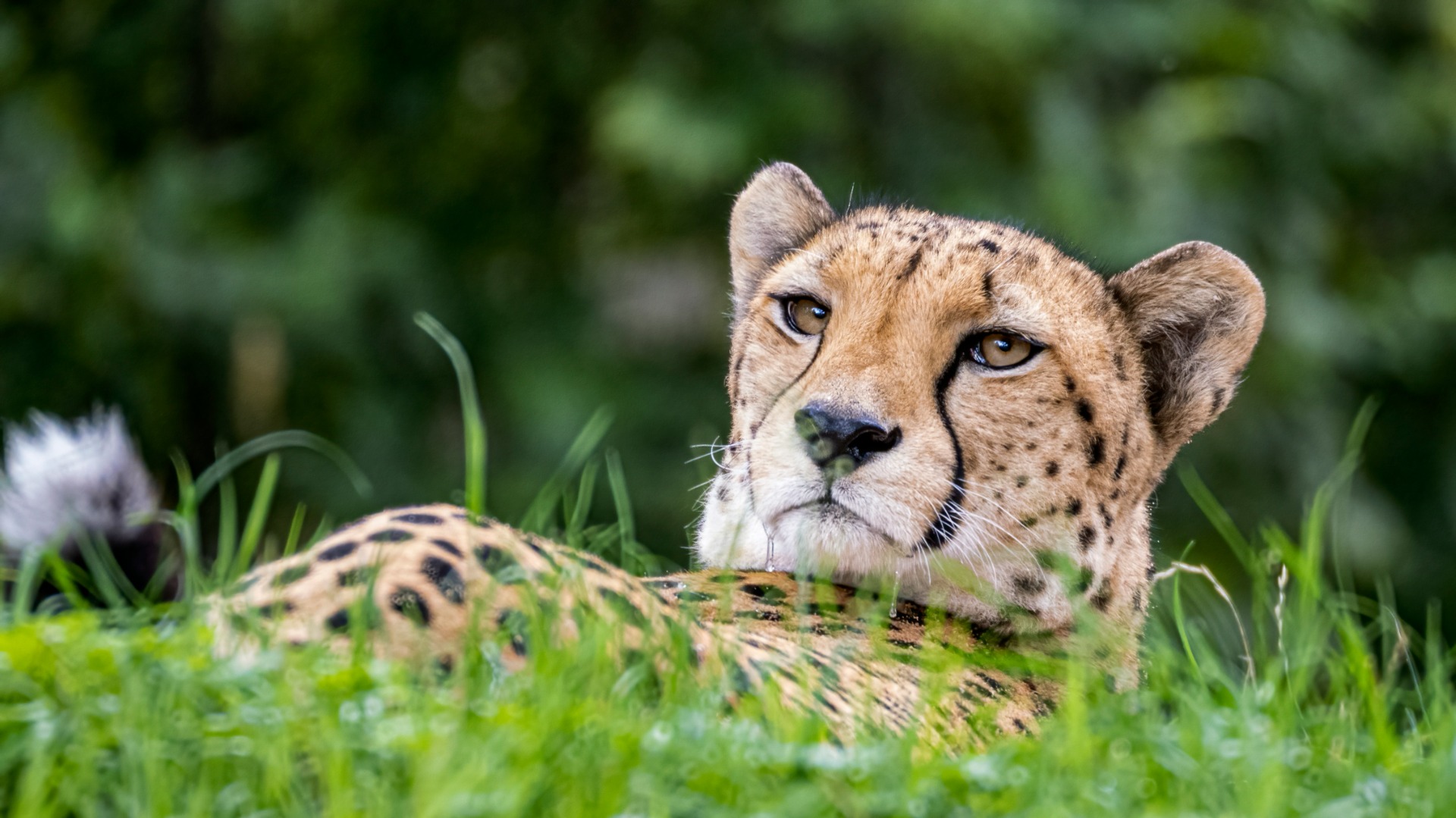
Cheetahs, Africa's fastest land mammals, sprint across Savé Valley's open expanses at speeds hitting 100 km/h. Mothers with cubs teach stalking techniques amid golden grasses, their spotted coats blending seamlessly with the terrain. Zimbabwe's 500+ cheetahs benefit from low lion densities in these conservancies, enhancing survival rates.
Leopards claim solitary realms in Hwange's rocky kopjes and wooded ravines, dragging kills into sausage trees under cover of dusk. Night drives unveil their luminous eyes, a fleeting glimpse of stealth incarnate. These predators embody Zimbabwe's balanced ecosystems, where each species plays a vital role.
Other Iconic Species and Ecosystem Roles
Wild dogs, or painted wolves, den in Matusadona's thickets, their packs yelping in dawn choruses before cooperative hunts. Zimbabwe harbours about 700, with litters tumbling playfully outside burrows. Buffalo herds, numbering thousands in Hwange, draw lions to water points, creating predictable predator-prey spectacles.
Hippos: Aggressive river guardians in Mana Pools, surfacing with cavernous yawns at dusk.
Crocodiles: Ambush masters along Zambezi sandbanks, exceeding 5 metres in length.
Birds: Over 600 species, including carmine bee-eaters nesting in cliffs.
These interactions sustain biodiversity, with elephants engineering habitats by toppling trees, benefiting smaller grazers and browsers alike.
Best Time to Visit for Zimbabwe Wildlife Viewing
The optimal window for observing Zimbabwe's wildlife spans June to October, when dry conditions force animals to predictable water sources. Hwange's pumps attract elephant super-herds of 200+, while Mana Pools' riverine drama intensifies. Temperatures hover at 25-30°C daytime, cooling to crisp nights ideal for bush dinners.
Wet season (November-May) greens the bush but scatters game, though birding peaks with migrants arriving in October. For elephant concentrations, target July-August; rhino sightings favour year-round in fenced sanctuaries. Encounters Africa recommends this dry period for clearest views and minimal dust.
Seasonal Wildlife Highlights
June-August: Elephant herds mass at pumps; lion prides visible on open plains.
September-October: Cheetah cubs learn to hunt; migratory birds flock.
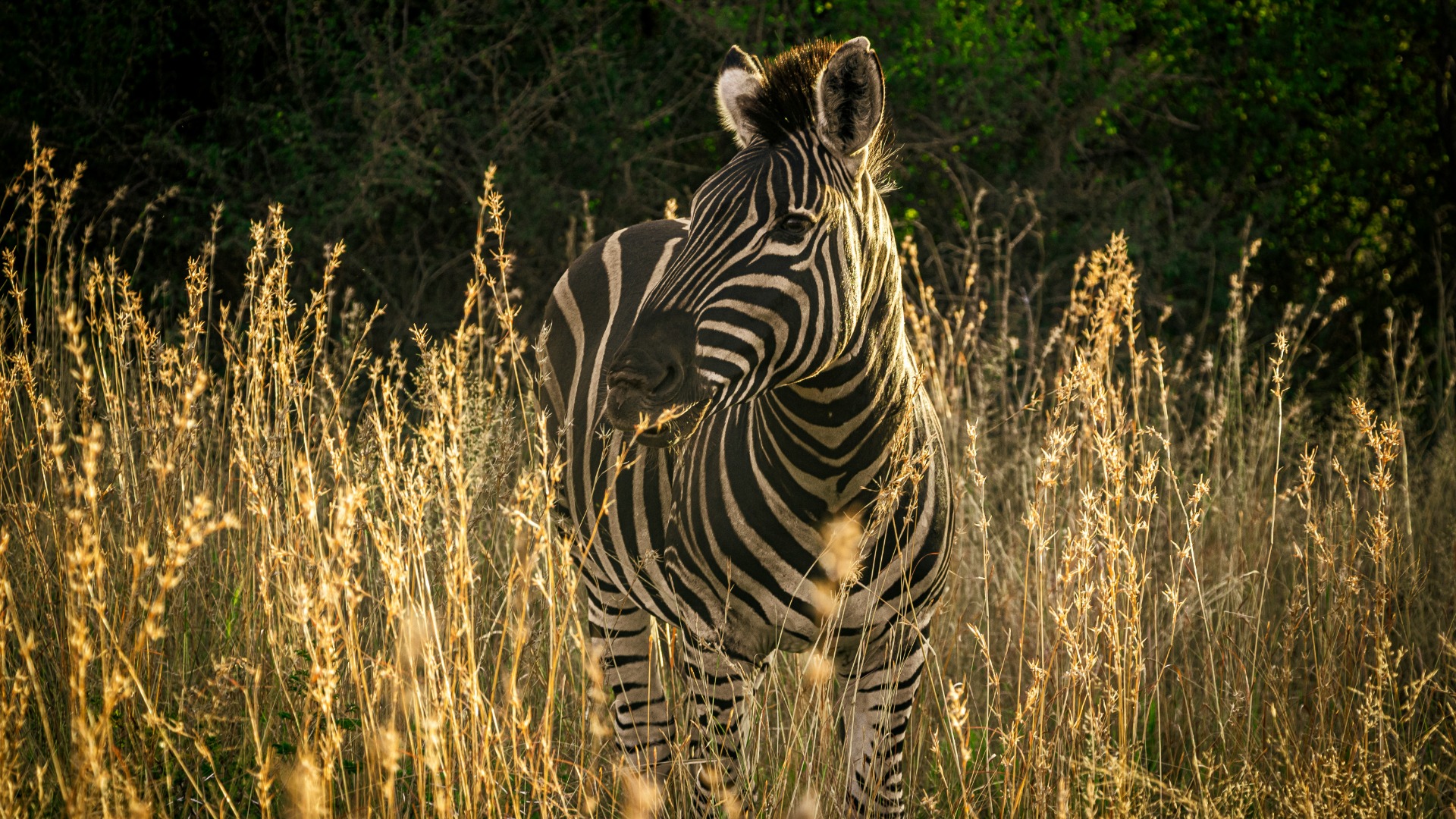
November-March: Zebra foals born; lush scenery for photography.
June-October transforms Zimbabwe's parks into wildlife theatres, with dry riversides staging nature's grandest shows.
Conservation Successes Shaping Zimbabwe Safaris
Zimbabwe's model blends state parks with private conservancies, employing 1,000+ rangers for anti-poaching. The CAMPFIRE programme empowers communities via tourism revenue, reducing human-elephant conflict through crop insurance and awareness. Black rhino numbers have quadrupled since 1990s lows, a global benchmark.
Visitors contribute via track fees funding these initiatives. Ethical safaris with Encounters Africa support low-impact viewing, ensuring these concentrations endure. From drone-monitored herds to rhino dehorning, innovation safeguards tomorrow's spectacles.
For discerning travellers seeking private safaris beyond set itineraries, contact Encounters Africa directly. We specialise in tailor-made journeys for individuals, couples, families, and groups up to eight, curating seamless experiences around your preferences via our network of camps and lodges. Explore Zimbabwe safari itineraries or reach us at our contact page to craft your wildlife odyssey amid Africa's elephant heartlands.
More like this
wildlife
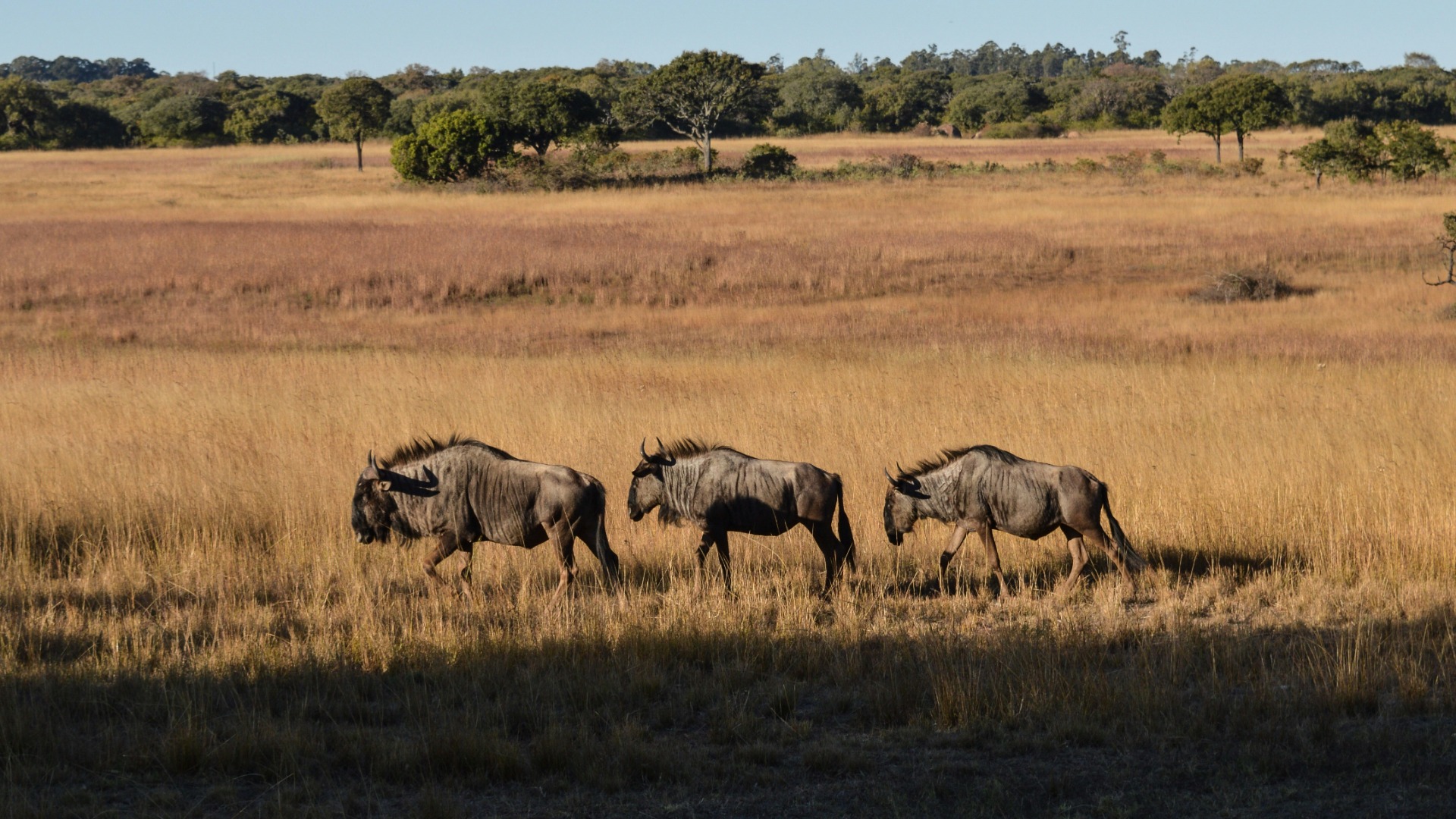
Why Zimbabwe's Elephants Shape Every Habitat They Touch
Wildlife
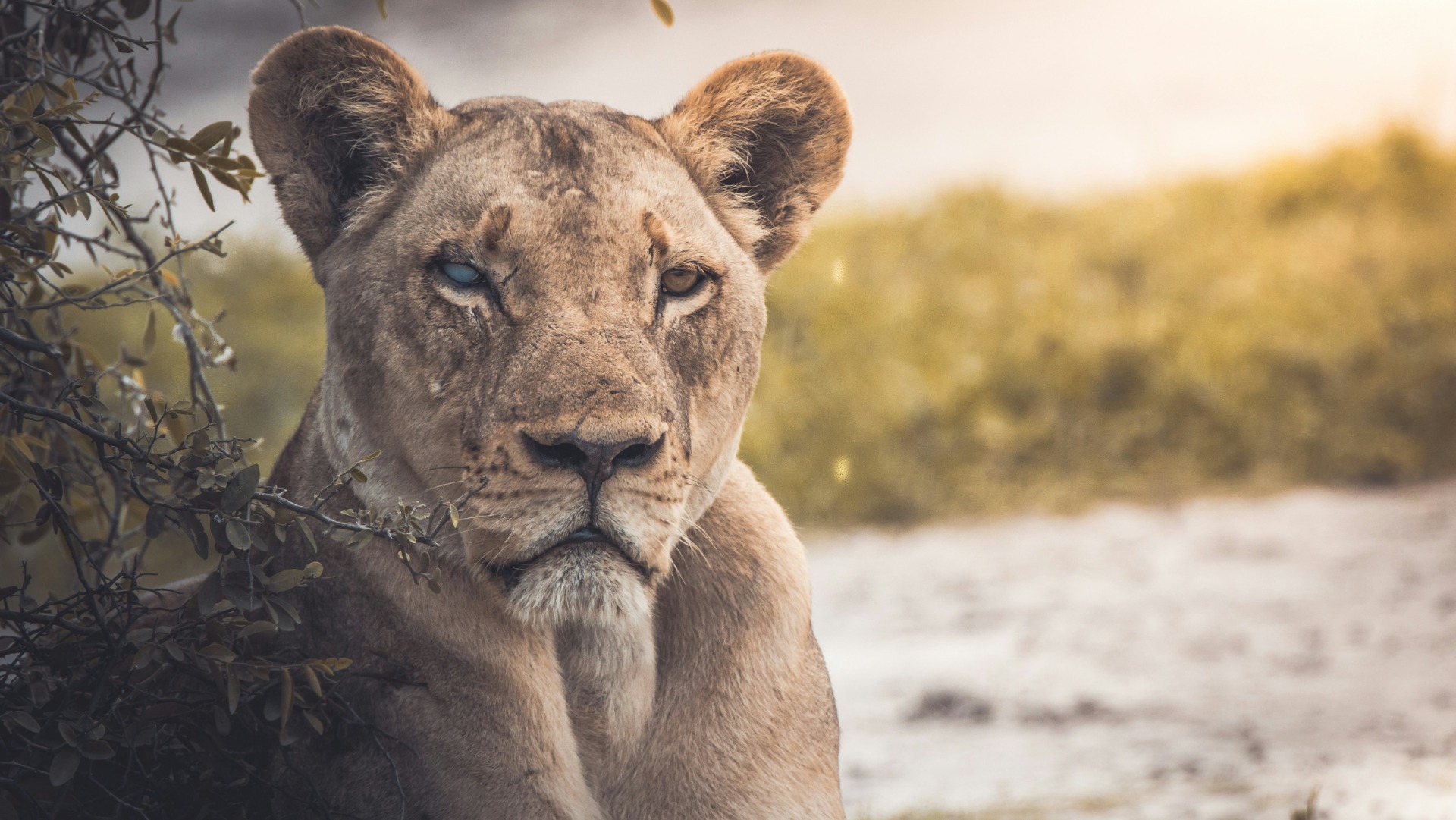
Zimbabwe's Wildlife Numbers That Shape Every Safari Experience
Wildlife
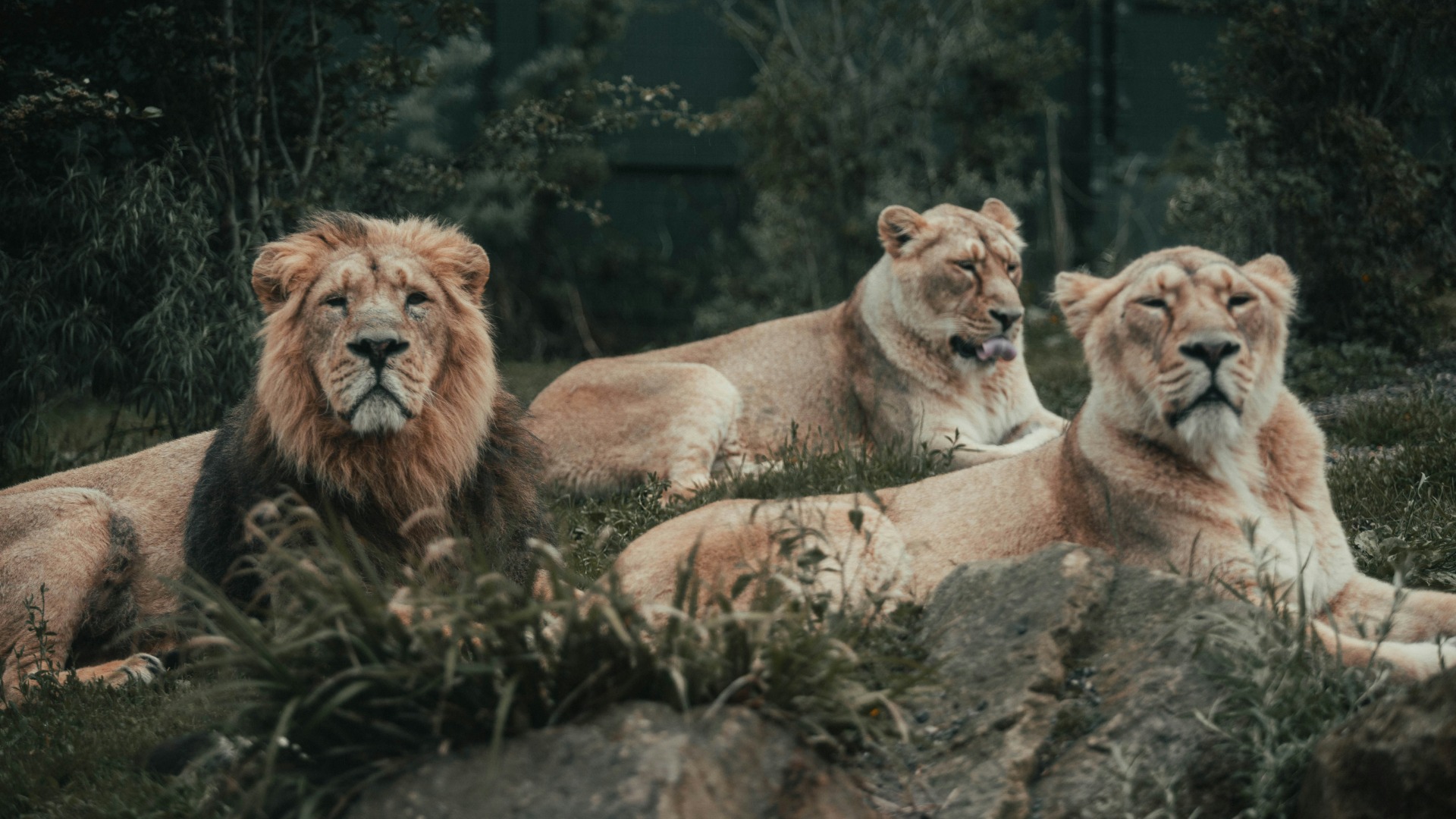
A Single Dawn in Mana Pools: What the Elephants and Lions Revealed
wildlife
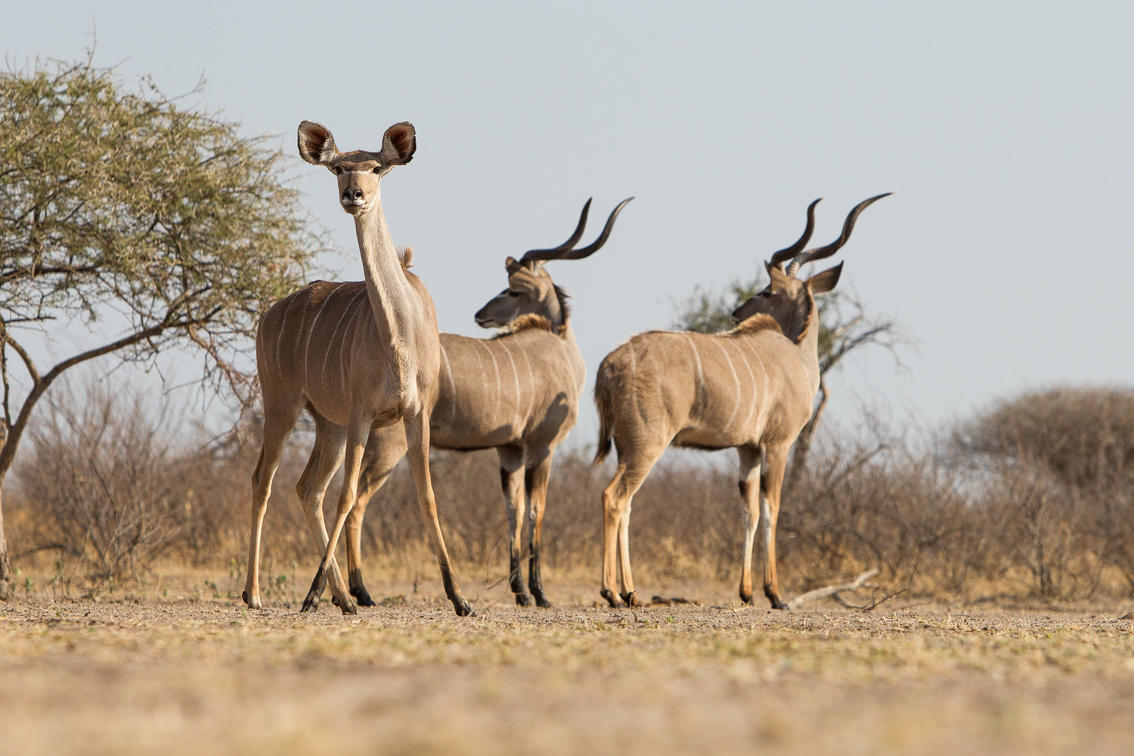
Beginner’s Guide to Spotting Kruger’s Big Five Without Missing a Beat
wildlife
Botswana Wildlife Essentials: Key Species and Prime Viewing Seasons
wildlife