wildlife
Cheetahs Rely on Explosive Speed While African Wild Dogs Master Endurance Hunts
Encounters Africa - 9 min read
Updated on 20 August 2026
On the golden grasslands of the Serengeti, cheetahs unleash bursts of unmatched velocity to snatch prey in seconds, yet African wild dogs succeed through tireless relays that wear down antelope over miles. We follow both predators through a day of hunting to see which strategy truly reigns. The contrast between explosive speed and relentless stamina reveals much about survival in Africa's unforgiving landscapes, where every chase tells a story of adaptation shaped over millennia.
Encounters Africa travellers often witness these dramas unfold during morning game drives, where the dust rises in dramatic plumes and the outcome hinges on a heartbeat. Cheetahs rely on short, devastating sprints reaching 100 kilometres per hour, while African wild dogs cover up to 20 kilometres in a single hunt through coordinated persistence. This article delves into their distinct hunting tactics, offering insights for those planning a safari focused on predator behaviour in Kenya and Tanzania.

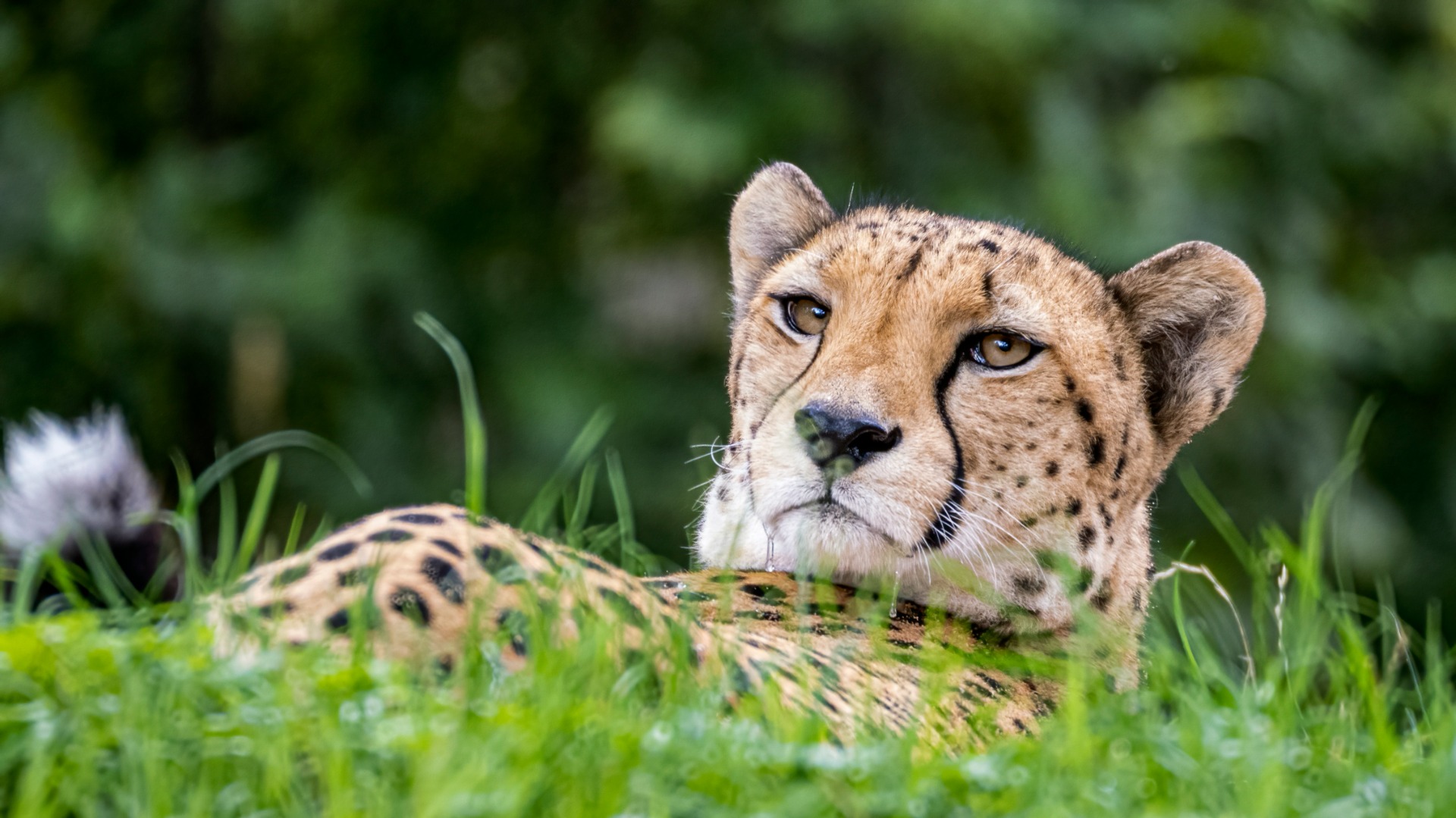
The Sprinting Solitaire: Understanding Cheetah Hunting Strategy
Dawn breaks over the short-grass plains, and a lone cheetah scans the horizon from a termite mound. Her body, built like a coiled spring with elongated legs and a flexible spine, is engineered for one purpose: acceleration. In the first 100 words of this exploration into cheetah versus African wild dog hunting tactics, it becomes clear that her approach hinges on precision timing rather than prolonged effort.
She selects her target carefully, usually a young Thomson's gazelle separated from the herd. Muscles bunch, then release in an explosion that propels her forward. For 20 to 30 seconds, the world blurs as she reaches top speed, her tail acting as a rudder for lightning turns. The chase ends almost as quickly as it begins, with a deft paw swipe to trip the prey followed by a suffocating bite to the throat.
The cheetah's hunt is poetry in motion, a fleeting masterpiece of biomechanics where one mistake ends the performance.
Yet success rates hover around 40 to 50 percent, according to long-term studies in the Serengeti. After the kill, she must eat swiftly before larger predators arrive, often consuming only a fraction of the carcass. This high-risk, high-reward method demands vast territories, sometimes exceeding 1,500 square kilometres for males in coalition.
Physiological Adaptations That Fuel the Cheetah's Burst
Enlarged adrenal glands flood her system with adrenaline, while oversized lungs and heart deliver oxygen at rates unmatched by other felids. Her semi-retractable claws provide grip like running spikes, though they offer little defence once the sprint is over. These traits make her the fastest land animal but leave her vulnerable to injury and kleptoparasitism.
During our journeys with Encounters Africa, guests frequently observe how a cheetah's post-hunt exhaustion can last up to 30 minutes, her breathing laboured as she recovers from oxygen debt that would fell most mammals.
The Pack's Persistence: How African Wild Dogs Excel at Endurance Hunting
As the sun climbs higher, a different scene unfolds several kilometres away. A pack of 12 African wild dogs stirs from their resting spot beneath an acacia. Their mottled coats blend with the dappled light, but it is their social cohesion that defines their hunting success. Unlike the cheetah's solitary sprint, these carnivores employ a relay system that can last for hours, covering distances that would exhaust most prey.
The alpha pair leads the assessment, communicating through subtle ear twitches and soft vocalisations. They select a target, perhaps an impala or wildebeest calf, and begin the pursuit at a steady trot of 10 to 15 kilometres per hour. What follows is a masterclass in stamina: dogs rotate positions, with fresh members taking the lead while others conserve energy. The prey's panic causes it to overheat and falter, allowing the pack to close in for a precise disembowelment.
Where the cheetah bets everything on a single explosive moment, the wild dog invests in collective endurance that turns kilometres into victory.
Data from the Masai Mara shows African wild dogs achieve success rates of 60 to 80 percent, far higher than most carnivores. Their hunts typically cover five to ten kilometres but have been recorded extending beyond 20 in exceptional cases. This efficiency supports larger litters, with packs sometimes raising up to 20 pups in a season under optimal conditions.
Social Intelligence and Physical Traits Behind the Wild Dog's Success
Each member knows its role. Younger dogs learn by following experienced hunters, creating a knowledge transfer that spans generations. Their large, rounded ears dissipate heat during prolonged chases, while powerful jaws deliver bites that maximise blood loss in prey. Unlike cheetahs, they consume nearly every part of the kill, regurgitating meat for pups and injured pack members in a display of remarkable altruism.
Travellers staying at lodges like Angama Mara often witness these intricate social dynamics during evening drives, when the pack's playful reunions after successful hunts light up the golden hour.
Direct Comparison: Speed Versus Stamina in African Predators
When comparing cheetah and African wild dog hunting tactics side by side, the numbers tell a compelling story. Cheetahs reach 100 km/h in three seconds but sustain it for less than half a minute. African wild dogs maintain 15 km/h for extended periods, with top speeds around 55 km/h in short bursts. One relies on anaerobic power; the other on aerobic efficiency.
Prey selection differs too. Cheetahs target smaller, agile species weighing 20 to 60 kilograms, while wild dogs tackle a broader range, from 10-kilogram duikers to adult zebras exceeding 200 kilograms when working as a coordinated unit. Environmental factors influence outcomes: open plains favour the cheetah's visibility and acceleration, whereas broken terrain or longer grass benefits the dogs' ability to maintain contact through scent and sight.
Conservation data adds another layer. Cheetah populations have declined to approximately 7,000 individuals across Africa, largely due to their specialised needs and vulnerability to competition. African wild dogs number around 6,600, facing threats from habitat fragmentation that disrupts their wide-ranging pack movements. Both species remind us that evolutionary success comes in different forms.
In the intricate theatre of the savanna, neither speed nor stamina claims absolute dominance; each predator has carved its niche through generations of refinement.
What This Means for Safari Experiences in East Africa
For those joining Encounters Africa on safari, recognising these differences enriches every sighting. A cheetah mother teaching her cubs to hunt on the plains of Ol Pejeta Conservancy offers a masterclass in focus and timing. Meanwhile, the sight of wild dogs streaming across the landscape in fluid formation creates an unforgettable spectacle of unity and purpose.
Best times to observe these behaviours align with the dry season from June to October in the Serengeti and Masai Mara, when vegetation is lower and prey concentrates around remaining water sources. Morning hours prove most productive, as both species prefer to hunt when temperatures remain moderate.
Common Questions About Predator Hunting Tactics Answered
Which predator has the higher success rate? African wild dogs typically achieve 60-80% success compared to the cheetah's 40-50%, thanks to their collaborative approach that reduces individual risk.
How far can each travel during a hunt? Cheetahs cover up to 500 metres in a sprint, while African wild dogs have been documented pursuing prey for over 20 kilometres in a single expedition.
Do they ever compete directly? Occasionally in overlapping territories, though cheetahs usually avoid areas with high wild dog density due to the risk of losing kills to the more numerous pack.
These insights help travellers appreciate the nuanced balance of Africa's ecosystems and the importance of protecting sufficient space for both strategies to flourish.
Conservation Challenges Facing These Master Hunters
Both species face modern pressures that threaten their ancient rhythms. Cheetahs suffer from low genetic diversity after population bottlenecks, making them susceptible to disease. African wild dogs contend with conflict outside protected areas, where livestock losses can spark retaliatory killings. Initiatives across Kenya demonstrate how community conservancies can create safe corridors linking reserves.
Research continues to illuminate their needs. GPS collar studies reveal that wild dog packs require territories up to 2,000 square kilometres, while cheetahs need secure breeding areas free from lion and hyena interference. Supporting these requirements forms a key part of responsible safari tourism.
By choosing operators committed to conservation, travellers contribute directly to protecting the landscapes where these dramas continue to unfold. Every responsible journey helps ensure future generations can witness the breathtaking contrast between sprint and stamina.

Discovering Africa's Predators on a Tailored Safari
The golden grasslands continue their eternal cycle, where cheetahs still test their explosive speed against the tireless relays of African wild dogs. Each hunt writes another chapter in the complex narrative of survival, teaching us that different paths can lead to equal mastery. For those drawn to these stories, there is no substitute for experiencing them firsthand amid the sounds and scents of the African bush.
Whether watching a cheetah's calculated stalk or following the tireless rhythm of a wild dog pack, these encounters leave an indelible impression. They remind us of the delicate threads connecting predator, prey, and place in one of the world's most dynamic ecosystems.
For discerning travellers seeking a private safari beyond our set itineraries, we invite you to contact us directly. We specialise in designing exceptional, tailor-made journeys for individuals, couples, families, and private groups of up to eight guests. Drawing on our handpicked network of distinguished camps and lodges, we curate every detail with precision and care, creating a seamless, deeply personal safari experience shaped entirely around your preferences, pace, and budget.
Begin your own exploration of these remarkable hunting tactics by reaching out to Encounters Africa today. Let us craft a journey that brings you face to face with the masters of speed and stamina across East Africa's iconic wilderness areas.
More like this
wildlife
Chronicles from Dinaka: Wild Packs Roaming Kalahari Fringe Woodlands
wildlife
Comparing Gorilla and Chimpanzee Tracking in Uganda Versus Rwanda
Wildlife
Field Scientists Follow Namibia's Desert Elephants Along Ancient Watercourses
wildlife
Following the Rhythms: How Botswana Wildlife Adapts Its Movements to Shifting Landscapes
wildlife
Gondwana Game Reserve Wildlife: Species Profiles and Viewing Timetable
wildlife