News
Behind Uganda's Mountain Gorilla Success: What Recent Data Reveals
Encounters Africa - 9 min read
Updated on 17 June 2026
Recent Ugandan news on wildlife conservation brings encouraging updates from the highlands of Bwindi Impenetrable Forest, where mountain gorilla populations have shown steady growth thanks to sustained community engagement and forward-thinking policies. According to the latest census data released by the Uganda Wildlife Authority, the number of these critically endangered primates has risen by approximately 26 percent over the past decade, reaching an estimated 459 individuals within Bwindi alone. This progress reflects a broader commitment across Uganda that blends scientific monitoring with local stewardship, offering a model that resonates far beyond East Africa.
At Encounters Africa we follow these developments closely, recognising that meaningful conservation success stories like this one shape the future of responsible safari travel. The figures not only celebrate biological recovery but also highlight how inclusive approaches can deliver lasting benefits for both wildlife and the people who share their landscapes. For those planning a journey to witness these magnificent creatures, understanding the context behind the numbers deepens the experience considerably.
The steady rise in gorilla numbers is not the result of distant decrees but of daily cooperation between scientists, rangers and the families living at the forest edge.
The Latest Ugandan News on Mountain Gorilla Recovery
Ugandan news outlets and conservation organisations reported in late 2024 that the mountain gorilla population across the Virunga massif and Bwindi now exceeds 1,000 individuals for the first time in modern records. Within Bwindi Impenetrable National Park specifically, the 2023-2024 survey recorded 459 gorillas, up from 400 in the previous count. These surveys, conducted every five to seven years, involve teams of over 100 trained observers walking more than 2,000 kilometres of transects to document nests, feeding signs and direct sightings.
What distinguishes this chapter of Ugandan news on Uganda wildlife is the measurable link between policy reform and population increase. Since the early 1990s, when numbers hovered perilously around 300 in Bwindi, a series of initiatives have transformed the outlook. Strict anti-poaching measures, veterinary support programmes and regulated tourism have all played their part. Yet the most significant shift, according to researchers from the Max Planck Institute and the Dian Fossey Gorilla Fund, has been the genuine integration of neighbouring communities into conservation efforts.
Revenue from gorilla trekking permits, which currently cost $700 per person per day for foreign visitors, is shared directly with local parishes. In 2023 alone, communities around Bwindi received more than $4.2 million in tourism-linked benefits, funding schools, health clinics and agricultural projects. This financial connection has dramatically reduced illegal activity inside the park boundaries.
Community Involvement Driving Conservation Gains
Local people are no longer passive observers but active participants in protecting their natural heritage. Village savings groups now manage woodlots that supply alternative fuel, easing pressure on the forest. Former poachers have been retrained as trackers and guides, bringing intimate knowledge of the terrain to scientific teams. One particularly successful programme pairs young conservation ambassadors with schools, reaching over 15,000 children annually with environmental education.
The human element cannot be overstated. When a child in a nearby village grows up understanding that healthy gorillas support healthy families through tourism income, attitudes shift across generations. Recent studies published in the journal Oryx demonstrate that households participating in these schemes show 68 percent lower rates of forest encroachment compared with non-participating neighbours.
Conservation works best when the people who bear its greatest costs also receive its clearest benefits.
How Policy Changes Have Reshaped Uganda Wildlife News
Policy evolution forms the backbone of positive Ugandan news on Uganda wildlife in recent years. The Uganda Wildlife Authority revised its gorilla tourism regulations in 2018, limiting group sizes to eight visitors per habituated family and capping daily encounters at two. These measures, while reducing short-term revenue, have demonstrably improved animal welfare and allowed groups to spend more time feeding naturally rather than reacting to human presence.
Simultaneously, the government expanded the network of community-managed buffer zones around Bwindi. These multiple-use areas now cover more than 300 square kilometres, providing sustainable resource collection points that keep people out of the core protected zone. Satellite monitoring data from 2020 to 2024 shows a 41 percent reduction in forest loss within these buffer zones compared with the previous five-year period.
International partnerships have reinforced these domestic efforts. The International Gorilla Conservation Programme, a coalition involving Fauna & Flora and the governments of Uganda, Rwanda and the Democratic Republic of Congo, has coordinated transboundary monitoring that tracks genetic health across the entire Virunga population. Their 2024 health assessment found infant mortality rates at historic lows of under 8 percent, another marker of improving conditions.
Scientific Monitoring and Technological Advances
Modern conservation increasingly relies on technology that would have seemed unimaginable two decades ago. Camera traps, GPS collars on sentinel animals and environmental DNA sampling from water sources now supplement traditional foot patrols. The Bwindi-Sarambwe landscape benefits from a real-time surveillance system that alerts rangers to potential threats within minutes.
Genetic studies continue to reveal important insights. Analysis of more than 1,100 samples collected since 2018 shows increasing genetic diversity within the Bwindi population, suggesting successful natural exchange between different social groups. This genetic resilience strengthens the population's ability to withstand disease and environmental pressures.
What the Numbers Actually Tell Us About Uganda's Gorillas
While headlines naturally focus on the headline population increase, the detailed data offers richer understanding. Of the 459 gorillas recorded in Bwindi, 39 percent are infants and juveniles, indicating a healthy reproductive rate. The average group size has grown from 10.5 to 12.3 individuals, suggesting improved food security and reduced stress levels.
Yet conservationists remain cautious. The entire global mountain gorilla population still numbers just over 1,000, making them extremely vulnerable to outbreaks of human-transmitted diseases. The COVID-19 pandemic brought this risk into sharp focus, leading to enhanced health protocols that remain in place today. All visitors must now maintain a seven-metre distance and wear masks during gorilla encounters, significantly reducing transmission risk.
The success in Bwindi has also highlighted the importance of protecting adjacent habitats. Recent Ugandan news reports that connectivity corridors between Bwindi and the Sarambwe forest in the Democratic Republic of Congo are being strengthened, allowing for natural gene flow that will be crucial for long-term viability.
These gorillas are not isolated icons but living threads in a complex ecological and social fabric that spans international boundaries.
Implications for Responsible Safari Travel to Uganda
For travellers planning to visit, these developments carry practical significance. Permits for gorilla trekking remain limited and in high demand, with availability often booked months in advance. The revenue these permits generate directly supports the conservation work that has driven the population increase, making every journey a contribution to the species' future.
Choosing where to stay matters enormously. Properties that work closely with neighbouring communities tend to deliver richer experiences while ensuring benefits flow locally. Bwindi Lodge, for instance, has long supported education programmes that have seen literacy rates in surrounding villages rise dramatically over the past fifteen years.
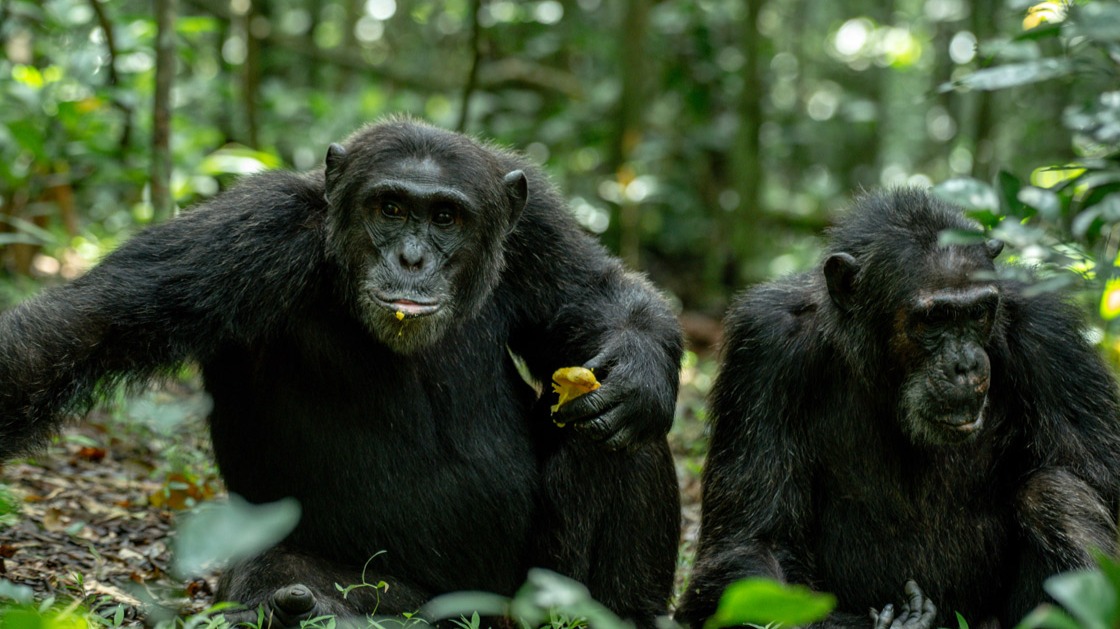
Visitors should also consider combining their gorilla experience with time in other Ugandan protected areas. Uganda offers remarkable diversity, from the tree-climbing lions of Queen Elizabeth National Park to the chimpanzees of Kibale Forest. A well-designed itinerary might include several days tracking gorillas followed by exploration of these complementary ecosystems, creating a fuller picture of the country's natural heritage.
Preparing for a Meaningful Gorilla Encounter
Physical fitness is essential for gorilla trekking, as hikes can involve steep terrain and dense vegetation. Most operators recommend a reasonable level of cardiovascular fitness and sturdy hiking boots. The experience itself typically lasts between two and six hours depending on where the gorilla group has ranged that day.
Respectful behaviour during encounters enhances both the visitor experience and the animals' welfare. Speaking quietly, avoiding sudden movements and following your guide's instructions to the letter ensures the encounter remains positive for all involved. Many travellers describe the moment of first eye contact with a wild mountain gorilla as transformative, a memory that stays with them long after returning home.

Looking Ahead: Sustaining Momentum in Ugandan Conservation
The gains recorded in recent Ugandan news represent years of patient work rather than sudden breakthroughs. Maintaining this positive trajectory will require continued investment, adaptive management and unwavering community support. Climate change presents new challenges, with shifting rainfall patterns already affecting fruiting cycles that gorillas depend upon.
Encouragingly, Uganda has demonstrated willingness to innovate. Pilot projects using beehive fences to reduce human-elephant conflict around Bwindi have shown promising results, potentially offering models for other parts of the continent. Similarly, expanded veterinary outreach programmes are improving livestock health in communities bordering the park, reducing the risk of disease transmission to wildlife.
The story of Bwindi's gorillas reminds us that conservation success is possible even in complex landscapes where people and wildlife have long coexisted. It offers genuine grounds for optimism at a time when many species face mounting pressures.
Planning Your Own Journey Into Uganda's Forests
Understanding the context behind Uganda's mountain gorilla success stories enriches any visit to this remarkable country. The data reveals not just biological recovery but a more profound narrative of partnership between people and nature. Each responsibly conducted safari becomes part of the solution rather than part of the problem.
For discerning travellers seeking a private safari beyond our set itineraries, we invite you to contact us directly. We specialise in designing exceptional, tailor-made journeys for individuals, couples, families, and private groups of up to eight guests. Drawing on our handpicked network of distinguished camps and lodges, we curate every detail with precision and care, creating a seamless, deeply personal safari experience shaped entirely around your preferences, pace, and budget.
Whether your interests lie in extended gorilla habituation experiences, photographic expeditions or simply witnessing these gentle giants in their ancient forest home, we can craft an itinerary that honours both your aspirations and the extraordinary conservation work happening on the ground. The opportunity to contribute to such positive Ugandan news on Uganda wildlife through conscientious travel is one we believe many thoughtful travellers will find deeply rewarding.
Discover more about Uganda gorilla safaris or explore our thoughts on community conservation in Africa to deepen your understanding before departure. We look forward to helping you create memories that matter in this singular corner of East Africa.
More like this
News
Botswana Deploys AI-Enabled Drones to Disrupt Poaching Networks in the Delta
news
Botswana Safari Shifts in 2026: Key Stories from Top Reports
news
Botswana Tightens Poaching Penalties in 2026: Key Law Changes for Travelers
News
Botswana Wildlife News: Key Updates from the Delta and Beyond
News
Botswana's New Strategy for Elephant Conservation Shows Early Promise
news