News
After Years of Drought, Botswana's Elephant Herds Find New Pathways
Encounters Africa - 9 min read
Updated on 17 June 2026
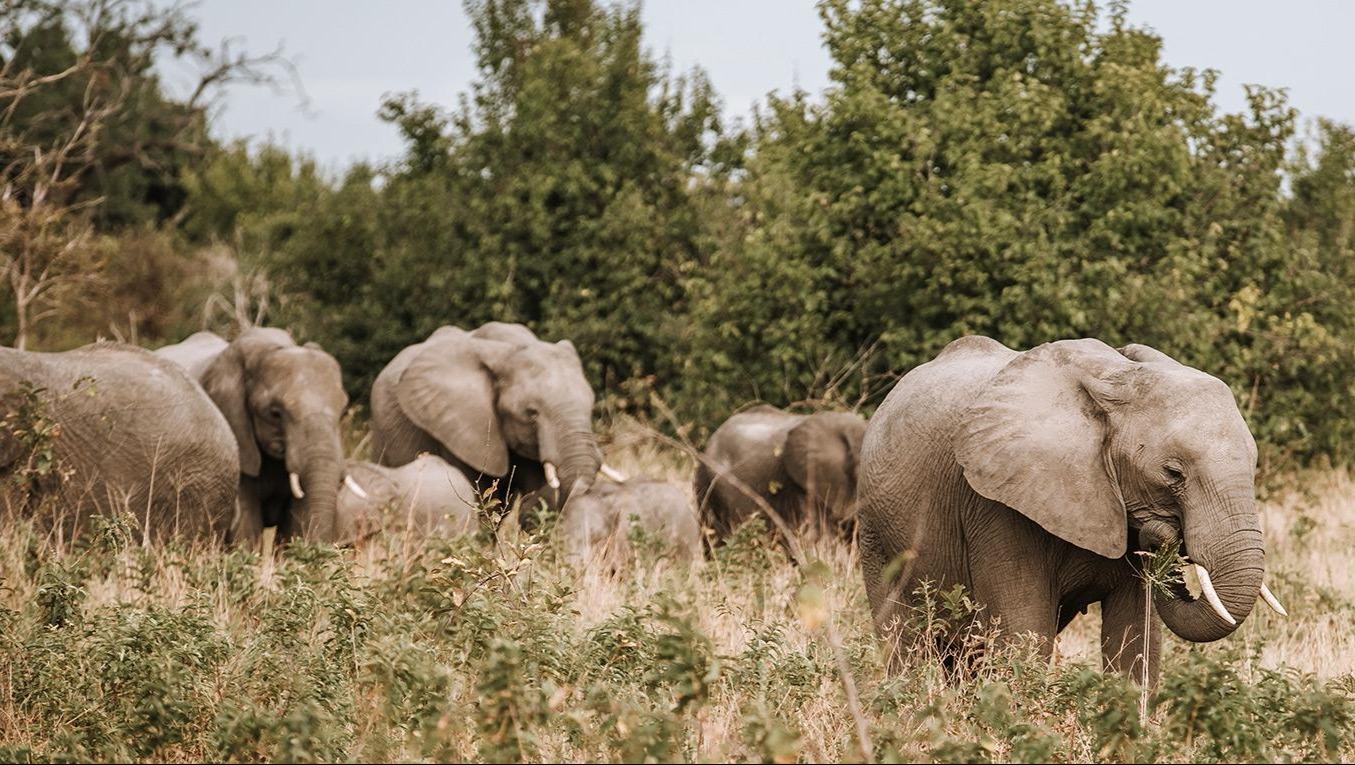
Recent studies on Botswana wildlife have captured the attention of conservationists and safari enthusiasts alike. After years of prolonged drought, elephant herds in the country are demonstrating remarkable adaptability by forging new migration pathways that circumvent drying riverbeds. This development offers encouraging signs for the long-term resilience of these iconic animals amid shifting rainfall patterns across Southern Africa.
A comprehensive tracking project led by Botswana's Department of Wildlife and National Parks, in partnership with international researchers, has documented how family groups are navigating altered landscapes. Using GPS collars fitted to 28 matriarchs across key regions, scientists have mapped movements that reveal flexible strategies for accessing water and forage. The findings underscore the dynamic nature of Botswana wildlife in response to environmental pressures.
Elephants have walked these lands for millennia; now, in the face of changing skies, they are teaching us new routes to survival.
The Impact of Extended Drought on Botswana's Landscapes
Botswana experienced one of its most severe dry periods between 2015 and 2022, with annual rainfall in the northern regions dropping by nearly 40 percent in some years according to meteorological records. The Chobe River and sections of the Boteti River - Makgadikgadi Pans National Park saw sustained low water levels, forcing wildlife to seek alternatives to traditional corridors. This prolonged aridity tested the adaptability of species across the Kalahari and surrounding basins.
Vegetation surveys conducted in 2023 showed a 25 percent reduction in palatable browse within 10 kilometres of major waterways during peak dry months. Yet rather than decline, many elephant populations maintained stable numbers by expanding their range. Data from satellite imagery reveals how herds began utilising previously underused floodplains and seasonal pans that had been overlooked in drier cycles of the past.
These environmental shifts have ripple effects on the broader ecosystem. Predators such as lions and wild dogs must also adjust their hunting territories, while smaller herbivores face increased competition around remaining water sources. Understanding these interconnected changes forms the backbone of modern conservation planning in the region.
How Climate Data Informs Future Planning
Long-term weather stations established in Maun and Kasane since the early 2000s provide detailed records that help model future scenarios. Projections suggest that by 2040, the frequency of severe drought years could increase from one in seven to one in four. Such statistics guide decisions about water management and protected area boundaries.
Researchers emphasise that these patterns are not uniform. While the Okavango Delta retains relative stability thanks to its vast underground aquifer, peripheral zones experience more pronounced fluctuations. This variability explains why elephant movements now show greater seasonal diversity than recorded in studies from the 1990s.

New Tracking Studies Reveal Adaptive Migration Routes
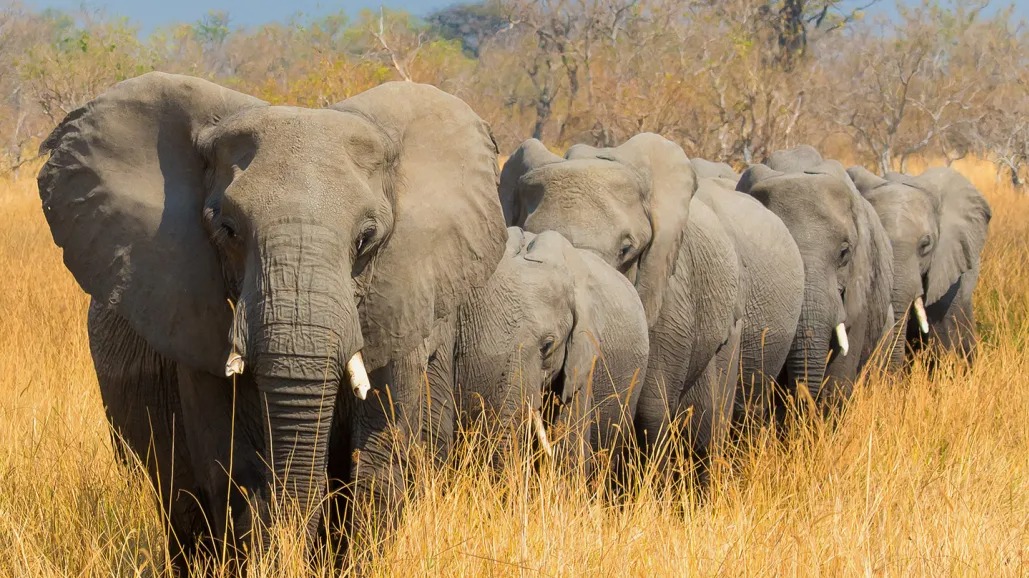
The core of recent news on wildlife in Botswana comes from an ambitious collaring initiative that began in late 2022. By following 28 elephant matriarchs across three distinct populations, biologists have gathered more than 180,000 location points. The data shows clear deviations from historic pathways, with several herds now travelling up to 70 kilometres further west during the dry season to reach reliable springs in the Central Tuli Block.
One particularly illuminating case involves a group traditionally associated with the Chobe River Front. Instead of following the receding waters northward, these elephants have established a new corridor through the Nogatsaa - Chobe National Park woodlands, linking to lesser-known pans that hold water longer than expected. The route crosses community lands where local residents have welcomed the animals with newly installed wildlife-friendly fencing.
Similar patterns emerge in the south, where family units from the Makgadikgadi Salt Pans now integrate movements between the Boteti River - Makgadikgadi Pans National Park and private concessions further east. These adjusted paths reduce pressure on overused areas while distributing grazing impact more evenly across the landscape.
What we once viewed as fixed migration routes are proving to be far more fluid, shaped by memory, experience and necessity.
Technological Advances Supporting Research
Modern collars transmit data every four hours via satellite, allowing near real-time monitoring that was impossible a decade ago. Combined with ground observations from ranger teams, this creates a comprehensive picture of daily decisions made by elephant leaders. Machine learning algorithms now help identify recurring patterns that might indicate learned behaviour passed between generations.
Drone surveys complement the collar data by providing visual confirmation of herd sizes and composition. In one 2024 flight over the Khwai Community Area, technicians counted 87 individuals using a route that had not been documented in previous aerial counts from 2018.
Implications for Conservation and Local Communities
The discovery of these new pathways carries significant weight for land-use planning. Several routes traverse areas managed by community trusts, highlighting the importance of meaningful engagement with residents who share space with Botswana wildlife. In the Khwai Community Area and surrounding concessions, leaders have worked alongside researchers to establish designated crossing points that minimise conflict with livestock.
Compensation schemes for crop damage have been refined based on the tracking information, with payments now calculated according to verified elephant presence rather than anecdotal reports. This data-driven approach has strengthened relationships between conservation organisations and rural households, fostering greater tolerance for wildlife on community land.
From a broader perspective, the findings reinforce the value of maintaining connected landscapes rather than isolated parks. The ability of elephants to move between Moremi Game Reserve, community areas, and private reserves demonstrates how a mosaic of land tenures can support viable populations even under stress.
Human-Elephant Coexistence in Practice
Practical measures include the installation of beehive fences in key zones, capitalising on elephants' natural aversion to bees. Farmers in the Okavango Panhandle report a 65 percent reduction in nighttime raids since the programme expanded in 2021. Such innovations blend traditional knowledge with contemporary science, creating solutions that benefit both people and animals.
Education programmes in local schools now incorporate the tracking data, helping young Batswana understand the challenges facing their national heritage. This growing awareness supports long-term commitment to conservation across generations.

What These Findings Mean for Safari Experiences
For those planning journeys with Encounters Africa, the evolving movements of elephant herds create fresh opportunities to witness dynamic wildlife behaviour. Guests at camps in the Selinda Reserve or Duba Plains Private Reserve may now observe groups following routes that few visitors have previously encountered. These shifting patterns add an element of discovery to each game drive, reminding us that wild places continue to evolve.
Experienced guides use the latest information to anticipate likely sightings while maintaining respect for the animals' need for undisturbed movement. Morning and afternoon drives in areas like the Khwai often reveal family groups moving purposefully along their adapted corridors, trunks raised to test the wind and feet stirring ancient dust.
The story of adaptation extends beyond elephants. Buffalo herds in the Savuti - Chobe National Park have similarly adjusted their seasonal patterns, while zebra populations show increased use of man-made water points during extreme dry spells. These collective responses paint a picture of an ecosystem in flux yet displaying surprising resilience.
Each new pathway carved through the bush carries the quiet message that nature finds ways forward when given the space to do so.
Looking Ahead: Monitoring and Supporting Resilience
Ongoing research will continue to track how these new routes perform during future drought cycles. Scientists plan to expand the collaring programme to include younger females, seeking to understand how knowledge transfers within matriarchal societies. Additional studies will examine the impact on vegetation recovery in areas now receiving lighter grazing pressure.
International funding has supported the establishment of eight new water monitoring stations in understudied regions, providing essential baseline data. Partnerships with universities in South Africa and Europe ensure that findings reach global audiences while directly informing local policy.
Community conservancies play an increasingly central role. Revenue from photographic tourism helps fund borehole maintenance and habitat restoration projects that complement the elephants' adaptive strategies. When travellers choose responsible operators, they contribute meaningfully to these efforts.
Common Questions About Botswana's Changing Wildlife Patterns
What is the best time to visit Botswana to observe elephant movements? The dry season from May to October typically offers the clearest opportunities to witness wildlife gathering around water sources, though the newly documented routes mean sightings can occur across wider areas year-round. Late dry season often reveals the most dramatic concentrations as animals follow their adapted paths.
How do these changes affect other species? Research from 2023 indicates that 14 mammal species have shown measurable range adjustments in response to elephant movements. Predators benefit from more dispersed prey, while certain bird populations have increased in areas where new corridors create additional habitat diversity.
Can visitors contribute to this research? Several lodges participate in citizen science programmes where guests help record sightings that supplement professional data collection. Such involvement deepens the safari experience while supporting valuable scientific work.
Planning Your Journey with Encounters Africa
The resilience shown by Botswana's elephant populations reminds us why protecting connected landscapes matters so profoundly. These new pathways represent not just survival, but a powerful example of nature's capacity to adjust when given sufficient space and thoughtful management. For discerning travellers seeking a private safari beyond our set itineraries, we invite you to contact us directly. We specialise in designing exceptional, tailor-made journeys for individuals, couples, families, and private groups of up to eight guests. Drawing on our handpicked network of distinguished camps and lodges, we curate every detail with precision and care, creating a seamless, deeply personal safari experience shaped entirely around your preferences, pace, and budget.
Whether your interest lies in witnessing these adaptive behaviours firsthand at Duba Plains Camp or exploring the broader implications of conservation in the Okavango Delta, our team stands ready to craft an itinerary that aligns with your curiosity. By travelling responsibly with Encounters Africa, you become part of the solution that helps ensure Botswana wildlife continues to thrive amid changing conditions.
Reach out today through our enquiry form to begin shaping your own meaningful encounter with this remarkable corner of Africa. The elephants are moving in new directions; perhaps it is time for your own journey to follow.
More like this
News
Behind Uganda's Mountain Gorilla Success: What Recent Data Reveals
News
Botswana Deploys AI-Enabled Drones to Disrupt Poaching Networks in the Delta
news
Botswana Safari Shifts in 2026: Key Stories from Top Reports
news
Botswana Tightens Poaching Penalties in 2026: Key Law Changes for Travelers
News
Botswana Wildlife News: Key Updates from the Delta and Beyond
News