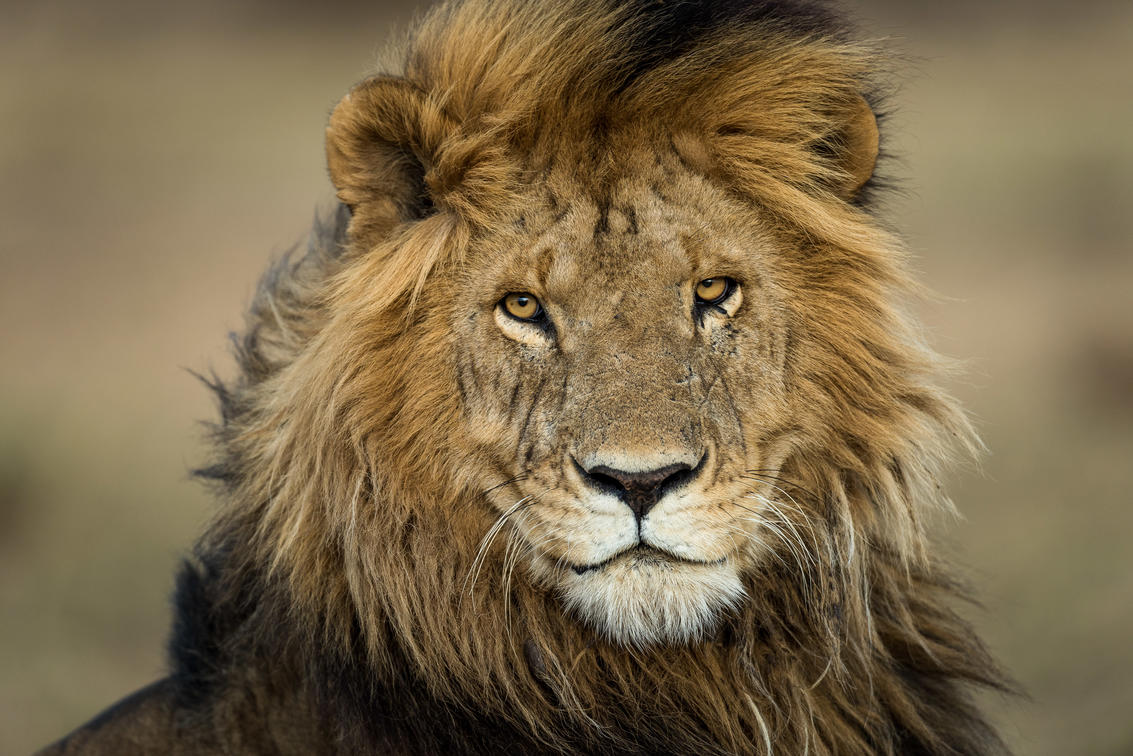
photography
10 Fresh Photography Techniques for Kenya's Elite Safaris
Encounters Africa - 7 min read
Updated on 1 May 2026
Capture the Maasai Mara's raw drama with these 10 expert tips on low-light cheetah pursuits and elephant silhouettes from high-end lodges. Kenya luxury safaris offer unparalleled access to the continent's most iconic wildlife, where golden-hour light bathes vast plains and intimate game drives from elite camps reveal fleeting moments of untamed beauty. As a seasoned safari photographer with Encounters Africa, I've honed these fresh techniques to elevate your images from snapshots to gallery-worthy masterpieces.
These 10 latest photography techniques for Kenya's elite safaris draw on cutting-edge gear and field-tested strategies, tailored for the Kenya's dynamic landscapes like the Masai Mara and Amboseli. Expect practical advice on everything from drone ethics to AI-enhanced editing, ensuring your portfolio captures the drama of predator chases and serene elephant herds against volcanic backdrops. Whether you're a seasoned pro or an enthusiast with a mirrorless camera, these tips will transform your luxury safari into a visual triumph.
1. Master Low-Light Cheetah Pursuits with High ISO Mastery
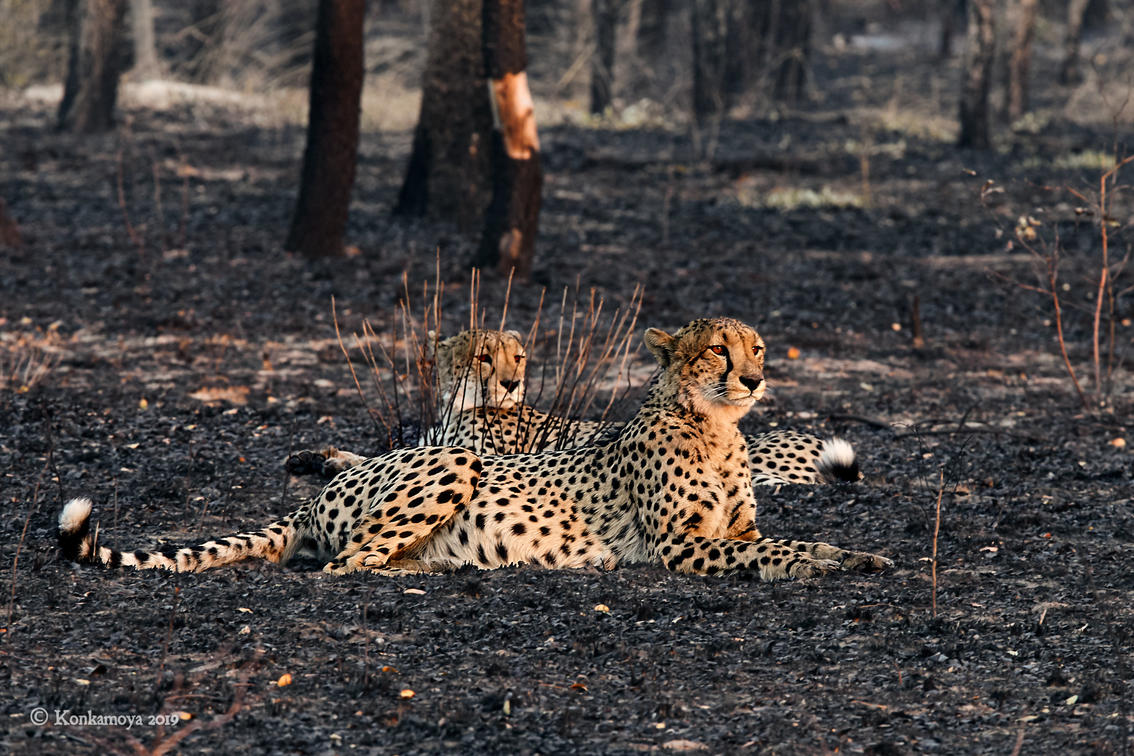
Dawn and dusk game drives in the Masai Mara coincide with cheetah hunts, when light fades fast and action explodes. Push your camera's ISO to 6400 or higher on modern full-frame sensors like the Sony A1 or Canon R5, paired with fast f/2.8 lenses, to freeze motion without blur. Use AI noise reduction in post-processing tools like Lightroom's latest algorithms to retain detail in shadowy fur and dust clouds.
Position yourself downwind from your luxury lodge's private concession, anticipating the cheetah's burst speed of 100 km/h. Enable burst mode at 20 fps and focus on continuous AF with animal eye detection—cheetahs' piercing gaze becomes your centrepiece. Test this in the Mara's Naboisho Conservancy, where encounters average three per drive during peak migration.
"In the Mara's fading light, high ISO turns cheetah sprints into frozen poetry—raw power etched in every whisker."
2. Craft Elephant Silhouettes Against Kilimanjaro's Glow
From Amboseli National Park's high-end lodges, frame elephant herds as dramatic silhouettes with Mount Kilimanjaro's snow-capped peak piercing the horizon at sunrise. Use a 400mm telephoto at f/8 to compress the scene, exposing for the sky to render foreground subjects as bold black outlines against fiery orange skies. Scout ridges for backlit opportunities, where dust from lumbering giants adds ethereal texture.
Refine with graduated ND filters to balance the sun's glare, and shoot RAW for recovering shadow details in tusks and trunks. This technique peaks in July-August dry seasons, when waterholes concentrate over 2,000 elephants daily, creating layered compositions of family bonds under Africa's highest freestanding mountain.
3. Harness Drone Perspectives Ethically in Remote Conservancies
Kenya's private conservancies like Olare Motorogi permit licensed drone use from select luxury camps, offering bird's-eye views of wildebeest rivers during the Great Migration. Opt for compact models like the DJI Mini 4 Pro under 250g to comply with regulations—no permits needed below this weight. Launch at safe altitudes (50-100m) from game drive tracks, capturing sweeping aerials of lion prides on the prowl.
Adhere to strict ethics: maintain 300m distance from wildlife, avoid breeding seasons (January-March for most species), and brief your guide beforehand. Edit with hyperlapse for dynamic migration flows, turning static landscapes into cinematic narratives from your elite safari base.
4. Optimise Golden Hour Big Cat Portraits with Off-Camera Flash
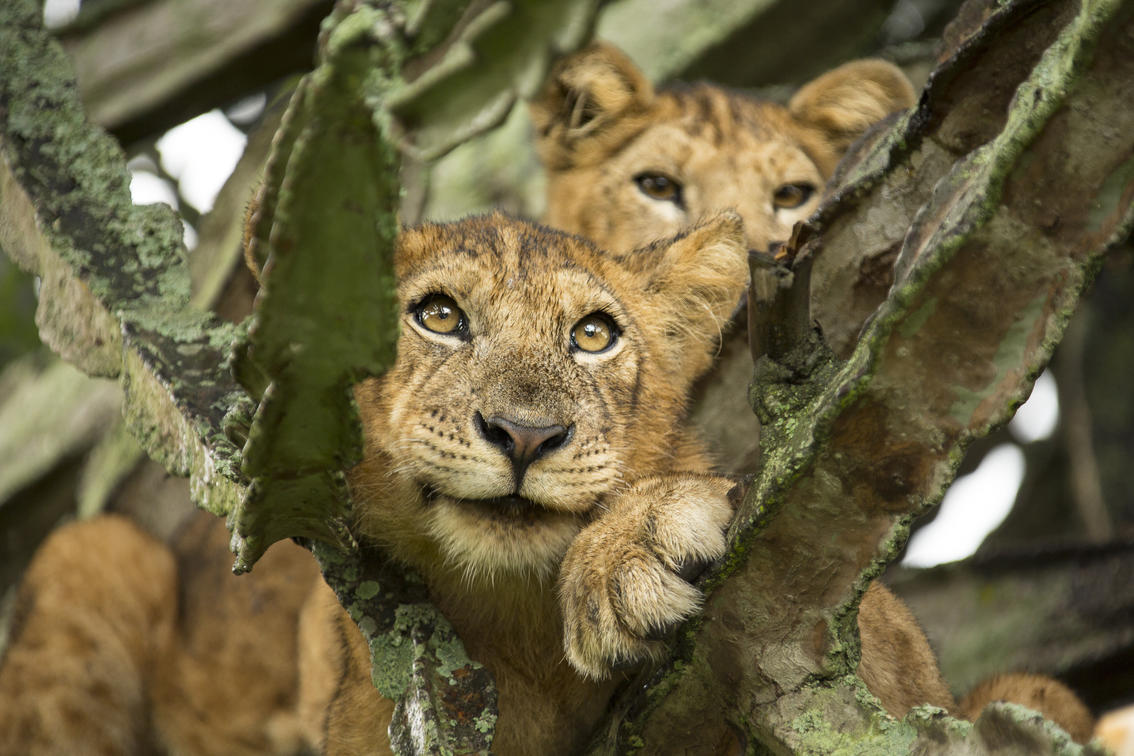
Lions and leopards emerge at golden hour in Masai Mara National Reserve, their eyes gleaming in warm light. Mount a Godox V1 flash off-camera on a bracket, diffused with a MagMod sphere, to sculpt natural-looking fill light that pops golden manes without harsh shadows. Set flash at 1/200s sync speed, balancing with ambient exposure for creamy bokeh at f/4.
From mobile tented camps, stalk patiently during the July-October migration when cat sightings surge 40%. This setup reveals whisker details and muscular contours, elevating portraits beyond standard telephoto shots.
"Golden hour flash unlocks the soul of big cats—eyes that pierce the savannah's heart from your private Mara vantage."
5. Track Migration Chaos with Panning and Motion Blur
The Masai Mara's Great Migration unleashes 1.5 million wildebeest crossing the Mara River 10-12 times between July and October. Master panning at 1/30s shutter speeds with a 70-200mm lens to blur hooves and dust while sharpening lead animals' heads, conveying the thunderous energy. Practise on galloping zebra herds first, locking servo AF on the focal point.
Position on riverbanks accessible via luxury safari vehicles from elite lodges like Elewana Sand River Masai Mara. This technique captures the migration's raw peril and scale, far from crowded public reserves.
Best Time for Kenya Safari Photography: Seasonal Breakdown
The peak season for Kenya luxury safari photography runs from July to October, aligning the Great Migration with long golden hours and low-angle light ideal for dramatic wildlife portraits. Dry conditions concentrate animals at water sources, boosting encounter rates by 60% compared to green seasons. January to March offers calving spectacles in the Mara, with neon-green plains contrasting fluffy newborns.
Dry Season Advantages (June-October)
Minimal rain ensures dust-kissed scenes and predictable animal movements. Amboseli's clear skies reveal Kilimanjaro 90% of days, perfect for silhouettes.
Green Season Magic (November-May)
Lush landscapes and baby animals abound, with fewer visitors for intimate shots. Lower lodge rates make extended stays viable for light experimentation.
July-October: Migration drama, optimal light
January-March: Calving season portraits
November-December: Lush birdlife and low crowds
Monitor Kenya Wildlife Service updates for precise migration timings, varying by 1-2 weeks annually.
6. Capture Cultural Portraits with Natural Light and Prime Lenses
Maasai warriors in traditional shuka robes pose regally near high-end Mara conservancies. Use a 85mm f/1.4 prime for shallow depth-of-field portraits, shooting at f/2 during midday shade to isolate beaded adornments against blurred acacia thorns. Engage respectfully, using iTalki-translated Swahili phrases for authentic expressions.
From cultural visits arranged by Encounters Africa guides, layer stories into your frames—spears glinting, ochre-smeared faces conveying resilience. Peak in dry seasons when morans frequent manyattas.
7. Nail Macro Insect and Flora Details in Camp Gardens
Luxury lodges boast manicured gardens teeming with iridescent beetles and orchids. Employ a 100mm macro lens with 2x teleconverter and focus stacking via Camranger app for tack-sharp composites of dew-kissed subjects. Shoot at f/16 with diffused LED panels to mimic dawn softness.
This intimate scale contrasts safari grandeur, revealing ecosystems supporting predators. Ideal downtime between drives, with 200+ insect species per camp hectare.
8. Compose Star Trails Over Baobabs with Long Exposures
Night skies in remote conservancies rival the Milky Way's core. Stack 60x 30s exposures at ISO 1600 with a Samyang 14mm f/2.8 on Amboseli's plains, framing ancient baobabs and distant giraffe silhouettes. Use Sequator software for seamless trails circling Polaris.
Lodge astronomers guide setups during new moon phases (check 2024 dates: March 10, April 8). This captures Kenya's celestial drama absent light pollution.
9. Wildlife Action Freezing with High-Speed Sync and Teleconverters
Ostrich sprints hit 70 km/h; freeze them at 1/8000s using high-speed sync flash with a 600mm f/4 plus 1.4x teleconverter for 840mm reach. Track in burst mode from stable safari vehicles in Samburu reserves.
Elite safaris provide beanbag supports, essential for vibration-free shots during 50 km/h drives. Yields pin-sharp feathers amid blurred backgrounds.
10. Post-Process with AI Tools for Safari-Ready Prints
Leverage Adobe Firefly or Luminar Neo's AI sky replacement to enhance dramatic sunsets behind elephant silhouettes, ensuring ethical edits preserve authenticity. Upscale to 8K with Topaz Gigapixel for lodge gallery prints, denoising cheetah pursuits without losing texture.
Batch-process 1,000+ RAWs nightly via tethered shooting from camp Wi-Fi. Calibrate monitors to sRGB for true-to-life Mara golds and Amboseli blues.
Plan Your Kenya Photography Safari with Encounters Africa
These 10 fresh photography techniques for Kenya's elite safaris demand the right access, from private conservancies to expert guides who know light patterns intimately. Encounters Africa curates journeys placing you at the epicentre of these moments, with stays at premier lodges optimised for photographers.
For discerning travellers seeking a private safari beyond our set itineraries, we invite you to contact us directly. We specialise in designing exceptional, tailor-made journeys for individuals, couples, families, and private groups of up to eight guests. Drawing on our handpicked network of distinguished camps and lodges, we curate every detail with precision and care, creating a seamless, deeply personal safari experience shaped entirely around your preferences, pace, and budget. Reach out today to craft your Kenya luxury photography adventure.
"Encounters Africa turns Kenya's wild spectacles into your timeless visual legacy."
More like this
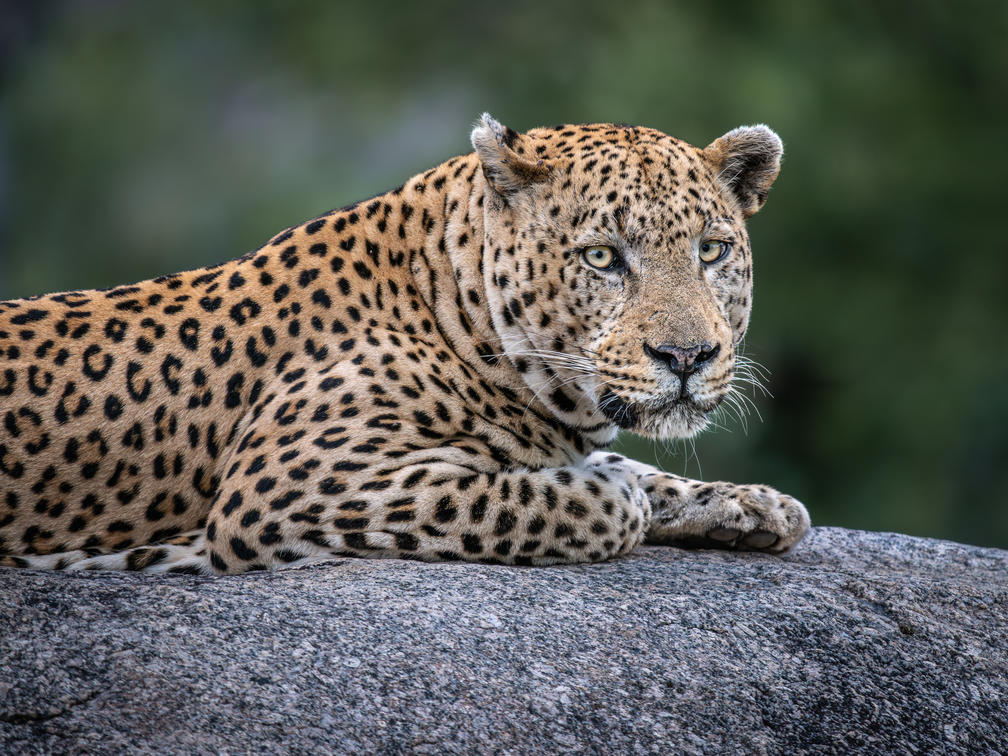
photography
10 Fresh Photography Techniques for Luxury South African Safaris
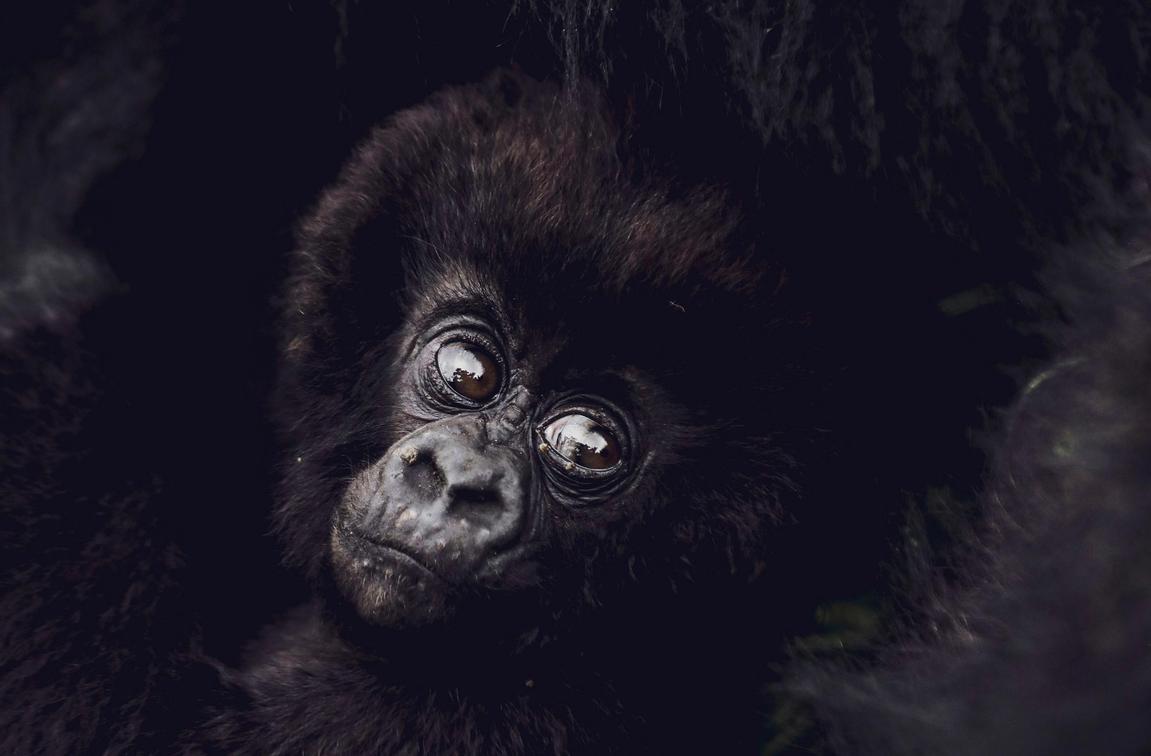
photography
10 Fresh Photography Techniques for Rwanda's Elite Safaris
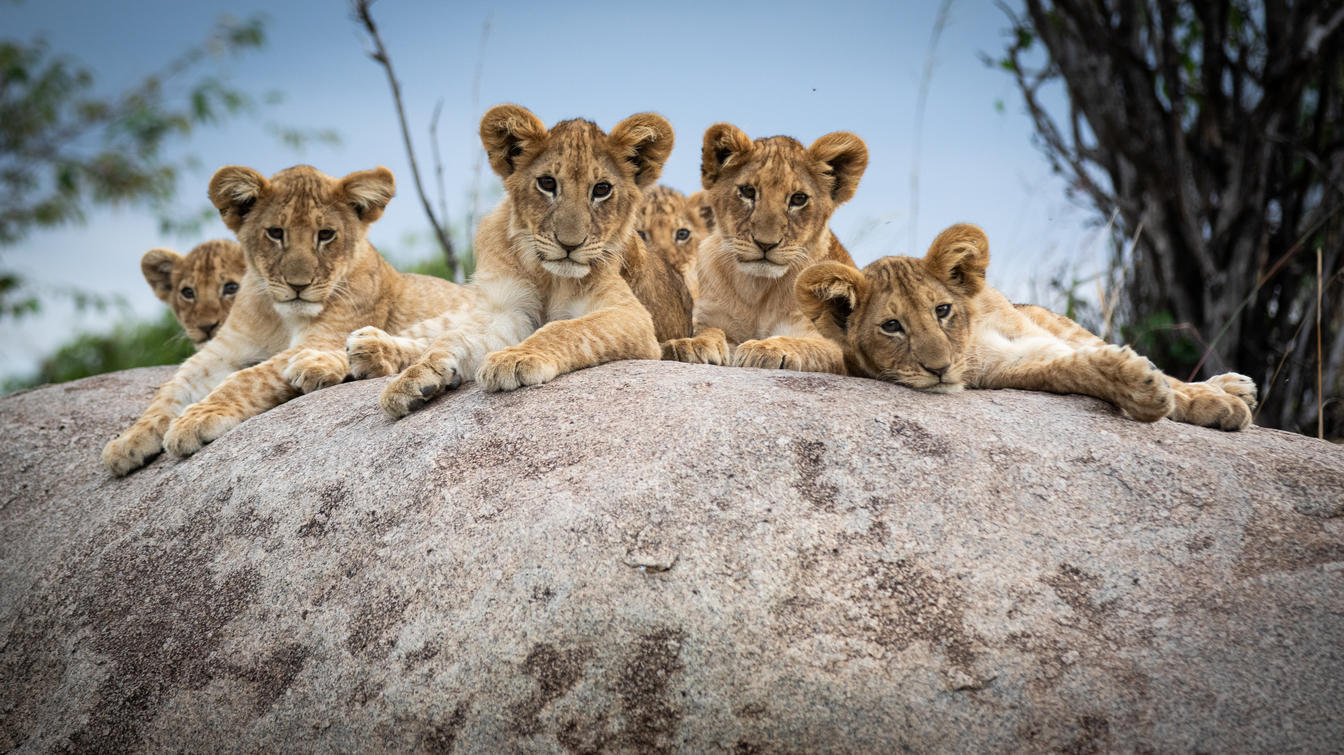
photography
10 Fresh Photography Techniques for Tanzania's Elite Safaris
photography
10 Fresh Photography Techniques for Uganda's Elite Safaris
photography
10 Fresh Photography Techniques for Zambia Safari Expeditions
Photography