photography
10 Fresh Photography Techniques for Tanzania's Elite Safaris
Encounters Africa - 6 min read
Updated on 1 May 2026
Imagine framing the thunderous drama of the Serengeti migration through your lens, wildebeest silhouetted against a fiery sunset, lions prowling golden grasslands. For luxury safari photographers in Tanzania, mastering fresh photography techniques elevates these encounters from snapshots to timeless art. This guide delivers 10 latest photography tips for Tanzania luxury safaris, blending cutting-edge tech with timeless expertise to capture the untamed essence of East Africa's premier wilderness.
From the endless plains of the Serengeti to the mist-shrouded peaks of Ngorongoro Crater, Tanzania's elite safari circuits demand precision and passion. These techniques, honed by Encounters Africa guides and pro photographers, address the unique challenges of low-light chases and vast landscapes. Whether you're on a private game drive or balloon safari, these tips ensure your portfolio pulses with professional polish.
1. Harness Golden Hour for Migration Majesty
Tanzania's luxury safaris shine during golden hour—the magical window from sunrise to 8am and 4pm to sunset—when soft light bathes the Serengeti in warm hues. Position yourself on elevated ridges overlooking the Grumeti River crossings, where over 1.5 million wildebeest migrate annually between June and October. Use a wide-angle lens at f/8 to capture the sweeping drama without distortion.
Pro tip: Set your camera to aperture priority mode and dial in +1 exposure compensation to preserve those honeyed tones against darkening skies. In Serengeti National Park, this timing coincides with peak predator activity, layering action into your compositions effortlessly.
Anticipate the light's pivot; as the sun dips, shadows lengthen, adding depth to acacia silhouettes. Practice bracketing exposures—three shots at ±1 EV—to merge into HDR masterpieces back at your opulent tented camp.
Golden hour in Tanzania transforms ordinary wildlife frames into symphonies of light and shadow.
2. Master Telephoto Compression for Intimate Portraits
Elite safaris in Tanzania provide unparalleled access to the Big Five, but telephoto lenses (400mm+) create that coveted compression effect, drawing distant subjects like a leopard's piercing gaze into sharp focus. During dry-season game drives in Tarangire National Park, this technique isolates baobae-studded horizons, minimising distractions.
Pair a 600mm f/4 with a monopod for stability on bumpy Land Rover traverses. Shoot at f/5.6 to balance subject isolation with environmental context, especially for cheetah hunts at dawn when heat haze is minimal.
Recent advancements in lens stabilisation allow handheld bursts up to 1/500th shutter speed, freezing a lion's mid-pounce without blur. Review histograms on-site to nail exposure in high-contrast fur patterns.
3. Low-Light Prowess: Night Drives and Starry Skies
Luxury camps in the Ngorongoro Conservation Area offer spotlighted night drives revealing nocturnal wonders—genets, bushbabies, and leopard eyes glowing like embers. Push your full-frame sensor to ISO 6400 with fast primes like a 70-200mm f/2.8, maintaining shutter speeds above 1/250th for tack-sharp results.
Enable in-body stabilisation and shoot raw for post-processing noise reduction. Focus on foreground eyes with back-button AF, letting backgrounds melt into velvet black.
Extend sessions to astrophotography: capture the Milky Way arching over acacia thorns from your private deck. Use a 14-24mm f/2.8 at 15 seconds, ISO 3200, blending with a grounded elephant silhouette for cosmic wildlife narratives.
Why These Techniques Excel on Tanzania Safaris
Fresh techniques like telephoto compression and low-light mastery unlock Tanzania's hidden visual poetry, reserved for elite safari photographers.
4. Drone Perspectives: Ethical Aerial Compositions
Tanzania's regulations permit drones in select luxury concessions with prior permits—essential for bird's-eye views of flamingo flocks on Lake Manyara or hippo pods in the Rufiji River. Launch a compact model like the DJI Mini 4 Pro at 120m for expansive mosaics, adhering to 500m distance from wildlife.
Shoot in D-Log for 10-bit colour grading, capturing the Crater's sheer walls at golden hour. Time flights for calm winds, typically pre-dawn, to avoid turbulence over vast plains.
Ethical note: Consult your Encounters Africa guide for no-fly zones protecting nesting sites. These aerials add dynamic scale to ground-level portfolios, perfect for luxury safari albums.
5. Macro Magic on the Small Wonders
Beyond megafauna, Tanzania's luxury safaris reveal intricate details—dew-kissed spider webs on fever trees or iridescent dung beetle trails in Mahale Mountains National Park. Equip a 100mm macro with extension tubes for 2:1 magnification, using natural reflectors like wet leaves for fill light.
Stabilise with a lightweight tripod on game walks, shooting at f/16 for edge-to-edge sharpness. Stack 20-30 images in software like Helicon Focus to conquer shallow depth of field in humid forests.
This technique shines during wet season (March-May), when Gombe Stream's chimp habitats burst with floral macro subjects amid primate behaviours.
6. High-Speed Sequences for Action Mastery
The Great Migration's river crossings demand 20fps burst modes on mirrorsless bodies like the Sony A1. Prefocus on crossing points with continuous AF-C, capturing a wildebeest's mid-leap arc in raw bursts.
In Selous Game Reserve, track boat-based croc lunges at 1/4000th shutter, f/6.3. Chimping between sequences ensures keepers amid water spray.
Post-process selects the peak frame, enhancing drama with selective sharpening on splashes and ripples.
7. Weather-Proofing Your Luxury Kit
Tanzania's safari seasons swing from dusty dry spells to sudden thundershowers—protect gear with aquatech housings or dedicated rain covers. Silica packs in pelican cases combat humidity in coastal Zanzibar extensions.
For dust in the Serengeti, use lens pens and blower bulbs between drives. Backup cards religiously—dual slots mirroring RAWs prevent data loss on remote fly-in safaris.
- Invest in IP67-rated camera bags for all-terrain resilience.
- Calibrate sensors quarterly for colour fidelity in variable light.
- Carry spare batteries charged via solar panels at bush camps.
8. Composition Rules Reimagined: Leading Lines and Symmetry
Fresh twists on classics: employ migrating herds as natural leading lines towards Mt Kilimanjaro's snowcap from Amboseli fringes. Frame symmetrical baobab reflections in seasonal pools at Tarangire.
Break the rule of thirds with central cheetah portraits against rule-of-thirds horizons, leveraging negative space for solitude. Scout pre-dawn with guides for these geometric gems.
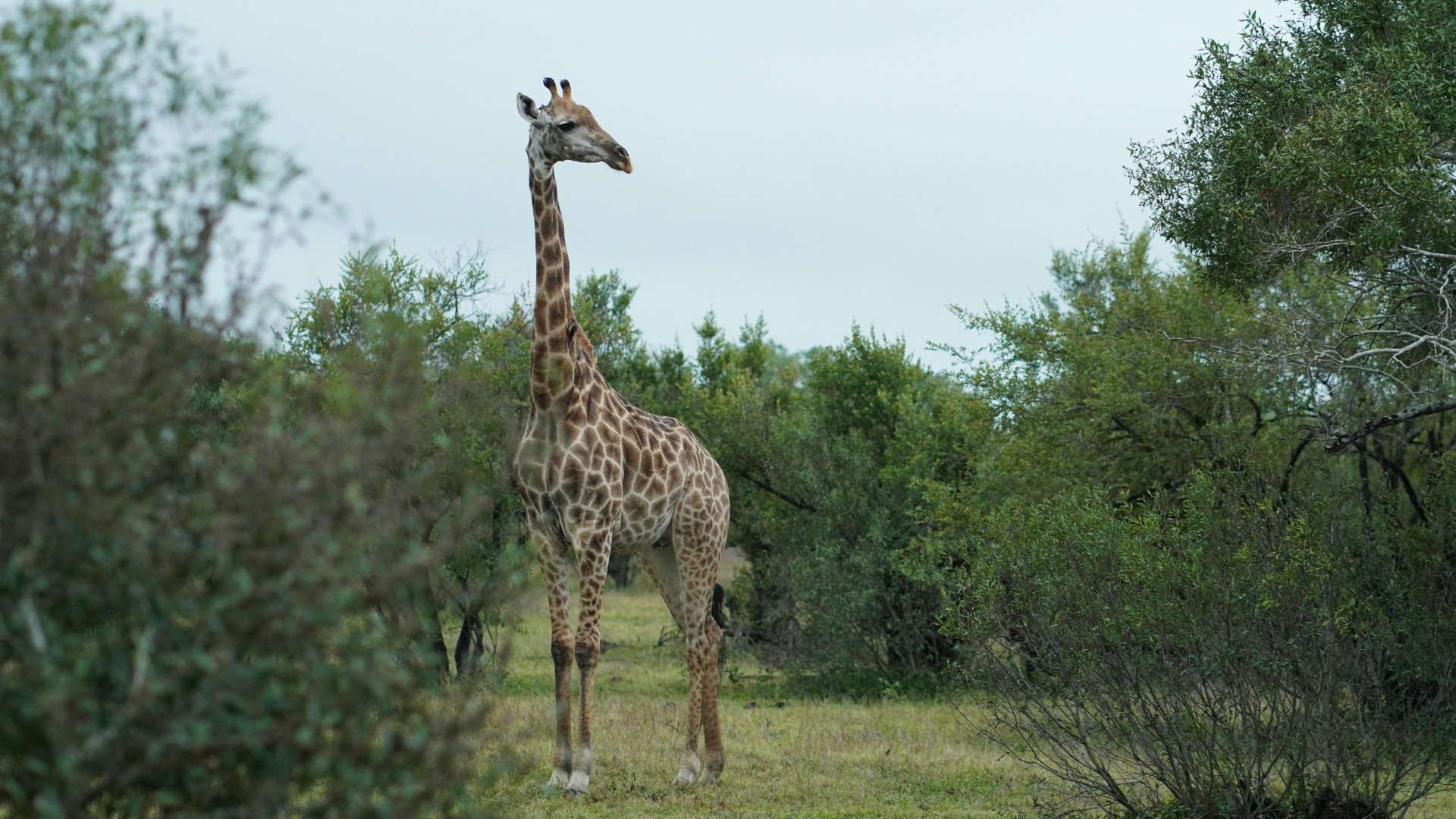
Vertical orientations dominate for giraffe browses, filling frames with neck-to-tail elegance.
9. Post-Processing for Pro Polish
Back at your luxury lodge, Lightroom's AI masking refines Serengeti skies without halos. Dodge and burn selectively on wildlife eyes, boosting micro-contrast by 20-30%.
Batch-process with Capture One for consistent grading—warm 5500K white balance evokes savannah sunsets. Export 16-bit TIFFs for gallery prints up to 60 inches.
Watermark subtly with metadata embedding for social shares from camp WiFi.
10. Ethical Photography in Pristine Wilds
Prioritise no-trace principles: silence shutters during stalks, maintain 25m from relaxed animals. Support conservation via high-value Encounters Africa itineraries funding anti-poaching.
Share images crediting guides and camps, amplifying Tanzania's wild heritage. This mindset sustains the elite safari experiences we cherish.
Conclusion: Elevate Your Tanzania Safari Shots
These 10 fresh photography techniques transform luxury safaris in Tanzania into visual odysseys, from drone sweeps over the Serengeti to macro intimacies in ancient forests. Encounters Africa crafts bespoke journeys maximising these opportunities, pairing you with expert guides and premier Tanzania safari itineraries.
For discerning travellers seeking private safaris beyond set itineraries, contact us directly at Encounters Africa. We specialise in tailor-made journeys for individuals, couples, families, and groups up to eight, curating every detail through our network of distinguished camps for seamless, personal experiences.
More like this
photography
10 Fresh Photography Techniques for Uganda's Elite Safaris
photography
10 Fresh Photography Techniques for Zambia Safari Expeditions
Photography
10 Tips for Photographers Seeking Botswana’s Distinctive Light and Form
Photography
Beginner Camera Settings That Transform Your First Wildlife Frames
Photography
Beginner Photographers Can Master African Wildlife Shots with These Core Camera Adjustments
Photography