photography
10 Fresh Photography Techniques for Zambia Safari Expeditions
Encounters Africa - 6 min read
Updated on 1 May 2026
Capturing the raw drama of a Zambia safari through your lens demands more than steady hands—it's about mastering light, movement, and the untamed pulse of the wild. These 10 fresh photography techniques for Zambia safari expeditions draw from years of guiding lenses across the Zambia's sweeping floodplains and riverine forests, where elephant herds thunder and leopards melt into twilight. Whether you're framing a lion's amber gaze in South Luangwa or the misty thunder of Victoria Falls, these expert strategies will elevate your images from snapshots to stories etched in light.
Zambia's diverse ecosystems—from the Luangwa Valley's teeming wildlife to the Zambezi's serpentine flow—offer unparalleled backdrops for wildlife photography. The best time to visit for peak photographic opportunities spans June to October, when dry conditions concentrate animals at water sources and golden hours stretch long. Encounters Africa travellers often return with portfolios transformed by these precise, field-tested methods.
1. Harness Dawn's Golden Hour for Ethereal Wildlife Portraits
As the African sun crests the horizon in Zambia's national parks, it bathes everything in a warm, diffused glow perfect for portraits. Position yourself facing east along the Luangwa River at first light, where herbivores gather, their coats shimmering like polished bronze. This technique minimises harsh shadows and accentuates textures, turning a simple buffalo silhouette into a masterpiece of form and mood.
Arrive at your vantage point 30 minutes before sunrise to secure prime spots. Use a wide aperture like f/2.8 to isolate subjects against softened backgrounds, and shoot in RAW for post-processing flexibility. In South Luangwa, this hour yields intimate shots of impala leaping through mist-shrouded grasslands.
Pro tip: Bracket exposures—underexpose by one stop for richer skies, overexpose for detail in dark hides.
"Dawn in Zambia doesn't just light the scene; it sculpts the soul of the safari."
2. Master Backlighting to Create Silhouettes and Rims of Fire
Zambia's clear skies make backlighting a potent tool for dramatic effect, especially during leopard hunts at dusk in the valley. Frame your subject against the sun, exposing for the brighter background to craft compelling silhouettes that evoke mystery and power. Add a touch of rim light around ears or manes for that glowing halo effect.
Employ a lens hood to cut flare, and dial in manual mode with ISO 400-800 for clean results. At Victoria Falls, this technique transforms spray-veiled rainbows into otherworldly arcs. Practice on birds at Liuwa Plain, where vast horizons amplify the drama.
Refine your wildlife framing on Zambia safaris with these 10 expert tips, from dawn light harnessing to anti-blur telephoto tactics. Sharpen every frame.
3. Anti-Blur Telephoto Tactics for High-Speed Predatory Action
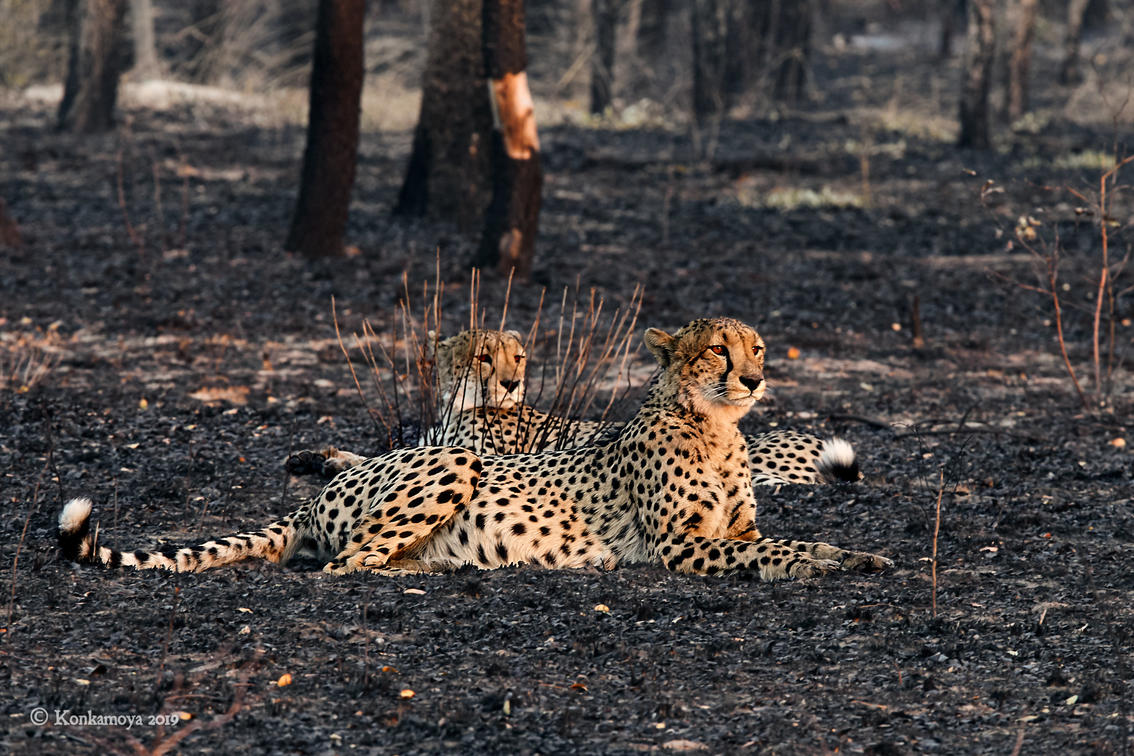
Photographing a cheetah's sprint or hyena charge in Zambia requires rock-solid stabilisation. Pair a 400mm or 600mm telephoto with a monopod or beanbag on your safari vehicle—never handheld for sharp results at 1/1000th shutter speeds or faster. Enable continuous autofocus with animal eye detection for precision lock-on.
Anticipate movement by pre-focusing on kill zones near waterholes in Kafue National Park. Burst mode at 10-20fps captures the apex moment. These tactics turned a recent Encounters Africa expedition into a gallery of frozen fury.
Essential Gear Setup
Teleconverter for extra reach without cropping quality
Image stabilisation rated for 4-5 stops
High-speed SD cards (UHS-II) to avoid buffer lag
4. Low-Level Angles to Empower Your Subjects
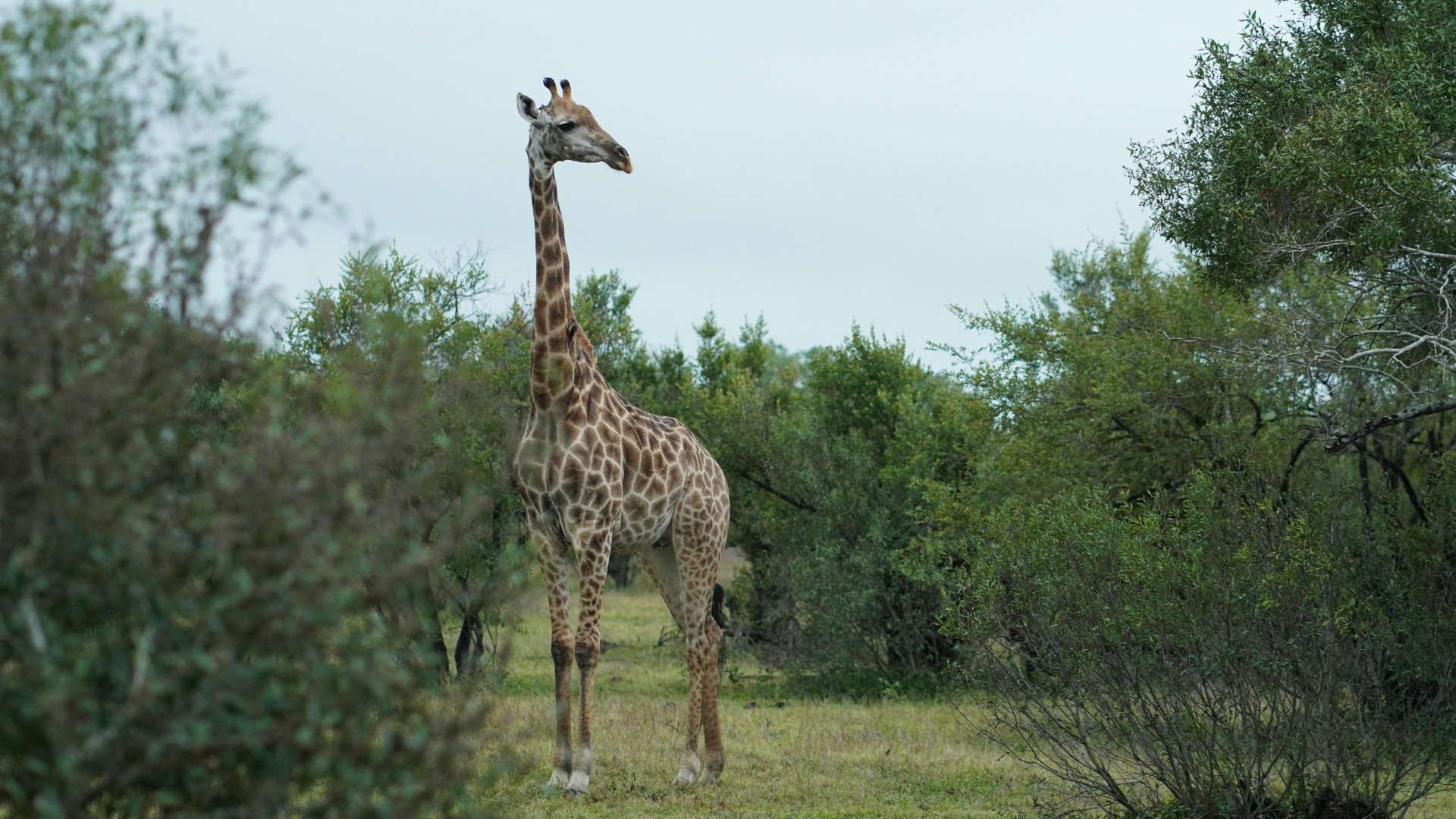
Drop to knee height or use a gimbal head to shoot upwards, making a grazing giraffe tower like a colossus against Zambia's acacia-dotted skies. This fresh perspective shifts power dynamics, infusing humility and scale into your compositions. In Lower Zambezi, it reveals the underbelly textures of hippos emerging from muddy rivers.
Kneel on game drive mats for stability, and use live view to nail focus. Combine with shallow depth-of-field at f/4 to blur foreground grasses, drawing eyes to your empowered subject. Travellers report this technique redefines their Zambia safari portfolios.
5. Weather as Ally: Misty Mornings and Storm Chases
Zambia's dramatic microclimates—fog rolling off the Luangwa or pre-rains thunderheads—add texture and mood. Chase storms for shafts of light piercing anvil clouds, ideal for elephant processions. Protect gear with rain covers and shoot at ISO 800+ for handheld flexibility in low light.
The rainy season (November-March) delivers emerald landscapes, though roads can challenge access. Dry season visitors in North Luangwa capture dust devils swirling around herds, a visceral element no filter can replicate.
"In Zambia, weather isn't an obstacle—it's the frame that defines the photograph."
6. Ethical Positioning: Blend In Without Disturbing the Rhythm
Great images respect the wild's cadence. Stay in your vehicle, approach silently from downwind, and silence shutters. In Zambia's private concessions like Busanga Plains, this yields natural behaviours—lions mating undisturbed, wild dogs hunting unhurried.
Use camouflage netting on hides and wait patiently; the best shots emerge after 45 minutes of stillness. Encounters Africa emphasises this in our Zambia safari itineraries, ensuring your captures honour conservation ethics.
7. Composition Mastery: Rule of Thirds Meets Leading Lines
Grid your viewfinder to thirds, placing eyes or horizons off-centre for dynamism. Zambia's river bends and game trails create natural leading lines—trace a zebra's path from frame edge to heart. Layer foreground interest like termite mounds with distant herds for depth.
Experiment with negative space: a lone eagle soaring over Kafue's floodplains breathes freedom. Review histograms on-site to balance exposures across vast skies.
Quick Composition Checklist
Scan for repeating patterns in herds
Align horizons precisely
Fill frame thoughtfully, avoiding clutter
Crop in-camera to enforce discipline
8. Macro Magic on Insect and Flora Details
Beyond big game, Zambia's macro world thrives—dew-kissed spider webs on sausage trees, iridescent scarab beetles. Use 100mm macro lenses with extension tubes for 1:1 reproduction on South Luangwa trails. Steady with tripods or vehicle rests, shooting at f/16 for edge-to-edge sharpness.
Diffuse harsh midday light with reflectors. These intimate details contrast epic landscapes, enriching your safari narrative.
9. Post-Processing Precision Without Overcooking
RAW files from Zambia's high-contrast scenes demand nuanced edits in Lightroom or Capture One. Boost shadows selectively (+40), pull highlights (-50), and enhance clarity for feather details without haloing. Calibrate white balance to preserve golden tones—around 5200K for dawn.
Avoid HDR merges unless subtle; they flatten wildlife's natural vibrancy. Export at 300dpi for prints that pop. Encounters Africa photographers swear by these steps for gallery-worthy results.
10. Night Photography: Star Trails Over Safari Camps
After dark, Zambia's unpolluted skies explode with stars—stack 30-second exposures for trails arching over your camp's thatched roof. Use wide-angle lenses at f/2.8, ISO 3200, tracking the Milky Way above Victoria Falls. Ground foregrounds with light painting for context.
November's clear nights in Luangwa are prime. This technique crowns your daylight portfolio with cosmic wonder.
Conclusion: Frame Your Zambia Safari Legacy
These 10 fresh photography techniques for Zambia safari expeditions equip you to capture not just images, but the heartbeat of Africa's wild heart. From dawn's embrace to starlit serenity, Zambia rewards the prepared eye with frames that stir the soul. Encounters Africa curates journeys where these skills flourish amid luxury camps and expert guides.
For discerning travellers seeking a private safari beyond our set itineraries, we invite you to contact us directly via our contact page. We specialise in designing exceptional, tailor-made journeys for individuals, couples, families, and private groups of up to eight guests. Book your transformative Zambia expedition today.
More like this
Photography
10 Tips for Photographers Seeking Botswana’s Distinctive Light and Form
Photography
Beginner Camera Settings That Transform Your First Wildlife Frames
Photography
Beginner Photographers Can Master African Wildlife Shots with These Core Camera Adjustments
Photography
Camera Settings That Capture Kenya’s Shifting Light on Safari Drives
Photography
Capture Zambia’s Dramatic Light: Prime Spots for Wildlife Photography
Photography