photography
10 Fresh Photography Techniques for Uganda's Elite Safaris
Encounters Africa - 7 min read
Updated on 1 May 2026
Capturing the raw majesty of Uganda's elite safaris through a lens demands more than technical skill—it requires an intimate understanding of the landscape's rhythms. From the mist-shrouded gorilla habitats in Uganda to the sun-baked savannas teeming with wildlife, these 10 fresh photography techniques elevate luxury safari imagery. Refine your safari shots with these 10 updated tips on leveraging golden hour light and telephoto lenses amid Uganda's gorilla habitats and savannas, tailored for discerning travellers seeking unparalleled visual narratives.
Uganda's diverse ecosystems, including Bwindi Impenetrable Forest and Queen Elizabeth National Park, offer photographers a canvas of dramatic contrasts. These techniques draw on the latest advancements in gear and composition, ensuring your images convey the intimacy of a high-end safari experience. Whether tracking mountain gorillas or photographing tree-climbing lions, these methods will transform your portfolio.
1. Harness Golden Hour for Gorilla Portraits
The golden hour—those fleeting minutes after dawn and before dusk—bathes Uganda's forests in a warm, diffused glow perfect for gorilla photography. In Bwindi Impenetrable National Park, position yourself with the rising sun filtering through the canopy to silhouette silverbacks against ethereal backdrops. This technique minimises harsh shadows on their expressive faces, revealing textures in fur and skin that midday light obliterates.
Arrive at your permit-designated trekking point by 7am to catch the first beams. Use a tripod for stability during these low-light conditions, and set your ISO to 400-800 for crisp detail without noise. Luxury safaris here often include private guides who know optimal viewpoints, enhancing your access to these magical moments.
Experiment with a shallow depth of field at f/2.8 to isolate subjects from the cluttered forest floor, creating dreamlike portraits that evoke the gorilla's contemplative gaze.
"Golden hour turns Uganda's gorillas from subjects into legends, their forms etched in light's tender embrace."
2. Master Telephoto Compression in Savanna Scenes
Telephoto lenses, such as a 400mm or 600mm, compress distant subjects in Uganda's expansive savannas, drawing lions and elephants into intimate proximity. In Queen Elizabeth National Park, this technique stacks animals against dramatic acacia silhouettes, amplifying the sense of scale and drama inherent to elite safaris.
Shoot from elevated safari vehicles provided on luxury itineraries, maintaining a safe distance while achieving tight framing. Pair with apertures of f/5.6 to f/8 for sharpness across the frame, and use image stabilisation to counter vehicle motion. The result? Images where a pride of lions appears mere metres from towering giraffes, mirroring the thrill of the chase.
Focus stacking in post-production refines these shots further, blending multiple exposures for edge-to-edge clarity amid heat haze.
3. Employ Drone Perspectives Ethically in Remote Areas
Modern drone photography unlocks aerial views of Uganda's waterways and plains, but ethical use is paramount in protected zones like Murchison Falls National Park. Obtain permits in advance through your luxury operator, and fly below 120 metres to avoid disturbing wildlife. Capture the Nile's thunderous cascade framed by hippo pods from angles impossible on foot.
Opt for DJI models with 4K capabilities and ND filters to manage bright equatorial light. Time flights for early morning calm, when thermals are minimal and wildlife patterns reveal themselves—herds crossing rivers in serpentine lines. Always prioritise animal welfare over the shot.
- Check Uganda Wildlife Authority regulations before each flight.
- Maintain visual line-of-sight at all times.
- Review footage immediately to ensure no behavioural disruptions.
Best Time to Visit for Optimal Photography Conditions
The prime window for Uganda luxury safaris photography spans June to September and December to February, when dry conditions concentrate wildlife near water sources and skies remain clear. These months deliver consistent golden hours with minimal cloud interference, ideal for both forest treks and savanna game drives. Rainfall peaks from March to May, often creating lush backdrops but challenging light.
In gorilla habitats, dry seasons reduce mud-slicked trails, allowing closer approaches for intimate shots. Savanna parks like Kidepo Valley National Park shine post-rains, with verdant plains contrasting against wildlife. Plan around full moon phases for astrophotography bonuses after dark-sky game drives.
Temperatures hover at 20-28°C during peaks, perfect for comfortable all-day shoots. Encounters Africa customises itineraries to align with these windows, incorporating private photography guides versed in local light patterns.
Uganda's dry seasons craft the perfect stage: wildlife gathers, light softens, and your lens captures timeless drama.
4. Low-Level Angles for Intimate Wildlife Encounters
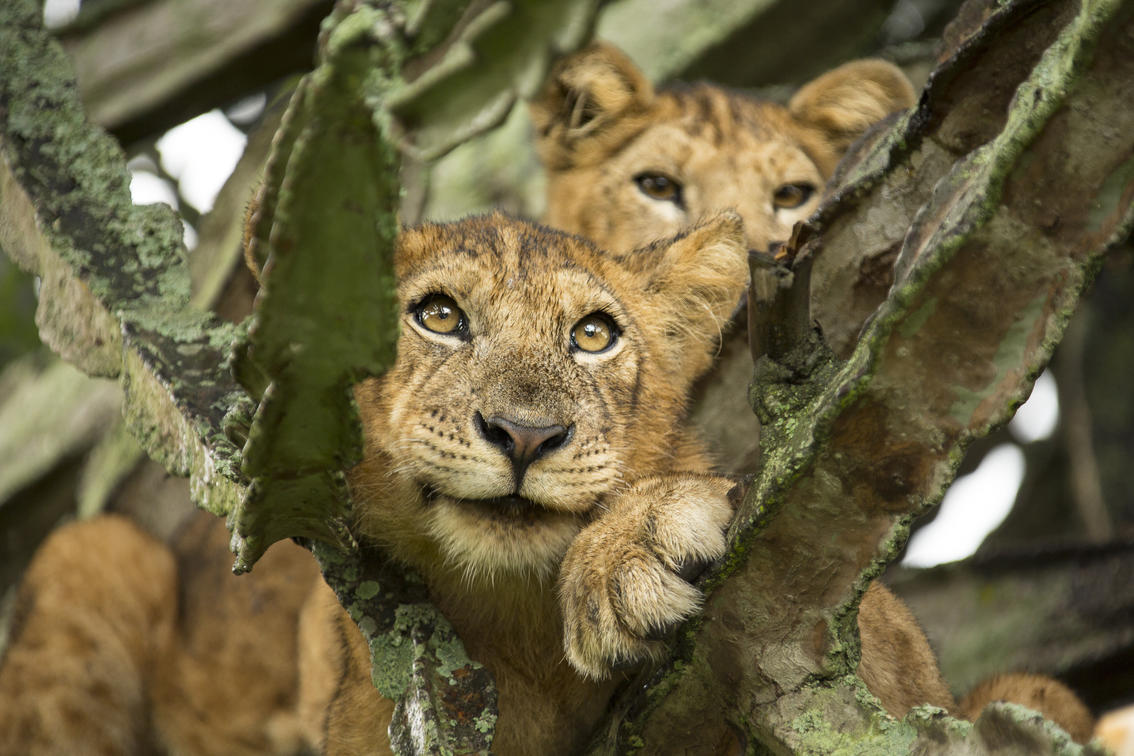
Descending to eye-level or below reveals Uganda's creatures from fresh vantage points, especially during luxury walking safaris in Ishasha sector. Lie prone for ground-level lion cub portraits, using bean bags on vehicle floors for stability. This technique exaggerates foreground elements like dew-kissed grass, adding depth and narrative to your compositions.
Wide-angle lenses at 24-70mm excel here, with hyperfocal focusing ensuring vast landscapes remain sharp. Shoot at 1/1000s shutter speeds to freeze playful movements, embracing the dust-scented air and guttural rumbles that define elite safaris.
5. Long Exposures for Waterfall and River Dynamics
Uganda's rivers demand long-exposure mastery to silk-ify cascading waters amid rocky gorges. At Sipi Falls or the Nile's fringes in Murchison Falls, deploy neutral density filters (6-10 stops) to achieve 2-30 second exposures in daylight. This transforms roaring torrents into misty veils, framing rafts of elephants quenching their thirst.
Secure your camera on a sturdy tripod, and use a remote shutter to eliminate shake. Mirror lock-up prevents vibrations, yielding ethereal effects that contrast sharply with static wildlife foregrounds. Luxury camps provide secluded viewpoints, away from crowds.
6. Back-Button Focus for Fast-Paced Action
Uganda's dynamic wildlife—chimpanzees swinging through Kibale Forest or birds diving in Lake Mburo—calls for back-button autofocus. Separate focusing from shutter release, allowing continuous tracking without recomposing. Customise your camera's AF-ON button for muscle memory during intense moments.
This technique shines in luxury boat safaris, where hippos surface unpredictably. Pair with AI Servo mode and 10-20fps burst rates for pin-sharp sequences. Practice yields a 90% keeper rate, far surpassing half-press methods.
- Assign AF to rear button via custom functions.
- Lock focus, recompose freely.
- Review histograms for exposure accuracy mid-burst.
7. High Dynamic Range for Forest Canopy Contrasts
Bwindi's dense canopy creates extreme light contrasts; HDR bracketing captures every tonal nuance. Shoot three to nine exposures at ±2EV intervals, merging in Lightroom for balanced gorilla family scenes where dappled sunlight dances on dark foliage. Handheld bracketing works with image stabilisation, ideal for trekking mobility.
Avoid over-merging to preserve natural textures—aim for subtle enhancements that mimic the human eye. This technique future-proofs images for large prints, a hallmark of elite safari portfolios.
8. Macro Lenses for Insect and Floral Details
Beyond megafauna, Uganda's micro-worlds enchant: iridescent butterflies on gorilla trails, orchids in Mgahinga Gorilla National Park. 100-105mm macro lenses with 1:1 magnification reveal hidden patterns, using ring flashes for even forest illumination. Focus stacking (10-20 images) extends depth of field in handheld scenarios.
These details enrich safari narratives, showcasing biodiversity that luxury travellers cherish. Shoot at f/16 for maximum sharpness, embracing the humid air thick with earthy scents.
9. Night Photography with Star Trails Over Camps
Luxury camps in remote Ugandan concessions boast pitch-black skies for astrophotography. Composite star trails circling the Milky Way above a silhouetted tented suite, with 30-second exposures tracked over hours. Wide apertures (f/2.8) and ISO 3200-6400 pierce the velvet darkness.
Include foreground wildlife silhouettes for context, like a distant hyena's glow. Permits allow guided night drives, blending safety with creative freedom.
10. Post-Processing Workflows for Safari Mastery
Refine raw files with targeted edits: dodge gorillas' eyes, burn savanna horizons, and apply selective clarity for fur texture. Use Lightroom's masking tools for non-destructive tweaks, preserving the scene's authenticity. Calibrate profiles for your lenses ensure colour fidelity in equatorial hues.
Batch process similar shots from game drives, exporting at 300ppi for gallery prints. These workflows, honed by Encounters Africa's photography specialists, elevate amateur snaps to professional calibre.
Conclusion: Elevate Your Uganda Safari Photography
These 10 fresh photography techniques unlock Uganda's elite safaris in ways that stir the soul, from golden-lit gorilla gazes to starlit savanna expanses. Blending cutting-edge methods with the intimacy of luxury journeys, they ensure your images resonate long after the journey ends. Encounters Africa, with our expertise in Bwindi Lodge stays and custom Uganda safari itineraries, crafts experiences optimised for visual storytellers.
For discerning travellers seeking private safaris beyond set itineraries, contact Encounters Africa directly. We specialise in designing exceptional, tailor-made journeys for individuals, couples, families, and private groups of up to eight guests, drawing on our handpicked network of distinguished camps to curate every detail around your photographic vision.
More like this
photography
10 Fresh Photography Techniques for Zambia Safari Expeditions
Photography
10 Tips for Photographers Seeking Botswana’s Distinctive Light and Form
Photography
Beginner Camera Settings That Transform Your First Wildlife Frames
Photography
Beginner Photographers Can Master African Wildlife Shots with These Core Camera Adjustments
Photography
Camera Settings That Capture Kenya’s Shifting Light on Safari Drives
Photography