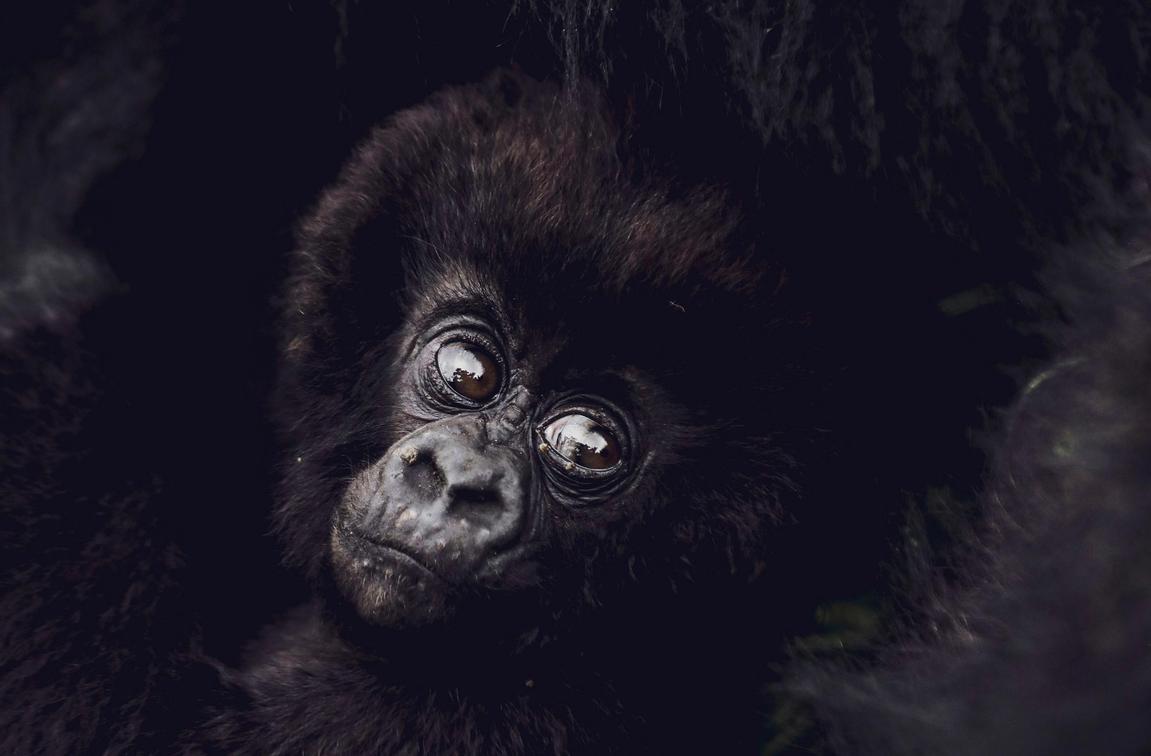
photography
10 Fresh Photography Techniques for Rwanda's Elite Safaris
Encounters Africa - 7 min read
Updated on 1 May 2026
Capture Rwanda's gorillas and savannas with precision using these 10 expert tips on low-light metering and telephoto stabilization for luxury safari pros. Rwanda luxury safaris offer unparalleled access to mountain gorillas in Volcanoes National Park, golden hours in Akagera, and intimate wildlife encounters that demand sharp, evocative imagery. These 10 fresh photography techniques elevate your shots from memorable snapshots to gallery-worthy masterpieces, tailored for the discerning traveller on elite safaris.
Whether trekking through mist-shrouded bamboo forests or tracking savanna predators at dawn, mastering these methods ensures you harness Rwanda's dramatic light and elusive subjects. Encounters Africa curates journeys into this verdant paradise, where photography becomes a seamless extension of the adventure.
1. Master Low-Light Metering for Gorilla Trekking Dawn Starts
Rwanda's gorilla treks in Volcanoes National Park often begin at first light, when diffused dawn light filters through the forest canopy. Low-light metering is essential for exposing silverback portraits without noise or lost detail. Use evaluative metering mode on your DSLR or mirrorless camera, prioritising the gorilla's face to balance deep shadows and subtle highlights.
Switch to manual mode and dial in ISO 800-1600 with a shutter speed no slower than 1/200th second to freeze subtle movements like a chest-beat or leaf-munching. Bracket exposures by ±1 stop for HDR merging later, capturing the ethereal mist that cloaks these encounters.
A tripod is impractical on steep treks, so opt for image stabilisation lenses. This technique yields crisp images of family groups foraging, their eyes gleaming in the half-light.
"In Rwanda's forests, low-light metering turns fleeting gorilla glances into timeless portraits."
2. Telephoto Stabilisation for Ethical Gorilla Close-Ups
Maintain a respectful 7-metre distance from gorillas as mandated by park rules. A stabilised telephoto lens like the Canon EF 100-400mm f/4.5-5.6L IS or Sony 200-600mm G OSS delivers sharp frames without disturbance. Enable lens stabilisation and camera IBIS for handheld shots at 400mm, achieving 3-4 stops of shake reduction.
Track focus on eyes using continuous AF with a single point, anticipating charges or playful interactions. Shoot in RAW for post-processing flexibility, recovering shadows in the gorilla's dark fur against brighter foliage.
Practice pre-trek: simulate with handheld bursts at 1/500th second. This yields intimate portraits that honour the wild without intrusion.
3. Golden Hour Savanna Framing in Akagera National Park
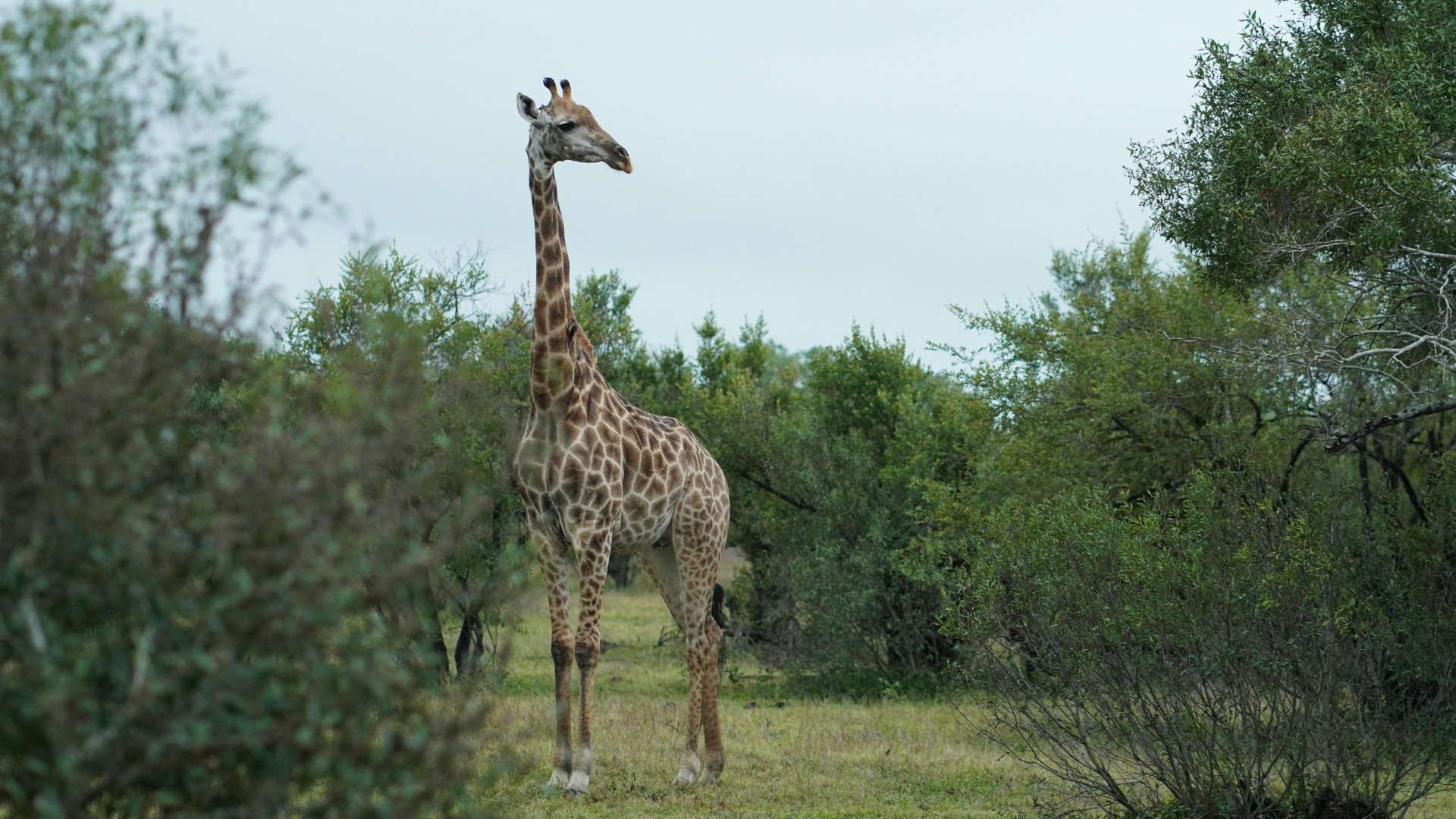
Akagera's rolling plains ignite at golden hour, roughly 30 minutes before sunset from June to September. Position yourself low to the ground with a wide-angle lens (24-70mm) to frame giraffes against acacia silhouettes, compressing the vast savanna into dynamic compositions.
Use the rule of thirds with horizons low, letting warm light rakes across herds. A polarising filter cuts haze, saturating savanna golds and enhancing distant volcano outlines.
Anticipate animal movement towards waterholes; burst mode captures herds in fluid motion. These shots evoke the pulse of Rwanda's reborn wilderness.
4. Macro Lenses for Rwanda's Insect and Flora Details
Beyond big subjects, Rwanda luxury safaris reveal micro-worlds: dew-kissed ferns on gorilla trails or iridescent beetles in Akagera. A 100mm macro lens with 1:1 reproduction ratio unlocks 1cm subjects at life-size on sensor.
Diffuse natural light with a reflector or shoot in overcast conditions common during April-May rains. Stack 20-50 images in software like Helicon Focus for depth-of-field from proboscis to wing.
Handheld stabilisation at f/8-11 apertures freezes details, adding intimate layers to your safari portfolio.
5. Drone Regulations and Aerial Perspectives
Drones are permitted in Akagera with prior Rwanda Development Board approval, but banned near gorillas. Use a DJI Mavic 3 with 46mm equivalent lens for 4K savanna overviews at 120m altitude, capturing hippo pods from above.
Adhere to no-fly zones around Volcanoes National Park lodges and Kigali flights paths. Launch at midday for even light, panning slowly to track elephant processions.
These aerials provide context for ground shots, showcasing Rwanda's mosaic of lakes and plains.
"Aerial drones in Akagera reveal the savanna's secret geometry, invisible from the ground."
Best Camera Gear for Rwanda Luxury Safaris
Selecting the right equipment is crucial for Rwanda's varied terrains. Full-frame bodies like Nikon Z8 or Sony A1 excel in low light, with 45MP sensors for cropping gorilla eyes from afar. Pack weather-sealed lenses: 24-105mm for landscapes, 70-200mm f/2.8 for portraits, and 400mm+ for distant action.
Essential Accessories
Invest in a Think Tank Photo Safari bag for muddy treks, accommodating two bodies and five lenses. Include extra LP-E6 batteries (10-12 per day), 512GB CFexpress cards, and a portable charger for multi-day safaris.
- Gimbal head for vehicle game drives, allowing smooth pans of savanna sunsets.
- Bean bags for vehicle stability on Akagera drives, replacing tripods.
- UV and circular polarisers to manage equatorial glare.
Lens Choices by Scenario
For gorilla treks, prioritise lightweight telephotos under 2kg. In Akagera, versatile zooms handle everything from lion prides to bird flocks.
Rainproof covers and silica gel packets protect gear from 80% humidity. Test setups pre-departure for seamless field operation.
6. Weather-Resistant Settings for Misty Mornings
Rwanda's microclimates bring fog to Volcanoes and showers to Akagera year-round. Set custom white balance to 5000K for misty gorillas, avoiding auto shifts. Use aperture priority at f/5.6 with auto ISO capped at 6400.
In rain, high shutter speeds (1/1000th) freeze droplets on fur; slow them to 1/60th for silky water effects on lakes. Enable silent shutter for skittish birds.
These adaptations turn challenging weather into atmospheric assets.
7. Back-Button Focus for Fast-Paced Wildlife
Savanna game drives demand split-second reactions to cheetah sprints. Back-button focus decouples AF from shutter, allowing instant recomposition. Assign to a rear paddle for thumb activation.
Pair with zone AF covering 50% of the frame for birds in flight. Custom function C1 for high-speed bursts at 20fps captures peak action.
Practice yields 90% keeper rates on Rwanda's dynamic predators.
8. Post-Processing Workflow for Vibrant Safari Edits
Raw files from Rwanda safaris brim with latitude. In Lightroom, apply lens profiles first, then boost shadows +50 and highlights -40 for balanced exposures. Selective masking enhances gorilla eye contrast without haloing.
Export JPEGs at 100% sRGB for web; ProPhoto for prints. Denoise at ISO 3200 with Topaz AI for clean night skies over Lake Burera.
This workflow polishes field captures into professional prints.
9. Ethical Photography Guidelines on Elite Safaris
Prioritise animal welfare: no flash within 10 metres, silence during treks. Coordinate with guides for optimal vantage without crowding. Share images to support conservation, tagging #RwandaWildlife.
In Rwanda, revenue from luxury permits funds anti-poaching. Limit prints to respectful representations, avoiding anthropomorphism.
Encounters Africa integrates these principles into every Rwanda safari itinerary.
10. Night Sky and Bioluminescence Captures
Remote camps offer pristine skies; stack 50x30-second exposures at ISO 1600 for Milky Way arches over Virunga volcanoes. Use Sequator software for star trails tracing 4-hour sessions.
In wet seasons, capture firefly swarms with 50mm f/1.4 at 1-second intervals. These nocturnal shots complement daytime drama.
Conclusion: Elevate Your Rwanda Safari Photography
These 10 fresh photography techniques transform Rwanda luxury safaris into visual triumphs, from gorilla gazes to savanna epics. With practice, your portfolio will reflect the intimacy and grandeur of this East African gem. The best time to visit Volcanoes National Park for photography is June to September dry season, when clear skies amplify golden hours.
For discerning travellers seeking a private safari beyond our set itineraries, we invite you to contact us directly. We specialise in designing exceptional, tailor-made journeys for individuals, couples, families, and private groups of up to eight guests. Drawing on our handpicked network of distinguished camps and lodges, we curate every detail with precision and care, creating a seamless, deeply personal safari experience shaped entirely around your preferences, pace, and budget. Contact Encounters Africa today to craft your photographic masterpiece in Rwanda.
More like this
photography
10 Fresh Photography Techniques for Tanzania's Elite Safaris
photography
10 Fresh Photography Techniques for Uganda's Elite Safaris
photography
10 Fresh Photography Techniques for Zambia Safari Expeditions
Photography
10 Tips for Photographers Seeking Botswana’s Distinctive Light and Form
Photography
Beginner Camera Settings That Transform Your First Wildlife Frames
Photography