conservation
Aquila Private Game Reserve: A Beacon of Conservation and Sustainable Accommodation
Encounters Africa - 6 min read
Updated on 1 May 2026
Nestled in the Western Cape of South Africa, Aquila Private Game Reserve stands as a testament to dedicated conservation efforts and responsible tourism. This remarkable reserve, just a short drive from Cape Town, offers travellers an opportunity to witness Africa's iconic wildlife in a setting committed to their protection and rehabilitation. It's a place where the roar of a lion and the gentle gaze of a giraffe are not just tourist attractions, but symbols of a thriving ecosystem brought back from the brink.
Encounters Africa believes in supporting destinations that actively contribute to the preservation of Africa's natural heritage. Aquila Private Game Reserve embodies this philosophy, showcasing how a private enterprise can make a significant difference in conservation, while also providing exceptional safari experiences and sustainable accommodation. Their commitment extends beyond the fences of the reserve, impacting local communities and fostering environmental awareness.
The Genesis of Aquila's Conservation Mission
Aquila Private Game Reserve's journey began with a bold vision: to reintroduce the 'Big Five' and other indigenous wildlife to the Western Cape, an area where many species had been eradicated centuries ago. This ambitious undertaking required immense dedication, scientific planning, and significant investment to transform degraded farmland back into a vibrant wildlife habitat.
The reserve's founders were driven by a passion for conservation and a desire to create a sanctuary where animals could thrive. Their initial efforts focused on land rehabilitation, including clearing alien vegetation and restoring natural water sources, laying the groundwork for the reintroduction of wildlife. This meticulous approach ensured that the environment was ready to support a diverse array of species.
Aquila Private Game Reserve is more than just a safari destination; it's a living laboratory of conservation, demonstrating that with vision and dedication, nature can reclaim its rightful place.
Wildlife Reintroduction and Rehabilitation Programmes
Bringing Back the Icons
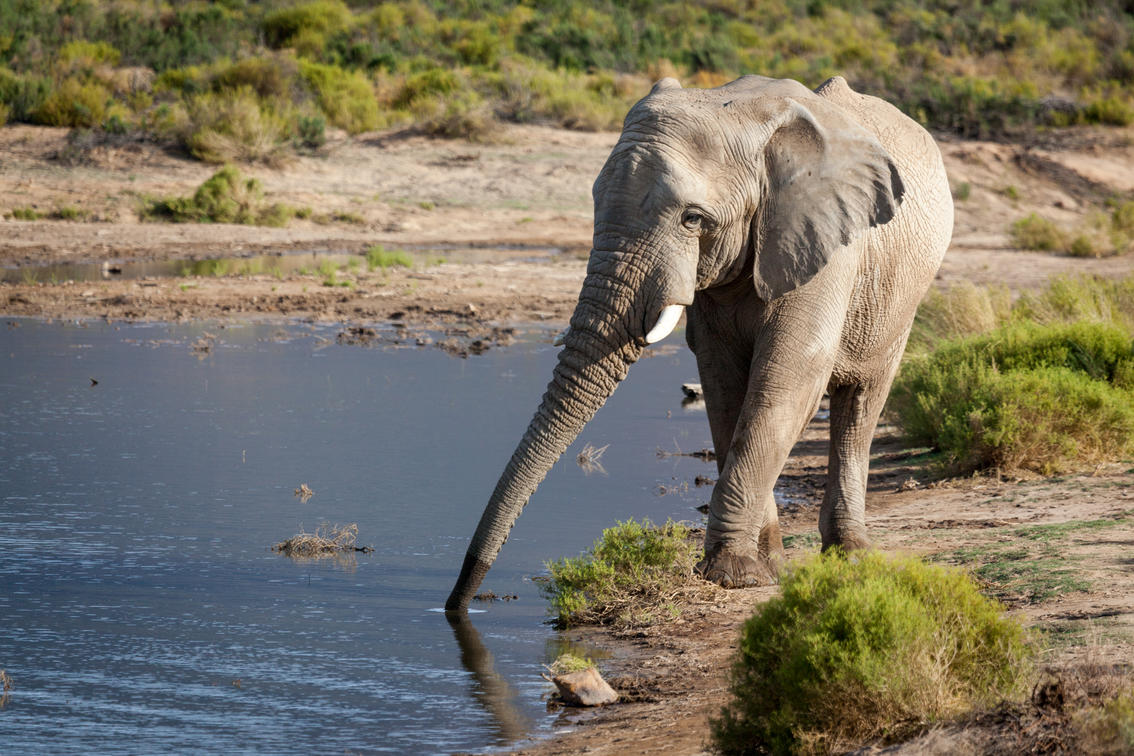
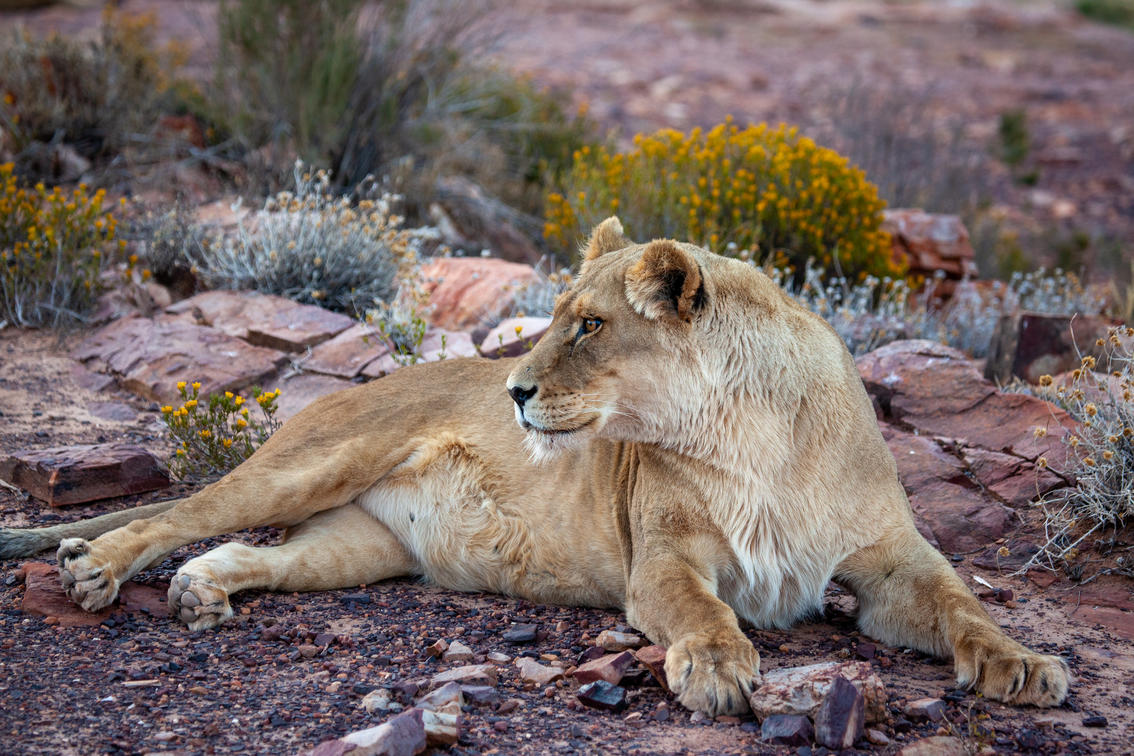
A cornerstone of Aquila Private Game Reserve's conservation work is its successful wildlife reintroduction programme. Through careful planning and collaboration with wildlife experts, the reserve has brought back species like elephants, rhinos, lions, leopards, and buffalo – the famed Big Five – to the Western Cape.
Elephants: Reintroduced from various parts of South Africa, these magnificent creatures now roam freely within the reserve, contributing to the ecosystem's health.
Rhinos: Aquila is a critical sanctuary for rhinos, actively participating in anti-poaching initiatives and breeding programmes to protect this highly endangered species.
Lions: The reserve provides a safe habitat for lions, allowing them to exhibit natural behaviours and contribute to the genetic diversity of the species.
Leopards: Elusive and majestic, leopards have also found a home here, adding to the biodiversity and natural balance.
Buffalo: These powerful bovines play a vital role in maintaining grasslands and are a key component of a healthy ecosystem.
The Aquila Animal Rescue and Rehabilitation Centre
Beyond reintroduction, Aquila operates a dedicated Animal Rescue and Rehabilitation Centre. This facility provides a lifeline for injured, orphaned, or distressed animals, offering veterinary care, rehabilitation, and, where possible, re-release into the wild. It's a critical component of their commitment to individual animal welfare.
The centre also plays an important educational role, allowing visitors to learn about the challenges faced by wildlife and the efforts being made to protect them. This direct engagement fosters empathy and encourages support for conservation initiatives.
Sustainable Accommodation and Eco-Tourism Practices
Minimising Environmental Footprint
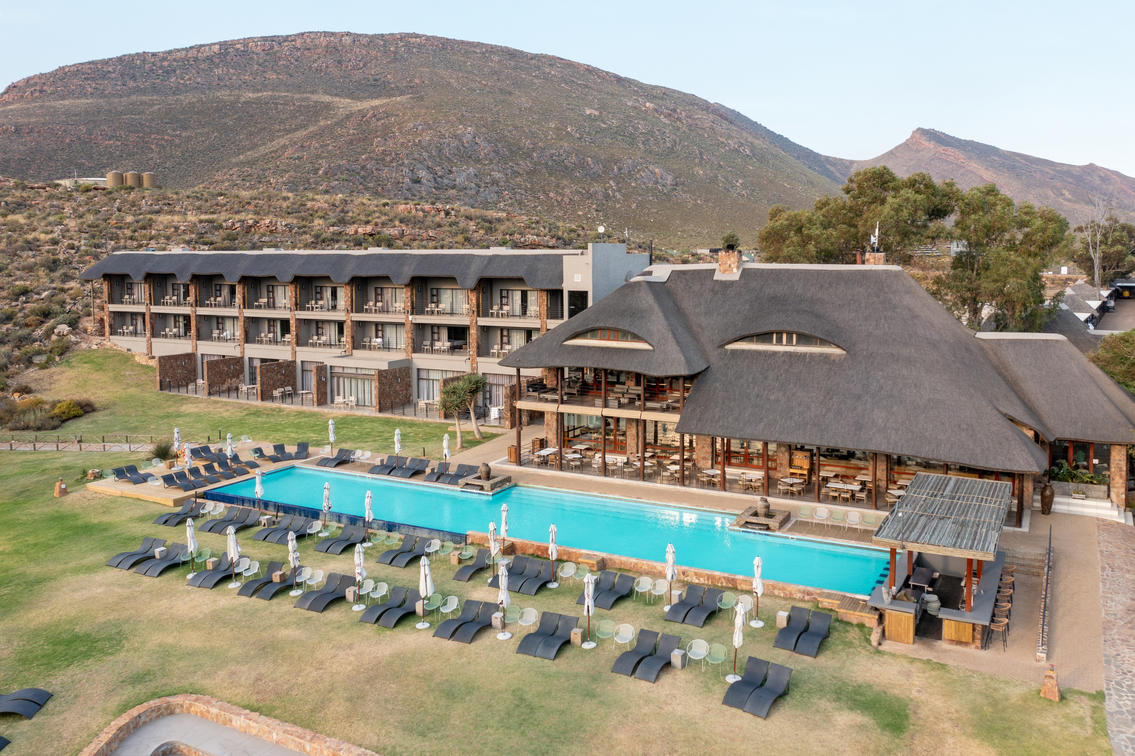
Aquila Private Game Reserve is deeply committed to sustainable accommodation and eco-tourism. Their lodges and facilities are designed to minimise environmental impact, integrating seamlessly with the natural surroundings. This approach ensures that guests can enjoy a luxurious safari experience while knowing their stay contributes positively to the environment.
Key sustainable practices include:
Water Conservation: Implementing rainwater harvesting systems, greywater recycling, and water-efficient fixtures to reduce consumption.
Energy Efficiency: Utilising solar power, energy-saving lighting, and efficient heating and cooling systems to lower the carbon footprint.
Waste Management: Comprehensive recycling programmes, composting organic waste, and reducing single-use plastics throughout the reserve.
Local Sourcing: Prioritising local produce and suppliers to support the regional economy and reduce transportation emissions.
Community Engagement and Empowerment
Sustainable tourism at Aquila extends to its engagement with local communities. The reserve is a significant employer in the region, providing training and job opportunities that uplift livelihoods. They also support local businesses and community development projects, ensuring that the benefits of tourism are shared broadly.
Encounters Africa recognises the importance of community involvement in successful conservation. Aquila's model demonstrates how economic development can go hand-in-hand with environmental protection, creating a symbiotic relationship that benefits both people and wildlife.
Educational Initiatives and Research
Education is a powerful tool in conservation, and Aquila Private Game Reserve actively engages in various educational programmes. They host school groups, university students, and researchers, offering hands-on learning experiences about wildlife, ecosystems, and conservation challenges.
The reserve also supports scientific research, providing a living laboratory for studies on animal behaviour, ecological restoration, and anti-poaching technologies. This commitment to knowledge generation helps inform better conservation strategies not just for Aquila, but for the wider conservation community.
Experiencing Aquila: A Responsible Safari Journey
A safari at Aquila Private Game Reserve offers an immersive experience into the world of conservation. Guests can partake in guided game drives, learning about the animals and the reserve's efforts directly from knowledgeable rangers. The close proximity to Cape Town makes it an accessible option for those seeking a safari adventure without extensive travel.
Beyond game drives, visitors can learn about the rehabilitation centre, participate in junior ranger programmes, or simply relax in the eco-friendly lodges, knowing their presence supports a vital cause. It's a journey that combines luxury with purpose, making every moment meaningful.
Conclusion: A Model for Conservation Tourism
Aquila Private Game Reserve stands as a shining example of what can be achieved when passion, resources, and a deep commitment to conservation converge. Their success in reintroducing iconic wildlife to the Western Cape, coupled with their dedication to sustainable accommodation and community empowerment, makes them a leader in responsible tourism. For discerning travellers, a visit to Aquila is not just a safari; it's an investment in the future of Africa's wildlife and a testament to the power of human endeavour in protecting our planet's precious biodiversity. Encounters Africa is proud to recommend Aquila as a destination that truly embodies the spirit of conservation.
For those looking for a private safari beyond our set itineraries, we would be delighted to hear from you directly. We specialise in creating beautifully tailored journeys for solo travellers, couples, families, and private groups of up to eight guests. Through our trusted network of carefully selected camps and lodges, we craft each safari around your individual interests, preferred pace, and budget, ensuring a seamless and deeply personal experience from beginning to end. Contact Encounters Africa today to plan your impactful journey.
More like this
conservation
Can South Africa's Marine Protected Areas Halt the Decline of African Penguins?
Conservation
Community Rangers in Uganda Turn Local Knowledge into Gorilla Protection
conservation
Conservation Success at Addo Elephant National Park
conservation
De Hoop Nature Reserve: A Conservation Success Story
conservation
Former Poachers Now Lead Anti-Poaching Patrols Across Kenya
conservation