conservation
Franschhoek's Green Heart: A Commitment to Conservation
Encounters Africa - 6 min read
Updated on 22 April 2026
Nestled in the heart of the Cape Winelands, Franschhoek is renowned globally for its exquisite wines, gourmet cuisine, and breathtaking scenery. Yet, beyond its celebrated vineyards and charming village, this picturesque valley is also a vibrant hub for conservation efforts, demonstrating a profound commitment to preserving its unique biodiversity and natural heritage. This dedication extends to how tourism, including luxury safaris and sustainable accommodation, is integrated into the region, ensuring that every visit contributes positively to the environment and local communities.
Encounters Africa understands that discerning travellers seek experiences that are not only enriching but also responsible. Franschhoek offers a compelling blend of luxury and ecological mindfulness, making it an ideal destination for those who wish to indulge while also supporting vital conservation initiatives. From fynbos protection to water management, the valley's green heart beats strong, inviting visitors to be part of its sustainable journey.
The Unique Ecosystem of Franschhoek
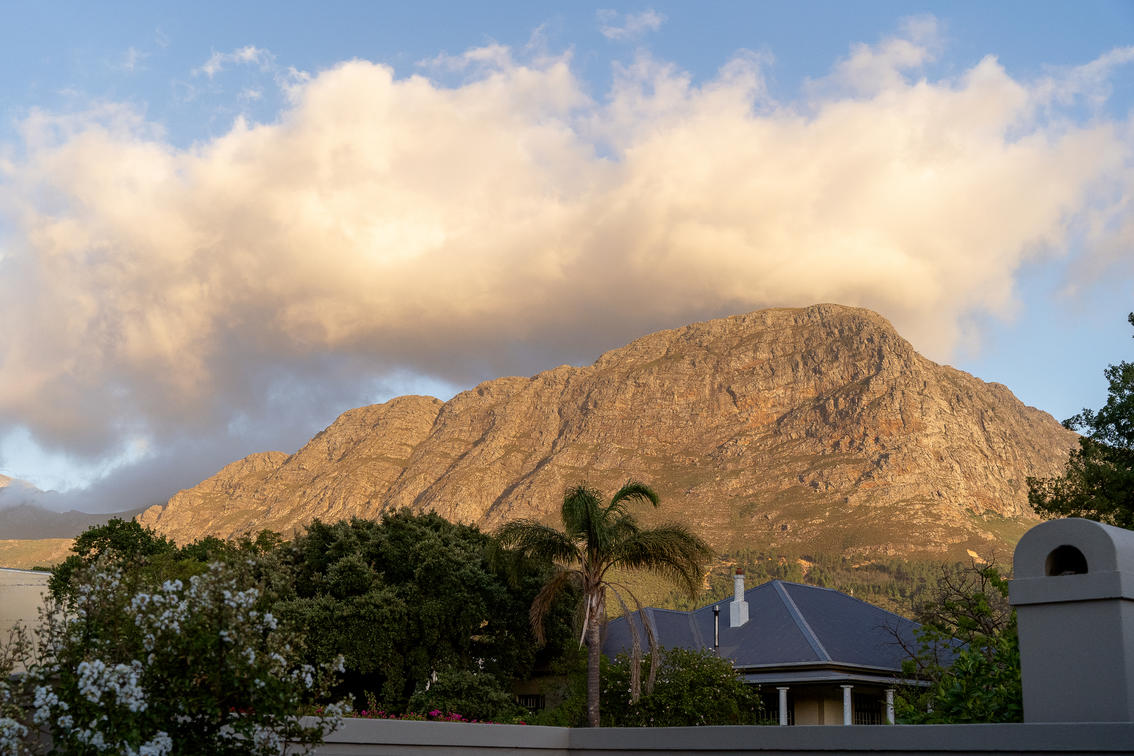
Franschhoek is situated within the Cape Floral Kingdom, the smallest yet most biodiverse of the world's six floral kingdoms. This region is a UNESCO World Heritage Site, celebrated for its extraordinary concentration of endemic plant species, particularly fynbos. Protecting this delicate ecosystem is paramount for the valley's long-term ecological health.
The fynbos biome is not just beautiful; it plays a crucial role in the region's water supply, acting as a natural filter and regulator. Conservation efforts here focus on eradicating alien invasive species that threaten indigenous plants and restoring natural habitats. Many private estates and community initiatives actively participate in these programmes, often involving local communities in their implementation.
Franschhoek's commitment to conservation is a testament to its understanding that true luxury lies in harmony with nature, offering a blueprint for sustainable tourism.
Fynbos Conservation and Water Management
The conservation of fynbos is intrinsically linked to water management in Franschhoek. The indigenous vegetation helps maintain the health of the Berg River catchment area, which supplies water to the surrounding agricultural lands and towns. Projects often involve clearing water-hungry alien trees like pines and eucalyptus, allowing native fynbos to thrive and significantly improving water flow and quality.
These efforts are not just ecological; they are also economic. A healthy ecosystem supports the agricultural sector, particularly the wine industry, which relies heavily on clean water. Travellers can often learn about these initiatives through guided nature walks or by visiting estates that actively participate in fynbos restoration.
Sustainable Accommodation: A Green Stay
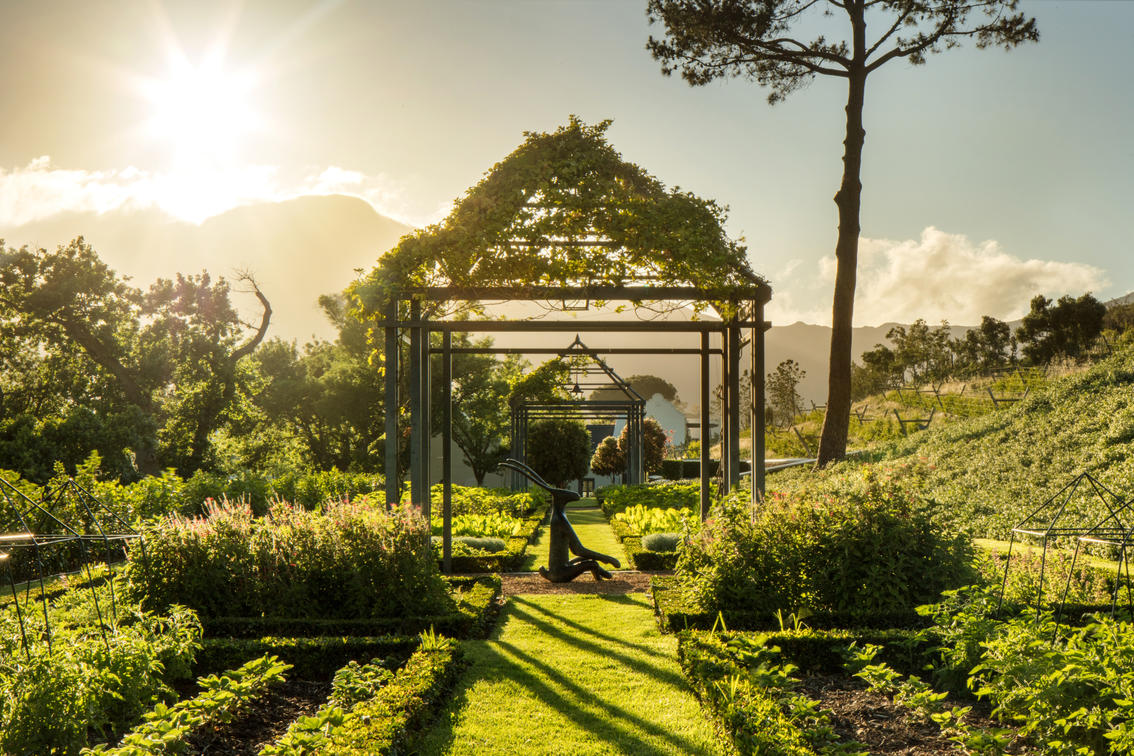
The hospitality sector in Franschhoek has increasingly embraced sustainable practices, offering travellers a range of eco-conscious accommodation options. These establishments go beyond mere aesthetics, integrating environmental responsibility into their core operations, from energy consumption to waste management.
Many lodges and guesthouses in the valley utilise renewable energy sources, implement water-saving technologies, and source local, organic produce for their kitchens. This not only reduces their environmental footprint but also supports the local economy and provides guests with an authentic, responsible experience.
Eco-Friendly Practices in Lodges
Sustainable accommodation in Franschhoek often features innovative designs that blend seamlessly with the natural landscape. Guests can expect:
Water Conservation: Rainwater harvesting, greywater recycling systems, and water-wise landscaping are common.
Energy Efficiency: Solar panels, energy-efficient lighting, and smart climate control systems reduce electricity consumption.
Waste Reduction: Comprehensive recycling programmes, composting, and efforts to minimise single-use plastics are standard.
Local Sourcing: Emphasis on using locally grown produce, supporting local artisans, and employing staff from the community.
For example, some lodges might offer guided walks to showcase their conservation efforts or involve guests in tree-planting initiatives, providing a deeper connection to the region's environmental goals.
Safaris and Wildlife Encounters Near Franschhoek
While Franschhoek itself is not a traditional safari destination, its proximity to various private game reserves and wildlife sanctuaries allows for incredible safari experiences that complement a Winelands journey. These reserves are often at the forefront of conservation, offering ethical wildlife encounters.
Travellers can combine the refined luxury of Franschhoek with the thrill of a South African safari, knowing that their visit supports vital wildlife protection programmes. Many of these reserves focus on species reintroduction, anti-poaching efforts, and habitat restoration, contributing significantly to the broader conservation landscape.
Responsible Wildlife Tourism
When planning a safari from Franschhoek, Encounters Africa prioritises partners who uphold the highest standards of responsible tourism. This means:
Ethical Animal Interactions: Ensuring that wildlife encounters are natural and do not involve exploitation or harm to animals.
Community Involvement: Supporting reserves that work closely with local communities, providing employment and educational opportunities.
Conservation Funding: Choosing operators whose fees directly contribute to anti-poaching, habitat restoration, and wildlife research.
Low-Impact Safaris: Opting for game drives and activities that minimise disturbance to the environment and animals.
Destinations like Addo Elephant National Park or private reserves in the Eastern Cape offer diverse wildlife viewing, including the Big Five, and are accessible from Franschhoek for multi-day excursions.
Community Engagement and Social Responsibility
Conservation in Franschhoek extends beyond environmental protection to encompass social responsibility and community upliftment. Many initiatives recognise that sustainable conservation is only possible with the active participation and benefit of local communities.
This holistic approach ensures that the economic benefits of tourism and conservation are shared, fostering a sense of ownership and pride among residents. Educational programmes, job creation, and support for local businesses are integral components of this strategy.
Empowering Local Communities
Several organisations and private estates in Franschhoek run programmes aimed at empowering local communities. These include:
Skills Development: Training programmes in hospitality, conservation management, and sustainable agriculture.
Educational Support: Initiatives providing resources and mentorship to local schools and students.
Entrepreneurship: Supporting small local businesses, from craft markets to tour operators, creating economic opportunities.
Health and Welfare: Contributions to local clinics and social welfare programmes, improving the overall quality of life.
By choosing to travel with Encounters Africa, you contribute to a network of partners who are deeply invested in these community-focused conservation efforts, ensuring your journey has a positive impact.
Conclusion: Your Role in Franschhoek's Conservation Story
Franschhoek is more than just a destination; it's a living testament to how luxury, culture, and conservation can coexist harmoniously. Its dedication to preserving the unique Cape Floral Kingdom, coupled with a growing commitment to sustainable tourism and community empowerment, makes it a truly special place.
When you choose to explore Franschhoek with Encounters Africa, you are not just embarking on a journey of indulgence; you are becoming a part of a larger conservation story. Your visit supports the vital work being done to protect this precious environment and uplift its communities, ensuring that the valley's green heart continues to thrive for generations to come. For discerning travellers seeking a private safari beyond our set itineraries, we invite you to contact us directly. We specialise in designing exceptional, tailor-made journeys for individuals, couples, families, and private groups of up to eight guests. Drawing on our handpicked network of distinguished camps and lodges, we curate every detail with precision and care, creating a seamless, deeply personal safari experience shaped entirely around your preferences, pace, and budget.
More like this
conservation
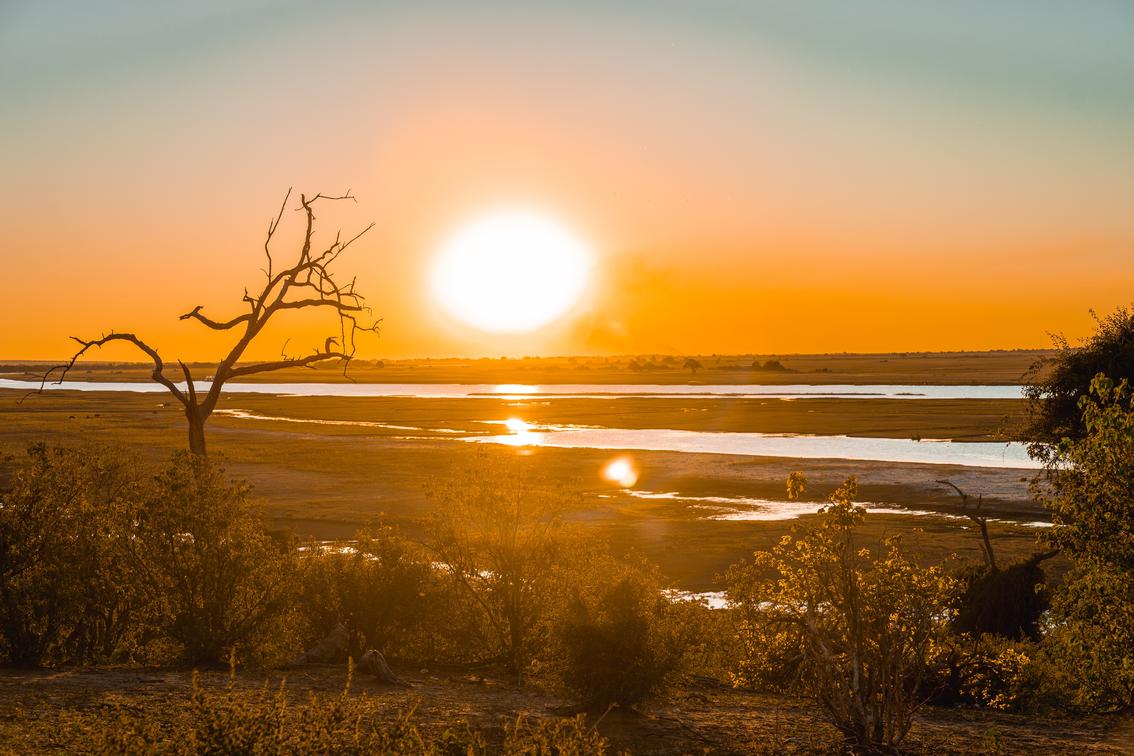
Guardians of the Chobe: Conservation Efforts Along the River Front
conservation
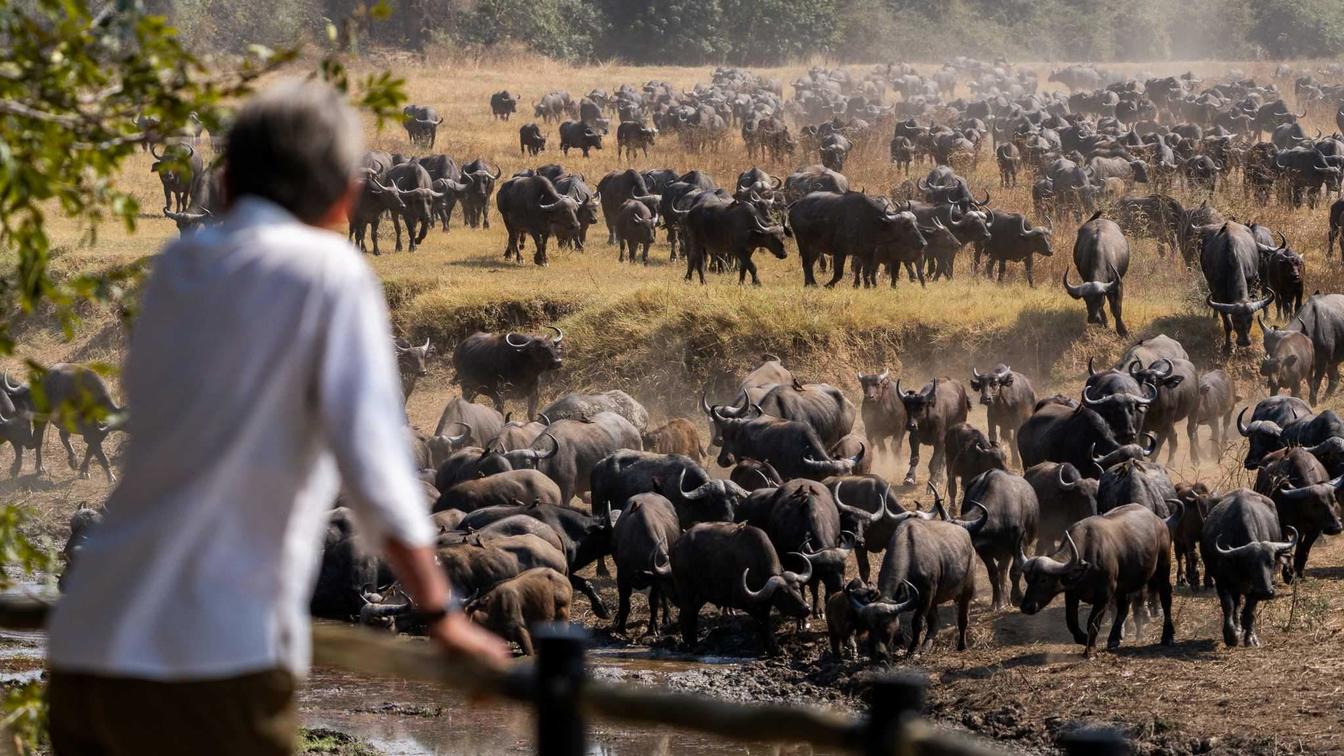
Guardians of the Green: Kasane Forest Reserve's Vital Role
conservation
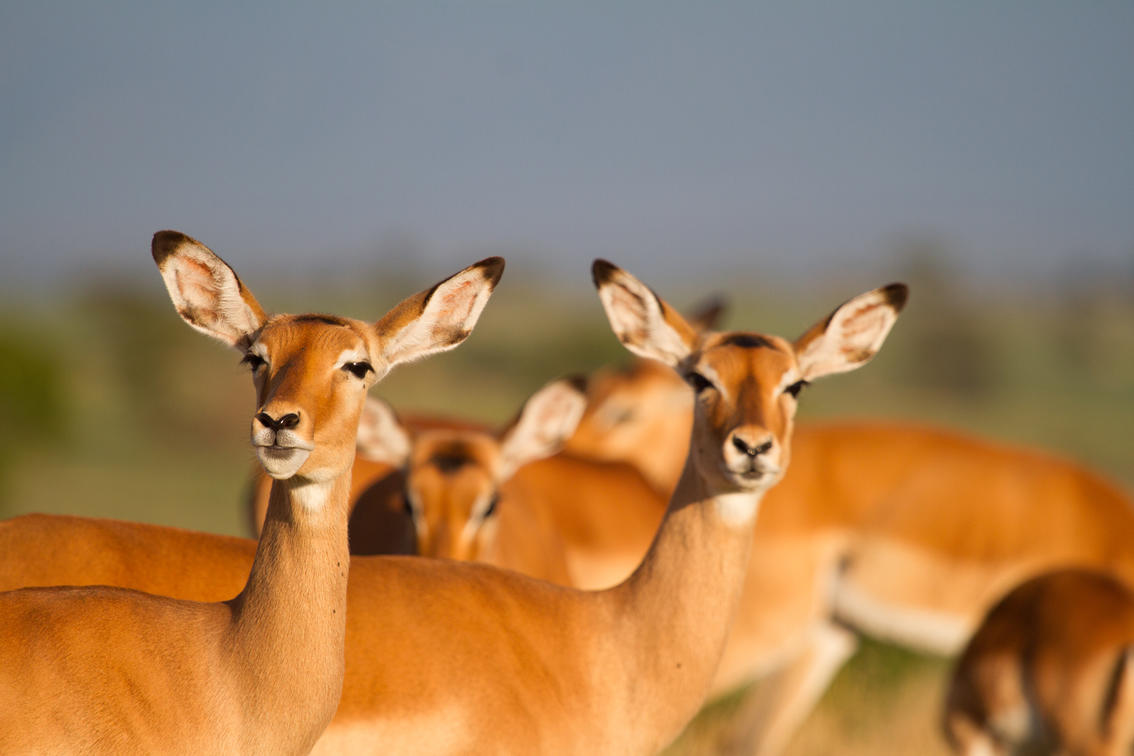
Guardians of the Luangwa: Sustainable Safaris in South Luangwa National Park
conservation
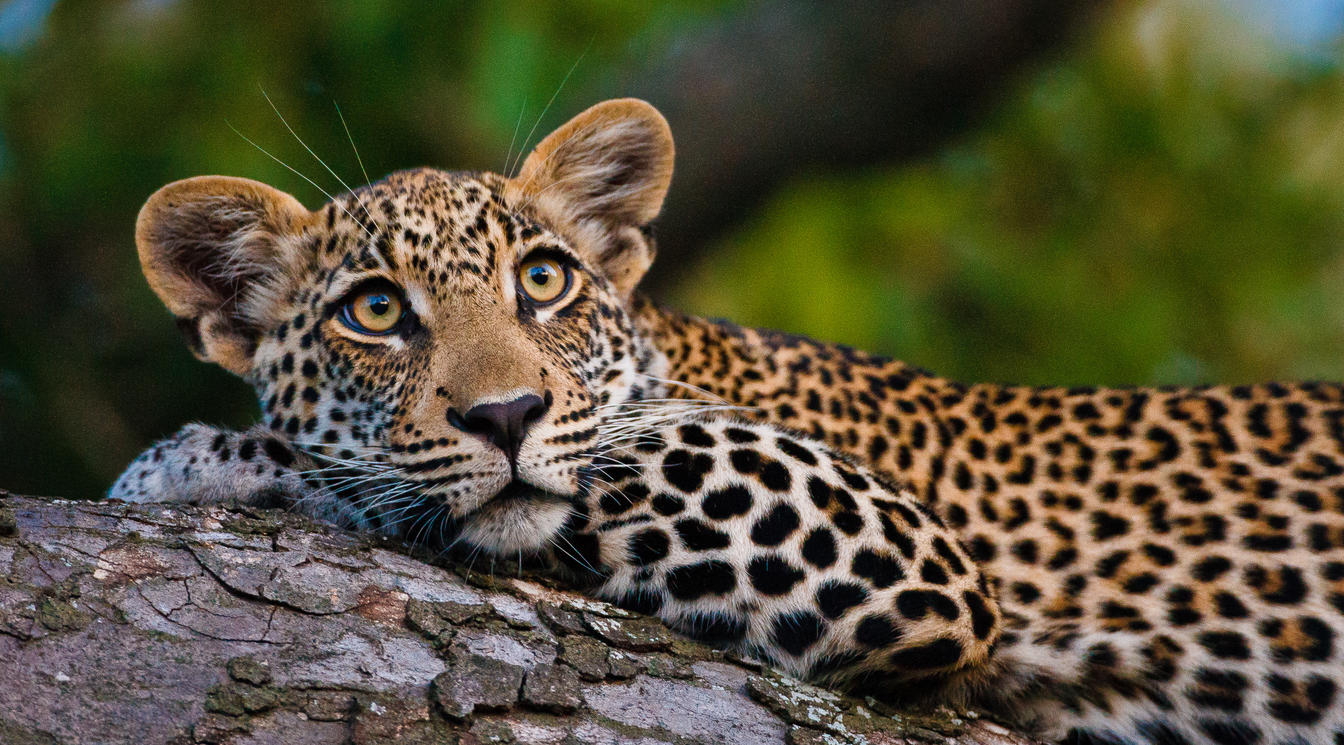
Guardians of the Wild: Conservation in Tanzania's Serengeti
conservation
Guardians of the Wild: Timbavati Private Nature Reserve Conservation
conservation