conservation
Conservation Success at Addo Elephant National Park
Encounters Africa - 6 min read
Updated on 1 May 2026
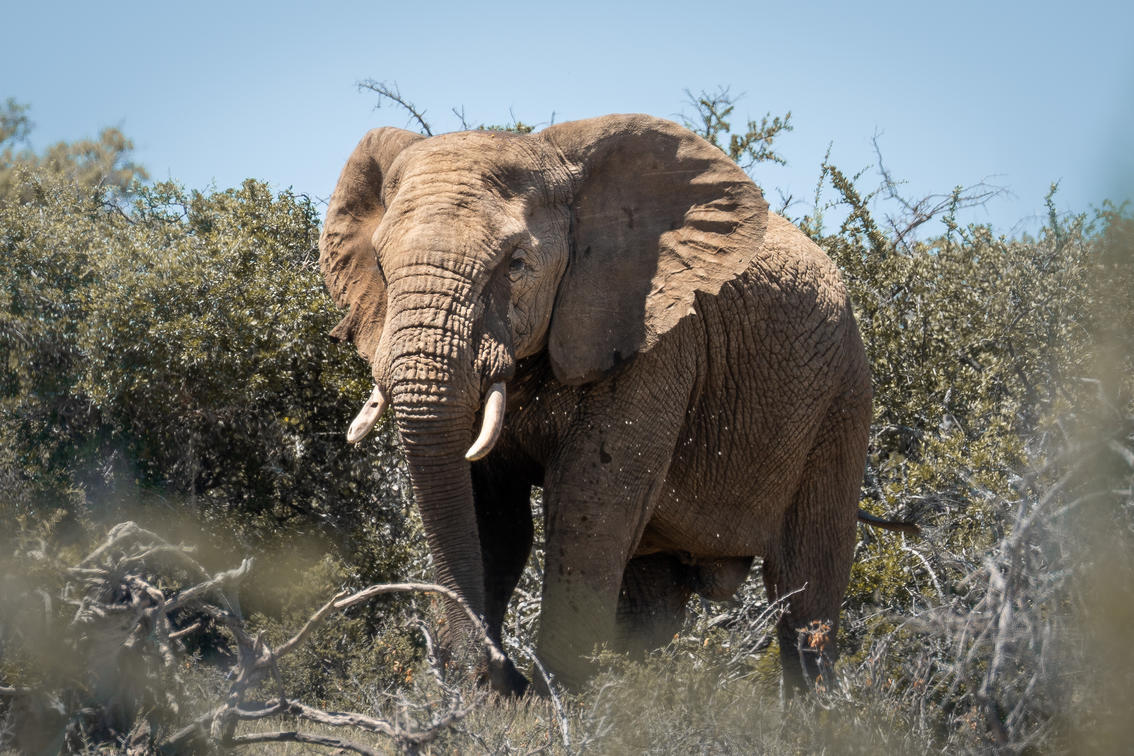
Deep within South Africa's Eastern Cape lies a remarkable testament to the power of conservation: Addo Elephant National Park. What began as a desperate effort to save a mere eleven elephants from extinction has blossomed into a thriving sanctuary, protecting not only these magnificent pachyderms but also a rich tapestry of biodiversity. This park stands as a shining example of how dedicated conservation efforts can reverse the tide of ecological decline, offering a compelling narrative for those interested in conservation safaris.
Today, Addo is the only national park in the world to host the 'Big Seven' – elephant, rhino, lion, buffalo, leopard, and the marine giants, the great white shark and southern right whale – making it a truly unique destination. Its story is one of resilience, strategic planning, and unwavering commitment, providing invaluable lessons for wildlife protection across the globe.
The Genesis of a Sanctuary: Addo's Early Days
The history of Addo Elephant National Park is both poignant and inspiring. At the turn of the 20th century, the once-vast elephant populations of the Eastern Cape had been decimated by hunting and agricultural encroachment. By 1919, only a handful of elephants remained, driven to raiding citrus orchards for survival, leading to conflict with local farmers.
In 1931, the South African government established a sanctuary for these last survivors, creating what would become Addo Elephant National Park. This initial phase was fraught with challenges, as the elephants, wary of humans, were difficult to manage within the confines of the park. However, through careful management and the construction of an elephant-proof fence, the herd slowly began to recover.
Overcoming Early Challenges
One of the most significant early challenges was the conflict between the elephants and the surrounding agricultural communities. The notorious Major Pretorius was initially tasked with culling the remaining elephants, but public outcry led to a shift in strategy towards protection. The development of the 'Addo fence' – a unique design incorporating old railway lines – proved instrumental in containing the elephants and allowing them to thrive within the park's boundaries.
The story of Addo is a powerful reminder that even from the brink of extinction, dedicated conservation can forge a path to remarkable recovery and flourishing biodiversity.
Expanding Horizons: From Elephants to Ecosystems
Addo Elephant National Park has evolved far beyond its initial focus on elephants. Over the decades, its boundaries have expanded dramatically, incorporating diverse biomes and reintroducing a wide array of species. This ambitious expansion aims to create a 'mega-park' that stretches from the semi-arid Karoo to the Indian Ocean, protecting a comprehensive range of ecosystems.
The park's expansion strategy is a model for modern conservation, recognising that protecting individual species is intrinsically linked to preserving their habitats. By connecting fragmented landscapes, Addo provides vital corridors for wildlife movement and enhances genetic diversity, crucial for long-term survival.
The 'Big Seven' Vision
Addo's vision of becoming the only park in the world to conserve the 'Big Seven' is a testament to its commitment to comprehensive biodiversity. The reintroduction of lions in 2003 and black rhinos has added crucial predator-prey dynamics to the ecosystem, while the inclusion of marine areas protects whales and great white sharks. This holistic approach makes Addo an unparalleled destination for wildlife enthusiasts.
Elephants: From 11 individuals to over 600, a truly remarkable comeback.
Black Rhinos: A critically endangered species, thriving under strict protection.
Lions: Reintroduced to restore ecological balance and predator-prey relationships.
Buffalo: Genetically distinct Addo buffalo, a conservation success story in itself.
Leopard: Naturally occurring, though elusive, adding to the park's mystique.
Great White Sharks: Protected within the marine section, a vital apex predator.
Southern Right Whales: Seasonal visitors to the coastline, highlighting marine conservation efforts.
Conservation Strategies in Action
Effective conservation in Addo relies on a multi-faceted approach, combining scientific research, community engagement, anti-poaching measures, and sustainable tourism. These strategies work in concert to ensure the park's long-term viability and the protection of its precious wildlife.
Encounters Africa understands the importance of these initiatives, and our conservation safaris are designed to offer travellers insights into these critical efforts. We believe that by witnessing conservation firsthand, our guests become advocates for wildlife protection.
Anti-Poaching and Security
The threat of poaching, particularly for rhinos, remains a significant challenge. Addo employs highly trained anti-poaching units, advanced surveillance technology, and intelligence networks to combat this illicit trade. These dedicated teams work tirelessly to protect the park's vulnerable species, often operating in challenging conditions.
Community involvement is also crucial in anti-poaching efforts. By educating local communities about the value of wildlife and providing alternative livelihoods, the park fosters a sense of ownership and partnership in conservation.
Habitat Restoration and Management
Habitat degradation is a major threat to biodiversity. Addo actively engages in habitat restoration projects, including alien plant removal and the rehabilitation of degraded areas. This ensures that the park's diverse ecosystems can support healthy wildlife populations.
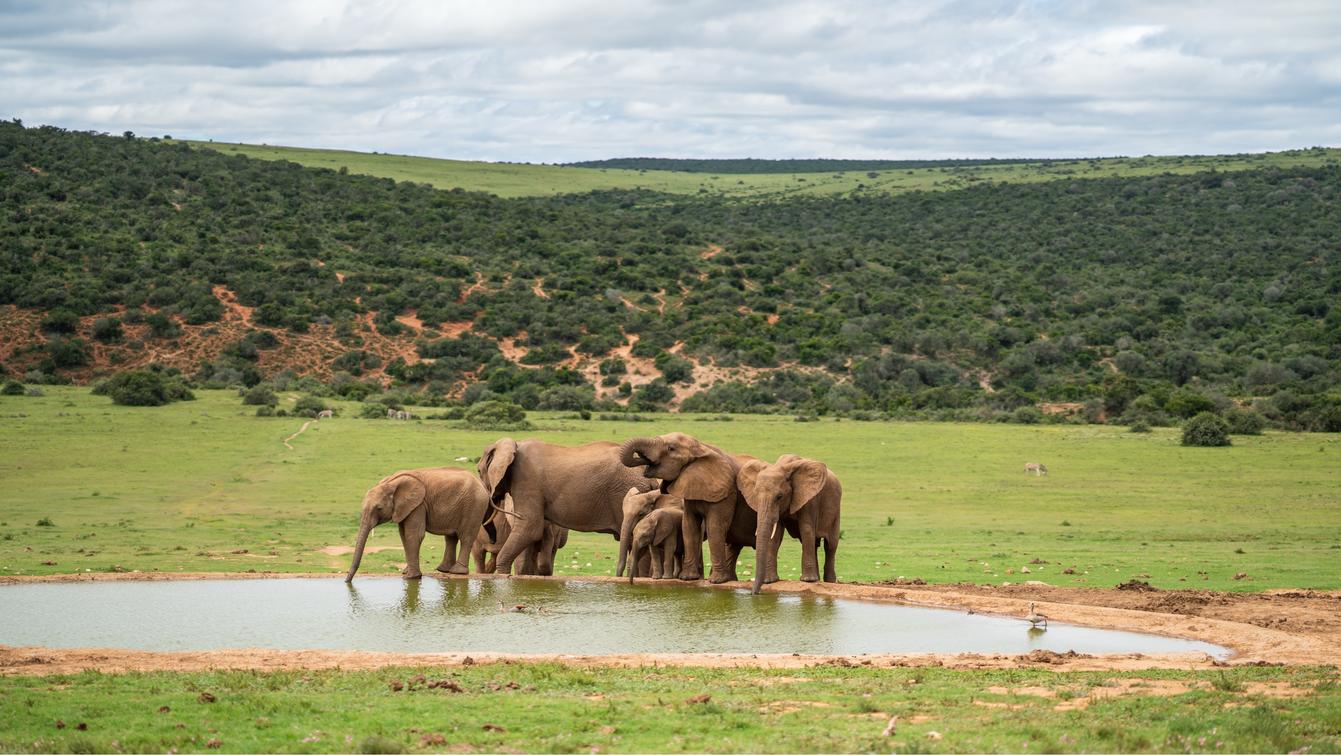
Water management is another critical aspect, especially in the drier sections of the park. Artificial waterholes are strategically placed to provide essential resources for wildlife, particularly during drought periods, while also managing animal distribution.
The Role of Sustainable Tourism
Tourism plays a vital role in funding Addo's conservation efforts. By attracting visitors, the park generates revenue that directly supports anti-poaching, habitat management, and community programmes. Sustainable tourism practices ensure that this economic benefit does not come at the expense of the environment.
Encounters Africa is committed to promoting responsible tourism that benefits both wildlife and local communities. Our bespoke journeys to South Africa and other African destinations are crafted with sustainability at their core, ensuring a positive impact.
Visitor Experience and Education
Addo offers a range of experiences, from self-drive safaris to guided game drives. These opportunities allow visitors to connect with nature and learn about the park's conservation story. Educational programmes for local schools also foster a new generation of conservationists.
The park's commitment to accessibility ensures that a wide range of travellers can experience its wonders, making conservation more inclusive and impactful. Observing elephants up close in their natural habitat is an unforgettable experience that inspires a deeper appreciation for wildlife.
Every journey to Addo Elephant National Park contributes directly to the ongoing success of its vital conservation programmes, making a safari here a truly impactful experience.
The Future of Conservation in Addo
The future of Addo Elephant National Park is bright, driven by ongoing expansion plans and a steadfast commitment to its conservation mandate. The vision of a mega-park connecting diverse landscapes continues to unfold, promising even greater ecological resilience and biodiversity protection.
Challenges remain, including climate change and human-wildlife conflict, but Addo's history demonstrates its capacity for innovation and adaptation. Its success serves as a beacon of hope, proving that with dedication and strategic planning, nature can not only recover but thrive.
For discerning travellers seeking a private safari beyond our set itineraries, we invite you to contact us directly. We specialise in designing exceptional, tailor-made journeys for individuals, couples, families, and private groups of up to eight guests. Drawing on our handpicked network of distinguished camps and lodges, we curate every detail with precision and care, creating a seamless, deeply personal safari experience shaped entirely around your preferences, pace, and budget.
More like this
conservation
De Hoop Nature Reserve: A Conservation Success Story
conservation
Former Poachers Now Lead Anti-Poaching Patrols Across Kenya
conservation
Franschhoek's Green Heart: A Commitment to Conservation
conservation
Guardians of the Chobe: Conservation Efforts Along the River Front

conservation
Guardians of the Green: Kasane Forest Reserve's Vital Role
conservation