conservation
Can South Africa's Marine Protected Areas Halt the Decline of African Penguins?
Encounters Africa - 7 min read
Updated on 21 August 2026
South Africa's network of marine protected areas aims to shield African penguins from overfishing, pollution, and climate change. We examine the science behind these underwater reserves and whether they can reverse the species' alarming population drop. With numbers having fallen by more than 90 percent since the early 20th century, these seabirds have become a symbol of marine conservation efforts in one of the world's most productive ocean ecosystems.
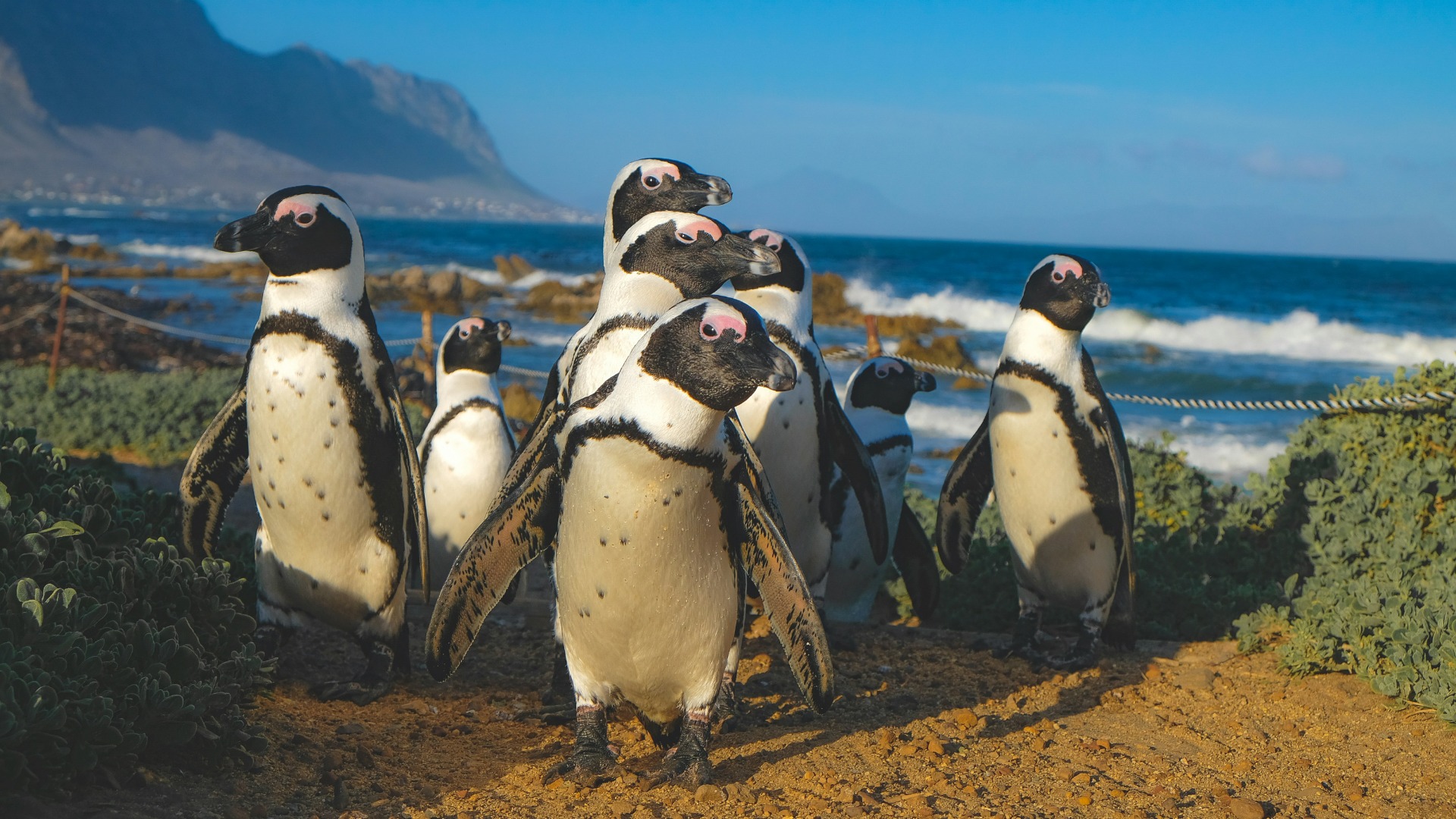
African penguins, the only species found on the continent, face a precarious future. Once numbering in the millions, their population has plummeted to fewer than 10,000 breeding pairs today. Marine protected areas, or MPAs, represent a cornerstone of the strategy to halt this decline, creating no-take zones that allow fish stocks to recover and provide vital foraging grounds for these flightless birds.

The Plight of the African Penguin
The African penguin's story is one of dramatic loss. Historically, guano harvesting, egg collection, and later commercial fishing stripped away both their habitat and food sources. Today, the primary threat comes from competition with industrial purse-seine fisheries targeting sardines and anchovies, the penguins' main prey.
Oil spills, pollution from coastal development, and shifting ocean currents linked to climate change compound these pressures. Breeding colonies on islands such as Robben and Dassen have shrunk alarmingly, with many pairs now struggling to find enough food to raise their chicks. Without intervention, projections suggest the species could face functional extinction in the wild by 2035.
Every sardine snatched by a trawler is one fewer meal for a penguin trying to feed its young on a windswept island.
Understanding Penguin Foraging Behaviour
Research using GPS trackers on penguins has revealed they typically forage within 20 to 40 kilometres of their colonies during the breeding season. When fish stocks collapse in these zones, breeding success plummets. Data from the University of Cape Town shows that chick survival rates can drop below 20 percent in years of poor prey availability.
This dependency makes spatial protection of feeding areas essential. Marine protected areas that encompass these critical zones offer a science-based approach to safeguarding both the birds and the broader ecosystem that supports them.
South Africa's Marine Protected Areas Network
South Africa has declared 41 marine protected areas covering approximately 5 percent of its exclusive economic zone, with plans to expand this network. These underwater parks range from the kelp forests of the Western Cape to the subtropical reefs of KwaZulu-Natal, each designed to protect specific habitats and species.
Key MPAs for penguins include the Table Mountain National Park Marine Protected Area, which encompasses several important breeding islands, and the recently expanded Addo Elephant National Park Marine Protected Area. These zones restrict commercial fishing while allowing sustainable activities such as eco-tourism and scientific research.
The Cape Town region serves as a focal point for these efforts, where land-based conservation meets ocean protection. Nearby colonies benefit from reduced fishing pressure within a 20-kilometre radius, giving penguins a better chance to locate shoals of nutrient-rich fish.
How Marine Reserves Function for Seabirds
Within no-take MPAs, fish populations can increase by 200 to 400 percent within five years, according to global meta-analyses. For African penguins, this translates to improved body condition and higher chick fledging weights, both critical for long-term survival.
However, the effectiveness depends on proper design. Reserves must be large enough to cover penguin foraging ranges yet positioned to align with oceanographic features that concentrate prey. South Africa's network draws on decades of seabird research to achieve this balance.
Marine protected areas are not simply lines on a map; they are lifelines for species pushed to the edge by human activity.
The Science Behind Penguin Recovery Efforts
Long-term monitoring by organisations including the South African Foundation for the Conservation of Coastal Birds (SANCCOB) provides compelling data. In areas where fishing has been restricted, penguin populations have shown signs of stabilisation, though overall numbers continue to decline due to pressures outside protected zones.
One landmark study published in 2022 demonstrated that closing fisheries around key colonies during the breeding season increased penguin foraging efficiency by 30 percent. Such findings have informed adaptive management approaches that adjust MPA boundaries and regulations based on real-time ocean conditions and fish stock assessments.
Climate Change and Oceanographic Challenges
Warming seas are shifting the distribution of sardine and anchovy populations further east along the Agulhas Current. This mismatch between protected areas and prey distribution represents a significant challenge for static MPAs. Scientists are now modelling dynamic ocean management systems that could adjust protection zones seasonally.
Despite these complexities, the network of marine protected areas remains one of the most promising tools available. When combined with habitat restoration on land and active rehabilitation of oiled or abandoned chicks, they form part of a multi-layered conservation strategy.
Success Stories and Measurable Outcomes
At Stony Point near Betty's Bay, a small but well-protected colony has shown remarkable resilience. Visitor numbers to this mainland site have grown steadily, generating revenue that supports ongoing monitoring and research. Similar positive results have been observed at Boulders Beach within the Table Mountain National Park Marine Protected Area.
These sites demonstrate that well-managed marine protected areas can deliver both ecological and economic benefits. Penguin viewing has become a significant draw for South Africa wildlife holidays, creating tangible value for local communities while funding conservation initiatives.
Encounters Africa regularly incorporates visits to these accessible colonies in tailored itineraries, allowing travellers to witness conservation in action while contributing to its success through responsible tourism.
Community Involvement in Marine Conservation
Local fishing communities play a crucial role in the long-term viability of marine protected areas. Education programmes and alternative livelihood projects help reduce illegal fishing and build support for the network. In some areas, former fishers have transitioned to roles as marine guides and monitors.
This inclusive approach recognises that conservation must deliver benefits beyond the penguins themselves. Sustainable marine resource management supports both biodiversity and coastal economies in a country where millions depend on the ocean for their livelihoods.
When communities see direct benefits from healthy seas, they become the strongest guardians of marine protected areas.
Can Marine Protected Areas Reverse the Decline?
This question sits at the heart of current conservation debates. The evidence suggests that marine protected areas are necessary but not sufficient on their own. While they have slowed the rate of decline in certain colonies, broader threats including climate-driven ecosystem shifts require additional interventions.
Experts agree that expanding the MPA network, improving enforcement, and integrating it with fisheries management reforms could significantly improve outcomes. The African Penguin Biodiversity Management Plan sets a target of stabilising the population at 2023 levels by 2027, with marine protected areas forming a central pillar of this ambitious goal.
What Travellers Can Do to Support Penguin Conservation
Responsible wildlife travel plays an important supporting role. Choosing operators committed to conservation funding, maintaining respectful distances at colonies, and avoiding products linked to unsustainable fishing all contribute to the solution.
Many of our guests combine their South African safari experiences with visits to penguin colonies, gaining deeper appreciation for the interconnectedness of marine and terrestrial conservation. These encounters often inspire lasting commitment to protecting the species.

Looking Ahead: A Future for African Penguins
The coming decade will prove decisive for the African penguin. With continued refinement of the marine protected areas network, stronger enforcement, and integration of new scientific insights, there remains genuine cause for cautious optimism. The species' survival depends on our ability to balance human needs with the health of the oceans that sustain all life.
At Encounters Africa, we have witnessed first-hand how informed travellers become powerful advocates for conservation. For those looking for a private safari beyond our set itineraries, we would be delighted to hear from you directly. We specialise in creating beautifully tailored journeys for solo travellers, couples, families, and private groups of up to eight guests. Through our trusted network of carefully selected camps and lodges, we craft each safari around your individual interests, preferred pace, and budget, ensuring a seamless and deeply personal experience from beginning to end.
Please visit our enquiry form to begin planning your journey. By travelling thoughtfully with us, you help support the vital work of protecting South Africa's remarkable marine heritage for generations to come.
More like this
Conservation
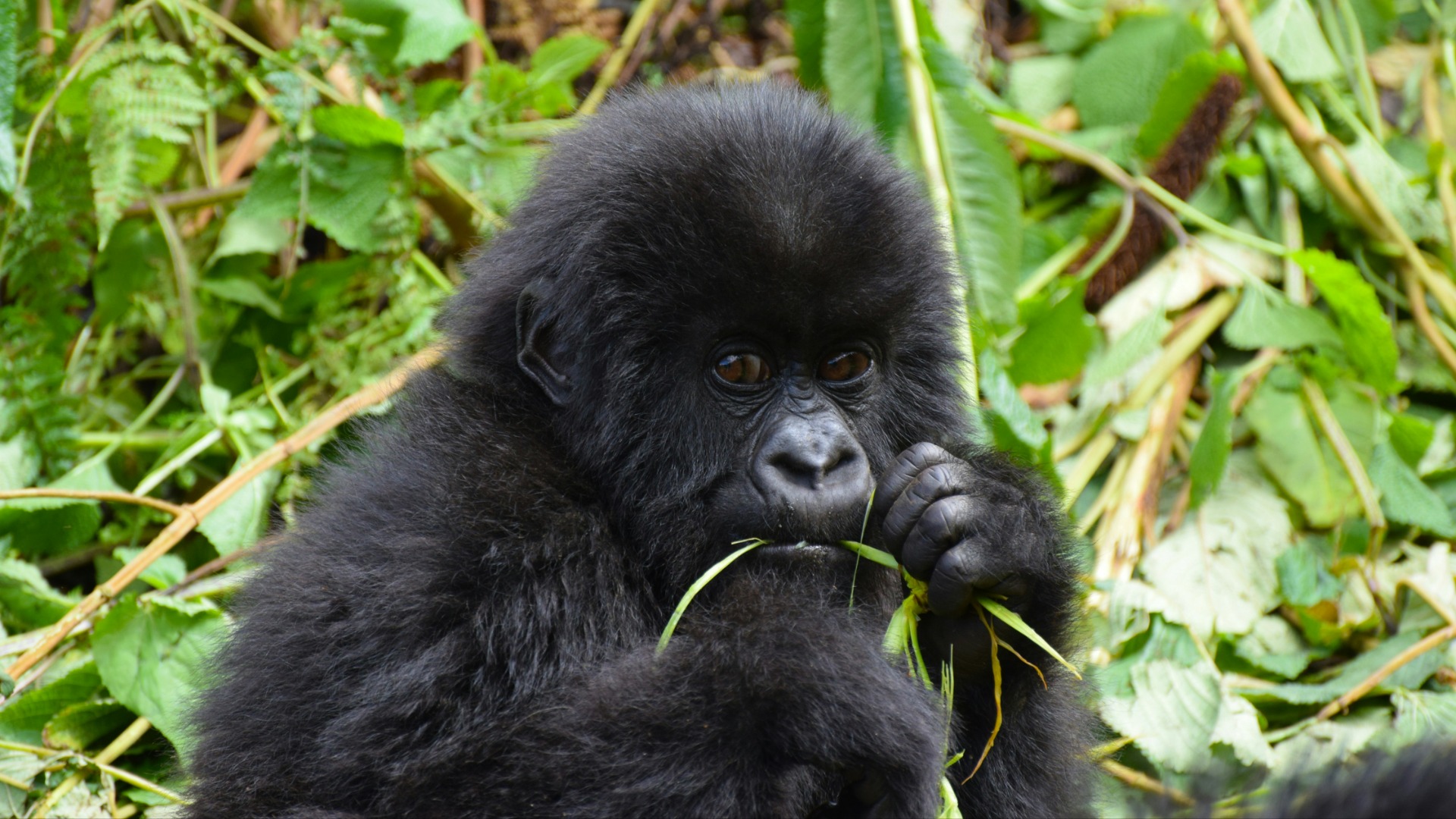
Community Rangers in Uganda Turn Local Knowledge into Gorilla Protection
conservation
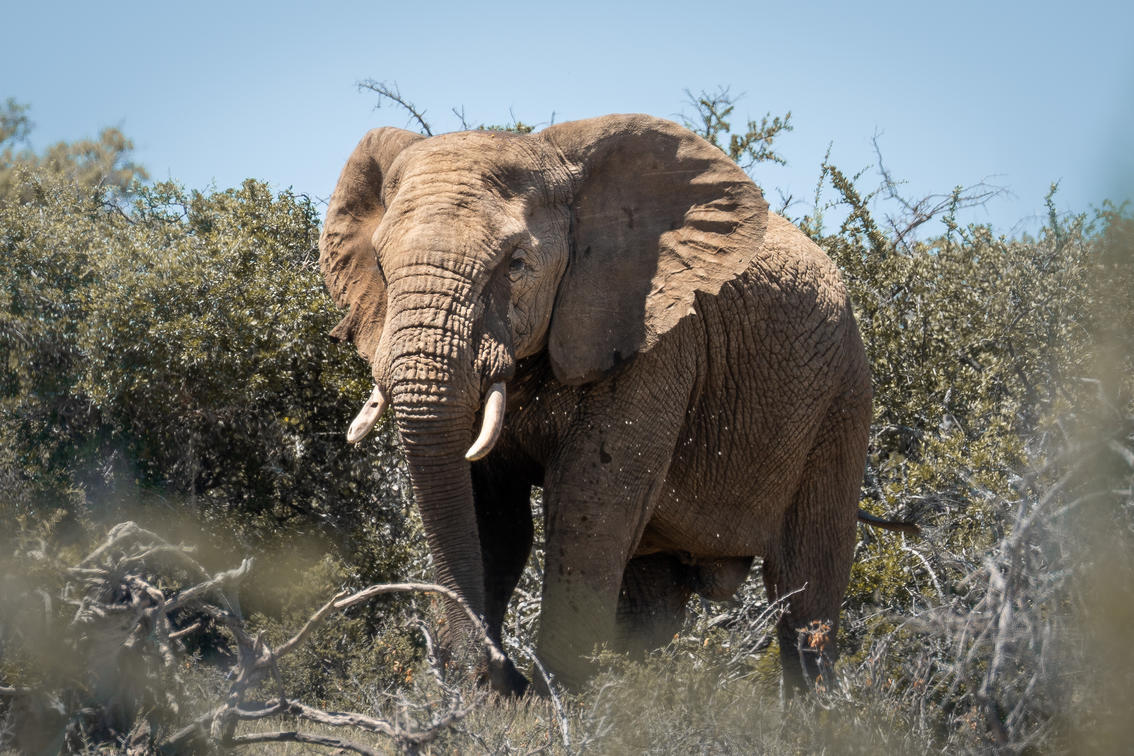
Conservation Success at Addo Elephant National Park
conservation
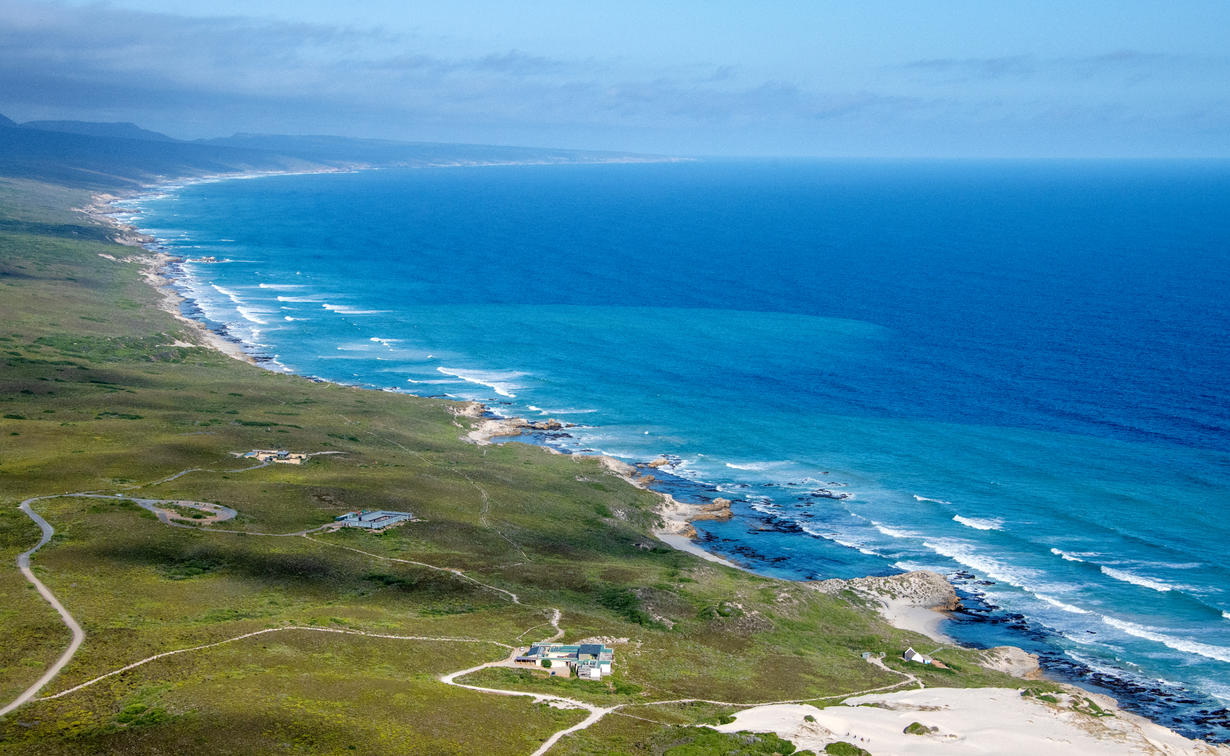
De Hoop Nature Reserve: A Conservation Success Story
conservation
Former Poachers Now Lead Anti-Poaching Patrols Across Kenya
conservation
Franschhoek's Green Heart: A Commitment to Conservation
conservation