Conservation
Community Rangers in Uganda Turn Local Knowledge into Gorilla Protection
Encounters Africa - 9 min read
Updated on 13 August 2026
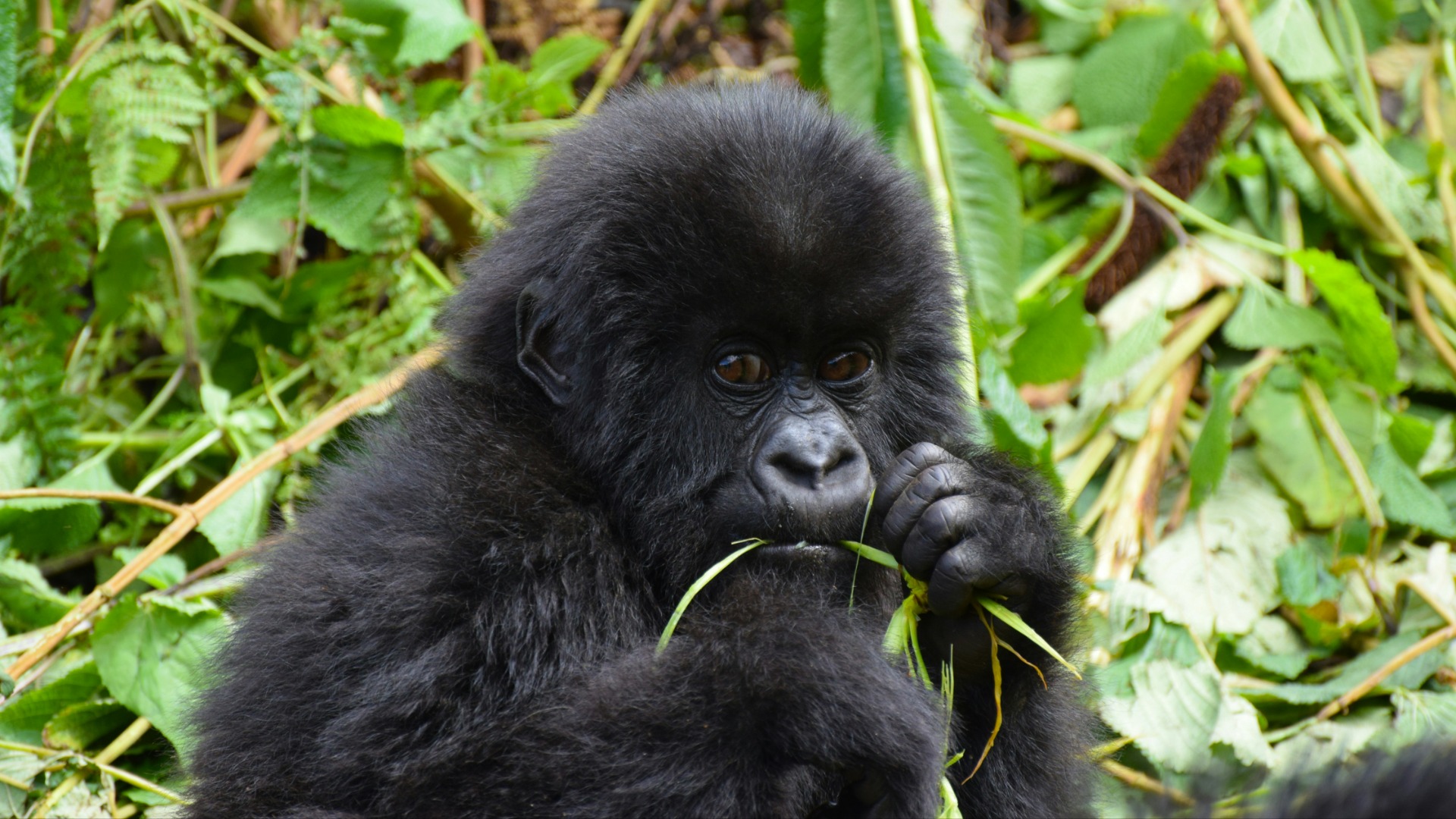
In Uganda’s Bwindi Impenetrable Forest, community rangers have become the frontline guardians of one of the planet’s most endangered species. Through structured patrols, revenue-sharing initiatives, and deep local knowledge, these dedicated individuals have helped mountain gorilla numbers climb from roughly 300 in the early 1990s to more than 1,000 today across the Virunga massif and Bwindi. This report examines how involving local residents directly contributes to the steady recovery of endangered mountain gorillas while improving livelihoods, demonstrating a powerful model of conservation that blends traditional understanding with modern protection strategies.
The transformation began in earnest in the mid-1990s when conservation organisations recognised that sustainable success required the active participation of communities living on the forest’s edge. Rather than imposing external solutions, initiatives empowered residents to become stewards of the very landscape that sustains both their families and the gorillas. The results speak clearly: poaching incidents have dropped dramatically, habitat encroachment has slowed, and gorilla populations continue their measured increase at approximately 3 percent annually.

The Critical State of Uganda’s Mountain Gorillas
Mountain gorillas face threats from habitat loss, disease, and occasional poaching despite their protected status. Confined to just two isolated populations in the high-altitude forests straddling Uganda, Rwanda and the Democratic Republic of Congo, these great apes number around 1,063 individuals according to the latest census completed in 2019. Their slow reproductive rate, with females producing only one infant every four years on average, makes every loss significant.
Bwindi Impenetrable National Park shelters roughly half of the world’s remaining mountain gorillas within its 331 square kilometres of dense vegetation. The park’s steep ridges and thick undergrowth provide natural protection yet also create challenges for monitoring and anti-poaching efforts. Before community involvement intensified, snares set for bushmeat frequently injured or killed gorillas, while agricultural expansion nibbled away at the forest margins.
Local knowledge has proved more effective than sophisticated technology alone in detecting subtle signs of intrusion across Bwindi’s challenging terrain.
Population Recovery Trends
Since systematic monitoring began, gorilla groups in Bwindi have shown consistent growth. The 2019 census recorded 459 individuals in 46 groups within the Ugandan sector, representing a 26 percent increase since 2011. This upward trajectory coincides directly with the expansion of community-led programmes, offering compelling evidence of their effectiveness.
Veterinary teams report fewer snare injuries, while genetic studies indicate improving diversity within the population. These positive indicators reflect reduced pressure on the ecosystem and demonstrate that conservation measures are creating genuine breathing space for the species to recover at its naturally slow pace.
Community Rangers: Local Expertise in Action
Community rangers in Uganda turn local knowledge into gorilla protection through daily patrols that cover more than 300 square kilometres of forest each month. Recruited from parishes bordering the park, these men and women possess intimate understanding of the terrain, animal movements, and traditional resource use patterns that outsiders could never match.
Training programmes combine indigenous tracking skills with modern techniques such as GPS mapping, data collection protocols, and wildlife law enforcement procedures. Rangers learn to identify individual gorilla groups by their unique vocalisations and nesting patterns while developing the ability to recognise signs of illegal activity from seemingly insignificant clues like broken branches or unusual footprints.
Daily Patrol Routines and Impact
Each patrol team typically consists of four to six rangers who cover assigned sectors on foot, often walking eight to twelve kilometres daily through dense vegetation. They remove hundreds of snares annually, document illegal activities, and monitor gorilla health and movements. Their presence alone acts as a powerful deterrent to potential poachers who understand the community now actively protects the forest.
Data collected by these teams feeds directly into national conservation strategies. Rangers record gorilla sightings, vegetation changes, and human activity patterns, creating a comprehensive picture that informs management decisions. This information flow has enabled quicker responses to emerging threats and more targeted protection measures.
When community members see tangible benefits from protecting gorillas, the forest transforms from a resource to be exploited into a shared inheritance worth defending.
Revenue-Sharing Models That Change Perspectives
Uganda’s pioneering revenue-sharing scheme directs 20 percent of gorilla permit fees directly to communities adjacent to protected areas. With each permit priced at $700, this arrangement channels substantial funds into local development projects, creating powerful economic incentives for conservation. In 2023 alone, communities around Bwindi received over $4 million through this mechanism.
These funds support tangible improvements including school construction, health clinics, road maintenance, and agricultural training. By linking gorilla protection to visible community benefits, the programme has shifted local attitudes from viewing the park as a restriction to seeing it as an asset that funds essential services.
How Funds Translate to Conservation Support
Communities decide collectively how to allocate their share of tourism revenue, fostering ownership and accountability. Many have invested in alternative income projects such as beekeeping, handicraft production, and sustainable agriculture that reduce pressure on forest resources. Others have funded additional ranger positions or purchased equipment that enhances patrol effectiveness.
This financial connection creates a virtuous cycle. As gorilla populations grow and tourism increases, more revenue flows to communities, strengthening their commitment to protection. The model has inspired similar approaches across other conservation landscapes in East Africa.
Success Stories from Bwindi’s Forest Edge
The transformation of former poachers into respected conservationists stands among the programme’s most remarkable achievements. Individuals who once set snares now lead anti-poaching teams, using their previous knowledge to protect the animals they once hunted. Their stories illustrate how economic alternatives combined with respect can fundamentally change behaviour.
Women’s groups have emerged as particularly effective advocates. Through craft cooperatives that sell gorilla-themed products to visitors, they generate income while spreading conservation messages within their communities. Several women now serve as community rangers, challenging traditional gender roles while contributing unique perspectives to patrol strategies.
Measuring Conservation and Social Impact
Independent studies document clear correlations between community involvement and conservation outcomes. Areas with active ranger programmes show 70 percent fewer incidents of illegal activity compared to less engaged zones. Household surveys reveal improved attitudes toward wildlife protection, with over 85 percent of respondents in some parishes now supporting the park’s continued existence.
Health and education indicators have also improved markedly in participating communities. School enrolment rates have risen, malaria incidence has declined due to better healthcare access, and families report greater food security through improved agricultural practices. These social gains reinforce conservation efforts by reducing the desperation that often drives illegal resource extraction.
The most sustainable conservation emerges when local people become genuine partners rather than peripheral beneficiaries of wildlife protection efforts.
What This Means for Travellers Seeking Authentic Experiences
Visitors to Uganda now have opportunities to engage directly with these community-led initiatives, creating more meaningful connections to both the gorillas and the people who protect them. Several lodges work closely with neighbouring communities, offering visits to ranger posts, craft workshops, and cultural performances that highlight the human dimension of gorilla conservation.
Choosing operators who prioritise community partnerships ensures that your gorilla trekking experience contributes directly to protection efforts. Many programmes now include opportunities to meet rangers and learn about their work, transforming a wildlife encounter into a broader understanding of the complex relationship between people and nature in this remarkable landscape.
Preparing for a Responsible Gorilla Trek
Successful gorilla viewing requires fitness, respect, and preparation. Permits must be booked well in advance, particularly during the drier months from June to September and December to February when trekking conditions are optimal. Travellers should maintain the required seven-metre distance from gorillas, follow strict health protocols, and remember that their permit fees directly support the community programmes described here.
Consider extending your journey beyond the gorilla trek itself. Many community projects welcome visitors to see how conservation funds translate into tangible improvements, offering insights that enrich any Uganda safari. These experiences often prove as memorable as the gorilla encounters themselves.
Challenges and Future Horizons
Despite notable successes, significant challenges remain. Climate change brings unpredictable rainfall patterns that affect both gorilla food sources and human agriculture around the park. Human population growth continues to increase pressure on limited land resources, while disease transmission between humans and gorillas poses an ongoing threat that requires vigilant monitoring.
Community programmes must evolve to address these emerging pressures. Current initiatives focus on expanding alternative livelihoods, strengthening health services to reduce disease spillover risks, and developing climate adaptation strategies for both people and gorillas. The remarkable recovery to date suggests these communities possess the knowledge and commitment necessary to meet these challenges.
International support remains crucial for providing training, equipment, and scientific expertise that complements local efforts. Organisations like Encounters Africa work with trusted partners to ensure that visitor experiences help fund these vital community initiatives, creating connections between global travellers and the dedicated Ugandans protecting our shared gorilla heritage.

Conclusion
The story of Uganda’s mountain gorillas demonstrates that effective conservation must address both ecological and human needs simultaneously. By empowering local communities as genuine partners, Uganda has created a model where protecting endangered wildlife directly improves human wellbeing, generating support that no amount of external enforcement could achieve alone.
As gorilla numbers continue their encouraging upward trend, the partnership between communities, rangers, and responsible tourism offers hope for the species’ long-term survival. This integrated approach provides valuable lessons for conservation efforts across Africa and beyond, showing how local knowledge, economic incentives, and genuine community ownership can achieve what top-down measures rarely accomplish.
For discerning travellers seeking a private safari beyond our set itineraries, we invite you to contact us directly. We specialise in designing exceptional, tailor-made journeys for individuals, couples, families, and private groups of up to eight guests. Drawing on our handpicked network of distinguished camps and lodges, we curate every detail with precision and care, creating a seamless, deeply personal safari experience shaped entirely around your preferences, pace, and budget.
Consider joining Bwindi Lodge or exploring the broader wonders of Uganda while directly supporting the community initiatives that make gorilla recovery possible. Visit our enquiry form to begin planning your journey to witness these magnificent creatures and meet the remarkable people who ensure their future.
More like this
conservation
Conservation Success at Addo Elephant National Park
conservation
De Hoop Nature Reserve: A Conservation Success Story
conservation
Former Poachers Now Lead Anti-Poaching Patrols Across Kenya
conservation
Franschhoek's Green Heart: A Commitment to Conservation
conservation
Guardians of the Chobe: Conservation Efforts Along the River Front
conservation