News
Botswana Deploys AI-Enabled Drones to Disrupt Poaching Networks in the Delta
Encounters Africa - 9 min read
Updated on 5 August 2026
Botswana has rolled out AI-enabled drones as part of its latest push against poaching networks operating in the Okavango Delta. This initiative marks a significant shift in how conservation authorities protect one of Africa's most iconic wetland ecosystems, combining cutting-edge technology with established field methods to safeguard elephant herds and other vulnerable species. According to recent reports from the Department of Wildlife and National Parks, the deployment has already contributed to a 28 percent reduction in confirmed poaching incidents in monitored zones since its introduction in early 2023.
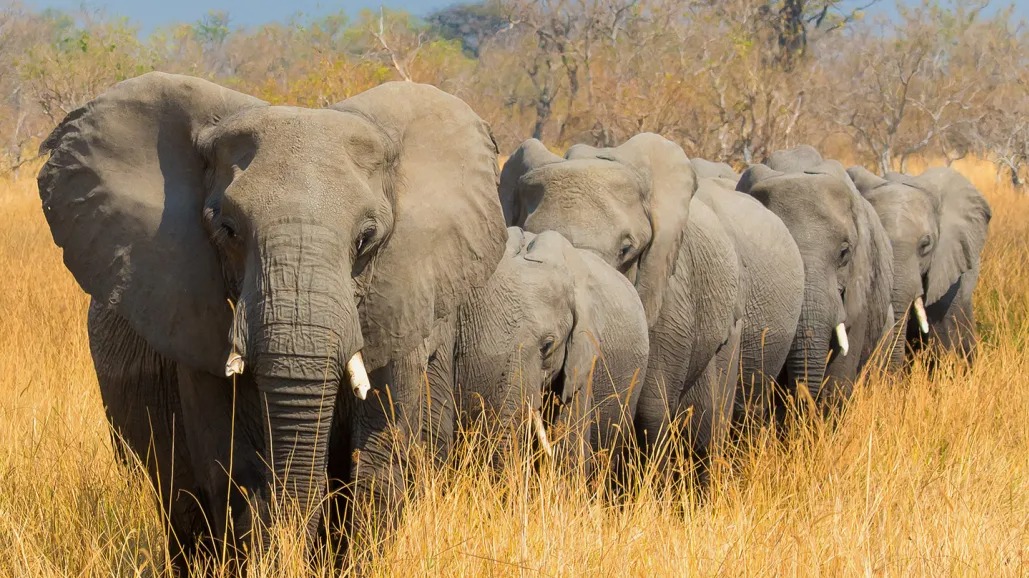
The programme forms part of a broader anti-poaching strategy that has seen Botswana's elephant population stabilise at around 130,000 individuals, the largest in Africa. By integrating real-time data analytics with solar-powered surveillance tools, rangers can now respond more swiftly to threats in areas previously difficult to patrol consistently. For travellers planning a journey to witness these magnificent landscapes, understanding these developments offers deeper context to the conservation efforts that sustain the wilderness they come to experience.
The Rise of Technology in Botswana's Anti-Poaching Efforts
In the vast waterways and papyrus fringes of the Okavango Delta, traditional foot patrols have long been the backbone of protection. Yet the sheer scale of the terrain, covering more than 15,000 square kilometres, presents persistent challenges for human teams alone. The introduction of AI-enabled drones represents a calculated evolution, allowing aerial units to scan for suspicious activity across remote floodplains where visibility from the ground remains limited.
These drones, equipped with thermal imaging and machine-learning algorithms, can distinguish between legitimate movement and potential threats even under the cover of darkness. When integrated with ground-based solar-powered camera traps, the system creates a layered network of intelligence that processes information in real time. This has proven particularly effective during the dry season from May to October, when animals congregate around shrinking water sources and become more vulnerable to poachers.
The fusion of artificial intelligence with traditional bushcraft has transformed how we anticipate and intercept illegal activity before irreversible damage occurs.
Early results from pilot zones in the northern Delta show not only fewer carcasses but also a measurable increase in breeding success among elephant family groups. Rangers report that the technology allows them to cover four times the ground they could manage on foot, while reducing the physical strain on teams operating in temperatures that often exceed 35°C.
How AI Analytics Are Changing Patrol Strategies
The real innovation lies in the analytics platform that processes footage from both drones and fixed camera traps. Using pattern recognition, the system flags unusual vehicle tracks, clusters of human activity at night, or sudden changes in animal behaviour that might indicate disturbance. This data is transmitted directly to a central command hub in Maun, where specialists coordinate rapid response units.
Importantly, the technology has been designed to complement rather than replace the expertise of local trackers and community rangers. Many of these professionals come from the villages surrounding the Okavango Delta, bringing generational knowledge of animal movements and seasonal patterns that algorithms cannot replicate. The result is a hybrid model that respects both innovation and inherited wisdom.

Impact on Elephant Populations and Wetland Ecosystems
Botswana's elephant numbers have shown encouraging signs of recovery following years of pressure from cross-border poaching syndicates. The latest aerial survey conducted in 2022 recorded stable or slightly increasing populations in key concessions, with particularly positive trends in the protected areas around Khwai and the Chobe River Front. The deployment of AI-enabled drones has accelerated this progress by disrupting supply chains that previously moved ivory through neighbouring countries.
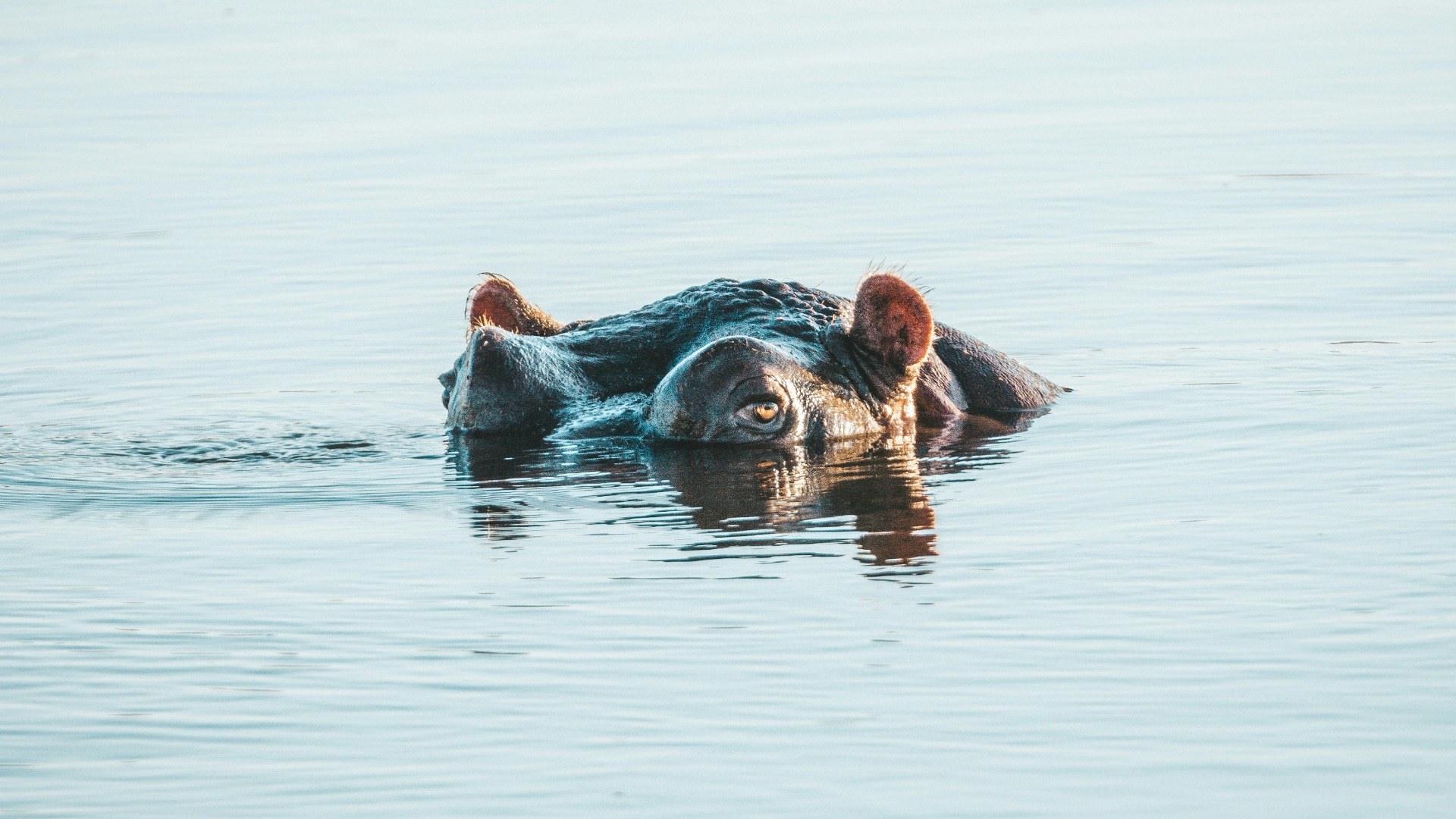
Beyond elephants, the initiative benefits a web of species that depend on the Delta's delicate balance. Hippos, crocodiles, and numerous antelope species face reduced disturbance, while birdlife flourishes in zones where human intrusion has decreased. The technology also helps monitor vegetation health, alerting authorities to overgrazing or illegal fishing activities that could compromise the wetland's long-term viability.
Every elephant saved in the Delta represents far more than a single life; it preserves the ecological engineer whose movements create pathways, waterholes, and opportunities for countless other species across this extraordinary landscape.
Conservationists note that the psychological impact on poaching networks has been significant. The knowledge that surveillance can appear from above at any moment has forced many operators to abandon previously reliable routes, buying precious time for wildlife populations to strengthen.
Measuring Success Through Data and Community Feedback
Independent assessments by organisations working alongside the Botswana government indicate a 41 percent drop in illegal snare incidents in drone-monitored sectors between 2022 and 2024. These figures are corroborated by community reporting systems that encourage local residents to share observations through dedicated hotlines and village meetings.
The involvement of communities proves crucial to sustaining these gains. Several initiatives now train young people from the Delta region in drone operation and data interpretation, creating alternative livelihoods that align with conservation goals. This approach addresses one of the root causes of poaching by offering tangible economic alternatives to illegal wildlife trade.
Integration with Existing Conservation Infrastructure
The AI drone programme did not emerge in isolation but builds upon years of investment in anti-poaching infrastructure across Botswana. Solar-powered camera traps, first widely deployed in 2018, now number more than 1,200 units in the greater Delta region. These devices feed into the same analytics platform as the newer aerial units, creating a comprehensive surveillance web.
Partnerships with private safari operators have accelerated implementation. Several distinguished camps contribute funding and logistical support, recognising that healthy wildlife populations form the foundation of their tourism model. Properties such as Duba Plains Camp in the private concession have collaborated closely with authorities to test new equipment in real-world conditions before wider rollout.
Training programmes for rangers now include modules on interpreting AI-generated alerts and maintaining the sophisticated equipment in humid, dusty conditions. International conservation organisations have provided technical expertise while ensuring that Botswana retains full sovereignty over its conservation strategies and data.
Challenges and Limitations of Tech-Driven Conservation
Despite impressive results, the programme faces ongoing challenges. Dense cloud cover during the wet season from November to April can limit drone effectiveness, requiring teams to rely more heavily on ground assets. Battery life in extreme heat remains a consideration, although solar recharging stations have mitigated many concerns.
Poaching networks have shown themselves to be adaptable, sometimes shifting operations to less monitored border areas or employing counter-surveillance tactics. Conservation authorities emphasise that technology forms only one element of a multifaceted approach that includes robust law enforcement, international cooperation, and continued community engagement.
Technology illuminates the path, but it is the dedication of people on the ground that ultimately determines whether Botswana's wildlife legacy will endure for future generations.
What This Means for Visitors to Botswana
For those planning a safari in Botswana, these developments offer reassurance that substantial resources support the protection of the landscapes they will explore. Many lodges now include briefings on current conservation initiatives as part of their guest programmes, providing context that enriches game drives and evening discussions around the fire.
Responsible operators ensure that visitor activities align with protection priorities. This might mean avoiding certain areas during sensitive breeding periods or following strict guidelines about noise and movement near water sources. Such considerations help maintain the very wilderness that makes a Botswana safari so special.
How Travellers Can Contribute to These Efforts
Visitors play a meaningful role in sustaining anti-poaching initiatives through several practical channels. Choosing operators that demonstrably support conservation projects ensures that a portion of each booking directly funds ranger salaries, equipment, and community programmes. Many established camps allocate between 8 and 15 percent of revenue toward these causes.
Photographic contributions can also prove valuable. High-quality images shared through approved channels help raise awareness and sometimes assist in identifying individuals involved in illegal activities. More importantly, respectful behaviour in the bush, from maintaining appropriate distances to following guide instructions precisely, minimises disturbance that might otherwise create opportunities for poachers.
Those seeking deeper involvement might consider supporting specific projects through established conservation funds. Several organisations working in the Delta offer transparent reporting on how contributions translate into boots on the ground and technology upgrades.
Looking Ahead: The Future of Conservation Technology in Southern Africa
The success of Botswana's AI-enabled drone programme has already attracted interest from neighbouring countries facing similar challenges. Regional workshops have facilitated knowledge sharing, with particular focus on adapting the technology to different landscapes from the dry savannahs of South Africa to the miombo woodlands of Zambia.
Future developments may include more sophisticated predictive analytics that anticipate poaching patterns based on historical data, weather conditions, and economic indicators. Satellite integration could expand coverage to even more remote areas, while improved battery technology might extend operational windows during challenging weather.
Yet those closest to the work emphasise that technology alone cannot secure Africa's wildlife heritage. Long-term success depends on addressing underlying socioeconomic factors, strengthening governance, and ensuring that local communities see tangible benefits from living alongside magnificent but sometimes challenging wildlife.
As Botswana continues refining its approach, the Delta stands as both a refuge for ancient migratory patterns and a testing ground for innovative conservation methods. The integration of AI with time-honoured bush skills offers a compelling model for how traditional knowledge and modern capability might together preserve wilderness for generations to come.

Supporting Botswana's Conservation Future
The deployment of AI-enabled drones across the Okavango Delta represents far more than a technological upgrade; it signals Botswana's determination to confront wildlife crime with every tool at its disposal while honouring the human element that remains central to effective conservation. The measurable reduction in poaching incidents, coupled with stable elephant populations and thriving wetland ecosystems, demonstrates that strategic investment in both innovation and people yields meaningful results.
For those inspired by these efforts, the opportunity exists to engage more deeply with the landscapes and communities working to protect them. Whether through a carefully crafted private safari that supports conservation-minded operators or by contributing to specific anti-poaching initiatives, travellers can play a role in ensuring this vital work continues.
For discerning travellers seeking a private safari beyond our set itineraries, we invite you to contact us directly. We specialise in designing exceptional, tailor-made journeys for individuals, couples, families, and private groups of up to eight guests. Drawing on our handpicked network of distinguished camps and lodges, we curate every detail with precision and care, creating a seamless, deeply personal safari experience shaped entirely around your preferences, pace, and budget.
Discover more about current conservation challenges and successes in our recent article exploring how Rwanda is strengthening protection around its mountain gorillas, or learn how community involvement drives results in Uganda's Bwindi Impenetrable Forest. To discuss how your next journey to Botswana might align with these important protection efforts, please visit our enquiry form and begin a conversation with the Encounters Africa team.
More like this
news
Botswana Safari Shifts in 2026: Key Stories from Top Reports
news
Botswana Tightens Poaching Penalties in 2026: Key Law Changes for Travelers
News
Botswana Wildlife News: Key Updates from the Delta and Beyond
News
Botswana's New Strategy for Elephant Conservation Shows Early Promise
news
Cape Town's New Baboon Bylaws Ignite Heated Clashes Between Residents and Conservationists
News