News
Botswana Wildlife News: Key Updates from the Delta and Beyond
Encounters Africa - 9 min read
Updated on 22 June 2026
Botswana wildlife news continues to capture the attention of conservationists and safari enthusiasts alike. Recent developments from the Okavango Delta and surrounding regions reveal encouraging trends in species monitoring, habitat protection, and community involvement, painting a picture of proactive stewardship across this vast wilderness.
According to the latest figures released by Botswana's Department of Wildlife and National Parks, camera trap data collected between January and March this year shows a 22 percent rise in cheetah detections and a 17 percent increase in African wild dog pack sightings within the Delta. These updates form part of broader news on wildlife in Botswana that underscores the effectiveness of expanded patrols and technological investment in safeguarding iconic species.
The rhythm of the Delta pulses stronger when predators move freely through its channels, a reminder that every successful patrol writes another chapter in the story of coexistence.
Recent Monitoring Advances in the Okavango Delta
Over the past six months, conservation teams have deployed an additional 85 camera traps across floodplains and woodland fringes, creating one of the most comprehensive monitoring networks in Southern Africa. This infrastructure has allowed researchers to document not only presence but also breeding success, with three new cheetah litters recorded in the Ngamiland district alone.
Community-led patrols, involving residents from villages bordering the Okavango Delta, have contributed over 1,200 patrol days since October. Their observations complement the technological data, highlighting how local knowledge enhances scientific accuracy. Such collaboration reflects a maturing model of shared responsibility that many other African nations are now studying.
These efforts have coincided with improved water flow patterns following above-average rainfall in the Angolan highlands last season. The resulting abundance of prey species has supported healthier predator populations, offering a timely illustration of how climatic cycles and dedicated protection can align for positive outcomes.
Technology Meets Traditional Knowledge
Field teams now combine satellite collars on select wild dog packs with time-honoured tracking methods passed through generations. This dual approach has reduced response times to potential threats from days to mere hours, a development that seasoned guides at Duba Plains Camp describe as transformative for both research and guest experiences.
Similar integration is visible in the Moremi Game Reserve, where drone surveys conducted quarterly map vegetation changes and animal movements with remarkable precision. The information gathered feeds directly into adaptive management plans that adjust patrol routes seasonally.

Anti-Poaching Measures Showing Measurable Results
News on wildlife in Botswana frequently centres on the battle against illegal hunting, and the most recent quarterly report brings welcome statistics. Incidents of poaching within protected zones have dropped by 38 percent compared with the same period last year, thanks to increased ranger presence and smarter deployment of resources.
In the northern concessions, specialised canine units have been introduced to track scent trails that human eyes might miss. Working alongside 120 additional community scouts hired since 2022, these teams have intercepted six major snares operations before significant damage occurred. The programme's success demonstrates that sustained investment in both equipment and personnel delivers tangible protection.
When communities see wildlife as neighbours rather than resources, the landscape itself begins to heal.
Funding for these initiatives comes from a combination of government allocation, international partners, and tourism revenue reinvested through conservation levies. Each visitor to Botswana contributes indirectly to these efforts via a daily park fee that has helped establish dedicated anti-poaching funds now totalling over P12 million (approximately £700,000).
Community Benefits and Local Stewardship
Beyond enforcement, Botswana's approach emphasises economic incentives for residents living alongside wildlife corridors. In the Khwai area, income from photographic tourism has enabled the construction of three new classrooms and a medical clinic, directly linking wildlife preservation with improved quality of life.
Similar stories emerge from the Khwai Community Area, where former livestock farmers have transitioned into guiding roles and conservation monitors. Their intimate understanding of seasonal patterns has proven invaluable in predicting animal movements during the annual flood.
Predator Population Trends Across Key Regions
While the Delta garners much attention, Botswana wildlife news also highlights developments in other important ecosystems. Aerial surveys completed in late 2023 across the Chobe ecosystem recorded 184 African wild dogs, representing one of the densest populations on the continent. Lion numbers in the same region have stabilised at approximately 650 individuals following a targeted prey restoration project.
Leopard sightings have increased notably along the Chobe River Front, with guides reporting frequent observations of females with cubs. This suggests improving conditions for this elusive cat, whose numbers had previously shown concerning fluctuations.
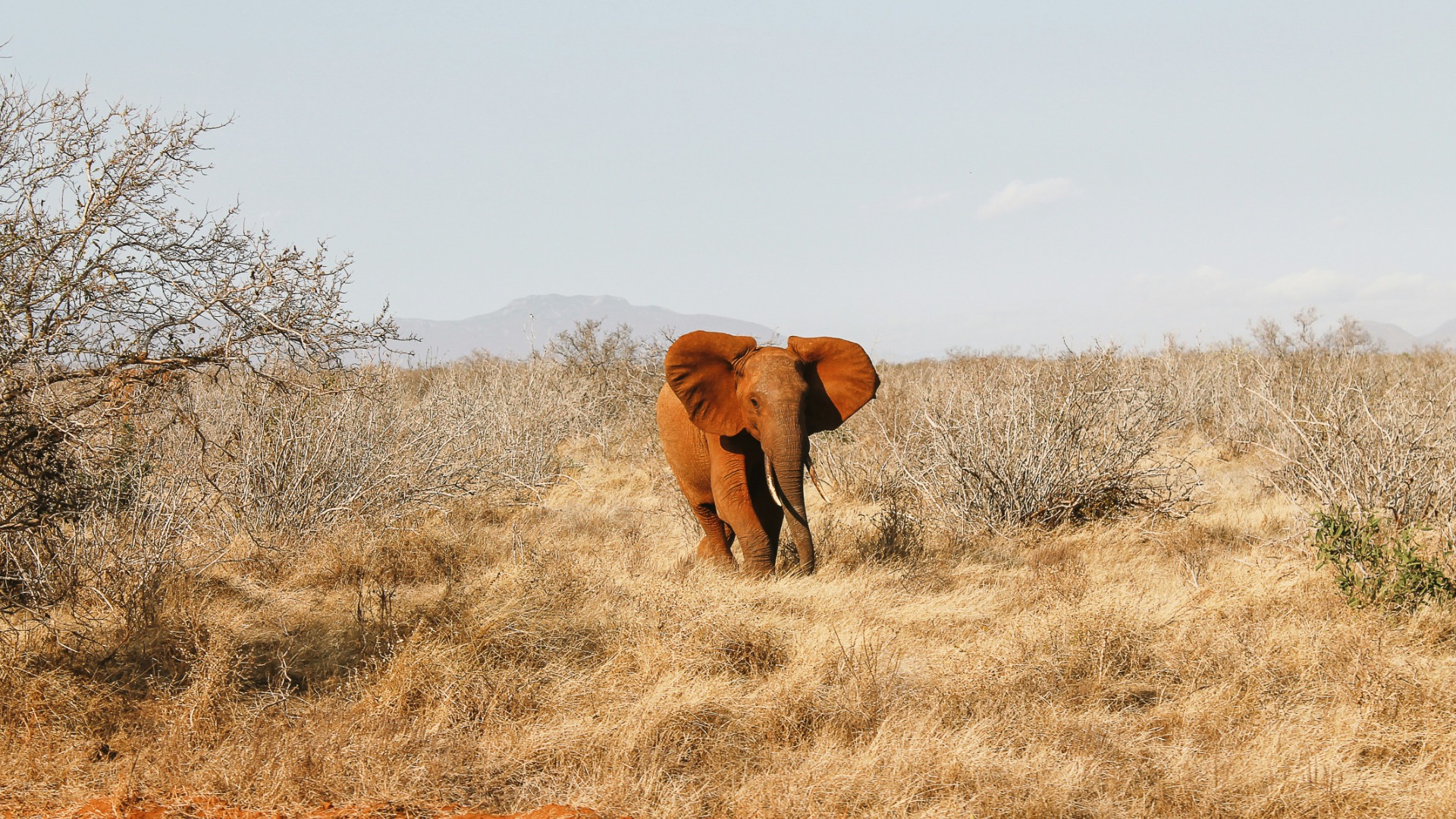
Elephant populations remain robust, with the latest national estimate placing Botswana's herds at around 130,000 individuals. However, human-elephant conflict continues to require careful management, particularly in agricultural zones bordering the northern parks. New chilli-based deterrents and early-warning systems have reduced crop raiding incidents by 45 percent in pilot villages.
Special Focus on Endangered Carnivores
Cheetahs, often overshadowed by their larger cousins, have benefited from dedicated research programmes that began in 2018. Current data indicates a population of between 300 and 350 adults across the country, with the highest densities found in the Central Kalahari and surrounding private reserves.
Researchers have documented long-distance movements between Botswana and neighbouring countries, emphasising the need for transboundary cooperation. A new memorandum with Namibia, signed in February, facilitates information sharing on collared animals crossing international boundaries.

How Climate Patterns Are Influencing Wildlife Behaviour
Changing rainfall cycles present both challenges and opportunities for Botswana's ecosystems. The past two years have seen unusually high water levels in the Delta, creating expansive breeding grounds for fish and waterbirds while altering traditional grazing areas for large herbivores.
Buffalo and zebra herds have shifted their migration routes accordingly, followed closely by their predators. This natural adjustment has led to more frequent predator sightings in areas previously considered marginal, delighting visitors and providing researchers with new behavioural insights.
Drier conditions in the south-western Kalahari have prompted innovative responses from conservation teams. Artificial water points equipped with solar pumps now support wildlife during the most arid months, carefully positioned to avoid concentrating animals in ways that might spread disease.
The Delta teaches patience above all else; its moods shift with the rains, and those who move with them discover its deepest secrets.
Research into Long-term Adaptation
Ongoing studies at the Okavango Research Institute track how temperature increases affect reptile and amphibian populations, species that form crucial links in the food chain. Early findings suggest certain frog species are breeding earlier in the season, potentially creating mismatches with predator cycles that will require further observation.
These scientific endeavours receive support from several luxury lodges that host researchers and contribute data from their own environmental monitoring programmes. Such partnerships between private operators and academic institutions strengthen the knowledge base available to decision-makers.
What These Updates Mean for Future Safari Experiences
For those planning journeys with Encounters Africa, the latest Botswana wildlife news translates into even richer wildlife encounters. Increased predator numbers often mean more dynamic sightings, particularly during the drier months when animals congregate around remaining water sources.
Visitors to Selinda Reserve may now witness wild dog hunts with greater frequency, while those exploring the private concessions around Duba can expect more regular cheetah observations. The improved anti-poaching measures also ensure that these experiences occur within truly protected landscapes.
Guides trained through community programmes bring authentic perspectives that deepen every game drive. Their ability to interpret subtle signs and explain complex ecological relationships transforms a standard safari into something far more meaningful.
Common Questions About Botswana's Wildlife Conservation
What is the current status of wild dogs in Botswana? The latest surveys indicate approximately 1,200-1,400 African wild dogs across the country, with the Okavango and Chobe systems supporting the majority. This represents a stable to slightly increasing population, supported by reduced snaring and habitat connectivity projects.
How does tourism impact conservation efforts? Responsible tourism provides essential funding for anti-poaching and community development. Botswana maintains a low-density, high-value model that limits visitor numbers while maximising economic returns to conservation, ensuring wildlife benefits directly from each traveller's presence.
When is the best time to witness predator activity in the Delta? The period from June to October typically offers the most reliable sightings as floodwaters concentrate animals. However, the shoulder months of May and November can provide excellent value with fewer visitors and equally compelling wildlife interactions.
These questions reflect the growing interest among discerning travellers who wish to understand the context behind their safari experiences. Informed visitors become powerful advocates for continued protection of these remarkable landscapes.
Looking Ahead for Botswana's Natural Heritage
The current chapter of Botswana wildlife news offers genuine cause for optimism. Through careful monitoring, community engagement, and evidence-based management, the country continues to demonstrate that conservation and responsible tourism can thrive alongside one another.
Yet challenges remain. Climate variability, human population growth, and the constant need for funding require sustained commitment from all stakeholders. The coming years will test the resilience of both ecosystems and the partnerships that support them.
For those who have experienced the magic of a Botswana dawn, with mist rising from the channels and the distant whoop of hyenas carrying across the water, these updates carry particular resonance. They remind us that the wild places we cherish are under active, thoughtful care.
For discerning travellers seeking a private safari beyond our set itineraries, we invite you to contact us directly. We specialise in designing exceptional, tailor-made journeys for individuals, couples, families, and private groups of up to eight guests. Drawing on our handpicked network of distinguished camps and lodges, we curate every detail with precision and care, creating a seamless, deeply personal safari experience shaped entirely around your preferences, pace, and budget.
Whether your interests lie in predator research, birding, cultural connection, or simply immersing yourself in landscapes of extraordinary beauty, Encounters Africa stands ready to craft an experience that resonates long after your return. We encourage you to reach out through our enquiry form to begin planning your own discovery of Botswana's remarkable wildlife heritage.
Related reading: Explore how Mashatu Game Reserve contributes to regional conservation or discover the unique perspectives shared in our recent article on community-led initiatives across Southern Africa.
More like this
News
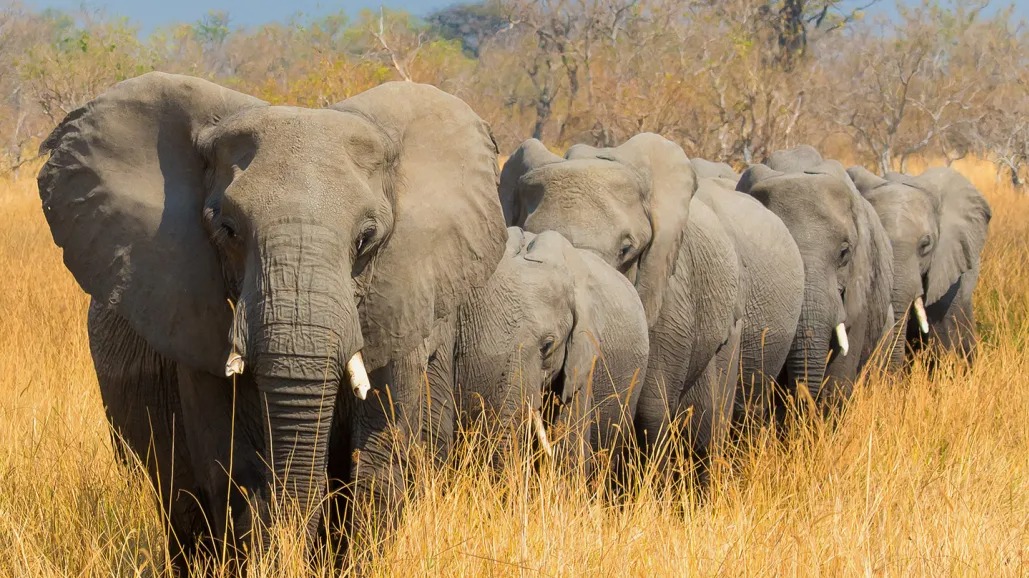
Botswana's New Strategy for Elephant Conservation Shows Early Promise
news
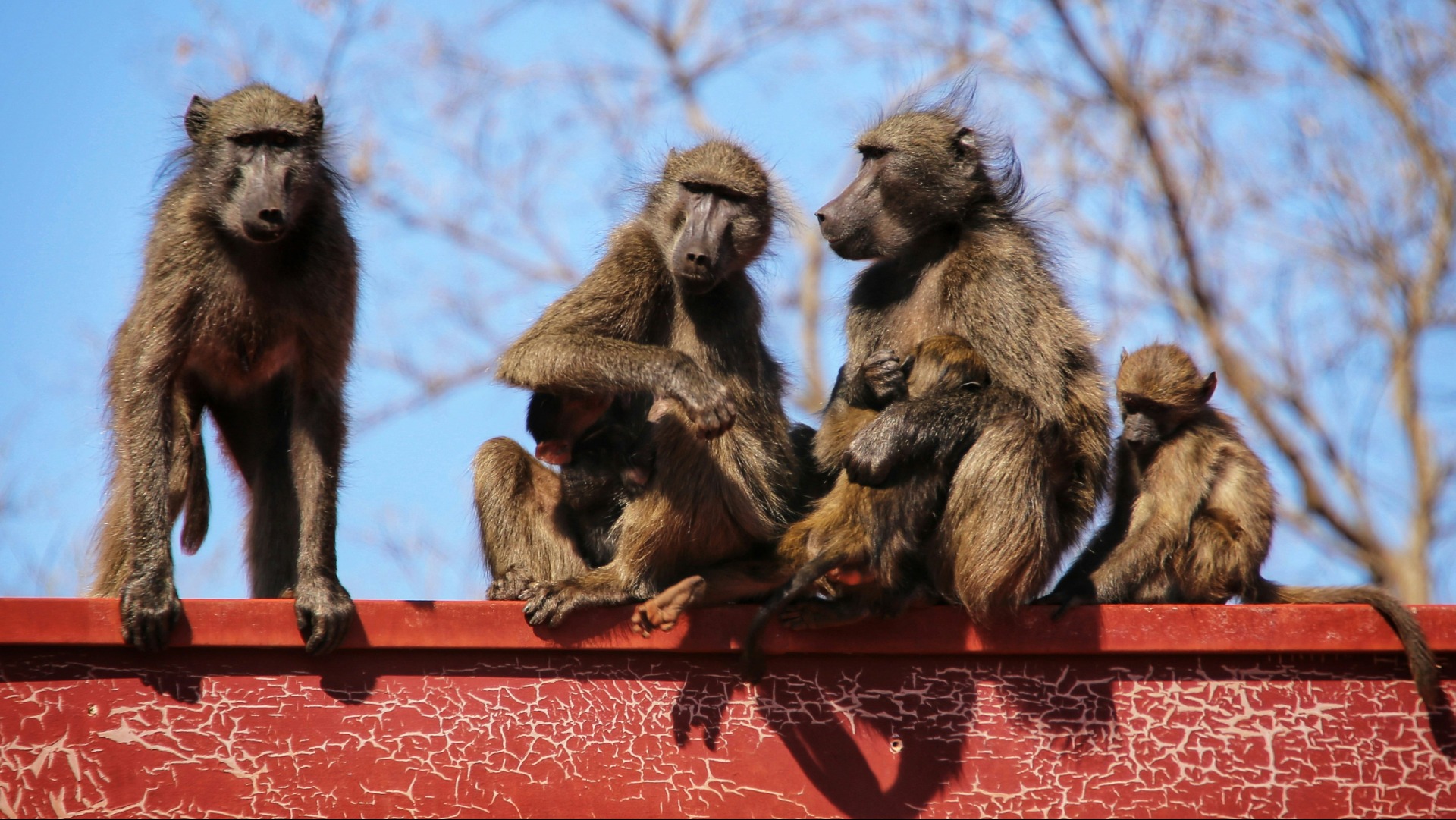
Cape Town's New Baboon Bylaws Ignite Heated Clashes Between Residents and Conservationists
News
Current Safety Protocols for Botswana Safari Travelers

news
Egypt's Billion-Dollar Museum Tests What Modern Heritage Preservation Can Achieve
news
Five African Nations Launch a Unified Travel Zone That Rewrites Cross-Border Journeys
News