News
Botswana's New Strategy for Elephant Conservation Shows Early Promise
Encounters Africa - 8 min read
Updated on 24 June 2026
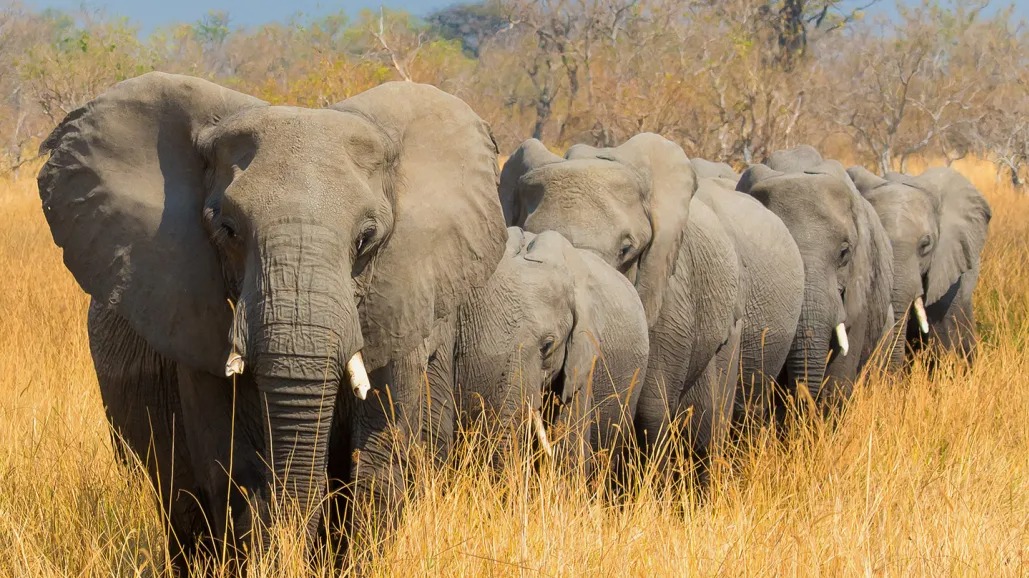
Botswana continues to lead in elephant conservation with a series of innovative measures that blend scientific insight, community involvement, and landscape-scale planning. The country's vast herds, numbering around 130,000 individuals according to the most recent aerial survey conducted in 2022, represent roughly one-third of Africa's remaining savanna elephants. This news on conserving elephants highlights how targeted interventions are already showing measurable results in reducing conflict while safeguarding migration routes across the northern landscapes.
At the heart of these efforts lies a refreshed national strategy that prioritises habitat connectivity and local stewardship. By expanding wildlife corridors and empowering communities with real-time monitoring tools, authorities aim to address the dual pressures of expanding human settlement and climate variability. Early data collected over the past 18 months suggests these approaches are yielding promising outcomes, from fewer crop-raiding incidents to improved calf survival rates in key areas.
The quiet determination behind Botswana's elephant conservation work reminds us that meaningful protection often begins not with grand gestures, but with practical steps taken alongside the people who share the land.
Understanding Botswana's Elephant Population Dynamics
Botswana's elephant numbers have grown steadily since the 1990s, when effective anti-poaching measures and strong political will helped the population rebound from earlier declines. Today, the majority roam across the Okavango Delta, Chobe National Park, and surrounding community concessions, where seasonal floods and nutrient-rich soils support their needs. Yet this success brings challenges, particularly where agricultural expansion meets ancient migration paths.
Recent studies indicate that elephants in northern Botswana travel up to 60 kilometres daily during the dry season in search of water and forage. These long-distance movements frequently bring them into contact with farming communities, leading to crop damage estimated at several million pula annually. Recognising this pattern, wildlife managers have shifted focus toward proactive spatial planning rather than reactive deterrence alone.
The latest census figures from 2022 recorded a stable population with a healthy age structure, including a notable proportion of juveniles. This demographic stability provides a solid foundation for the current conservation initiatives, which seek to maintain genetic diversity while mitigating human-wildlife conflict across an area larger than many European countries.

The Core Components of the New Elephant Conservation Approach
Launched in late 2022, Botswana's updated elephant conservation framework rests on three interconnected pillars: enhanced ecological corridors, community-based monitoring networks, and refined conflict mitigation techniques. Rather than relying solely on traditional fences, the strategy emphasises natural pathways that allow elephants to move freely while minimising overlap with human activity.
One standout element involves the creation and maintenance of dedicated movement corridors linking the Chobe River Front with the Makgadikgadi Salt Pans. These corridors, spanning approximately 200 kilometres in some sections, incorporate GPS data from over 80 collared elephants collected since 2019. The information has enabled authorities to adjust agricultural zoning and grazing schedules in consultation with local villages.
Complementing this landscape work is an expanded network of community monitors equipped with smartphone applications that record elephant sightings, crop damage, and potential threats in real time. More than 450 local residents in the northern regions now participate, receiving training and modest stipends that recognise their role as custodians of shared resources.
By placing accurate, timely information directly into the hands of those living alongside elephants, Botswana is transforming passive observation into active, collaborative protection that benefits both people and wildlife.
How Technology Supports Protecting Elephant Trunks and Overall Wellbeing
While the phrase protecting elephant trunks often evokes images of snare removal, the reality encompasses a broader spectrum of interventions aimed at reducing injuries from both natural hazards and human-related threats. Veterinary teams working across the northern concessions have refined their rapid-response protocols, treating an average of 35 snare-related injuries per year since 2021 with increasingly sophisticated field techniques.
Drones now assist in locating injured animals across the vast terrain, cutting response times from days to hours in many cases. Collars equipped with accelerometers can detect abnormal movement patterns that might indicate injury or distress, allowing teams to intervene before minor wounds become life-threatening. These technological advances have contributed to a documented 28 percent decrease in trunk-related complications over the past two years.
Beyond direct medical care, the strategy addresses underlying causes. Improved waste management near tourism facilities has reduced the incidence of plastic ingestion, while stricter controls on wire used in construction have limited the availability of materials commonly converted into snares. Such practical measures demonstrate how elephant conservation extends far beyond the animals themselves to encompass the entire socio-ecological system.
Community Voices at the Centre of Conservation Success
One of the most encouraging aspects of this news on conserving elephants in Botswana is the genuine integration of local knowledge and priorities. In villages bordering the Khwai Community Area, residents have helped design chilli-based deterrents and beehive fences that prove far more effective than earlier methods. These low-cost, locally maintained solutions have reduced crop losses by up to 65 percent in pilot sites according to independent evaluations conducted in 2023.
Revenue from photographic tourism and carefully managed hunting quotas in designated zones flows back into community trusts, funding everything from classroom construction to livestock protection programmes. This tangible link between wildlife presence and improved livelihoods has shifted perceptions, with many younger residents now expressing pride in their role as stewards of the elephant population.
Training programmes have equipped over 120 community members with wildlife guiding certifications since 2020, creating alternative income streams less dependent on agriculture alone. These guides frequently contribute valuable observations that feed into national monitoring databases, creating a virtuous cycle of information sharing and mutual benefit.
Measuring Early Results and Scientific Insights
Preliminary findings from the first full year of the revised strategy make for compelling reading. Human-elephant conflict incidents dropped by 37 percent in monitored zones between 2022 and 2023, while camera-trap data shows increased use of the newly protected corridors. Perhaps most significantly, calf mortality rates in the core study areas fell from 8.2 percent to 4.7 percent, suggesting that reduced stress and better access to resources are having direct demographic benefits.
Researchers from the University of Botswana and international partners have documented more fluid movement patterns, with several family groups expanding their ranges by an average of 14 kilometres. Genetic sampling indicates continued gene flow between previously semi-isolated populations, an important factor in maintaining long-term resilience against disease and climate shifts.
These outcomes align with findings shared in related coverage of Tanzania's rhino protection initiatives, where similar emphasis on community engagement and data-driven decision-making has produced encouraging results across different species and ecosystems.
What This Means for Future Elephant Conservation in Southern Africa
Botswana's evolving approach offers valuable lessons for neighbouring countries facing similar pressures. The combination of rigorous science, technological innovation, and genuine community partnership provides a model that transcends traditional protected-area boundaries. As climate models predict more frequent droughts across the region, the ability to maintain functional connectivity between water sources and foraging grounds becomes increasingly critical.
International conservation organisations have taken note, with several citing Botswana's corridor programme as an example of adaptive management at scale. Funding partners report greater confidence in supporting initiatives that demonstrate clear, measurable returns on investment within relatively short timeframes.
Looking ahead, the next phase involves expanding successful elements into new districts while refining techniques based on accumulating data. Plans include integrating climate-resilient forage planting along migration routes and exploring carefully regulated cultural tourism experiences that deepen visitor understanding of both elephants and the communities that live alongside them.
The true measure of success in elephant conservation will not be found in headline numbers alone, but in the sustained harmony between thriving herds and the people who call this remarkable landscape home.
Conclusion
Botswana's thoughtful recalibration of its elephant conservation strategy demonstrates what becomes possible when scientific rigour meets local wisdom and political commitment. The early promise shown by reduced conflict, healthier herds, and more natural movement patterns offers genuine hope for the future of these magnificent animals across southern Africa.
For those inspired by this progress and keen to witness these conservation efforts first-hand, Encounters Africa crafts private journeys that connect travellers with both the wildlife and the communities shaping its future. Our experienced team designs seamless safaris across Botswana and beyond, always guided by the latest developments in responsible tourism and conservation practice.
For discerning travellers seeking a private safari beyond our set itineraries, we invite you to contact us directly. We specialise in designing exceptional, tailor-made journeys for individuals, couples, families, and private groups of up to eight guests. Drawing on our handpicked network of distinguished camps and lodges, we curate every detail with precision and care, creating a seamless, deeply personal safari experience shaped entirely around your preferences, pace, and budget.
Whether you wish to observe elephants along the Duba Plains Camp waterways or explore community-led initiatives near the Okavango Delta, we can arrange an authentic encounter that supports the very conservation work described here. Visit our enquiry form to begin planning your own meaningful journey into Botswana's evolving conservation story.
More like this
news
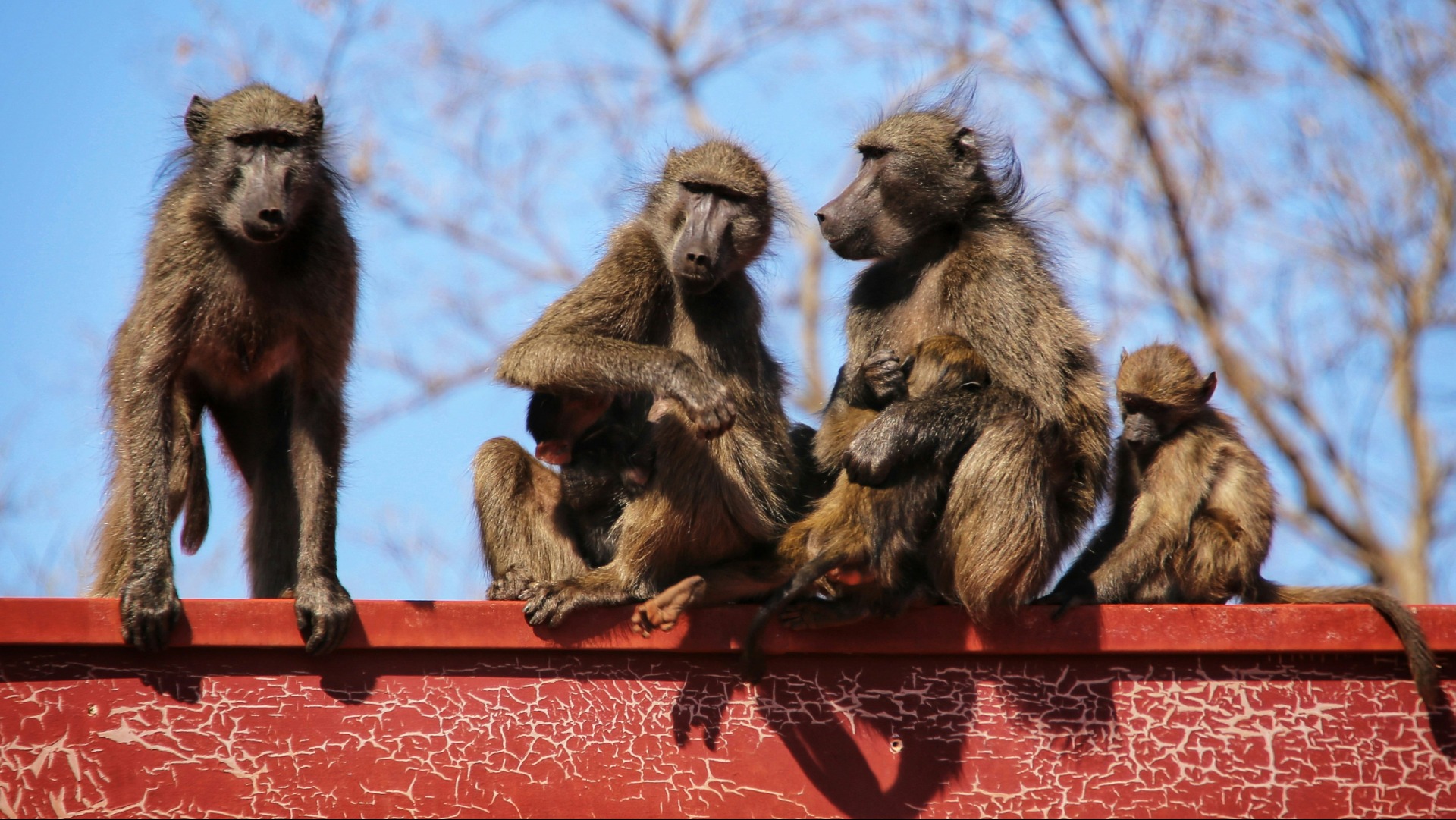
Cape Town's New Baboon Bylaws Ignite Heated Clashes Between Residents and Conservationists
News
Current Safety Protocols for Botswana Safari Travelers

news
Egypt's Billion-Dollar Museum Tests What Modern Heritage Preservation Can Achieve
news
Five African Nations Launch a Unified Travel Zone That Rewrites Cross-Border Journeys
News
Fresh Reporting Highlights Rwanda's Advances in Eco-Tourism and Community Projects
News