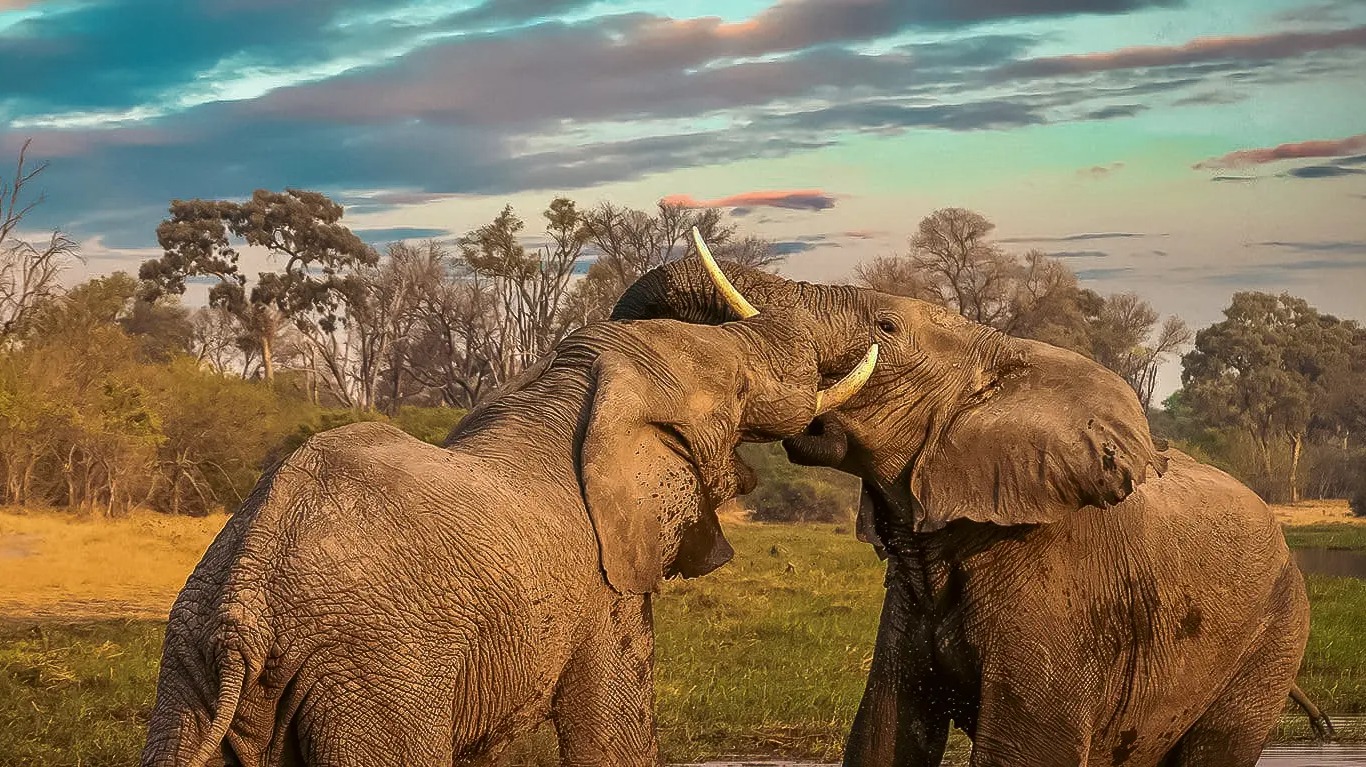
news
Botswana Safari Shifts in 2026: Key Stories from Top Reports
Encounters Africa - 5 min read
Updated on 13 May 2026
Botswana's safari landscape enters a transformative phase in 2026, with regulatory tweaks and environmental forecasts reshaping access to its premier wildernesses. Key developments include drone patrols over Moremi Game Reserve and eased booking windows for Chobe River Front camps, as highlighted in leading reports. These stories reveal a commitment to balancing visitor numbers with wildlife protection amid shifting flood cycles in the Okavango Delta.
From capacity curbs in high-demand zones to tech-driven monitoring, Botswana safari news for 2026 signals a more measured approach to luxury travel. Encounters Africa sifts through the top five reports, distilling insights for discerning travellers planning ahead. Expect drier conditions in core areas, prompting adaptive game-viewing strategies.
1. Drone Surveillance Takes Flight in Moremi: Anti-Poaching Innovation
The standout report from Botswana Wildlife Services details a 2026 rollout of 25 solar-powered drones across Moremi Game Reserve, targeting elephant poaching hotspots. These units, equipped with thermal imaging, will patrol 500 square kilometres daily, reducing ranger exposure in dense mopane thickets. Early trials in 2025 cut incursions by 35%, setting the stage for seamless safari operations.
Travellers benefit from safer traverses, with real-time data shared via lodge apps at camps like Camp Moremi. This tech infusion preserves the intimacy of game drives, where lions still command the floodplains without interruption.
Drones in Moremi herald a quieter safari era, where technology guards the wild without intruding on the guest experience.
Operators report minimal visual impact, as flights occur at dawn and dusk when herds gather at waterholes.
2. Chobe Camp Bookings Eased: 90-Day Windows for River Front Access
A Chobe National Park authority bulletin announces simplified reservations for 2026, extending advance booking from 60 to 90 days for riverfront sites. This addresses pent-up demand post-2025 floods, allowing smaller camps to fill gaps left by larger operators. Expect 20% more slots in peak July-August, prioritising low-impact visitors.
For luxury seekers, this means earlier secures at intimate setups along the Chobe River, where elephants parade at sunset. Guides anticipate heightened buffalo herds due to improved grazing post-flood recession.
The policy also introduces flexible cancellations, adapting to variable water levels that influence mokoro excursions.
Best Time to Visit Botswana in 2026: Answering Key Traveller Questions
Optimal Months Amid Flood Forecasts
The best time to visit Botswana in 2026 spans June to October, when dry conditions concentrate wildlife around permanent waters in the Okavango Delta and Chobe. Forecasts predict 15% lower flood peaks due to La Niña patterns, extending prime game-viewing windows into November. Avoid December-April wet seasons, as roads become impassable and malaria risks rise.
These shifts, covered in a comprehensive Delta water report, favour mobile camps that relocate with receding waters, enhancing lion and wild dog encounters.
Capacity Controls and Booking Tips
New visitor caps limit daily entries to 120 vehicles in Savuti, up from 2025's unrestricted access, per a conservation journal analysis. Book through specialists like Encounters Africa six months ahead for priority slots. This ensures uncrowded sightings of the Savuti pride's seasonal marches.
June-September: Peak dryness draws mega-herds to Chobe's riverine forests.
October-November: Shoulder season offers value with fewer guests and dramatic skies.
Combine with mobile safaris for adaptive routing around floodplains.
3. Okavango Flood Patterns Shift: Drier Core Predicts Epic Concentrations
Hydrological studies in a leading eco-news outlet project subdued 2026 inundations in the Okavango Delta, with central lagoons dropping 2 metres below average. This funnels grazers into accessible channels, amplifying predator action for mokoro and helicopter safaris. Remote camps in NG12 Concession stand to gain from denser elephant bull herds.
Guides foresee unparalleled leopard densities as prey consolidates near islands. Travellers should pack for warmer nights, averaging 25°C in September.
Conservation fees rise modestly by 5% to fund hydrological monitoring, underscoring Botswana's proactive stewardship.
2026's drier Delta promises tighter wildlife clusters, turning every game drive into a front-row spectacle.
4. Makgadikgadi Zebras Surge: Post-Rain Migration Patterns Revealed
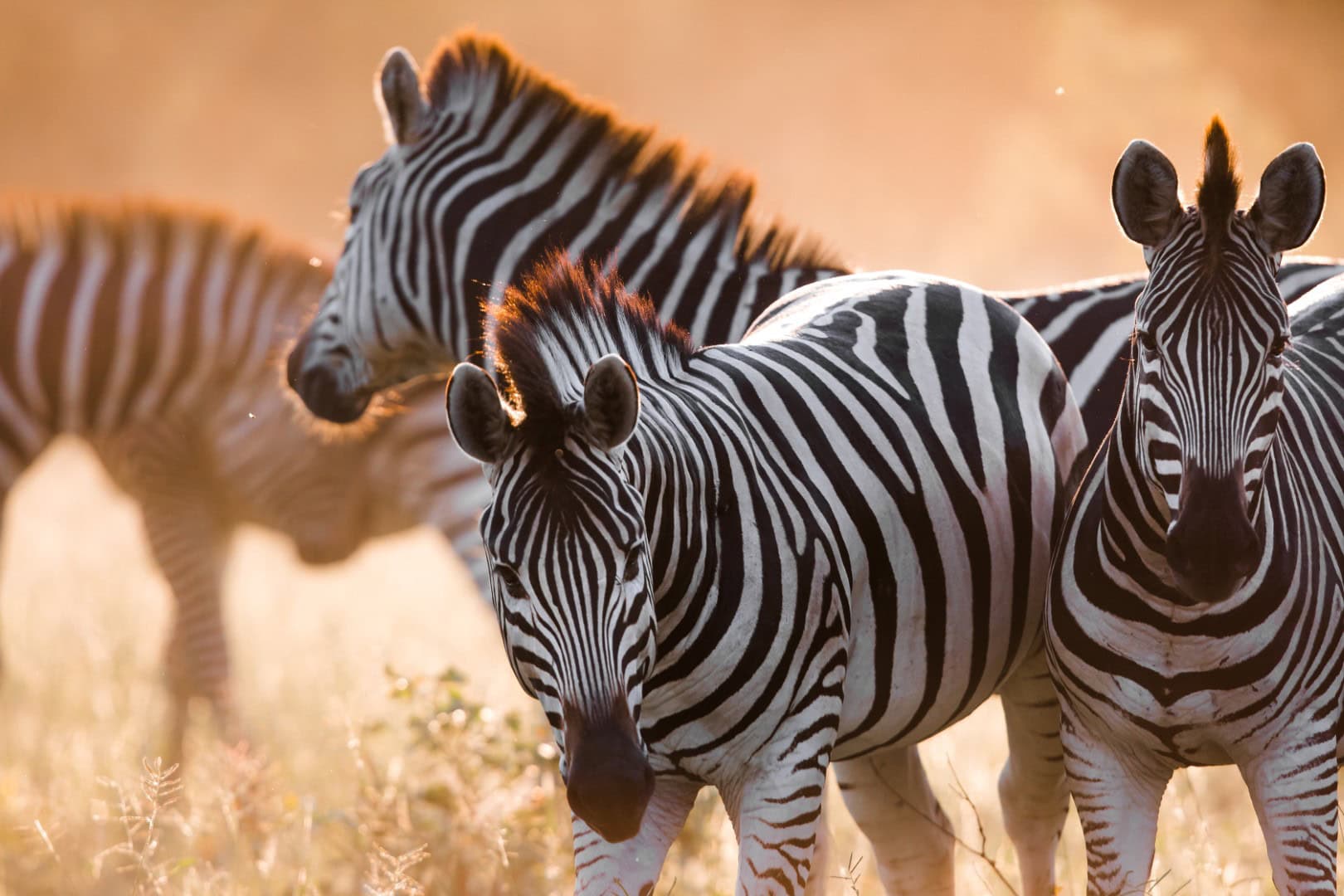
A migration tracker report spotlights Makgadikgadi Pans' 2026 zebra influx, expecting 50,000 animals by March following anomalous late rains. Pans transform into verdant grasslands, drawing oryx and springbok for aerial and 4x4 viewings. This peripheral draw eases pressure on Delta core areas.
Lodges report enhanced birdlife, including 200 flamingo pairs at seasonal lakes. Pair this with starlit sleep-outs for a multisensory extension to traditional safaris.
Access improves with upgraded tracks, cutting transit from Maun to two hours.
5. Community Conservancies Expand: Khwai's New Low-Density Zones
Final coverage from a community land bulletin outlines 10,000-hectare expansions in Khwai Community Area, capping vehicles at four per waterpoint daily from 2026. This preserves elephant corridors linking Chobe and Linyanti, with revenue sharing boosting local anti-snaring patrols by 40%.
Guests at nearby Khwai camps gain exclusive night drives, spotlighting hyaenas amid baobab silhouettes. Cultural walks with San trackers add depth to wildlife pursuits.
These zones exemplify Botswana's model of shared prosperity, where tourism fuels habitat security.
Navigating Botswana Safaris in 2026: Plan with Confidence
These top Botswana safari news articles for 2026 paint a picture of refined access, technological safeguards, and environmental adaptation. From Moremi's drone sentinels to Chobe's booking flexibilities, the shifts prioritise quality over quantity in Africa's premier wilderness.
Encounters Africa stands ready to craft your bespoke journey amid these changes. Whether tracing floodplains in the Okavango or tracking zebras across Makgadikgadi, our expertise ensures seamless immersion. Contact us today to tailor a private safari aligning with the latest regulations and rhythms.
For deeper dives into mobile safari itineraries, explore our Botswana safari collection.
More like this
news
Botswana Tightens Poaching Penalties in 2026: Key Law Changes for Travelers
News
Botswana Wildlife News: Key Updates from the Delta and Beyond
News
Botswana's New Strategy for Elephant Conservation Shows Early Promise
news
Cape Town's New Baboon Bylaws Ignite Heated Clashes Between Residents and Conservationists
News
Current Safety Protocols for Botswana Safari Travelers
news