News
Current Safety Protocols for Botswana Safari Travelers
Encounters Africa - 9 min read
Updated on 22 July 2026
Current safety protocols for Botswana safari travelers reflect a destination that balances remarkable wilderness access with structured risk management. According to the latest figures from the Botswana Tourism Organisation, serious incidents in protected safari areas remain exceptionally rare, with crime rates in zones such as the Okavango Delta and Central Kalahari sitting below 0.3 incidents per 1,000 visitors annually. Yet evolving health guidance, stricter vehicle maintenance standards, and renewed emphasis on qualified guiding have become central to responsible travel in this southern African gem.
Recent advisories stress that informed preparation transforms a Botswana safari from merely thrilling into genuinely secure. Whether you are gliding through papyrus channels in a mokoro or scanning the horizon for cheetah on the salt pans, understanding the current expectations helps every traveller move with confidence. This article distils the most pertinent updates into clear, practical steps you can action before departure.
Understanding Botswana’s Low-Risk Safari Environment
Botswana consistently ranks among the safest wildlife destinations on the continent. Government statistics released in late 2024 show that visitor-related crime within national parks and private concessions averages fewer than five reported cases each year across a visitor base exceeding 400,000. The vast majority of these incidents occur in urban transit hubs rather than remote safari zones, underscoring the protective effect of professional camp operations and regulated guiding.
That said, remoteness itself presents a different category of considerations. Distances between medical facilities can exceed several hours, making pre-existing health preparation and reliable communications essential. Encounters Africa has observed that travellers who arrive with clear knowledge of current protocols enjoy noticeably smoother journeys and fewer disruptions.
The bush does not tolerate complacency, yet it rewards those who prepare with respect and quiet confidence.
Crime Trends and Preventative Measures
Petty theft remains the primary concern, typically limited to unattended items at international airports or in Maun. Safari operators in Botswana maintain rigorous protocols: luggage is secured during transfers, camps operate with 24-hour perimeter monitoring where appropriate, and guides undergo continuous background vetting. Travellers are advised to use provided lockable storage and avoid displaying valuables during road transfers.
Current recommendations from the British Foreign Office and equivalent bodies continue to classify Botswana safari regions as low risk. The most effective safeguard is choosing operators who belong to recognised associations such as the Botswana Safari Association and who maintain transparent safety records.

Health Advisories Updated for 2025
Health considerations have seen the most noticeable evolution in recent briefings. While yellow fever vaccination remains mandatory only for travellers arriving from infected zones, malaria prophylaxis is still strongly advised for northern Botswana between November and May. The Botswana Ministry of Health updated its mosquito-resistance data in October 2024, confirming that artemisinin-based treatments retain high efficacy, yet travellers should still pack long clothing and high-DEET repellents for evening activities.
Seasonal influenza and norovirus outbreaks occasionally appear in high-season lodges. The most practical response is up-to-date routine vaccinations, including hepatitis A and typhoid, plus a course of traveller’s diarrhoea medication. Those with respiratory conditions should note that fine Kalahari dust can exacerbate symptoms during the dry months from June to October.
A safari in Botswana is not inherently hazardous, but ignoring basic health discipline can turn minor issues into significant inconveniences.
Pre-Travel Medical Checklist
Consult a travel clinic at least six weeks before departure. Request a personalised risk assessment that accounts for the specific regions you plan to visit, from the watery Okavango Delta to the arid expanses of the Makgadikgadi Salt Pans. Carry both physical and digital copies of prescriptions, and consider a medical evacuation policy with air-ambulance coverage, such as those offered through Global Rescue or similar specialist providers.
Current guidance also highlights the importance of hydration. Botswana’s arid climate can dehydrate even experienced safari-goers surprisingly quickly; aim for four litres of water daily when temperatures exceed 30°C.
Vehicle Standards Now Enforced Across Concessions
One of the most tangible recent changes involves mandatory vehicle standards. As of January 2025, all safari operators in Botswana must comply with new Botswana Bureau of Standards regulations covering tyre tread depth, seatbelt functionality, fire-extinguisher servicing, and two-way radio reliability. These updates followed a comprehensive audit of over 180 vehicles operating in the Moremi Game Reserve and Khwai Community Area.
Private self-drive travellers should note that many concession areas now require proof of vehicle fitness before entry. High-clearance 4x4 vehicles remain essential, particularly during the wet season when black cotton soils can become treacherous. Always travel with a satellite phone or Garmin inReach device when venturing beyond cellular coverage, which ends abruptly once you leave the tarred roads near Maun.
What to Verify Before Your Drive
Confirm your chosen operator’s vehicles carry current safety certification stickers issued by the Botswana Bureau of Standards.
Request details of daily vehicle inspection routines and driver fatigue management policies.
Ensure your transfer vehicle is equipped with an operational satellite tracker that shares location data with a central operations room.
Carry a basic vehicle repair kit and know how to change a tyre in deep sand – a skill many camps will happily demonstrate on arrival.
Guide Qualifications and Professional Standards
The calibre of your guide remains the single most important safety factor on a Botswana safari. The government now requires all professional guides to hold a current FGASA (Field Guides Association of Southern Africa) or equivalent Botswana qualification, refreshed every two years with first-aid and defensive-driving updates. Many top camps exceed these minimums by employing specialist guides who have spent decades in specific ecosystems.
Encounters Africa works exclusively with operators who maintain guide-to-guest ratios of no more than 1:6 on game drives. This allows for attentive risk assessment, whether you are approaching a breeding herd of elephants along the Chobe River Front or tracking big cats in the Savuti region. Ask your operator for the names and tenure of the guides assigned to your camp; experienced professionals will happily share their background.
The difference between an ordinary safari and an exceptional one often comes down to the quiet expertise of the person holding the steering wheel at dawn.
Questions Worth Asking Your Operator
Before confirming your booking, enquire about guide training frequency, emergency response drills, and how the camp coordinates with local anti-poaching units. Reputable operators welcome such questions because they demonstrate a traveller who values professionalism. Many now provide pre-departure briefing documents that outline exactly what to expect during wildlife encounters and how to behave around dangerous game.

Practical Safety Protocols While on Safari
Once in camp, safety becomes a shared responsibility between guests and staff. The most important rule is never to walk unaccompanied after dark. Professional escorts with powerful torches and knowledge of animal behaviour will accompany you between your tent and the main area. This practice has virtually eliminated the rare but serious incidents involving buffalo or hyena near water sources.
During game drives, remain seated while the vehicle is moving and follow your guide’s instructions without hesitation. Modern Botswana safaris emphasise quiet observation; loud noises or sudden movements can startle animals and create unnecessary risk. Mobile phones should be silenced, and drone use is heavily restricted or banned in most protected areas to prevent disturbance to breeding birds and large mammals.
Wildlife Interaction Guidelines
Current protocols stress maintaining a minimum 25-metre distance from large predators and 50 metres from elephants with young calves. Never exit the vehicle except in designated safe areas, and avoid wearing bright colours or strong scents that could attract unwanted attention. These guidelines protect both travellers and the remarkable wildlife that makes Botswana such a special destination.
Emergency Response Systems in Remote Areas
Botswana’s safari operators have invested heavily in communication infrastructure. Most luxury camps now maintain direct satellite links to medical evacuation services in Johannesburg and Gaborone, with response times averaging under four hours for serious incidents. Many also participate in regional wildlife monitoring networks that double as early-warning systems for natural hazards such as flooding along the Boteti River - Makgadikgadi Pans National Park.
Travellers should register their details with their respective embassies before travel and download offline maps covering their specific itinerary. The recently launched Botswana Tourism Safety App provides real-time updates on road conditions, temporary park closures, and health alerts directly to your phone when coverage allows.
What to Pack for Peace of Mind
Two forms of identification plus photocopies stored separately
Comprehensive travel insurance that explicitly covers safari activities and medical evacuation
Prescription medication in original packaging with a doctor’s letter
High-factor sunscreen, insect repellent, and a basic first-aid kit
A portable power bank capable of charging a satellite communicator
How Encounters Africa Ensures Client Safety
At Encounters Africa we select only those camps and concessions that exceed national safety requirements. Our long-standing relationships with operators in the Okavango Delta, Selinda Reserve, and Central Tuli Block allow us to verify standards personally and regularly. We maintain direct contact with local medical teams and can arrange additional private medical support where requested.
Our approach mirrors the philosophy we share with our travellers: preparation, respect, and deep local knowledge create the safest and most rewarding journeys. Whether you are planning a family safari with children over eight or a private journey for two, we integrate current safety protocols seamlessly into every bespoke itinerary.
True luxury on safari is not simply beautiful tents and exceptional cuisine; it is the profound reassurance that every detail affecting your wellbeing has been considered by people who know this land intimately.
Conclusion
Botswana remains one of Africa’s most secure and responsibly managed safari destinations, provided travellers engage with current protocols rather than outdated assumptions. The combination of low crime, professional guiding standards, robust vehicle requirements, and clear health guidance creates an environment where you can focus entirely on the extraordinary wildlife and landscapes before you.
For discerning travellers seeking a private safari beyond our set itineraries, we invite you to contact us directly. We specialise in designing exceptional, tailor-made journeys for individuals, couples, families, and private groups of up to eight guests. Drawing on our handpicked network of distinguished camps and lodges, we curate every detail with precision and care, creating a seamless, deeply personal safari experience shaped entirely around your preferences, pace, and budget.
Begin your planning by completing our enquiry form or exploring our Botswana safari collection. We also recommend reading our recent feature on understanding Botswana’s cultural ethics and our practical guide to seasonal wildlife movements across the Delta and Kalahari. The more informed you are, the richer and safer your journey will become.
More like this
news
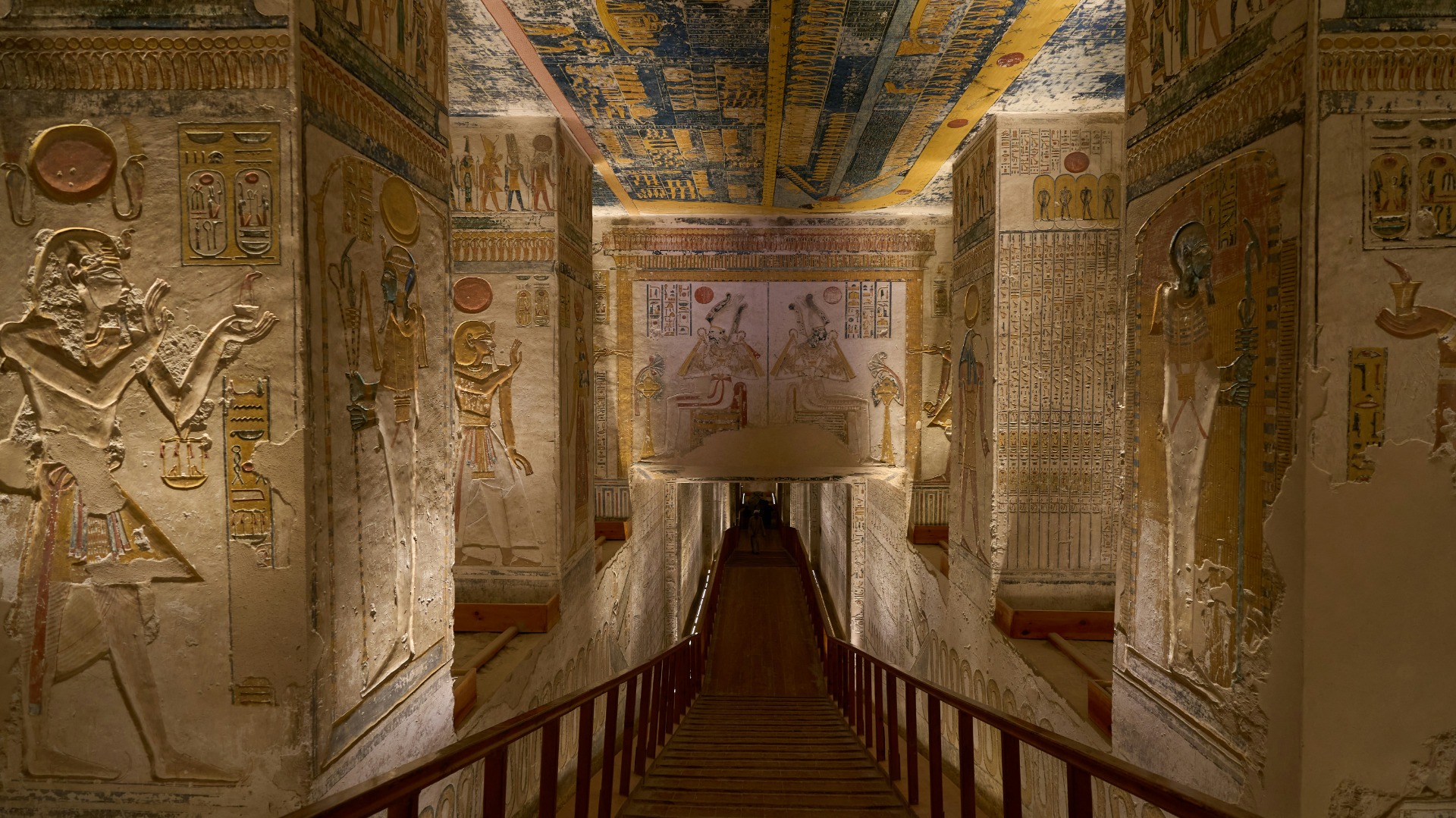
Egypt's Billion-Dollar Museum Tests What Modern Heritage Preservation Can Achieve
news
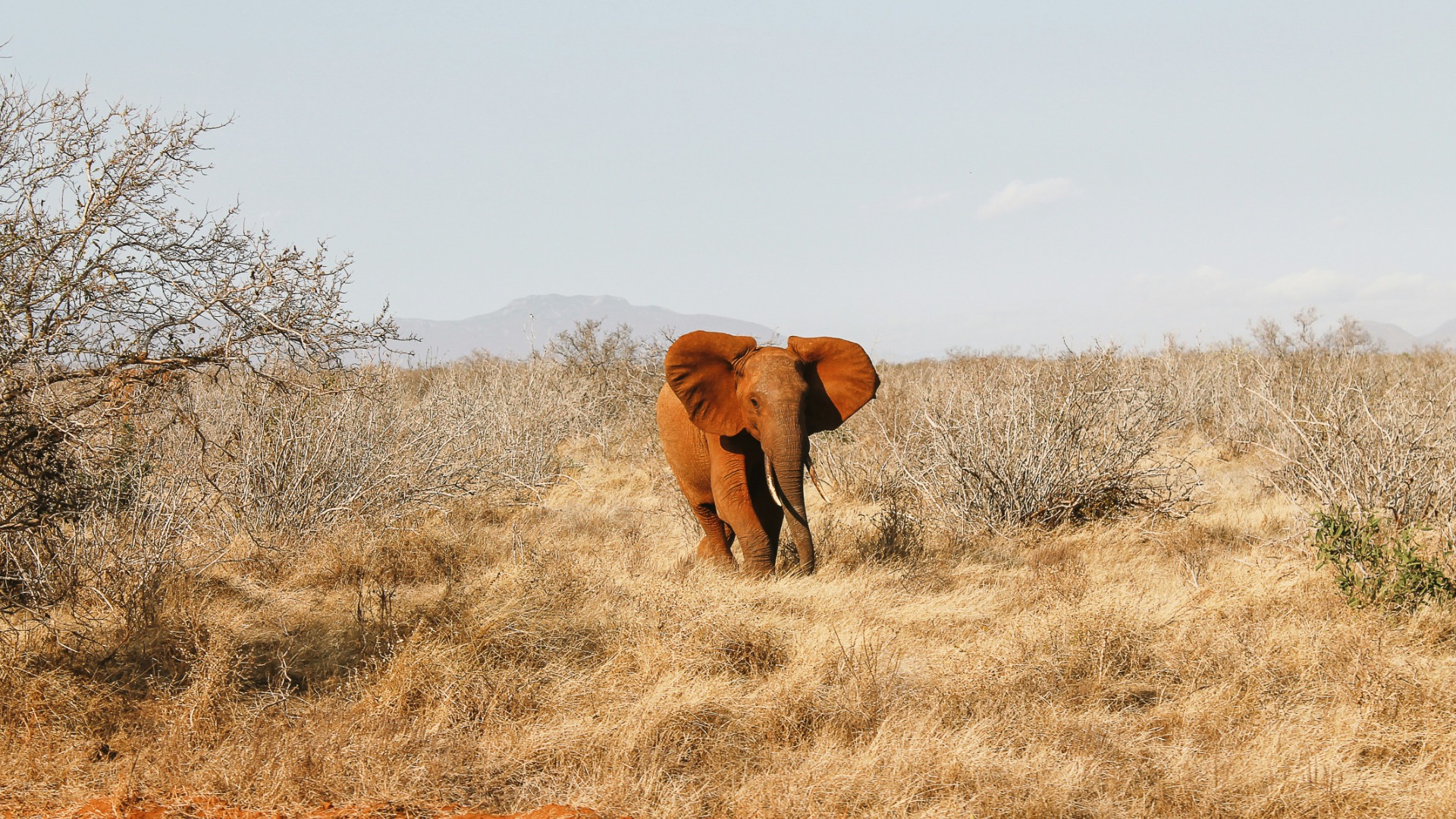
Five African Nations Launch a Unified Travel Zone That Rewrites Cross-Border Journeys
News
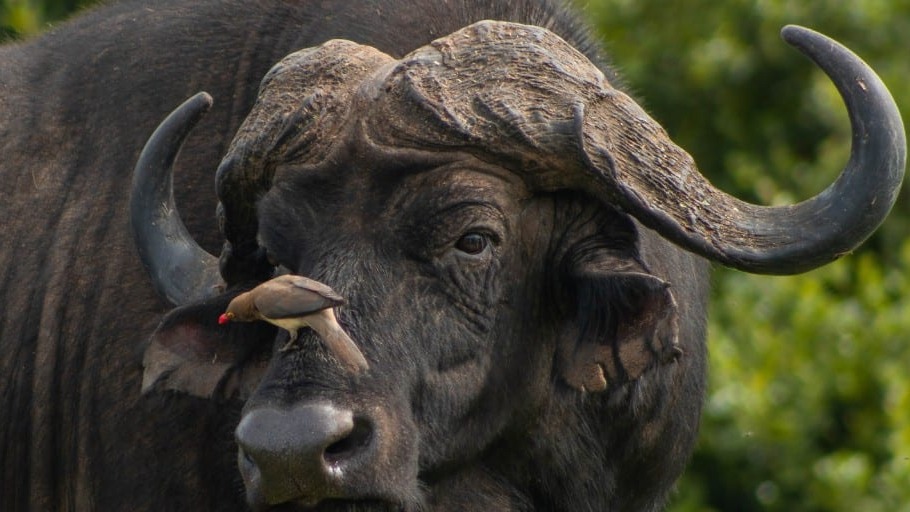
Fresh Reporting Highlights Rwanda's Advances in Eco-Tourism and Community Projects
News
How Community Rangers Are Shifting the Fate of Zimbabwe's Endangered Animals
News
How Local Partnerships Turned the Tide for Rwanda's Endangered Wildlife
News