conservation
Guardians of the Chobe: Conservation Efforts Along the River Front
Encounters Africa - 6 min read
Updated on 1 May 2026
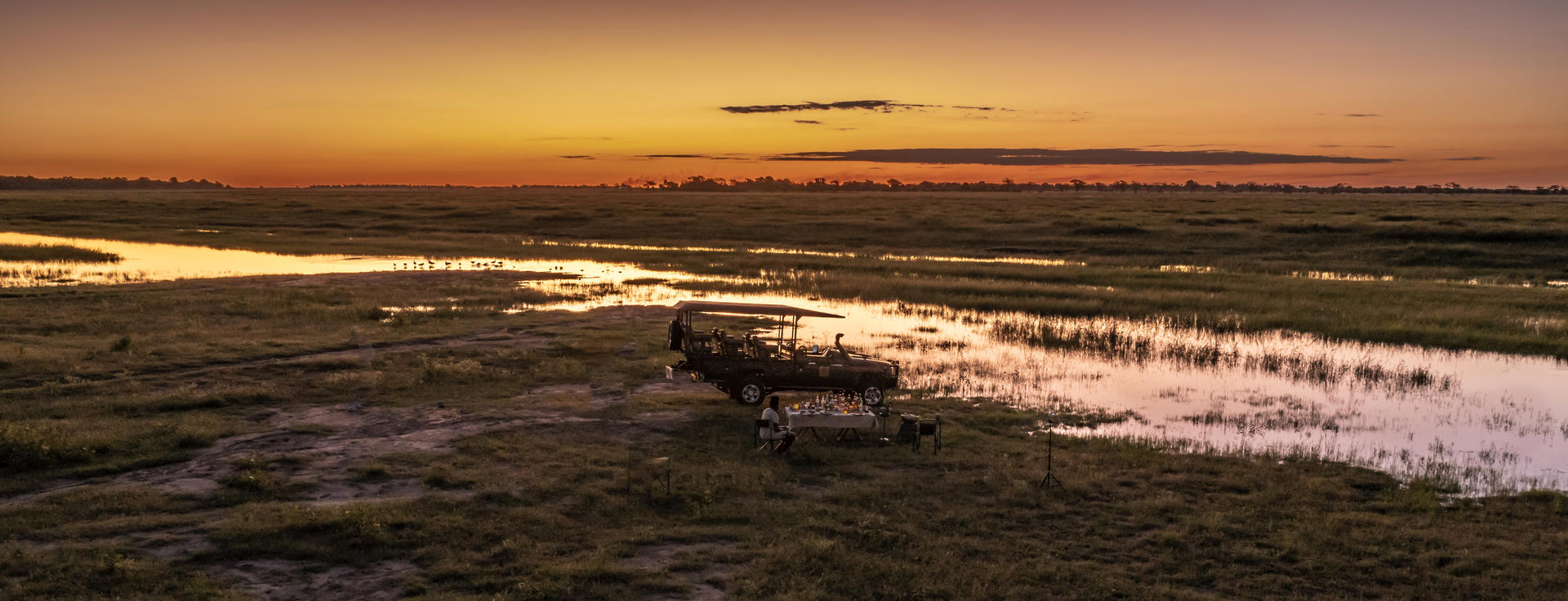
The Chobe River Front in Botswana is a place of unparalleled natural beauty and incredible wildlife concentrations, particularly its famed elephant herds. This vibrant ecosystem, sustained by the life-giving Chobe River, faces ongoing challenges that necessitate robust and innovative conservation strategies. At Encounters Africa, we believe that understanding and supporting these initiatives is paramount to preserving this African treasure for future generations.
Our commitment extends beyond crafting luxurious safaris; we aim to connect our travellers with the heart of conservation, showcasing how responsible tourism directly contributes to the protection of these magnificent landscapes and their inhabitants. The Chobe River Front is a prime example of how dedicated efforts, from anti-poaching to community involvement and sustainable tourism practices, are making a tangible difference.
The Chobe Ecosystem: A Vital Lifeline
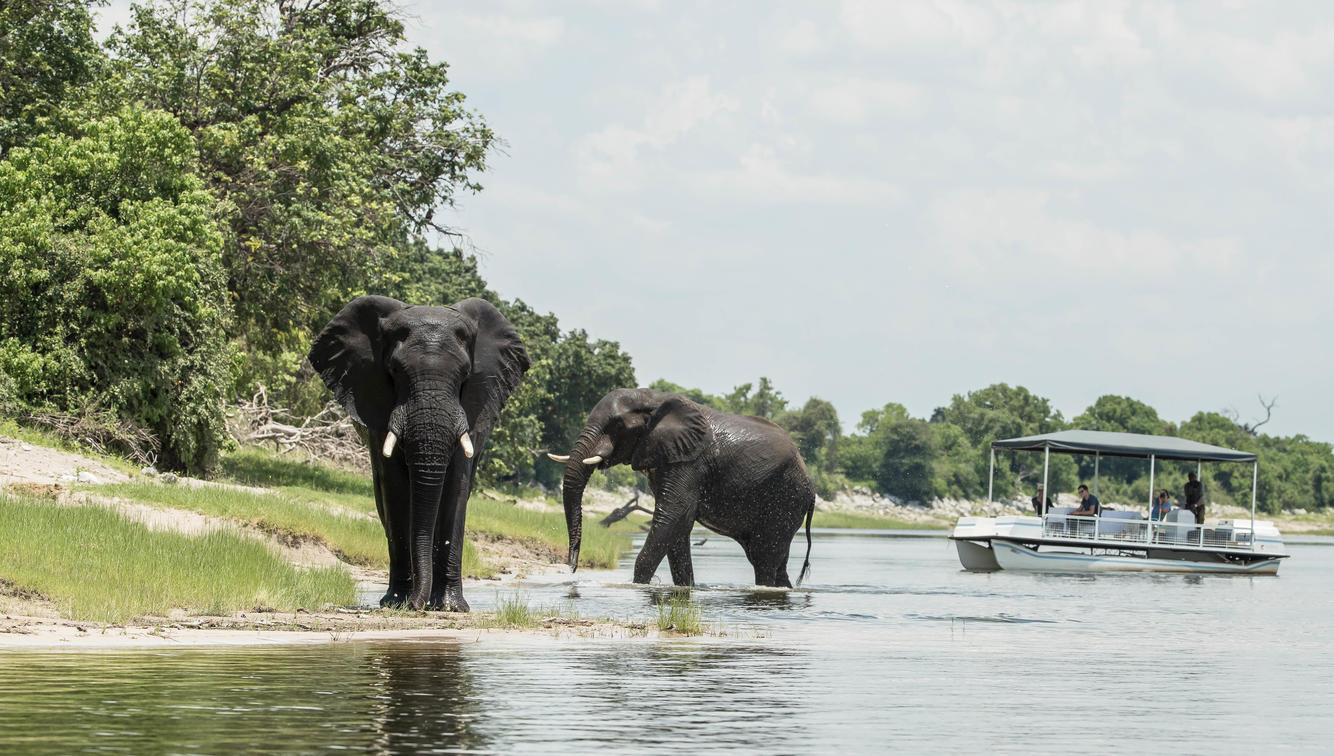
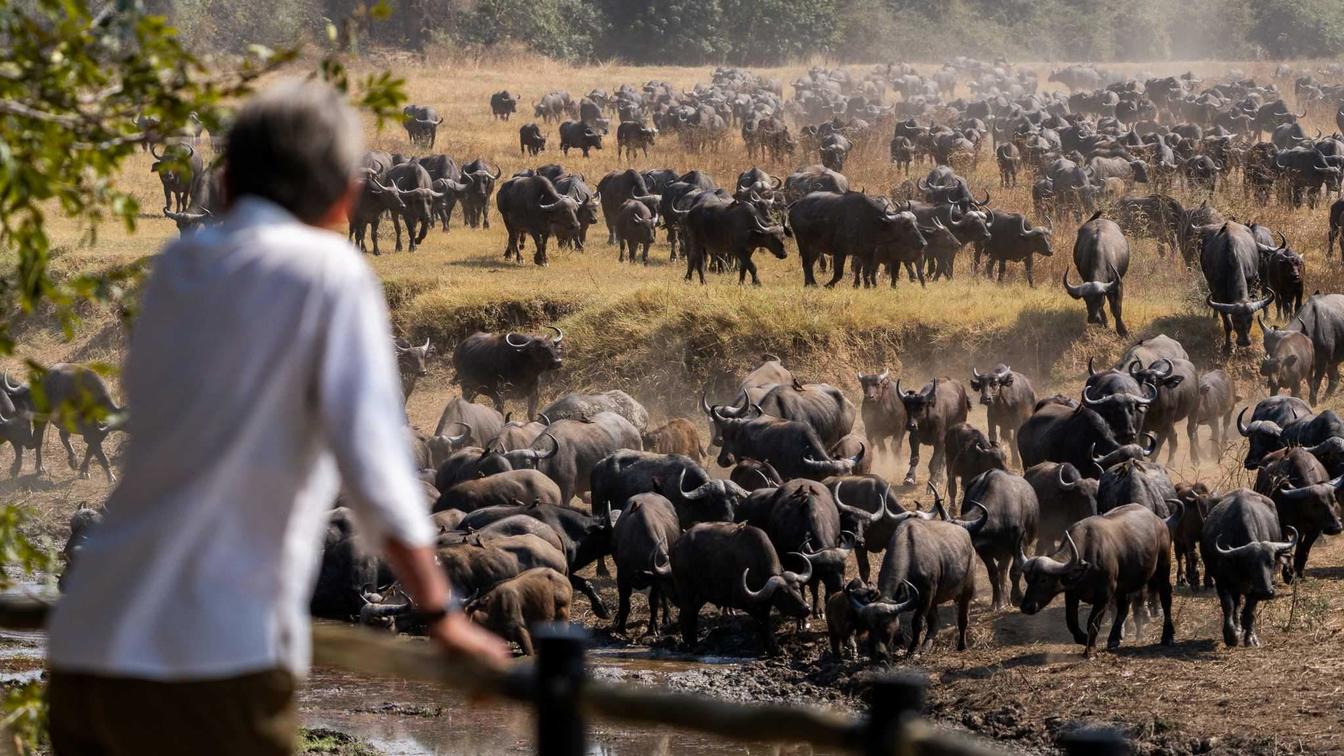
The Chobe River Front, a section of the larger Chobe National Park, is renowned for its diverse habitats and extraordinary biodiversity. The river itself acts as a magnet for wildlife, especially during the dry season when vast numbers of elephants, buffalo, and various antelope species congregate along its banks.
This area is not just a haven for large mammals; it also supports a rich array of birdlife, predators like lions and leopards, and aquatic species. The health of the river directly impacts the entire ecosystem, making its protection a critical focus for conservationists. The seasonal ebbs and flows of the Chobe River dictate the movements and survival of countless animals.
The Chobe River Front is a testament to Africa's enduring wilderness, where the rhythm of nature dictates life and conservation is a shared responsibility.
Challenges to Conservation in Chobe
Despite its protected status, the Chobe River Front faces several significant threats. These include human-wildlife conflict, particularly with elephants venturing into agricultural areas, and the ever-present danger of poaching, although Botswana has a strong anti-poaching stance. Habitat degradation due to increased wildlife populations and climate change also poses long-term challenges.
Moreover, the growing popularity of the region as a safari destination means that careful management of tourism is essential to prevent over-tourism and ensure that human presence does not negatively impact the delicate ecological balance. Balancing visitor enjoyment with environmental protection is a continuous act.
Conservation Safaris: Tourism as a Force for Good
Encounters Africa champions the concept of conservation safaris, where your journey actively contributes to the preservation of the places you visit. In the Chobe River Front, this means choosing operators and lodges that are deeply invested in local conservation initiatives and sustainable practices.
When you embark on a conservation safari with us, you're not just observing wildlife; you're becoming part of the solution. These experiences often include opportunities to learn directly from conservationists, visit community projects, and witness the impact of your travel choices firsthand. It’s an immersive and educational approach to travel.
Direct Contributions to Wildlife Protection
Anti-Poaching Units: Many lodges and safari operators contribute financially and logistically to anti-poaching efforts, providing equipment, training, and support for rangers who patrol the vast wilderness areas.
Wildlife Monitoring and Research: Funds from tourism often support scientific research into wildlife populations, migration patterns, and ecological health, providing vital data for informed conservation decisions.
Habitat Protection: Contributions help fund initiatives like fire management, water provision in dry areas, and removal of invasive species, all aimed at maintaining healthy habitats.
Our carefully selected partners in the Chobe region are at the forefront of these efforts, ensuring that a significant portion of safari revenue is channelled back into protecting the very resources that draw travellers here. This direct link between tourism and conservation creates a powerful incentive for preservation.
Sustainable Accommodation in Chobe
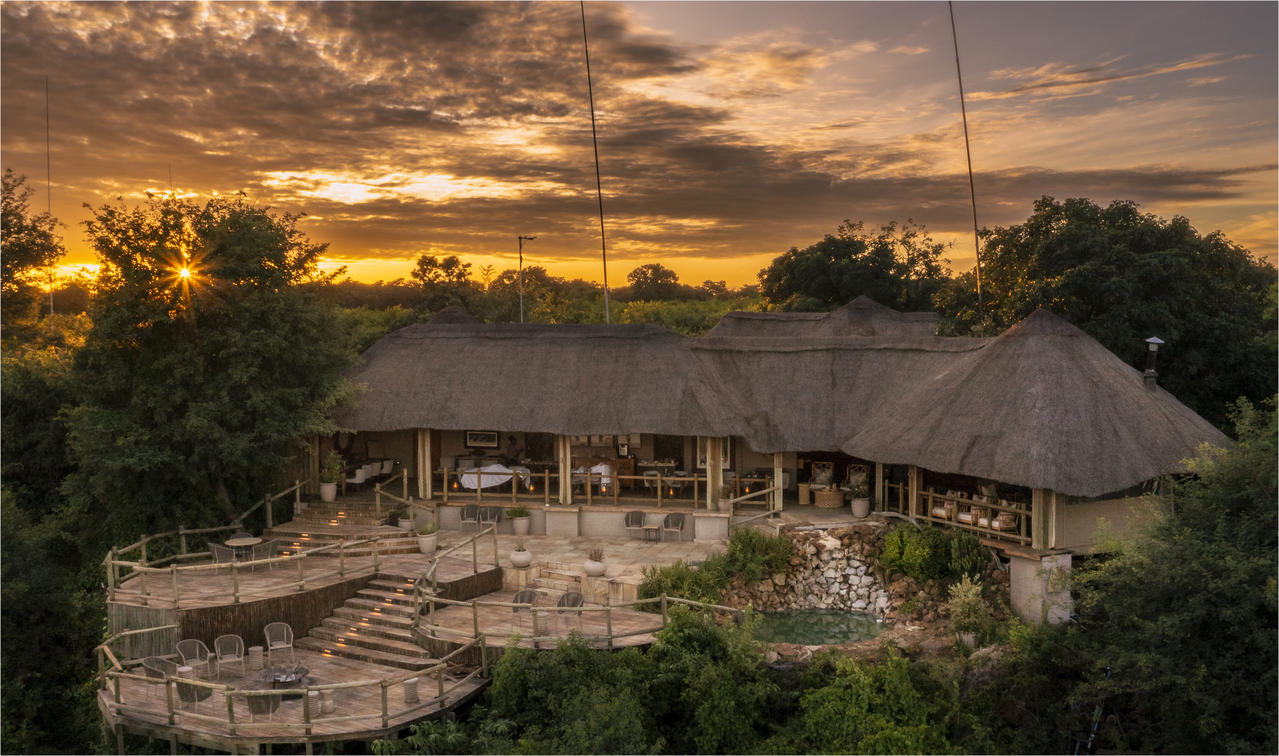
Choosing sustainable accommodation is a cornerstone of responsible travel in the Chobe River Front. These lodges and camps are designed to minimise their environmental footprint while maximising their positive impact on local communities and conservation.
Sustainable lodges in Chobe often incorporate eco-friendly technologies, employ local staff, and support community development projects. They understand that their long-term success is intrinsically linked to the health of the surrounding environment and the well-being of the people who live there.
Key Features of Sustainable Lodges
Energy Efficiency: Utilising solar power, energy-efficient appliances, and smart building designs to reduce energy consumption.
Water Conservation: Implementing rainwater harvesting, greywater recycling, and efficient plumbing systems to minimise water usage.
Waste Management: Comprehensive recycling programs, composting organic waste, and reducing single-use plastics are common practices.
Community Engagement: Providing employment opportunities, sourcing local produce, and investing in education and healthcare initiatives for nearby communities.
Environmental Education: Educating guests about local conservation issues and encouraging responsible behaviour during their stay.
For example, lodges like AndBeyond Sandibe Lodge, though not directly in Chobe, exemplify the kind of commitment to sustainability that Encounters Africa seeks in its partners across Africa. These establishments prove that luxury and environmental responsibility can coexist harmoniously.
Community Involvement and Empowerment
Effective conservation in areas like the Chobe River Front cannot succeed without the active participation and support of local communities. Human-wildlife coexistence is a complex issue, and empowering local people to become stewards of their natural heritage is crucial.
Many conservation projects focus on providing alternative livelihoods, education, and benefits from tourism to communities living adjacent to protected areas. This helps to reduce human-wildlife conflict and fosters a sense of ownership over conservation outcomes.
Programmes Supporting Local Communities
Livelihood Diversification: Supporting projects that offer alternatives to traditional farming, which can often lead to conflict with wildlife, such as craft production, eco-tourism guiding, or sustainable agriculture.
Education and Awareness: Running educational programmes in local schools and communities to raise awareness about the importance of conservation and the value of wildlife.
Benefit Sharing: Ensuring that a portion of tourism revenue directly benefits local communities through infrastructure development, scholarships, or community-managed funds.
By investing in the well-being of local populations, conservation efforts gain vital allies and build a more resilient future for both people and wildlife. This holistic approach is fundamental to long-term success.
Conclusion: Your Role in Chobe's Future
The Chobe River Front is a jewel in Botswana's crown, a place where the wild heart of Africa beats strongly. The dedicated conservation efforts, supported by responsible tourism and sustainable practices, are vital to its continued existence. When you choose to travel with Encounters Africa, you are not just embarking on an unforgettable journey; you are actively contributing to the preservation of these magnificent ecosystems.
We invite you to experience the magic of Chobe, knowing that your presence supports the guardians of this incredible wilderness. For discerning travellers seeking a private safari beyond our set itineraries, we invite you to contact us directly. We specialise in designing exceptional, tailor-made journeys for individuals, couples, families, and private groups of up to eight guests. Drawing on our handpicked network of distinguished camps and lodges, we curate every detail with precision and care, creating a seamless, deeply personal safari experience shaped entirely around your preferences, pace, and budget.
More like this
conservation
Guardians of the Green: Kasane Forest Reserve's Vital Role
conservation
Guardians of the Luangwa: Sustainable Safaris in South Luangwa National Park
conservation
Guardians of the Wild: Conservation in Tanzania's Serengeti
conservation
Guardians of the Wild: Timbavati Private Nature Reserve Conservation
conservation
Heros of the Zambezi: Conservation Efforts in Victoria Falls, Zambia
conservation