Photography
Framing Paradise: How Seychelles Light and Isolation Shape Distinct Images
Encounters Africa - 9 min read
Updated on 29 June 2026
Photography in the Seychelles rewards those who linger beyond the obvious turquoise shallows and palm-fringed shores. The archipelago's distinctive granite formations, ever-changing tides, and soft equatorial light create compositions that feel both intimate and expansive, shaping images that tell deeper stories of isolation and resilience. Seychelles photography opportunities emerge not from crowded viewpoints but from patient observation of how light interacts with ancient rock and restless sea across 115 islands scattered across the Indian Ocean.
This 115-island nation, located roughly 1,600 kilometres east of mainland Africa, offers a unique canvas where 42 percent of land remains protected as nature reserves. The soft, diffused light of the equator combines with dramatic granite boulders and shifting tidal patterns to produce photographs that stand apart from typical tropical imagery. Whether capturing the curve of a deserted cove at dawn or the intricate textures of weathered granite against cobalt water, photographers discover a landscape that constantly reshapes their approach to light, scale, and narrative.
The Unique Light of Equatorial Islands
The light in Seychelles behaves differently from that found in mainland Africa or other tropical destinations. Positioned four degrees south of the equator, the islands experience minimal seasonal variation in daylight hours, with sunrise and sunset occurring at nearly the same times year-round. This consistency allows photographers to plan shoots with precision, knowing the golden hours will arrive predictably between 5:45 and 6:15 am and again in the evening.
During the drier southeast trade wind season from May to October, the light takes on a crisp clarity that reveals every detail in the granite outcrops. In contrast, the northwest monsoon months from November to April bring softer, more diffused illumination as humidity rises and occasional showers create atmospheric depth. This seasonal shift influences not just exposure settings but the very mood of Seychelles photography opportunities.
The equatorial sun moves quickly across the sky, teaching photographers to anticipate rather than react, turning each frame into a deliberate conversation between light, land, and lens.
Golden Hour Magic on Granite Shores
As the sun rises over the Indian Ocean, it bathes the famous boulders of La Digue in warm tones that accentuate their weathered textures. At Anse Source d'Argent, widely regarded as one of the world's most photographed beaches, the light catches the pinkish granite in ways that transform these ancient rocks into sculptural elements. Photographers who arrive before the first boats from Praslin find themselves alone with the elements, capturing reflections in tidal pools that form naturally between the stones.
The warm light of early morning also illuminates the endemic vegetation clinging to these boulders, from screw pines to takamaka trees. This combination of geological drama and botanical detail creates layered compositions that speak to the islands' 650-million-year-old granite foundations, some of the oldest exposed rock on Earth. Understanding how this light evolves throughout the morning allows for multiple distinct images from a single location.
Seychelles Photography Opportunities Shaped by Isolation
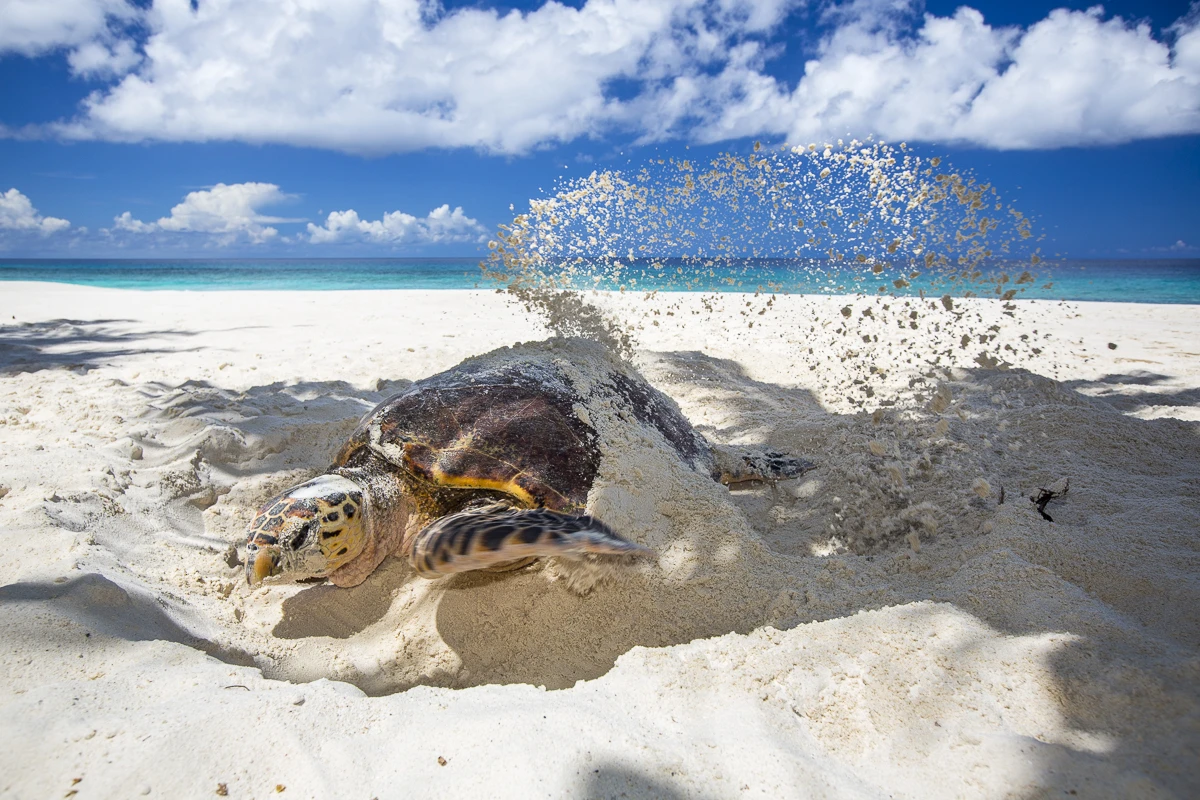
The relative isolation of many Seychelles islands creates a different pace for image-making. With fewer visitors than comparable destinations, photographers can explore without the pressure of competing for vantage points. This solitude encourages a more contemplative approach, where the act of waiting for the perfect wave or the ideal cloud formation becomes part of the creative process.
On islands like Silhouette and Aldabra, the sense of removal from the modern world translates into images that capture genuine wilderness. The UNESCO World Heritage site of Aldabra Atoll, home to over 100,000 giant tortoises, offers unparalleled opportunities for wildlife photography in settings where human influence remains minimal. Here, the photography in the Seychelles focuses less on iconic beaches and more on the intricate relationships between species and their environment.
In the quiet corners of these islands, isolation becomes a creative ally, allowing photographers to forge deeper connections with the landscape and its inhabitants.
Marine Moments and Underwater Perspectives
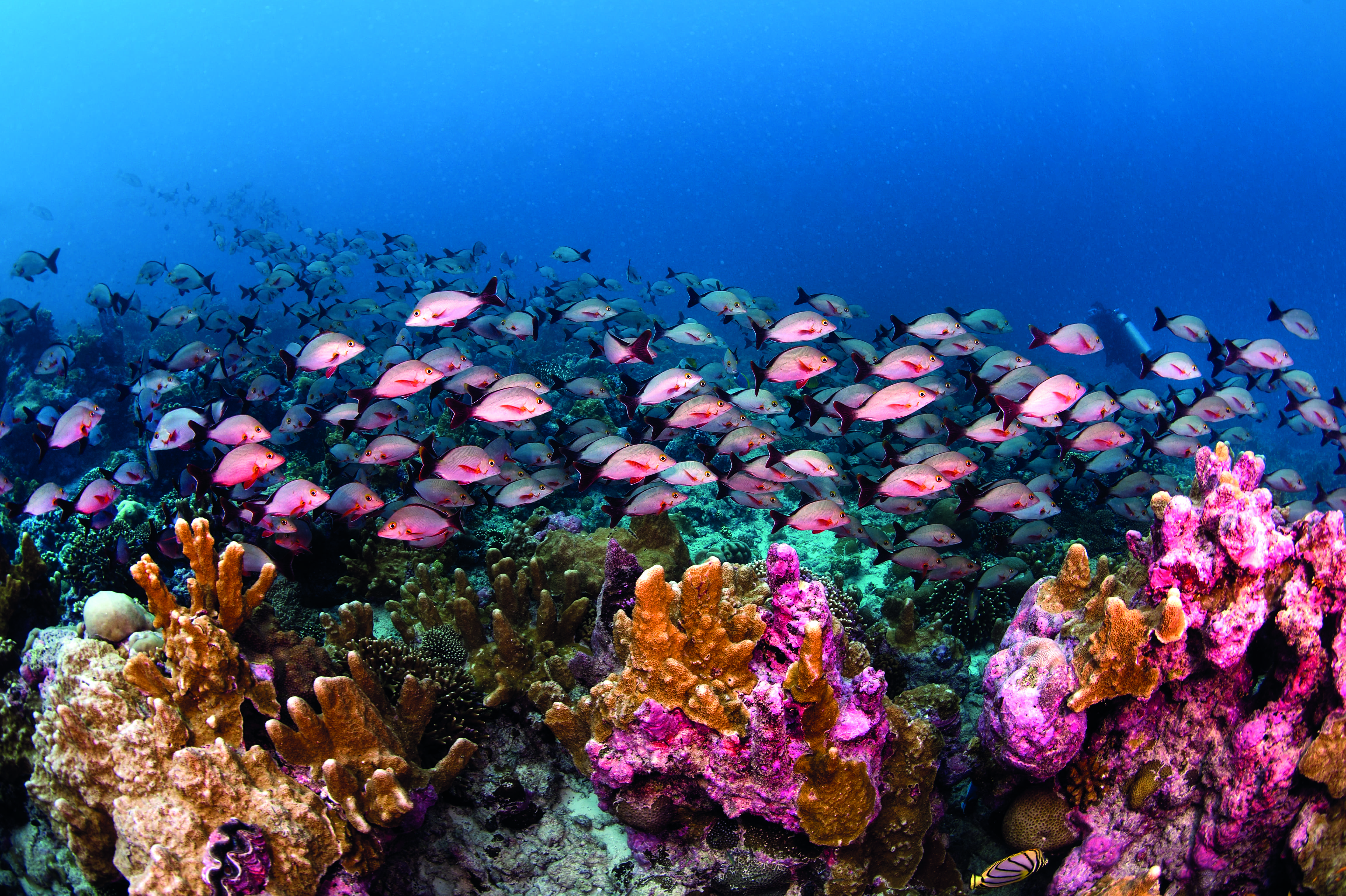
The crystal-clear waters surrounding the Seychelles archipelago create exceptional conditions for both surface and underwater photography. Visibility often exceeds 30 metres, revealing vibrant coral reefs and the marine life they support. Photographers equipped with waterproof housings or drones can capture the dramatic drop-offs where granite foundations meet the deep blue of the open ocean.
Between July and September, whale sharks frequent the waters around Mahé and surrounding islands, offering rare opportunities to photograph these gentle giants in their natural habitat. The soft, filtered light underwater complements the gentle movements of these creatures, creating ethereal images that highlight the delicate balance of Seychelles' marine ecosystems. For those staying at Baraza Resort & Spa, guided snorkelling excursions provide access to some of the best underwater sites while maintaining a focus on responsible observation.
Compositional Techniques for Island Landscapes
The distinctive granite boulders that characterise many Seychelles beaches serve as both subjects and compositional tools. These massive rocks, some weighing hundreds of tonnes, create natural frames that draw the eye through an image. Learning to use these geological features effectively transforms standard beach scenes into more dynamic compositions with clear foreground interest and depth.
Tidal patterns play a crucial role in Seychelles photography opportunities. The twice-daily rise and fall of the ocean, with tidal ranges of up to 1.5 metres, continually reshapes the landscape. Photographers who study tide tables can position themselves to capture the moment when water recedes to reveal hidden pools or when incoming tides create delicate cascades over the granite.
Working with Scale and Perspective
The challenge of conveying the scale of Seychelles' landscapes requires thoughtful use of foreground elements. A lone palm leaning over turquoise water gains new meaning when framed against the vastness of the ocean beyond. Similarly, including human figures in the distance can emphasise the pristine nature of beaches that stretch for kilometres without development.
Drone photography has opened new perspectives on these island formations, revealing the intricate patterns of coral reefs and the way granite outcrops create natural harbours. However, regulations restrict drone use in many protected areas, encouraging photographers to master more traditional techniques that rely on understanding light and composition rather than altitude.
Great photography in the Seychelles happens when technical skill meets patient observation, allowing the islands' inherent drama to reveal itself through the lens.
Seasonal Considerations for Photography in the Seychelles
Understanding the rhythm of Seychelles' seasons dramatically improves the quality of images captured. The drier months from May to October generally offer more reliable conditions for landscape photography, with clearer skies and less humidity. During this period, the southeast trade winds create consistent wave patterns ideal for capturing dynamic seascapes.
The wetter northwest monsoon season brings its own rewards, particularly for those interested in atmospheric conditions. Brief but intense showers often give way to dramatic cloud formations and rainbows that arch across multiple islands. This season also sees the nesting period for various seabirds, creating opportunities for behavioural photography that reveals the islands' importance as breeding grounds.
Best Times for Specific Subjects
For those seeking to photograph the famous coco de mer palms on Praslin, the early morning light in Seychelles illuminates these prehistoric-looking trees in ways that highlight their unique shapes. The Vallée de Mai, a UNESCO World Heritage site, offers a different photographic challenge with its dense forest canopy filtering light into dappled patterns on the forest floor.
Bird photographers will find particular value in visiting between October and March when migrant species join the resident populations. The Seychelles warbler, Seychelles magpie-robin, and various seabirds offer excellent subjects for those patient enough to work with the challenges of dense vegetation and quick movements. Several lodges work closely with local conservation projects, providing insights that enrich both the photographic experience and understanding of these unique ecosystems.
Beyond the Iconic: Discovering Personal Narratives
While Anse Source d'Argent and Anse Lazio draw many photographers to the Seychelles, the most rewarding images often come from less celebrated locations. Exploring the quieter beaches of Mahé's southwest coast or venturing to outer islands reveals landscapes that feel genuinely undiscovered. These places invite a more personal approach to photography in the Seychelles, one that moves beyond replicating famous compositions.
The cultural aspects of island life also provide rich subject matter. Traditional fishing practices, local markets, and the distinctive Creole architecture offer opportunities to create images that tell stories of human connection to this unique environment. Many photographers find that incorporating these elements creates more meaningful work that goes beyond pure landscape photography.
The true reward of Seychelles photography opportunities lies not in capturing what everyone has seen, but in discovering the quiet moments that reveal the soul of these remarkable islands.
Conclusion
Photography in the Seychelles offers far more than beautiful beaches and perfect sunsets. The interplay of ancient granite, soft equatorial light, and the vast Indian Ocean creates conditions that challenge and inspire photographers to see differently. From the dramatic boulders of La Digue to the pristine atolls of the outer islands, each location presents unique opportunities to create images that capture the essence of this remarkable archipelago.
Whether you are drawn to the technical challenges of capturing perfect reflections in tidal pools or the contemplative process of waiting for the ideal light on a deserted beach, the Seychelles rewards those who approach its landscapes with patience and respect. The islands' commitment to conservation ensures that these photographic opportunities will continue to evolve while maintaining their essential character.
For discerning travellers seeking a private safari beyond our set itineraries, we invite you to contact us directly. We specialise in designing exceptional, tailor-made journeys for individuals, couples, families, and private groups of up to eight guests. Drawing on our handpicked network of distinguished camps and lodges, we curate every detail with precision and care, creating a seamless, deeply personal safari experience shaped entirely around your preferences, pace, and budget.
Consider combining your photographic exploration of the Seychelles with other exceptional African experiences. A journey through the Masai Mara offers compelling wildlife photography that contrasts beautifully with island compositions, while the unique perspectives found at Loisaba Tented Camp in Kenya provide another dimension to your African lens work. We would be delighted to help you craft an itinerary that encompasses multiple photographic chapters across the continent.
Whether your interest lies in landscape, wildlife, or cultural documentation, the Seychelles offers a distinctive chapter in any photographer's African story. Reach out to our team to begin planning your own journey of discovery through these remarkable islands and beyond. Visit our enquiry form to start a conversation about creating your perfect photographic adventure with Encounters Africa.
More like this
Photography
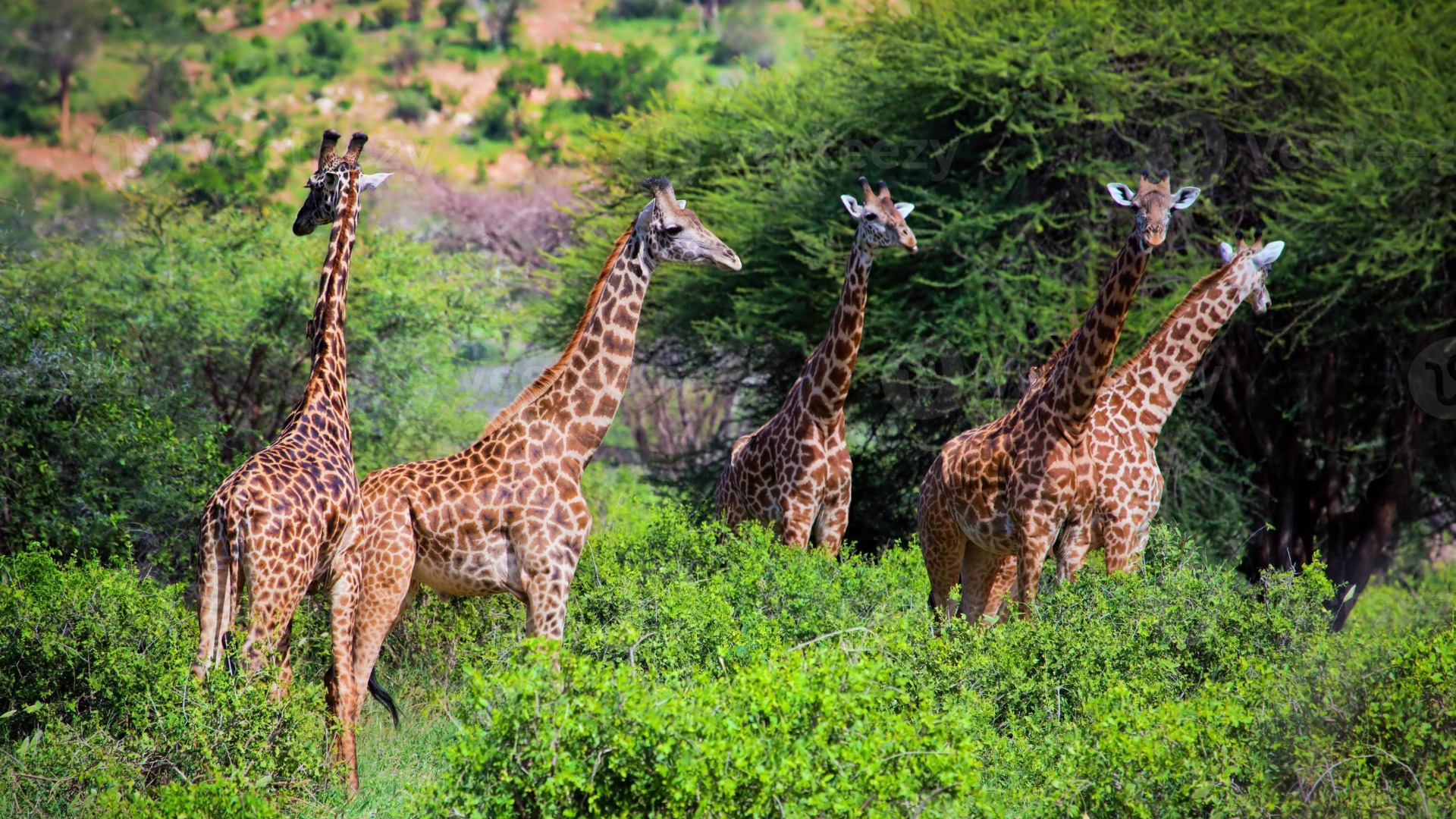
How Experienced Photographers Frame African Wildlife for Maximum Impact
Photography
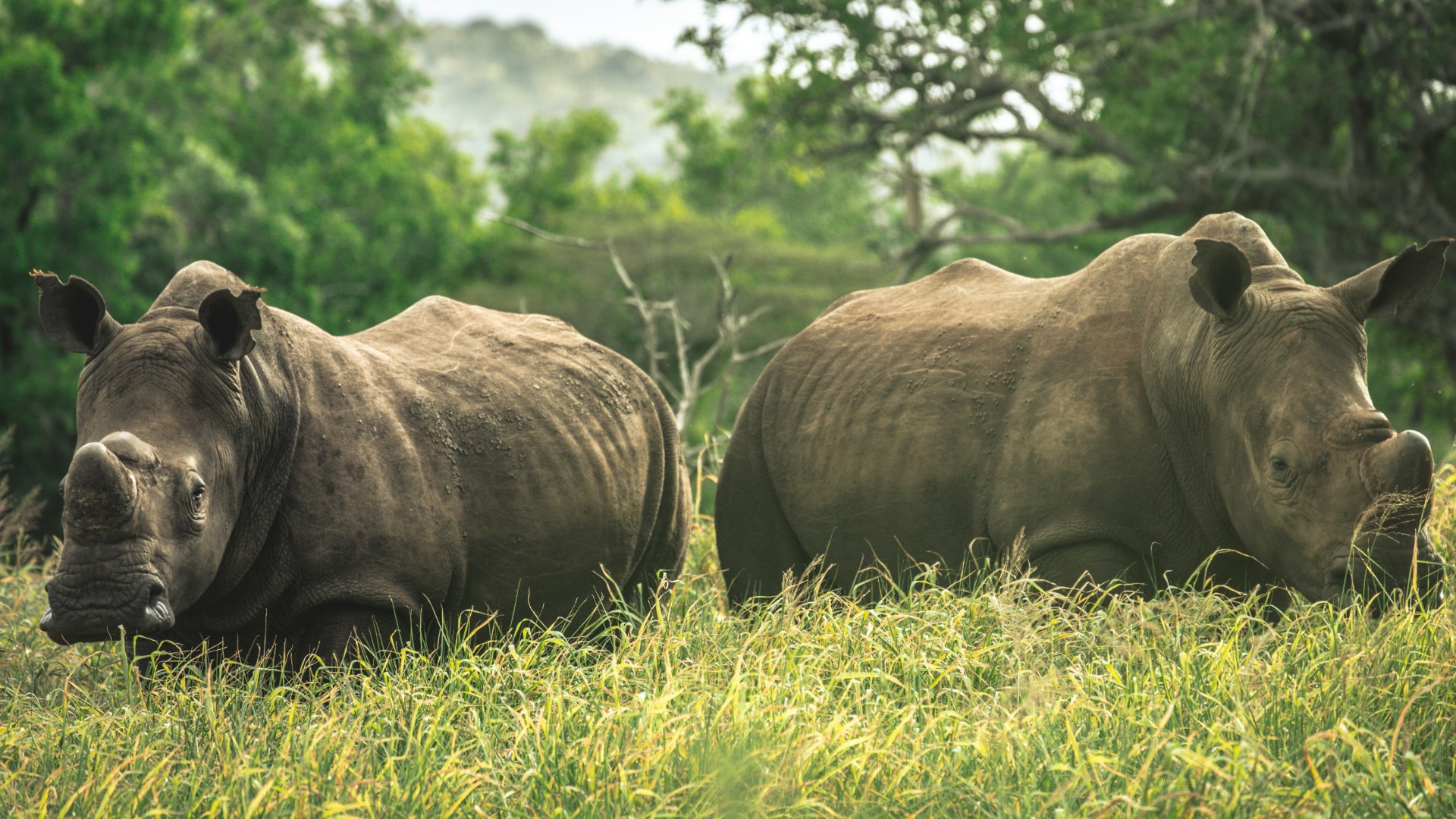
How Fishermen and Fula Herders Quietly Shape Photography in Western Africa
photography
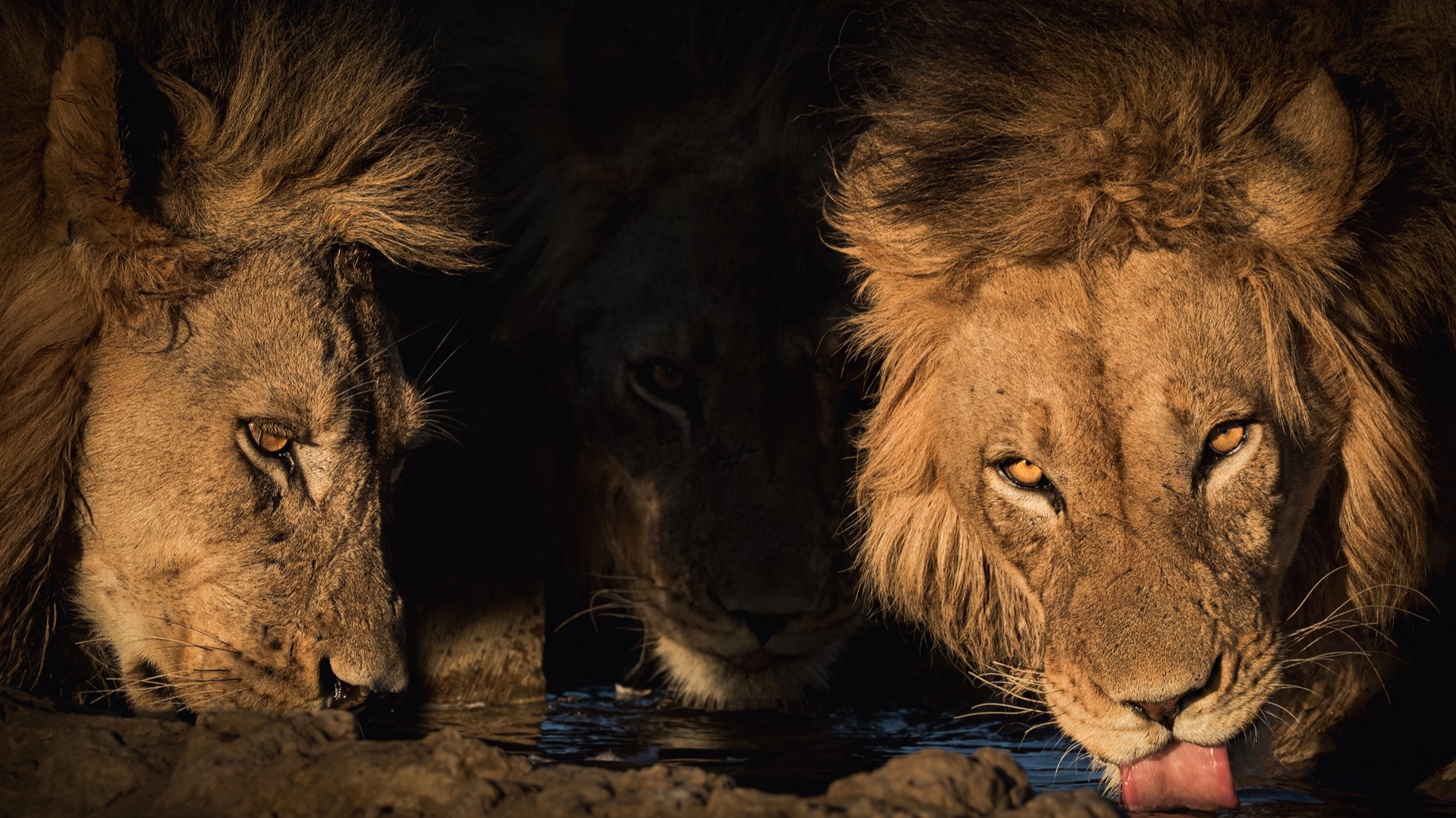
How Low-Level Lion Photography Delivers Intimate Portraits on African Safaris
Photography
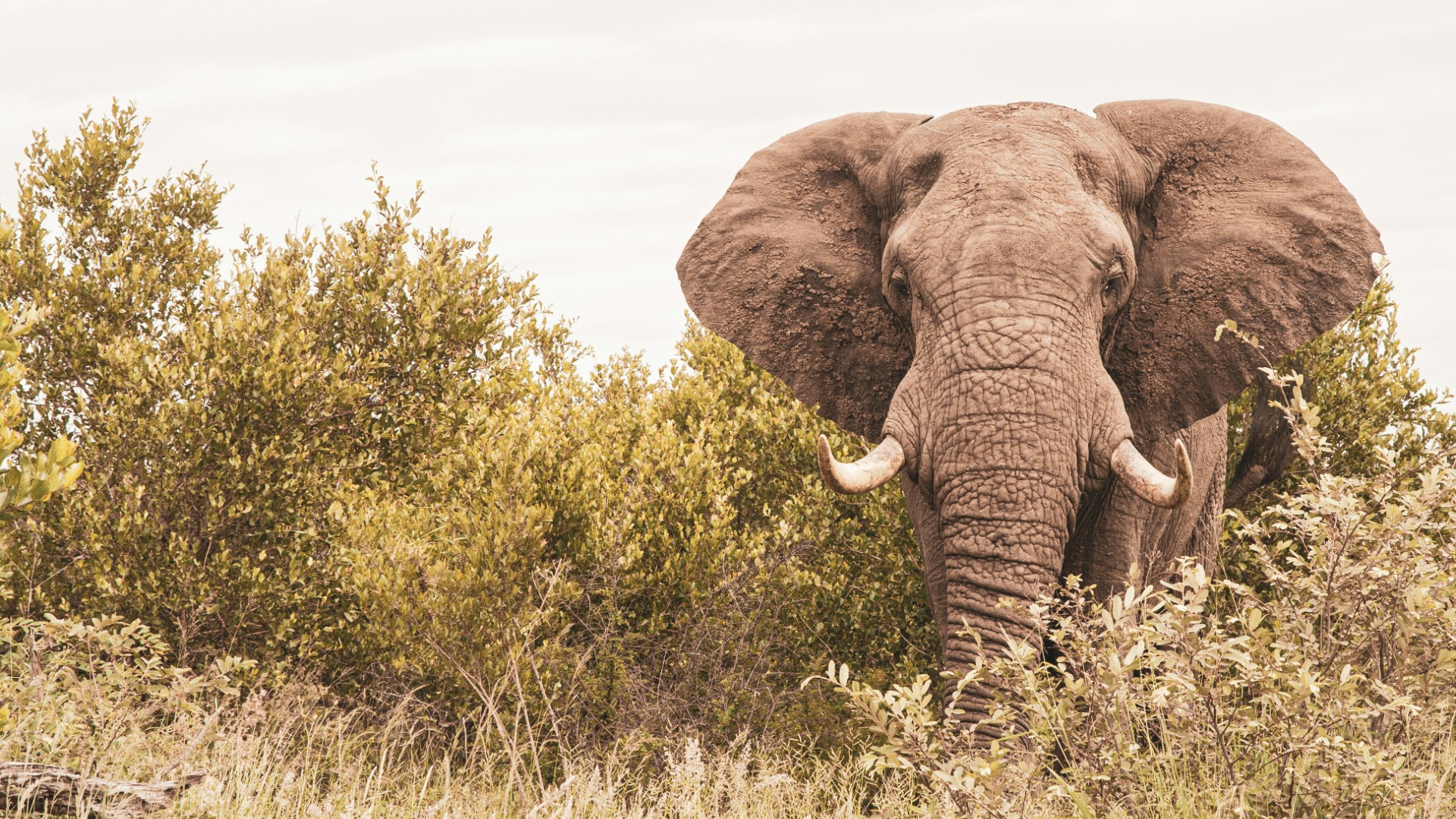
How Photographers Directly Support Anti-Poaching Work Across Kenyan Reserves
Photography
How the Kalahari's Light Teaches Photographers to See Differently
Photography