Photography
Field Techniques for Capturing Tanzania's Wildlife in Shifting Light Conditions
Encounters Africa - 10 min read
Updated on 28 July 2026
Tanzanian wildlife and nature photography rewards those who master the art of reading and responding to rapidly changing light. From the soft golden haze that settles over the Serengeti plains at dawn to the dramatic contrasts inside Ngorongoro Crater, light conditions shift within minutes and demand constant adaptation. The best images emerge not from perfect weather but from understanding how these transitions affect exposure, contrast, and the behaviour of the animals themselves.
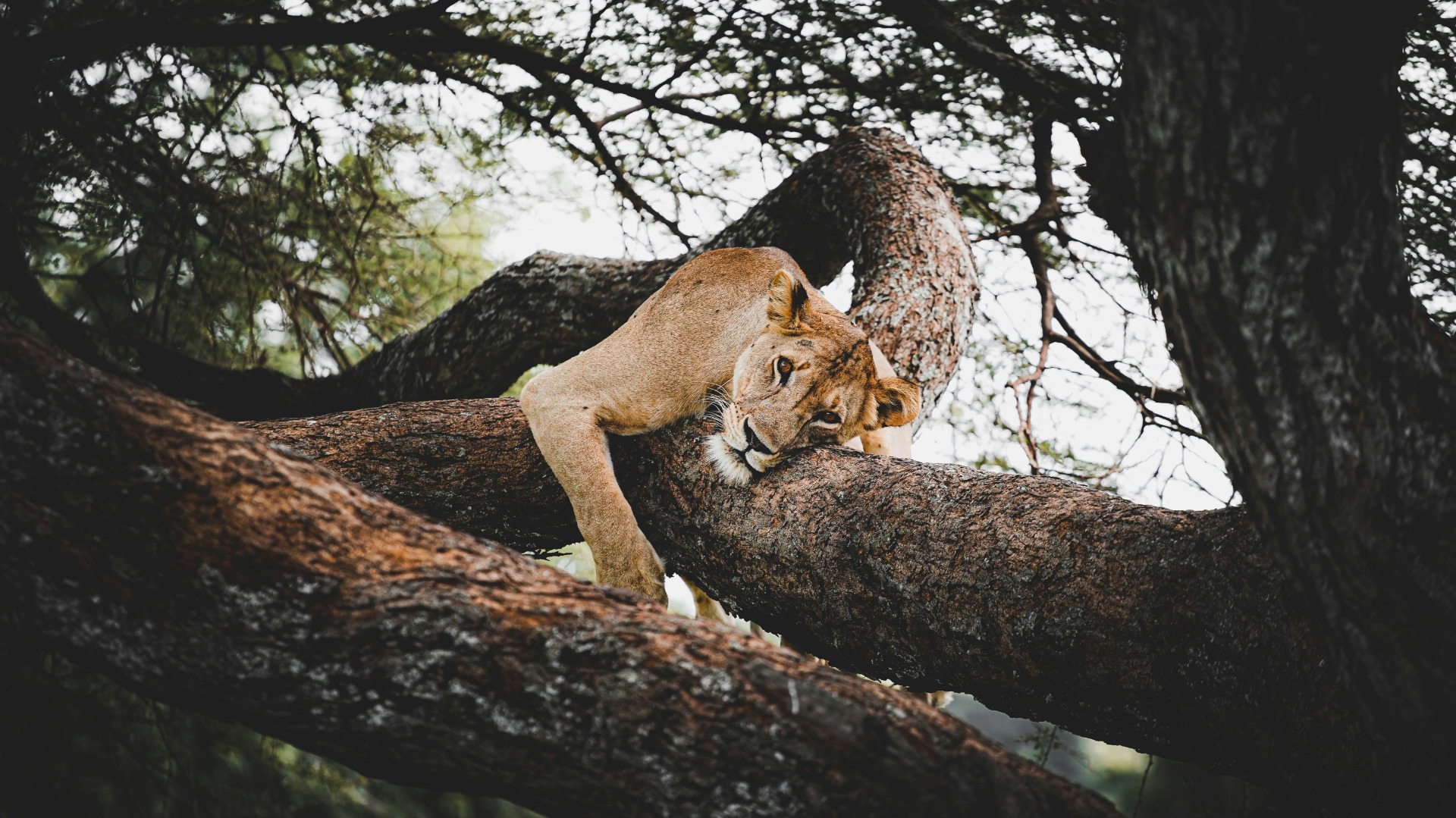
Experienced photographers know that Tanzania’s equatorial position creates intense, often harsh illumination that can flatten a scene or create striking silhouettes in seconds. This article explores practical field techniques for capturing Tanzania's wildlife in shifting light conditions, offering settings, positioning advice, and ethical considerations that help produce authentic, compelling photographs while keeping animals undisturbed. Whether you are tracking a pride of lions across open savannah or waiting for a herd of elephants to cross a river at dusk, these methods will improve both your technical results and your respect for the environment.
Understanding Tanzania’s Distinct Light Patterns
Tanzania sits almost directly on the equator, which means sunrise and sunset happen with remarkable speed and consistency throughout the year. Dawn light typically lasts less than 30 minutes before the sun climbs high enough to produce strong overhead illumination. This rapid transition from cool blue tones to warm golden hues offers a narrow but magical window for wildlife portraits.
In the Serengeti, the dry season from June to October brings clear skies and dust-laden air that diffuses light beautifully during the first and last hours of daylight. The wet season, by contrast, introduces dramatic cloud formations that can soften harsh midday sun or create shafts of light breaking through after rain. Ngorongoro Crater’s high altitude adds another layer of complexity, with cooler temperatures and frequent mist that can reduce visibility yet produce ethereal, soft-focus images when handled correctly.
The light in Tanzania does not wait for the photographer; it changes the story of the landscape every few minutes, and the most rewarding images come from those ready to respond instantly.
The Golden Hour Advantage
The 45 minutes after sunrise and before sunset remain the most reliable periods for balanced exposure and rich colour. During these times, the sun’s low angle creates long shadows that add depth and dimension to wildlife subjects. In the Serengeti Migration Camp area, this light often catches migrating wildebeest against a backdrop of acacia trees, producing images with natural separation between subject and background.
Adjust your white balance to daylight or use a custom setting around 5500K to preserve the warm tones. Many professionals switch to RAW capture exclusively during these hours to retain maximum dynamic range for later post-processing adjustments.

Field Techniques for Shifting Light in Tanzania’s Wildlife Photography
Adapting camera settings quickly is essential when photographing Tanzania's wildlife in shifting light conditions. The key lies in anticipating changes rather than reacting to them. Professional guides at premier camps teach their guests to watch the sky as closely as they watch the animals.
When light intensity drops suddenly because of cloud cover, increase your ISO gradually rather than opening the aperture fully, which can reduce depth of field and soften critical details in an animal’s face. Conversely, as the sun breaks through, lower ISO first to protect highlight detail before adjusting shutter speed.
Recommended Camera Settings by Time of Day
At first light on the Serengeti plains, many photographers begin with an aperture of f/5.6 to f/8, a shutter speed of 1/500th of a second for stationary subjects, and an ISO between 400 and 800. This combination balances sharpness with manageable noise levels on modern full-frame sensors.
By mid-morning, when contrast increases dramatically, stop down to f/8 or f/11 and raise shutter speed to 1/1000th or faster to freeze movement. For birds in flight or running gazelles, 1/2000th of a second becomes necessary. During the harsh midday hours from 11am to 3pm, many experienced travellers switch to shade or backlit compositions, using spot metering on the subject’s face and accepting some highlight clipping in the sky.
As the day draws to a close, return to lower ISO values and slower shutter speeds, embracing the beautiful bokeh created by wide apertures. A setting of f/4 at 1/250th and ISO 200 often yields rich, saturated colours during the final 20 minutes before sunset.
Light is never constant in Tanzania, yet this very unpredictability creates opportunities for images that feel alive rather than merely recorded.
Using Exposure Compensation Effectively
Tanzania’s bright reflective surfaces, particularly the pale grasses of the short-grass plains and the white soda lakes of Ngorongoro, frequently fool camera meters. Apply +0.3 to +1.0 exposure compensation when photographing light-coloured animals such as cheetahs or flamingos against these backgrounds.
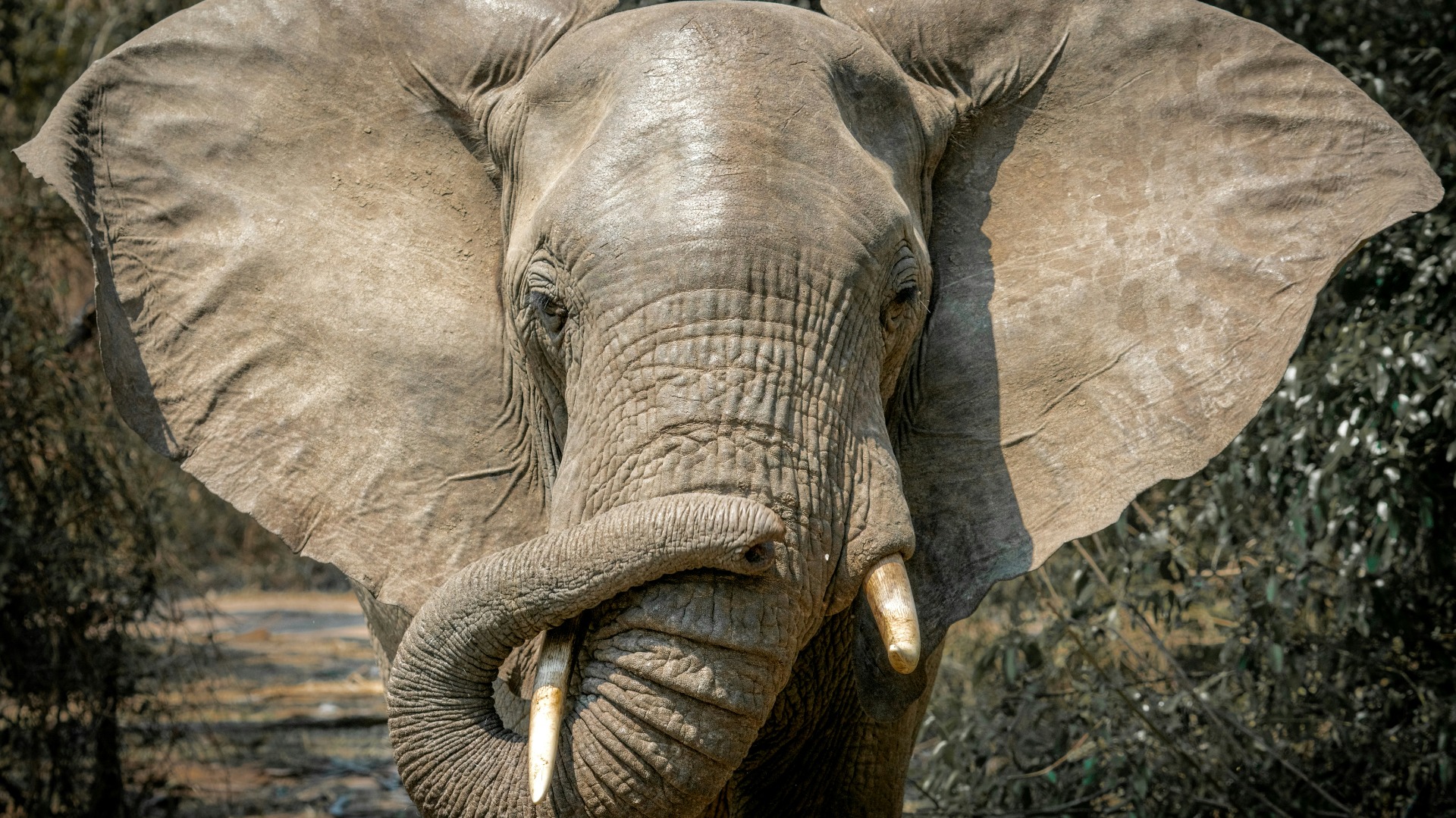
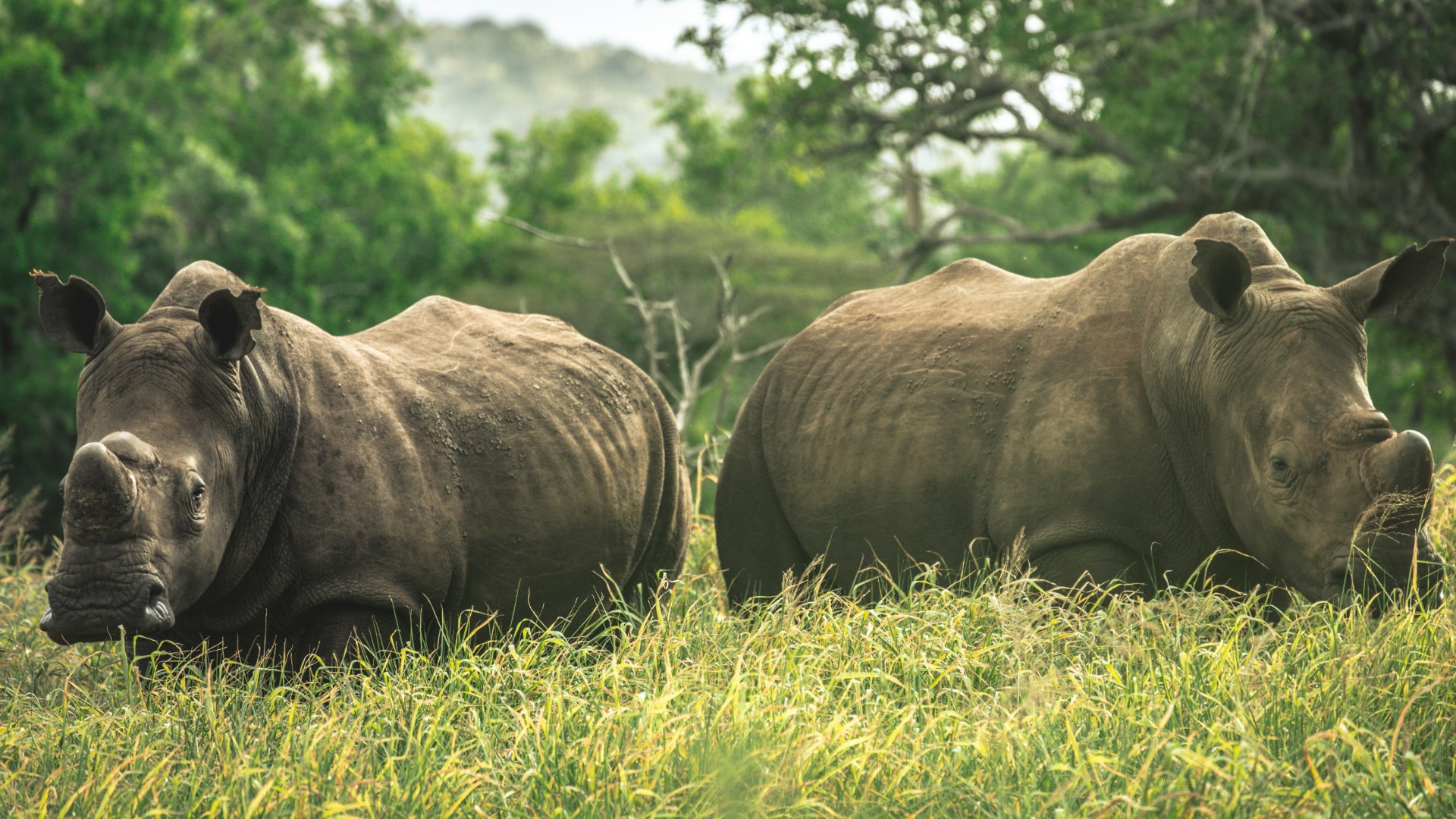
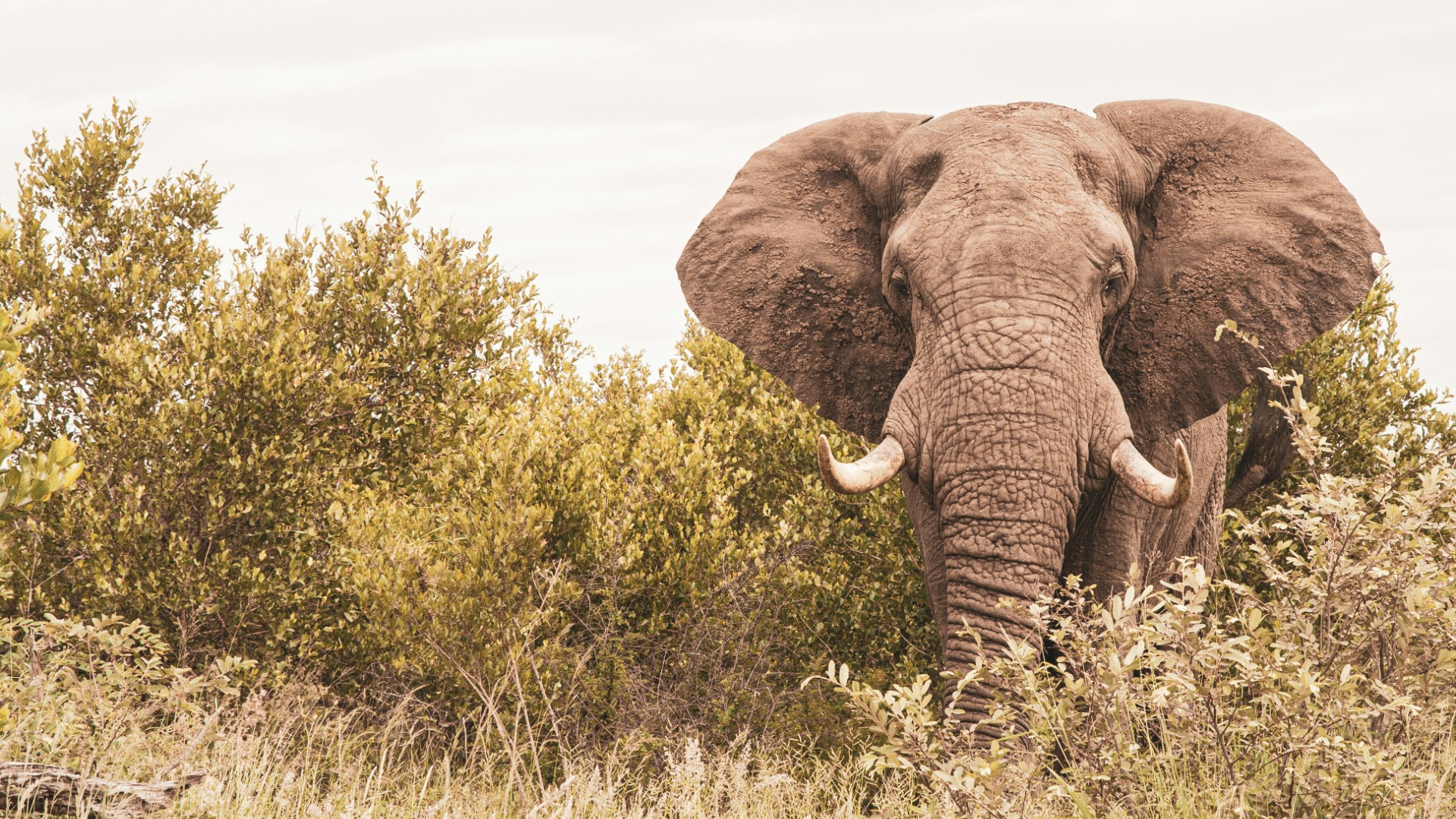
For dark subjects like buffalo or elephants against a bright sky, dial in -0.7 to -1.3 compensation. Bracket your exposures by one stop in either direction when encountering particularly challenging conditions, such as a black rhino in dappled forest light. This safety net has saved countless frames during sudden changes in Tanzania's variable lighting.
Positioning and Composition Strategies That Respect Wildlife
Ethical wildlife photography begins with understanding animal behaviour and maintaining appropriate distances. In Tanzania, regulations in national parks require vehicles to remain on designated tracks, which actually helps photographers by creating predictable sight lines and preventing unnecessary disturbance.
Position your vehicle so the sun is behind you or to the side during the golden hours. Early morning drives should head east, allowing the rising sun to illuminate animals facing west. In the evening, reverse this pattern. This simple planning dramatically improves the quality of available light without requiring animals to change their natural movements.
Anticipating Animal Movement in Changing Light
Skilled guides at places like Elewana Serengeti Pioneer Camp teach photographers to read subtle signs that predict where and when animals will move. A herd of zebras walking steadily towards water in late afternoon suggests a beautiful crossing shot as the sun drops lower.
Keep your camera’s continuous autofocus engaged and use burst mode sparingly to avoid filling memory cards unnecessarily. The goal is one decisive frame rather than dozens of similar images. When light changes rapidly, switch to manual mode to prevent the camera from hunting for new exposure values between frames.

Equipment Choices for Tanzania’s Demanding Conditions
A versatile zoom lens covering 100-400mm or 200-500mm proves most useful for wildlife photography in variable conditions. Pair this with a second body carrying a wider lens (24-70mm) for environmental portraits that show animals within their habitat. A bean bag or monopod offers better stability than a tripod in open vehicles.
Protect your gear from the fine Tanzanian dust that becomes particularly troublesome during dry season game drives. Use lens hoods not only for flare reduction but also as physical barriers against dust and accidental bumps. A polarising filter can help manage reflections on water and intensify sky colour, though it should be removed when light levels drop to avoid losing precious stops of exposure.
Lens Selection for Different Light Scenarios
In the dense forests of the Ngorongoro Highlands, a faster prime lens such as 300mm f/2.8 allows shooting in lower light without excessive ISO increases. On the open plains, the flexibility of a zoom lens outweighs the marginal optical advantage of primes for most travellers.
Consider bringing a teleconverter for those rare but spectacular encounters with distant subjects. A 1.4x converter maintains acceptable autofocus speed while extending reach, though it reduces maximum aperture by one stop. Test your combination thoroughly before departure to understand its limitations in challenging light.
Common Challenges and How to Overcome Them
One frequent question from travellers preparing for their first Tanzanian safari is: “How do I photograph animals in the harsh midday light without losing detail?” The answer lies in embracing contrast rather than fighting it. Look for subjects in open shade or use backlighting to create striking silhouettes that emphasise shape and gesture over fine detail.
Heat haze presents another significant challenge, particularly from June to October on the Serengeti. Position yourself as low as possible within the vehicle to reduce the amount of heated air between lens and subject. A slight downward shooting angle often yields sharper results than shooting across the shimmering ground surface.
Patience and preparation transform difficult light from a frustration into a creative ally that gives images atmosphere and emotional depth.
Working with Local Guides and Conservation Principles
The most successful wildlife photographers develop strong partnerships with their guides. These knowledgeable professionals understand both animal behaviour and the subtle changes in local light patterns. They can position vehicles for optimal light while ensuring compliance with park regulations that protect the very subjects we wish to photograph.
Always prioritise the welfare of the animals over the perfect shot. If a predator is hunting or a mother is nursing, maintain greater distance and lower your voice. The images captured with respect carry greater authenticity and emotional weight than those taken at the expense of natural behaviour.
Post-Processing Considerations for Authentic Results
While the focus of this article is field technique, a few notes on processing help preserve the integrity of images captured in Tanzania’s distinctive light. Subtle adjustments to contrast and clarity often prove more effective than dramatic edits. Aim to enhance what was present in the scene rather than creating something that never existed.
Pay particular attention to white balance when processing images shot during the golden hours. The warm light should feel natural rather than artificially intensified. Selective adjustments using graduated filters can help balance exposure between bright skies and shaded subjects without creating unnatural-looking results.
Planning Your Tanzanian Photography Safari
The optimal time for capturing Tanzania's wildlife in shifting light conditions depends on your preferred subjects and tolerance for weather. The dry season from late June through October offers the best game viewing and dust-enhanced golden light, though midday hours become particularly harsh. February and March bring shorter grass on the southern Serengeti plains, making it easier to spot and photograph predators with their cubs.
Consider a private safari that allows greater flexibility with departure times. Departing camp an hour earlier than the standard schedule can make all the difference in securing prime positions for the morning’s best light. Our carefully crafted Tanzania itineraries build in sufficient time for both observation and photography without rushing between locations.
Travellers seeking a private safari beyond our set itineraries are invited to contact us directly. We specialise in designing exceptional, tailor-made journeys for individuals, couples, families, and private groups of up to eight guests. Drawing on our handpicked network of distinguished camps and lodges, we curate every detail with precision and care, creating a seamless, deeply personal safari experience shaped entirely around your preferences, pace, and budget.
Whether you wish to focus on big cats at Ngorongoro, follow the great migration, or explore the remote beauty of Ruaha, Encounters Africa can arrange the perfect photographic expedition. Our experienced team understands the specific requirements of serious wildlife photographers and works closely with camps known for their guiding excellence and respect for the environment.
More like this
Photography
Framing Paradise: How Seychelles Light and Isolation Shape Distinct Images
Photography
How Experienced Photographers Frame African Wildlife for Maximum Impact
Photography
How Fishermen and Fula Herders Quietly Shape Photography in Western Africa
photography
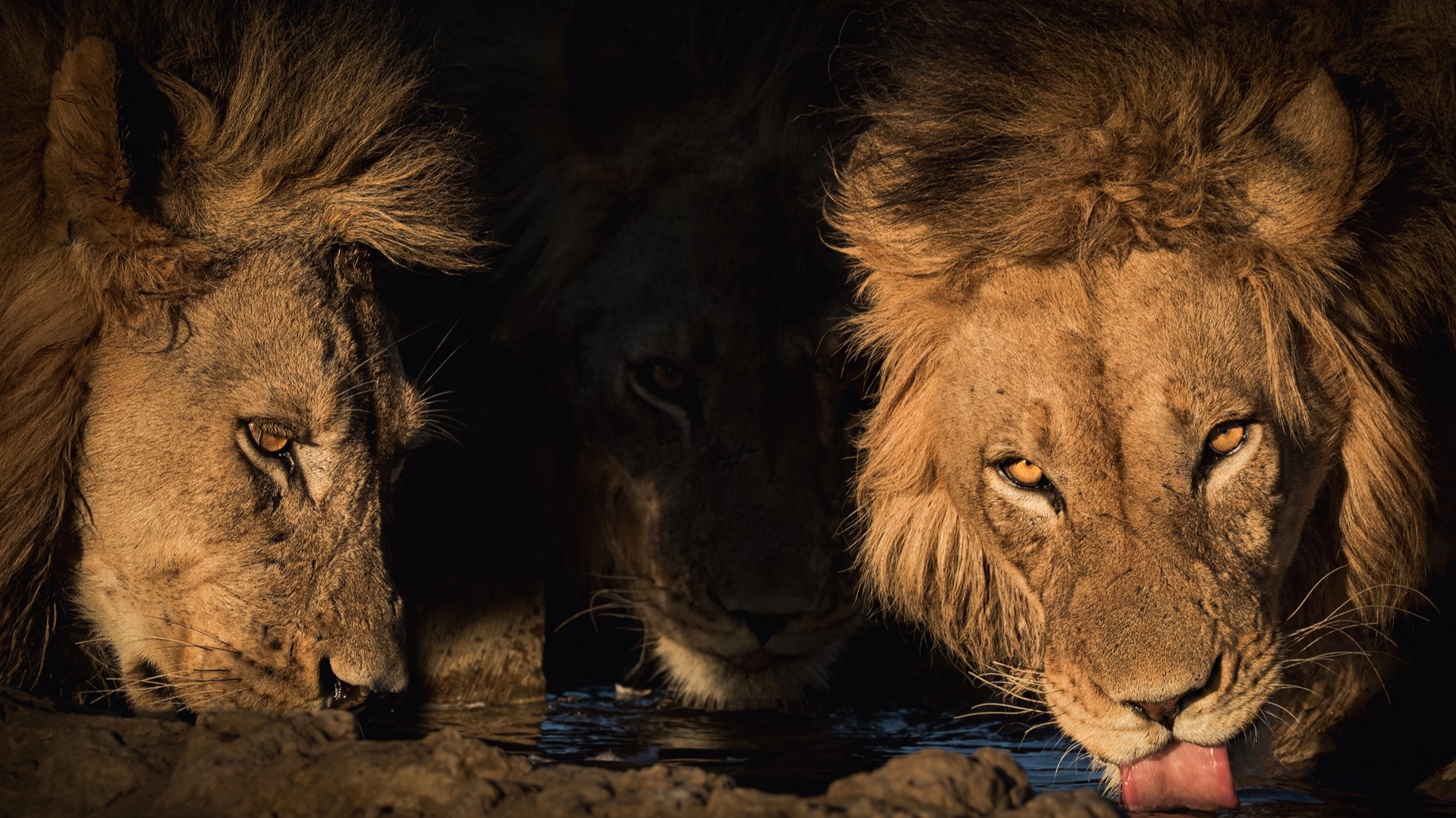
How Low-Level Lion Photography Delivers Intimate Portraits on African Safaris
Photography
How Photographers Directly Support Anti-Poaching Work Across Kenyan Reserves
Photography