Conservation
How Community Stewardship Is Strengthening Rwandan Conservation Efforts
Encounters Africa - 8 min read
Updated on 24 June 2026
Rwandan conservation has evolved into a collaborative endeavour where local communities stand at the forefront of protecting endangered species and vast wilderness areas. In Rwanda, the emphasis on community stewardship has transformed how antipoaching measures and habitat restoration are implemented, delivering measurable results across reserves such as Volcanoes National Park. This integrated model not only strengthens enforcement but also builds genuine local investment in the long-term health of the landscape.
Beyond enforcement, Rwandan conservation now centers on empowering nearby villages with education and alternative livelihoods, creating a model where residents actively support antipoaching measures and habitat restoration across key reserves.
The Foundations of Modern Rwandan Conservation
Rwanda's approach to safeguarding its biodiversity has shifted dramatically over the past two decades. Where once conservation relied heavily on top-down regulation, today's efforts weave together government policy, international partnerships, and grassroots participation. This evolution reflects a deeper understanding that sustainable protection depends on those who live closest to the wildlife.
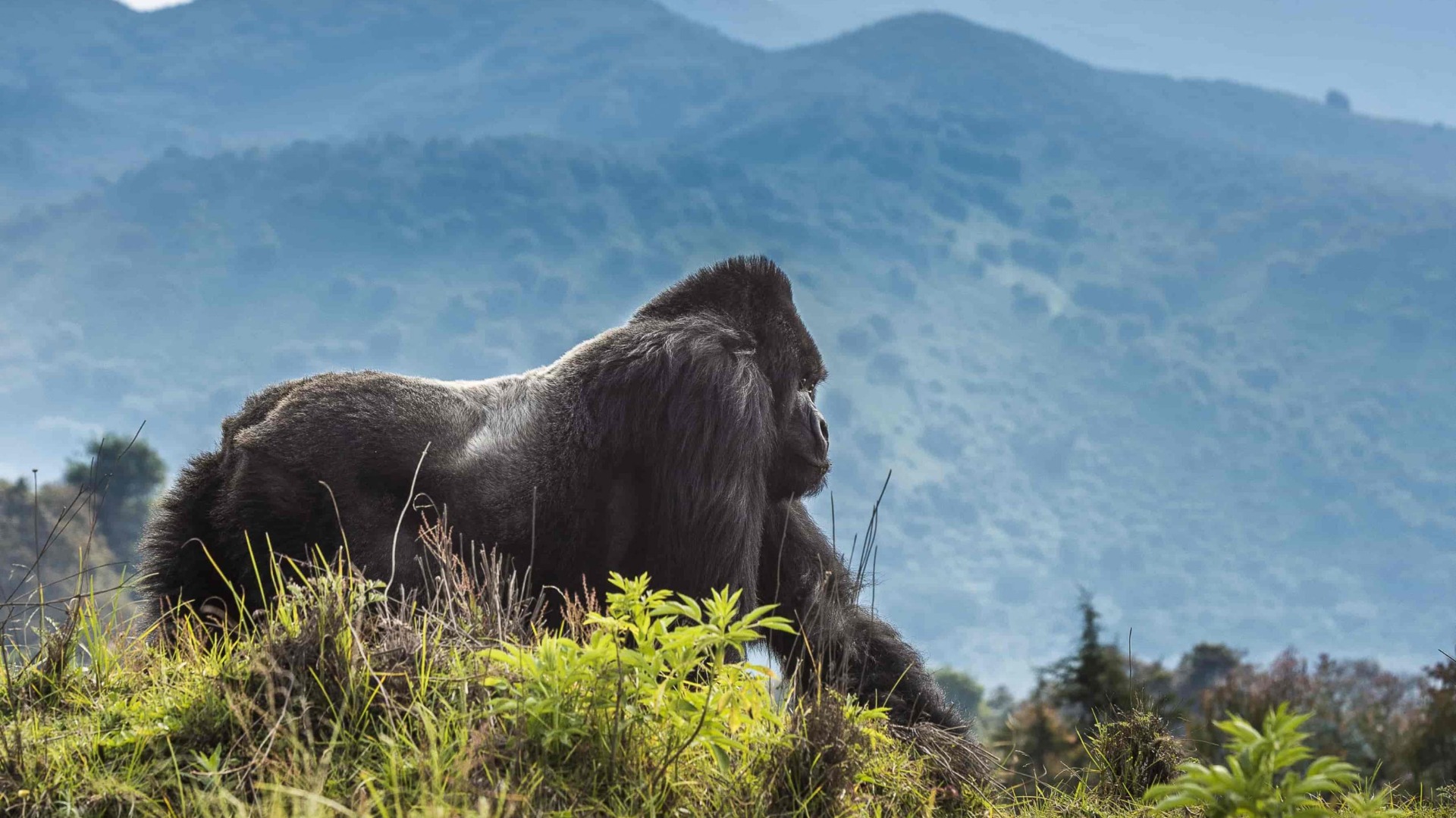
The country's protected areas cover approximately 10 percent of its land surface, with Volcanoes National Park serving as the crown jewel for mountain gorilla conservation. Here, conserving antipoaching laws are rigorously applied, yet their effectiveness stems as much from community buy-in as from formal statutes. Rangers work alongside village cooperatives, sharing both the challenges and the rewards of protecting these fragile ecosystems.
Community stewardship has become the quiet force multiplying the impact of every patrol and every conservation pound spent in Rwanda's forests.
From Conflict to Collaboration
Following the devastating events of 1994, Rwanda faced the dual challenge of rebuilding society while addressing severe environmental pressures. Poaching for bushmeat and the illegal wildlife trade had intensified amid instability. The response was not merely increased enforcement but a fundamental rethinking of how conservation intersects with human development.
Today, former poachers have become some of the most effective guardians of the parks. Through carefully designed programmes, individuals receive training as guides, trackers, or conservation monitors. This transformation demonstrates how conserving antipoaching laws gain strength when paired with genuine economic alternatives and social recognition.
How Community Stewardship Strengthens Rwandan Conservation Efforts
At the heart of contemporary Rwandan conservation lies a network of community-led initiatives that directly support antipoaching operations and habitat protection. Village cooperatives manage reforestation projects, monitor wildlife corridors, and participate in revenue-sharing schemes derived from tourism. This participation has led to a documented 30 percent reduction in poaching incidents in Volcanoes National Park between 2015 and 2022, according to Rwanda Development Board reports.
Education programmes reach thousands of schoolchildren each year, fostering a new generation that views wildlife as an asset rather than a threat. These efforts extend beyond awareness-raising to practical skill-building in sustainable agriculture and ecotourism, ensuring that conserving antipoaching laws are supported by viable livelihood options.
The Role of Revenue Sharing in Building Support
Tourism revenue from gorilla trekking permits, which cost $1,500 per person, flows back into surrounding communities through transparent mechanisms. Each year, approximately 10 percent of park fees are allocated to local development projects including schools, health clinics, and water infrastructure. This tangible return creates powerful incentives for residents to report suspicious activity and participate in habitat restoration.
Such financial linkages have proven particularly effective in reducing human-wildlife conflict. Farmers receive compensation for crop damage and training in predator-proof livestock enclosures, dramatically lowering retaliatory killings. The result is a virtuous cycle where healthier ecosystems support more robust tourism, which in turn funds expanded conservation work.
When communities see direct benefits from protected areas, conserving antipoaching laws transform from external rules into shared responsibilities that everyone helps uphold.
Technology Meets Traditional Knowledge in Antipoaching Operations
Rwandan conservation increasingly blends cutting-edge technology with indigenous tracking skills. GPS-enabled patrols, camera traps, and real-time data platforms allow rangers to respond swiftly to threats. Yet these tools are most powerful when operated by teams that include local community members who understand the terrain and seasonal patterns of both wildlife and potential poachers.
Training programmes have equipped over 200 community scouts since 2018, many of whom now lead joint operations with national park staff. Their intimate knowledge of the landscape often proves decisive in preventing incursions before they occur. This fusion of modern tools and traditional expertise represents one of the most promising developments in Rwandan conservation today.
Measuring Success Through Data and Dialogue
Conservation teams track key indicators including gorilla population growth, which has increased from approximately 480 individuals in 2010 to over 600 today across the Virunga massif. Habitat restoration efforts have replanted more than 1.5 million indigenous trees in buffer zones, creating vital corridors that connect fragmented forests.
Regular community forums provide platforms for dialogue between park authorities and residents. These meetings address concerns ranging from crop-raiding elephants to benefit distribution, ensuring that conservation strategies remain responsive to local realities. The data collected through these engagements informs adaptive management practices that continue to refine Rwandan conservation approaches.
Challenges and Future Horizons for Conserving Antipoaching Laws
Despite notable successes, significant challenges remain. Climate change is altering vegetation patterns and water availability, potentially increasing pressure on both wildlife and human communities. Population growth in districts surrounding protected areas continues to test the delicate balance between development needs and conservation priorities.
International demand for illegal wildlife products persists, requiring constant vigilance and cross-border cooperation. Rwanda works closely with neighbouring countries through the Greater Virunga Transboundary Collaboration, harmonising conserving antipoaching laws and sharing intelligence on trafficking networks. These regional partnerships prove essential for addressing threats that transcend national boundaries.
The true measure of Rwandan conservation success lies not only in rising animal numbers but in the growing sense of ownership felt by the communities that surround these precious landscapes.
Innovative Solutions on the Horizon
Emerging initiatives explore beekeeping cooperatives and medicinal plant cultivation as additional income streams that complement rather than compete with conservation goals. Solar-powered fencing projects aim to reduce human-wildlife conflict while creating local employment in maintenance and monitoring.
Youth conservation clubs are expanding rapidly, with members participating in citizen science projects that monitor biodiversity changes. These programmes nurture the next generation of conservation leaders who will carry forward Rwanda's community-centred model into the coming decades.
What This Means for Travellers Seeking Authentic Conservation Experiences
For those planning a journey to witness these efforts firsthand, Rwanda offers unparalleled opportunities to engage with both wildlife and the communities protecting it. Visitors to Volcanoes National Park can participate in guided community walks that reveal how local families have become active partners in conservation. These experiences provide deeper insight than traditional game drives, illustrating the human dimension of Rwandan conservation.
Our partners at Clouds Mountain Gorilla Lodge and Gorilla Safari Lodge work closely with neighbouring villages, ensuring that guest experiences directly support community stewardship programmes. Travellers often return transformed by these encounters, carrying home stories that highlight the power of inclusive conservation models.
Consider extending your visit to include cultural exchanges in villages surrounding Volcanoes National Park. These thoughtfully arranged experiences allow visitors to understand how conserving antipoaching laws translate into daily life for families living on the forest edge. Such connections enrich any safari while contributing meaningfully to long-term protection efforts.
Looking Ahead: The Enduring Impact of Community-Led Conservation
The transformation of Rwandan conservation from enforcement-focused to community-embedded represents more than a policy shift. It signals a profound change in how societies value and protect natural heritage. By placing local voices at the centre of decision-making, Rwanda has created a resilient framework capable of adapting to emerging challenges while delivering measurable benefits for both people and wildlife.
As gorilla numbers continue their encouraging upward trajectory and habitat restoration projects expand, the evidence mounts that this approach works. The integration of conserving antipoaching laws with economic opportunity and education has created a conservation model with relevance far beyond Rwanda's borders. Other nations increasingly study these methods as they seek their own pathways to sustainable wildlife protection.
Experience Rwanda's Living Conservation Story
The remarkable progress in Rwandan conservation offers hope for Africa's wildlife future. Through community stewardship, innovative partnerships, and sustained commitment, the country demonstrates how conservation can strengthen rather than divide societies. For travellers drawn to authentic experiences that contribute to meaningful change, Rwanda provides an exceptional destination where every visit helps sustain these vital efforts.
For discerning travellers seeking a private safari beyond our set itineraries, we invite you to contact us directly. We specialise in designing exceptional, tailor-made journeys for individuals, couples, families, and private groups of up to eight guests. Drawing on our handpicked network of distinguished camps and lodges, we curate every detail with precision and care, creating a seamless, deeply personal safari experience shaped entirely around your preferences, pace, and budget.
Discover how your journey can support Rwandan conservation while creating memories that last a lifetime. We would be delighted to discuss how we might craft an experience that aligns with your values and deepens your connection to this extraordinary country. Please visit our enquiry form to begin a conversation about your next African adventure with Encounters Africa.
More like this
Conservation
How Community Voices Are Rewriting Kenya's Conservation Story
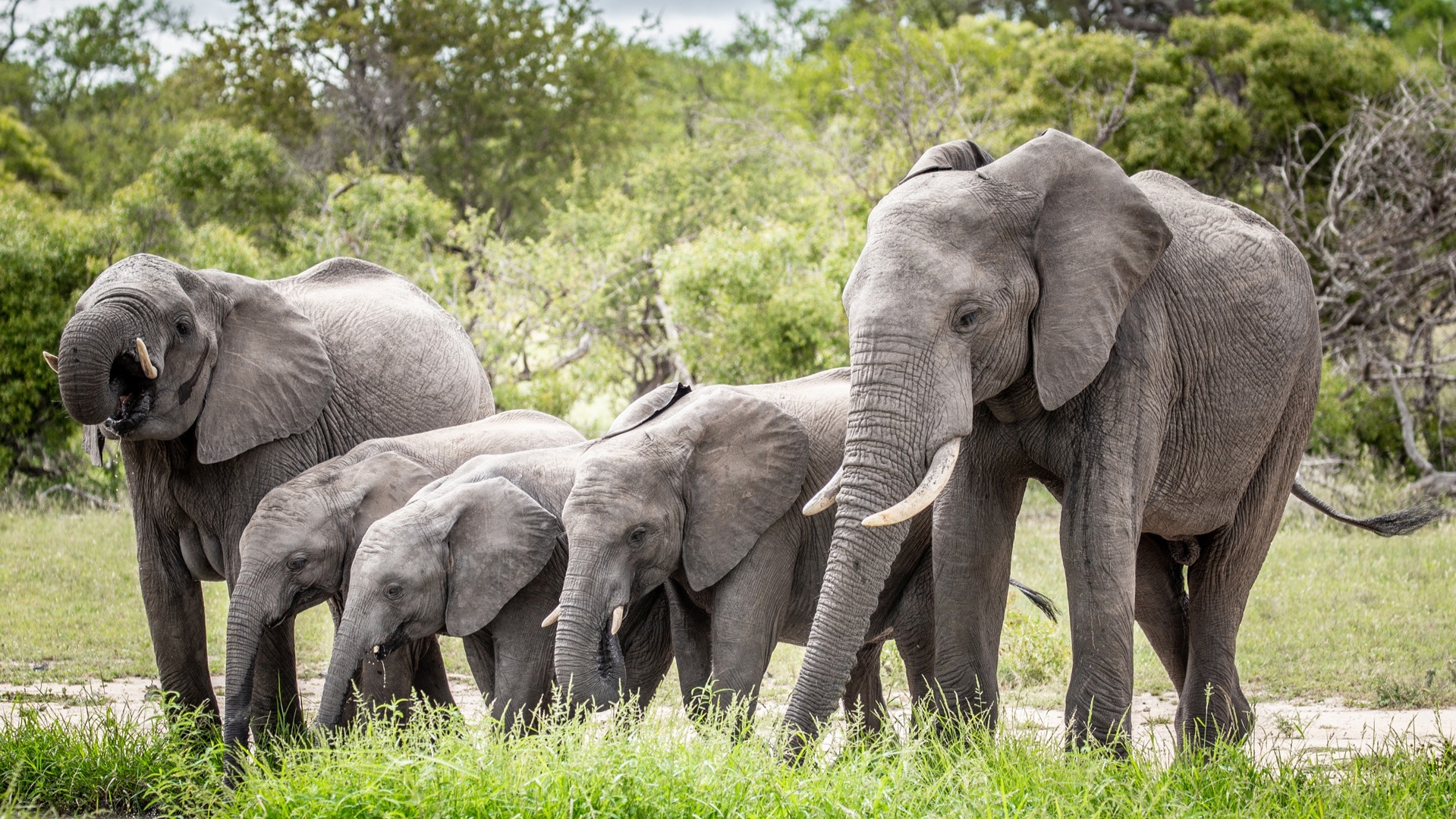
conservation
How Conservation Fees on African Safaris Support Communities and Wildlife Protection
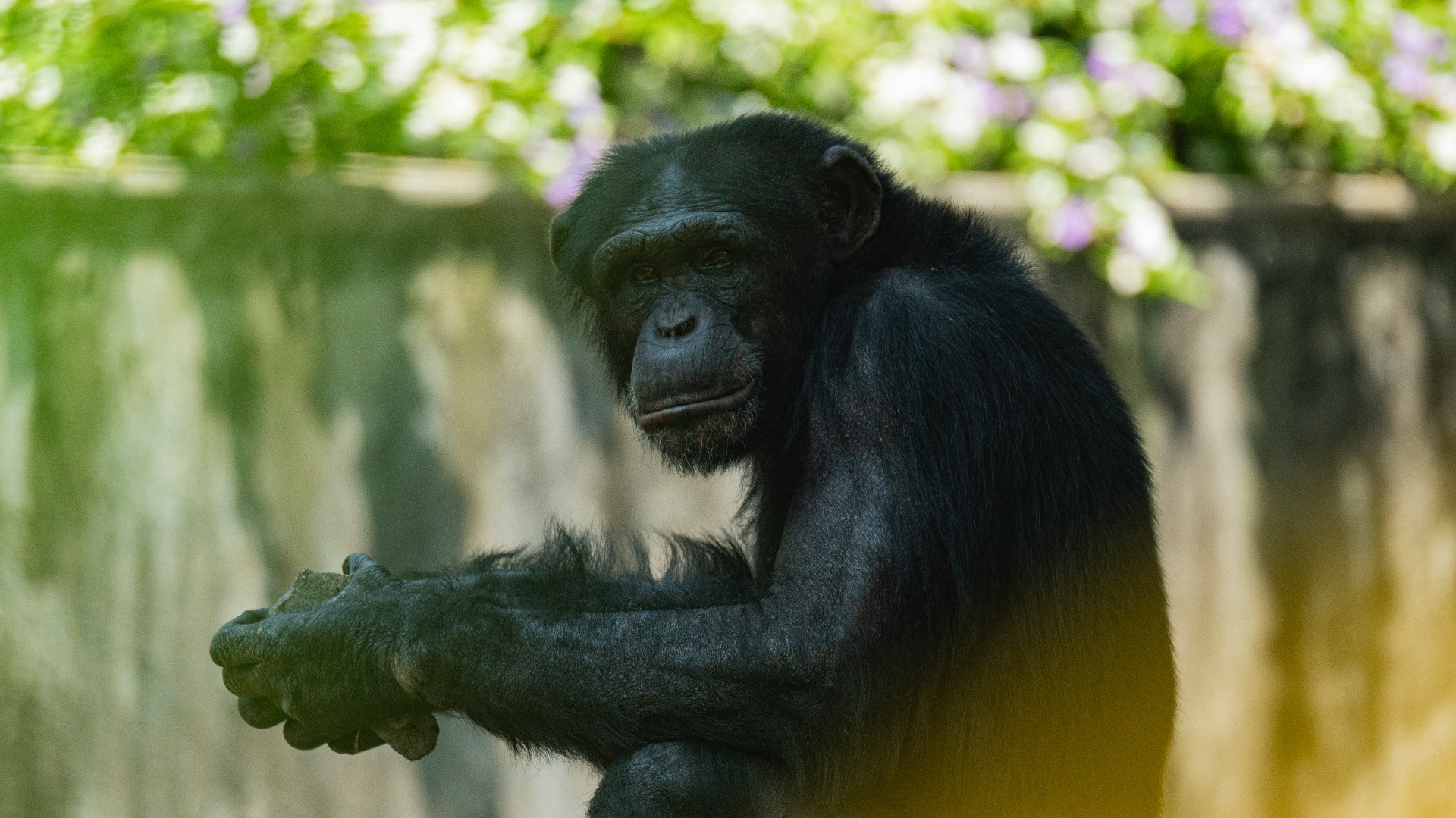
conservation
How Forest Corridors Are Reconnecting West Africa's Fragmented Habitats for Chimpanzees
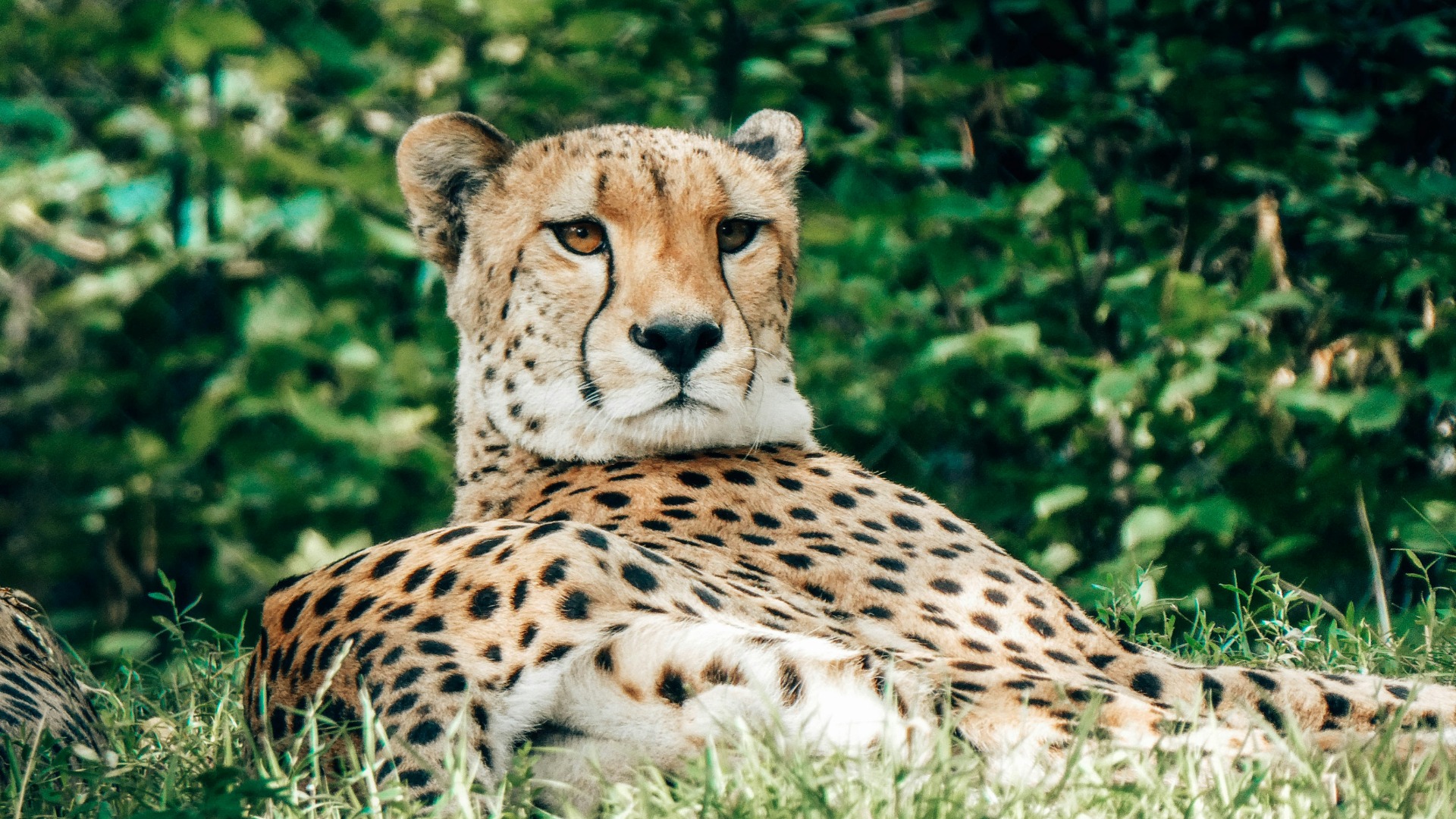
Conservation
How Kenyan Ranchers and Conservationists Share Land to Protect Lions
Conservation
How Kenya's Rangers Track Poaching Networks Across Tsavo's Vast Landscapes
Conservation