Conservation
How Botswana Rebuilt Its Elephant Populations Through Community Partnerships
Encounters Africa - 8 min read
Updated on 30 July 2026
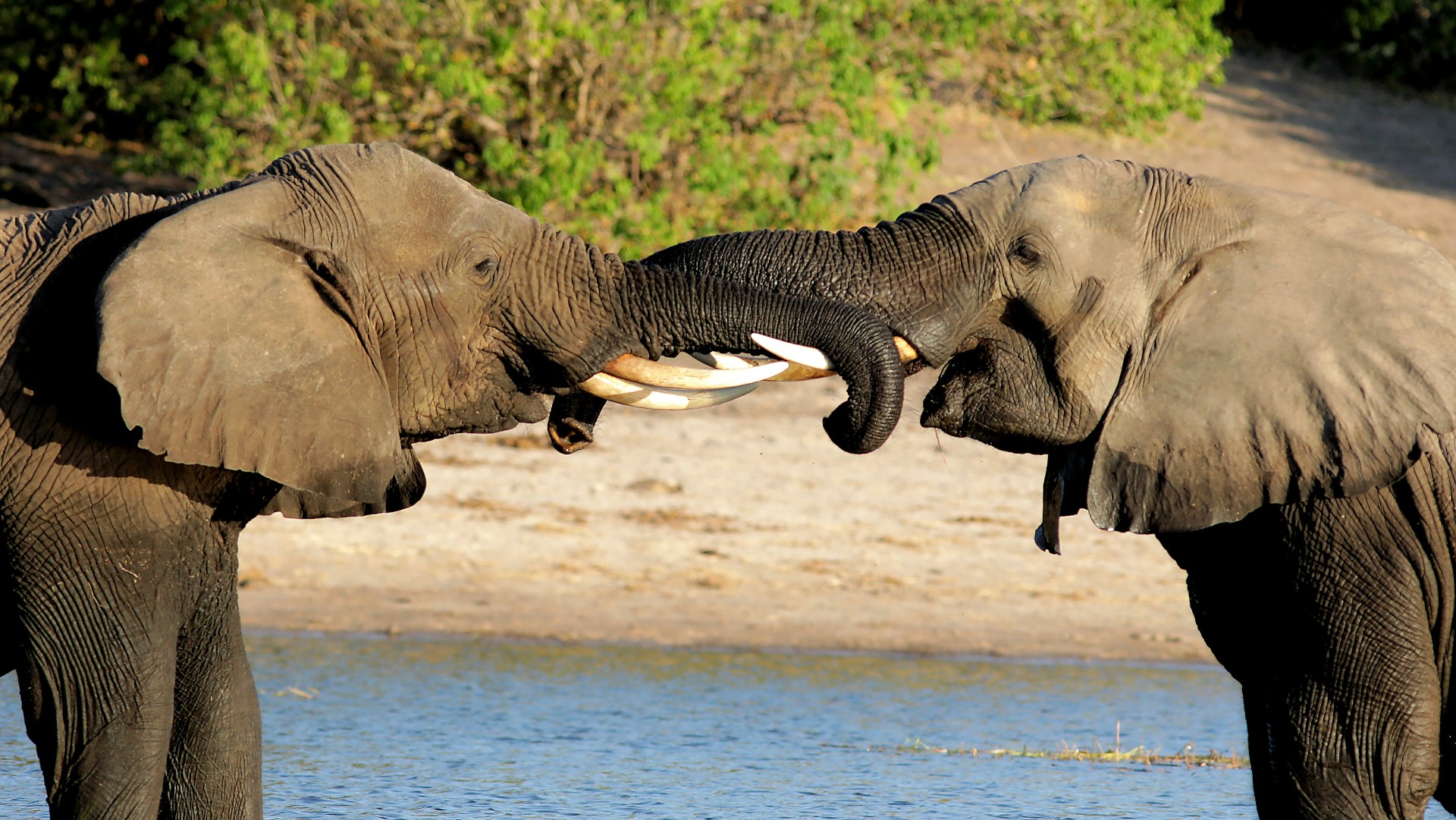
Botswana has achieved one of Africa's most remarkable conservation turnarounds through its emphasis on community partnerships, with elephant numbers now exceeding 130,000 and poaching incidents reduced by more than 90 percent since the mid-2010s. This success story demonstrates how aligning local economic incentives with wildlife protection can deliver measurable results across vast landscapes, from the wetlands of the Okavango Delta to the arid expanses of the Kalahari. Encounters Africa has witnessed these gains firsthand through our work with forward-thinking lodges that integrate community benefits into every journey.
The country's approach stands out because it treats residents as active partners rather than passive observers. By granting communities rights over wildlife resources on their land, Botswana has created a model where protecting elephants directly supports schools, clinics, and livelihoods. The result is a stable population that represents roughly one-third of Africa's remaining savanna elephants, offering discerning travellers an unparalleled opportunity to observe these intelligent giants in expansive, low-density wilderness.
The Scale of Botswana's Elephant Recovery
Current aerial surveys conducted in 2022 recorded 131,000 elephants across Botswana, a significant increase from the estimated 80,000 in the early 1990s. This growth has occurred despite regional pressures, with the population stabilising at densities that allow natural behaviours to flourish. In the northern regions, family groups move freely between protected areas and community concessions, following ancient pathways that predate modern boundaries.
What sets these figures apart is their distribution. Rather than concentrating in fenced reserves, Botswana's elephants range across 80,000 square kilometres of connected habitat. This landscape-scale recovery has been supported by strategic water point management and anti-poaching efforts that prioritise intelligence-led operations over sheer manpower. The outcome is healthier herds with higher calf survival rates, visible to those who travel with experienced guides who understand the subtle seasonal patterns.

Community ownership transforms the narrative from protection against people to protection by people, creating a foundation far stronger than enforcement alone could achieve.
How Community Conservancies Changed the Equation
At the heart of Botswana's success lies its network of community conservancies, where local residents receive direct financial returns from wildlife tourism and sustainable resource use. These conservancies cover more than 20 percent of the country and operate under legal frameworks established in the early 2000s that grant communities user rights over wildlife on their traditional lands.
In the Khwai Community Area, for instance, residents partner with operators to manage tourism revenue that funds everything from livestock improvement programmes to bursaries for higher education. This model has reduced human-elephant conflict by providing alternative income streams and supporting compensation schemes when crop damage occurs. Similar arrangements around the Okavango Delta have seen villages transition from viewing elephants as competitors to recognising them as valuable economic assets.
The conservancy approach extends beyond economics. Training programmes have equipped hundreds of local residents as wildlife monitors, guides, and lodge staff. These roles create a skilled workforce invested in long-term stewardship, with knowledge of the land passed down through generations now formally recognised and compensated.
Legal Frameworks Supporting Local Rights
Botswana's Community-Based Natural Resource Management (CBNRM) policy, formalised in 2007, provides the legislative backbone for these partnerships. The policy allows communities to form trusts that hold wildlife utilisation rights, including tourism concessions and limited sustainable harvesting. Revenue sharing mechanisms ensure that at least 35 percent of tourism income returns directly to the communities.
This framework has enabled conservancies to negotiate directly with safari operators, creating healthy competition that maintains high standards while ensuring local benefits. The stability of these agreements has encouraged long-term investment from both government and private partners, contributing to the sustained population growth observed over the past two decades.
Anti-Poaching Strategies Rooted in Community Intelligence
Poaching in Botswana dropped from 800 incidents annually in 2013 to fewer than 50 by 2022, according to official government reports. This dramatic decline stems from intelligence networks built on community relationships rather than purely militarised approaches. Local monitors, many of whom are former hunters, now use their tracking expertise to protect rather than harm wildlife.
Real-time reporting systems connect community scouts with rapid response teams, while incentive programmes reward information that prevents poaching. In the northern concessions, this collaborative model has created a protective web across remote areas that formal rangers could never cover alone. The approach respects cultural knowledge while providing modern tools and training.
When communities benefit from living alongside elephants, the animals gain thousands of additional eyes and ears across the landscape.
Technology Meets Traditional Knowledge
Modern monitoring combines GPS collars on key herds with community-based smartphone reporting applications. In the Makgadikgadi Salt Pans region, this hybrid system tracks both elephant movements and potential threats, allowing proactive management of conflict hotspots. Data collected by local teams feeds into national databases, creating a comprehensive picture that informs policy decisions.
Conservation organisations have trained over 400 community monitors since 2015, equipping them with everything from cybertracker devices to basic forensic skills. This investment in human capital has proven more effective than technology alone, as local scouts understand the landscape's nuances in ways that outsiders cannot.
Case Studies from the Okavango and Kalahari Regions
In the Okavango, the Khwai and Selinda areas showcase how community partnerships translate into tangible conservation gains. Elephant numbers in these zones have increased by approximately 40 percent over the past decade, with family groups now regularly observed in areas where they were once scarce due to disturbance.
The Dinaka operation in the northern Kalahari demonstrates similar success, where community involvement in monitoring has helped maintain connectivity between the Okavango and the Central Kalahari Game Reserve. Here, elephants have re-established historical migration routes, crossing areas previously fragmented by livestock farming and unregulated hunting.
These recoveries have ripple effects across the ecosystem. As elephant populations stabilise, they create pathways through dense vegetation that benefit numerous other species, from antelope to smaller predators. The resulting biodiversity gains enhance the quality of wildlife experiences available to visitors.
Measuring Success Beyond Numbers
While population counts provide clear metrics, Botswana's conservation teams also track behavioural indicators. Reduced flight responses in elephants suggest decreasing stress levels, while improved body condition scores reflect better resource access. These qualitative measures complement quantitative data, painting a fuller picture of ecological health.
Community satisfaction surveys conducted annually show increasing support for wildlife conservation, with over 75 percent of respondents in key areas reporting positive attitudes toward elephants in 2023. This social metric may prove as important as biological data for long-term sustainability.

What This Means for Responsible Safari Travel
Travellers choosing to visit Botswana through community-focused operators directly contribute to these conservation outcomes. Revenue from high-value, low-impact tourism funds the very programmes that protect the wilderness they come to experience. This creates a virtuous cycle where each safari supports the landscapes and communities that make meaningful encounters possible.
Experienced guides who have grown up in these communities offer unparalleled insights, sharing stories that connect visitors to the human dimension of conservation. Their knowledge transforms game drives from simple viewing exercises into deeper engagements with living landscapes and the people who safeguard them.
Every thoughtful journey into Botswana's wilderness becomes an act of participation in its ongoing conservation story.
How Botswana's Model Compares to Regional Approaches
While Kenya has achieved notable successes through private conservancies, and South Africa through large-scale private reserves, Botswana's approach emphasises communal ownership on state and tribal land. This distinction matters because it addresses conservation at the scale required by wide-ranging species like elephants.
The model has influenced neighbouring countries, with elements adopted in Zambia and Namibia. Its emphasis on legal rights rather than voluntary participation provides greater security for communities, encouraging longer-term commitment to conservation goals.
Challenges That Remain
Despite impressive gains, Botswana faces ongoing pressures from climate change, habitat fragmentation, and the need to balance tourism growth with ecological limits. Human-elephant conflict persists in some agricultural zones, requiring continued innovation in mitigation techniques and compensation mechanisms.
The government and communities continue to refine their approaches, with regular policy reviews incorporating lessons from both successes and setbacks. This adaptive management philosophy represents another strength of the Botswana model.
Looking Forward: The Future of Community-Led Conservation in Botswana
As elephant populations stabilise at healthy levels, attention is shifting toward maintaining connectivity between populations and addressing emerging threats like climate variability. Community trusts are increasingly taking leadership roles in these discussions, proposing solutions grounded in local realities while incorporating scientific insights.
The next phase involves expanding these principles to other species and habitats, from predator conservation to wetland management. Young people from conservancy communities are pursuing qualifications in ecology and tourism management, ensuring the next generation carries forward this legacy of partnership.
For those considering a journey to witness these remarkable recoveries, the experience extends far beyond wildlife sightings. It offers connection to a conservation model that recognises the inextricable link between human wellbeing and thriving ecosystems. The knowledge that your visit supports this balance adds profound meaning to each encounter with these magnificent animals.
Encounters Africa specialises in crafting private safaris that engage deeply with these community initiatives. For discerning travellers seeking a private safari beyond our set itineraries, we invite you to contact us directly. We specialise in designing exceptional, tailor-made journeys for individuals, couples, families, and private groups of up to eight guests. Drawing on our handpicked network of distinguished camps and lodges, we curate every detail with precision and care, creating a seamless, deeply personal safari experience shaped entirely around your preferences, pace, and budget.
Contact Encounters Africa to begin planning your journey into Botswana's thriving wilderness, where conservation success creates space for authentic connection with both wildlife and the communities that protect it.
More like this
Conservation
How Community Stewardship Is Strengthening Rwandan Conservation Efforts
Conservation
How Community Voices Are Rewriting Kenya's Conservation Story
conservation
How Conservation Fees on African Safaris Support Communities and Wildlife Protection
conservation
How Forest Corridors Are Reconnecting West Africa's Fragmented Habitats for Chimpanzees
Conservation
How Kenyan Ranchers and Conservationists Share Land to Protect Lions
Conservation