Conservation
How Rwanda's Conservation Patrols Are Adapting to Rising Climate Pressures
Encounters Africa - 9 min read
Updated on 3 August 2026
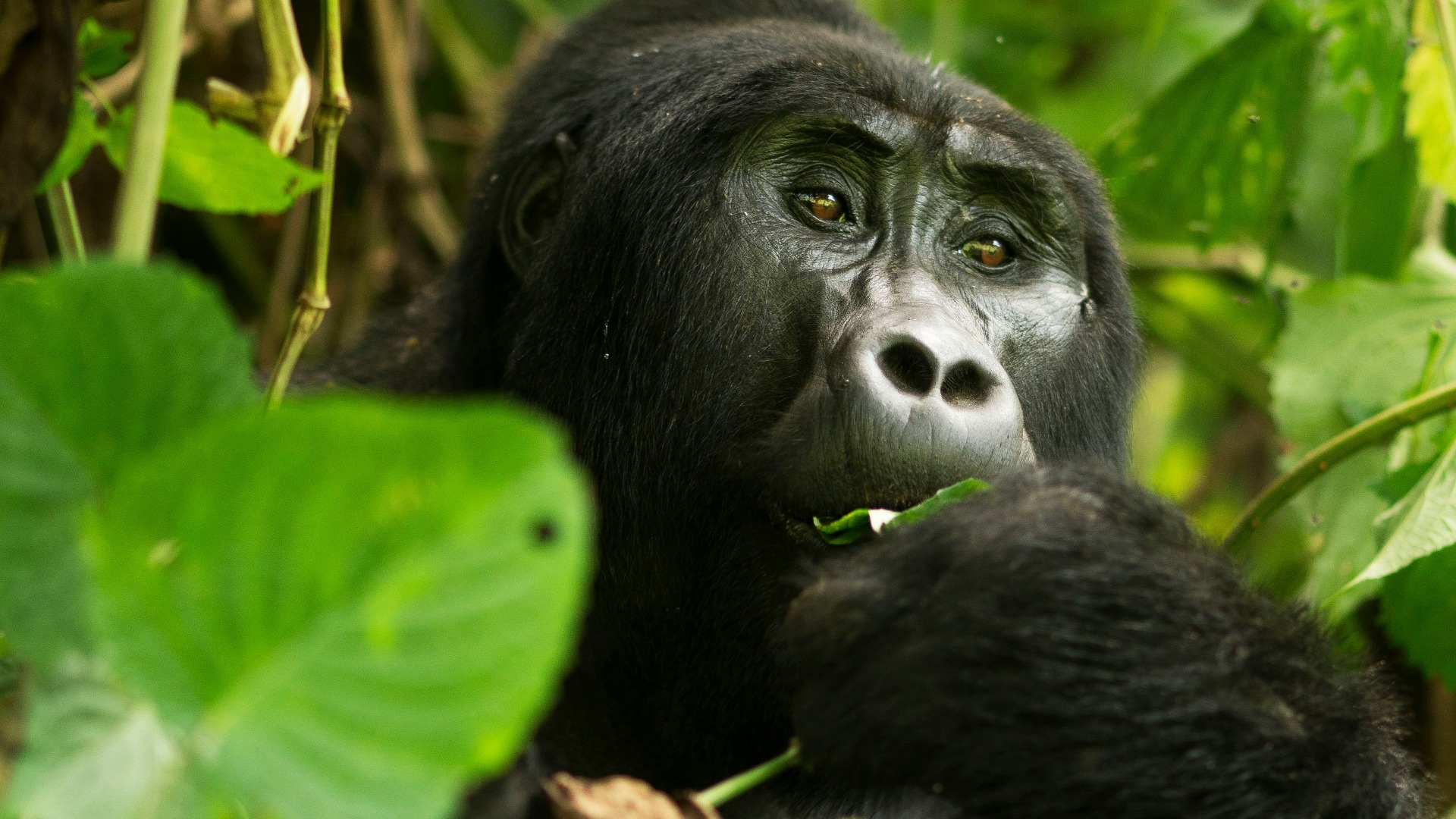
Rwanda's conservation patrols are adapting to rising climate pressures with remarkable agility. As erratic rainfall patterns and shifting habitats challenge the integrity of its national parks, dedicated teams are deploying new strategies that blend technology, community insight, and ecological restoration to safeguard endangered species. This measured evolution delivers tangible outcomes, from stabilised gorilla populations to expanding forest cover, proving that proactive adaptation can counter the effects of a changing climate.
The country now protects approximately 1,200 mountain gorillas across its Virunga massif, a figure that has grown steadily since the 1980s through sustained conservation investment. Yet climate change introduces fresh complexities: prolonged dry spells followed by intense downpours erode slopes, alter vegetation zones, and force wildlife into new territories. Rwanda's response combines strengthened anti-poaching efforts with reforestation and inclusive community programmes, creating a resilient framework that continues to yield results even as temperatures rise by an average of 0.5°C per decade in the region.
Conservation in Rwanda is no longer simply about protecting what exists; it is about anticipating what the landscape will become and preparing the ground for species to thrive within it.
The Changing Climate Landscape in Rwanda's Protected Areas
Volcanoes National Park, home to the majority of the world's remaining mountain gorillas, has recorded more frequent extreme weather events since 2015. Rainfall has become less predictable, with some months receiving less than 50mm while others exceed 400mm in sudden bursts. These shifts affect bamboo growth cycles that form a critical part of the gorillas' diet and increase the risk of landslides on steep volcanic slopes.
In Akagera National Park to the east, prolonged droughts have reduced wetland areas by nearly 15 percent over the past decade, concentrating large herbivores around shrinking water sources and heightening competition between species. Rangers note that elephants now travel further in search of forage, sometimes approaching community farmland. Such movements require constant monitoring to prevent conflict while maintaining ecological balance.
These observable changes have prompted a fundamental rethink of patrol strategies. Rather than following fixed routes established decades ago, teams now use real-time climate data to adjust their movements, focusing resources where vulnerability is greatest.
Tracking Habitat Shifts with Precision Technology
Patrol teams have integrated satellite imagery and ground-based sensors to map vegetation changes with remarkable accuracy. In 2022 alone, rangers logged over 4,800 patrol days across Rwanda's three main national parks, using mobile applications that overlay weather forecasts with historical animal movement data. This allows them to anticipate where gorillas or golden monkeys might relocate as their preferred food sources migrate upslope.
Drones equipped with thermal imaging now supplement foot patrols during periods of reduced visibility caused by heavier mists or sudden rains. These tools help identify both wildlife concentrations and potential encroachment, covering terrain that would take days to traverse on foot in a matter of hours.

By meeting the landscape on its own changing terms, Rwanda's rangers transform climate uncertainty into actionable intelligence that protects both biodiversity and human livelihoods.
How Anti-Poaching Teams Are Evolving Their Methods
Traditional foot patrols remain the backbone of protection, but they are now supported by a sophisticated network of camera traps and acoustic sensors. Over 350 camera traps operate continuously in Volcanoes National Park, transmitting images that are analysed using artificial intelligence to distinguish between authorised researchers and potential threats. This system has reduced response times to suspicious activity from an average of 14 hours to under four hours.
Teams have also expanded their intelligence-gathering efforts by working more closely with border communities. Former poachers, now employed as community scouts, provide invaluable knowledge about shifting animal pathways influenced by altered rainfall. Their insights have helped disrupt several organised snares in 2023 that targeted buffalo moving into newly accessible grazing areas after heavy rains.
The integration of these approaches has produced measurable success. Poaching incidents in Volcanoes National Park dropped by 62 percent between 2018 and 2023, even as climate pressures intensified. This decline demonstrates that adaptive methods can maintain protection standards despite environmental flux.
Community Rangers Leading Climate-Responsive Monitoring
Local residents now form nearly 70 percent of the patrol workforce in community-adjacent zones. These rangers receive specialised training in climate pattern recognition, learning to identify early signs of habitat stress such as unusual flowering times or insect outbreaks that signal broader ecological disruption.
One particularly effective initiative pairs young community members with experienced conservationists to monitor golden monkey populations, whose bamboo-dependent diet makes them especially sensitive to temperature fluctuations. The data collected informs both immediate patrol adjustments and longer-term planting strategies to ensure food availability as climates warm.
Reforestation Projects Addressing Climate Challenges
Rwanda has planted more than 35 million trees since 2008 as part of its national greening programme, with a particular focus on buffer zones around protected areas. These efforts now prioritise species that can withstand projected temperature increases of up to 2.5°C by 2050 while providing suitable habitat and food for key wildlife.
In the foothills of the Virungas, mixed native forests are replacing single-species plantations. Indigenous trees such as Hagenia abyssinica and Hypericum revolutum are being reintroduced because they offer better resilience to erratic weather and support a wider range of insects and birds that form part of the ecosystem supporting gorilla health.
These reforestation sites also serve as natural firebreaks during increasingly dry periods, protecting core park areas from the spread of wildfires that have become more frequent since 2016. The dual benefit of carbon sequestration and habitat restoration makes these projects central to Rwanda's climate adaptation strategy.
Measuring Success Through Scientific Monitoring
Independent researchers conduct annual vegetation surveys that track not only tree survival rates but also the return of understorey plants essential for smaller mammals and insects. Early data from 2023 shows that reforested areas support 28 percent more bird species than comparable degraded zones, indicating healthy ecosystem recovery.
Soil moisture sensors installed across 120 monitoring plots provide continuous data on how different planting configurations perform during extreme weather. This evidence-based approach allows conservation managers to refine techniques year by year rather than relying on assumptions about what will thrive in a changing climate.
Community Programmes Creating Shared Climate Resilience
Successful conservation in Rwanda depends on the active participation of people living near the parks. Alternative livelihood programmes have trained over 2,500 individuals in beekeeping, agroforestry, and ecotourism skills since 2015, reducing pressure on forest resources while generating sustainable income.
These initiatives now incorporate climate-smart agriculture techniques that help farmers adapt to changing rainfall patterns. By improving yields on existing land, communities have less incentive to expand into protected areas during periods of scarcity caused by drought.
Education programmes in local schools reach approximately 15,000 children annually, teaching them about the connections between healthy forests, stable climate, and prosperous communities. This long-term investment in awareness creates a new generation of conservation advocates equipped to face future environmental challenges.

When communities see direct benefits from protecting their natural heritage, conservation becomes not just a government programme but a shared way of life that endures through seasons of both abundance and stress.
What This Means for Visitors and Future Journeys
Travellers to Rwanda increasingly seek experiences that contribute meaningfully to these conservation efforts. Choosing operators that support ranger programmes or community projects ensures that visitor revenue directly bolsters adaptive strategies on the ground. Many lodges now offer opportunities to visit reforestation sites or meet with community scouts, providing deeper insight into the challenges and triumphs of modern conservation.
The evolving nature of these patrols also influences when and how visitors experience the parks. During periods of heavy rain, certain trails may close temporarily to prevent erosion, while drier periods might see wildlife concentrated in specific areas. Understanding these patterns allows for more rewarding, respectful encounters with species such as mountain gorillas in Volcanoes National Park.
Those planning a journey can explore our Rwanda safari itineraries that incorporate visits to community conservation projects alongside traditional wildlife experiences. For travellers seeking a private safari beyond our set itineraries, we would be delighted to hear from you directly. We specialise in creating beautifully tailored journeys for solo travellers, couples, families, and private groups of up to eight guests. Through our trusted network of carefully selected camps and lodges, we craft each safari around your individual interests, preferred pace, and budget, ensuring a seamless and deeply personal experience from beginning to end.
Conclusion
Rwanda's conservation patrols demonstrate that effective protection in the face of climate change requires flexibility, innovation, and genuine partnership with local communities. The measurable gains in species numbers and habitat quality offer hope that thoughtful adaptation can safeguard extraordinary biodiversity for generations to come.
As these efforts continue to evolve, they provide a compelling model for other African nations grappling with similar pressures. The combination of cutting-edge technology, traditional ecological knowledge, and community investment creates a robust defence against uncertainty.
Whether witnessing a silverback gorilla moving through mist-shrouded forest or learning about reforestation from the people who plant and tend the trees, visitors become part of this living story of resilience. Each journey reinforces the vital connection between conservation success and responsible travel.
For discerning travellers seeking a private safari beyond our set itineraries, we invite you to contact us directly. We specialise in designing exceptional, tailor-made journeys for individuals, couples, families, and private groups of up to eight guests. Drawing on our handpicked network of distinguished camps and lodges, we curate every detail with precision and care, creating a seamless, deeply personal safari experience shaped entirely around your preferences, pace, and budget.
Begin your own meaningful connection with Rwanda's remarkable conservation landscape by reaching out through our enquiry form. The rangers, communities, and wildlife of this extraordinary country await your support and appreciation.
More like this
conservation
How Safari Guides Protect Rhinos by Keeping Locations Secret
conservation
How Scimitar-Horned Oryx Are Restoring Balance to the Sahara's Degraded Grasslands
Conservation
How Sub-Zero Temperatures Challenge African Wildlife Conservation Programs
Conservation
How Tanzania's Rangers Track Elephant Movements to Strengthen Anti-Poaching Networks
Conservation
How Travelers Directly Strengthen Botswana's Anti-Poaching Networks
Conservation