conservation
How Revenue-Share Agreements Between Camps and Communities Secure Wildlife Corridors
Encounters Africa - 7 min read
Updated on 27 August 2026
Revenue-share agreements between safari camps and neighbouring communities quietly determine whether vast tracts of African land remain under wildlife rather than shifting to agriculture or livestock. These arrangements convert every visitor's stay into direct economic value for local families, creating a practical incentive to keep corridors open for elephants, lions and migratory herds. Encounters Africa is part of the Secret Namibia group and is the specialist arm for safaris beyond Namibia, covering South Africa, Botswana, Kenya, Tanzania, Rwanda, Uganda, Zambia and Zimbabwe.
From the dusty tracks of the Khwai Community Area to the forested slopes near Volcanoes National Park, these models vary in structure yet share one outcome: local residents become active partners in conservation. The sensory thrill of a private game drive gains deeper resonance when one realises the same journey helps fund schoolbooks, boreholes and veterinary services for the very communities whose land the animals traverse.

The true measure of a safari's success lies not only in the sightings logged but in the steady flow of opportunity that returns to the households living alongside the wildlife.
Understanding Lease and Revenue-Share Models
Lease agreements typically involve a safari operator paying an annual fixed rental to a community or trust for exclusive or shared use of a defined concession. Revenue-share models, by contrast, allocate a percentage of lodge turnover or bed-night income directly to the community, often with additional layers such as a conservation levy paid per guest. Both approaches tie the financial health of the camp to the health of the surrounding ecosystem.
In practice, these contracts run for renewable periods of ten to twenty-five years, providing communities with predictable income while giving operators security to invest in high-quality guiding teams and comfortable accommodations. Payments frequently occur quarterly, allowing trusts to budget for infrastructure projects rather than relying on sporadic donations.
How Funds Translate into Local Benefit
Revenue reaching community trusts commonly supports education bursaries, livestock improvement schemes and small business grants. Employment rosters at the camps themselves often stipulate that a majority of staff, from trackers to housekeeping, are drawn from neighbouring villages. This creates a multiplier effect: wages return to local shops, transport services and agricultural cooperatives.
Because the land remains under wildlife utilisation, families avoid the cycle of overgrazing and soil erosion that frequently follows settlement or farming expansion. The visible presence of healthy game populations becomes proof that the chosen land-use model delivers both ecological and economic returns.
How do community-owned safari camps work?
Community-owned safari camps operate through legal entities such as trusts or conservancies that hold title or user rights to the land. A private operator signs a lease or management agreement with the community entity, paying rent or a share of revenue in exchange for developing and running the tourism business. Day-to-day management rests with the operator while major decisions, including contract renewal and allocation of funds, involve elected community representatives. Employment quotas, training programmes and environmental monitoring clauses are written into the contract, ensuring local residents gain skills and income while the land is protected for wildlife movement.
When communities hold a genuine financial stake, wildlife ceases to be a neighbour and becomes a partner in daily survival.
Employment Opportunities Created by These Partnerships
Beyond direct lodge jobs, these models generate indirect positions in vehicle maintenance, laundry services, guiding training academies and cultural tourism ventures. Young people who once sought work in distant cities can now remain closer to home, applying newly acquired hospitality or wildlife-tracking skills within familiar landscapes.
Many camps invest in formal apprenticeship schemes where secondary-school leavers rotate through departments before specialising as chefs, field guides or camp managers. Over time, this builds a skilled workforce that strengthens both the tourism product and the community's long-term capacity to manage its own resources.
Training and Skills Transfer in Practice
Guiding certification courses, often run in partnership with national wildlife authorities, equip local men and women with recognised qualifications. Literacy and numeracy classes offered alongside lodge operations improve broader employability. Women frequently take leading roles in housekeeping, food production and craft enterprises that supply the camps with fresh produce and décor.
The result is a gradual shift in household economics. Families gain financial independence while retaining cultural connections to land that has sustained them for generations.
Protecting Wildlife Corridors Through Local Incentives
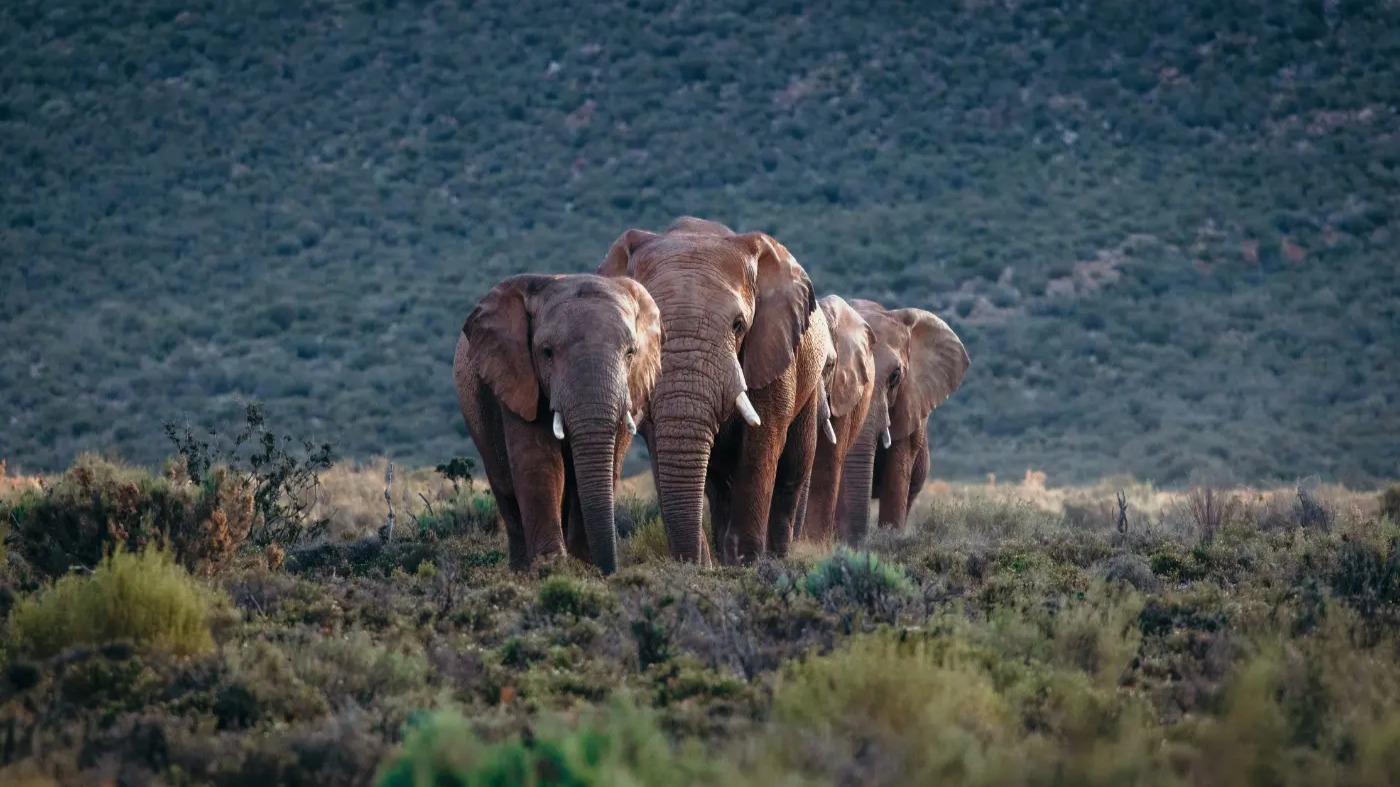
Revenue flowing from tourism makes wildlife a more valuable land use than cattle or crops across many semi-arid and forested regions. Communities that receive regular payments become vocal advocates for maintaining unfenced corridors that allow seasonal migrations between protected areas and community concessions.
In areas where elephants move between national parks and adjacent lands, this economic link reduces human-wildlife conflict. Farmers receive compensation schemes funded by tourism revenue, while children learn about wildlife value through school programmes supported by the same income streams. The land stays under conservation because the alternative has become financially unattractive.
Each bed occupied at a community-partnered camp quietly reinforces the decision to keep ancient migration routes open for the next generation of elephants and antelope.
Practical Considerations for Travellers Choosing These Camps
Selecting a camp with strong community partnerships adds a meaningful layer to any safari without compromising comfort or wildlife access. Guests often meet trust representatives during their stay, gaining first-hand insight into how their visit contributes to local development. Many properties maintain simple interpretation centres or host evening talks that explain the mechanics of their revenue-share model.
Because these concessions frequently border or connect to famous national parks, travellers enjoy the intimacy of low vehicle density alongside the possibility of witnessing animals moving freely across larger landscapes. The knowledge that nightly rates help fund anti-poaching teams and habitat restoration deepens appreciation for every dawn sighting.
What to Ask When Booking
Thoughtful questions reveal the depth of each partnership. Enquire how many community members sit on the governing trust, what percentage of lodge staff come from within a defined radius, and which recent projects the revenue has funded. Reputable operators welcome such curiosity because transparency strengthens the model.
Travellers can also request visits to nearby villages or schools when culturally appropriate, transforming a standard game drive into an exchange of stories and mutual respect.
The Long View: Sustaining Land for Wildlife
These agreements succeed when both parties view the relationship as a multi-decade commitment rather than a short-term transaction. Regular reviews allow adjustments for changing wildlife numbers, tourism markets and community priorities. Successful examples demonstrate that when local benefit is tangible and fairly distributed, the pressure to convert land for other uses diminishes markedly.
Over time, entire landscapes benefit. Corridors remain open, predator populations stabilise, and ecosystems retain the resilience needed to weather drought and climate shifts. The visiting traveller becomes an unwitting but essential participant in this delicate balance.

Planning Your Own Community-Focused Safari
Encounters Africa draws on three decades of combined experience to curate journeys that highlight these meaningful partnerships across the region. Whether exploring Masai Mara conservancies, venturing into Moremi Game Reserve community areas, or tracking gorillas near community-linked lodges in Rwanda, every itinerary can be shaped around your interests in conservation and culture.
For discerning travellers seeking a private safari beyond our set itineraries, we invite you to contact us directly. We specialise in designing exceptional, tailor-made journeys for individuals, couples, families, and private groups of up to eight guests. Drawing on our handpicked network of distinguished camps and lodges, we curate every detail with precision and care, creating a seamless, deeply personal safari experience shaped entirely around your preferences, pace, and budget.
Read guest perspectives at https://secretnamibia.com/reviews and weigh neighbouring styles in https://secretnamibia.com/safari-blog/namibia-safari-vs-botswana-safari-compared. Begin shaping your journey by completing our enquiry form today.
More like this
Conservation
How Rwanda's Conservation Patrols Are Adapting to Rising Climate Pressures
conservation
How Safari Guides Protect Rhinos by Keeping Locations Secret
conservation
How Scimitar-Horned Oryx Are Restoring Balance to the Sahara's Degraded Grasslands
Conservation
How Sub-Zero Temperatures Challenge African Wildlife Conservation Programs
Conservation
How Tanzania's Rangers Track Elephant Movements to Strengthen Anti-Poaching Networks

Conservation