conservation
How Safari Guides Protect Rhinos by Keeping Locations Secret
Encounters Africa - 7 min read
Updated on 31 August 2026
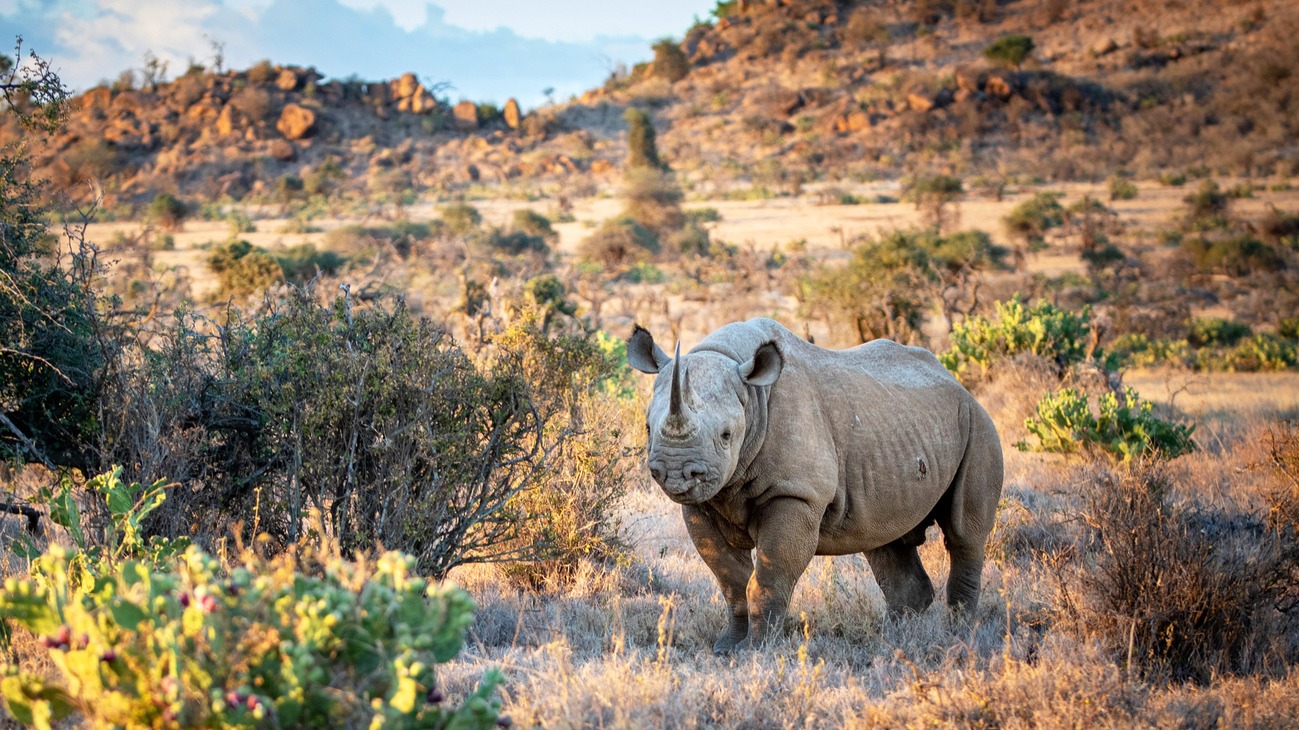
Rhino on safari carries a particular weight for anyone who has watched one emerge from thicket, its prehistoric bulk moving with surprising quiet through the grass. Yet today that thrill is tempered by a sobering reality: every sighting risks becoming a breadcrumb for poachers if shared unwisely. Safari guides therefore follow strict protocols around rhino locations, and many reserves now practise dehorning as a deliberate deterrent. These quiet measures form part of a broader effort to keep Africa's remaining rhinos breathing.
Encounters Africa is the specialist arm for safaris beyond Namibia, covering South Africa, Botswana, Kenya, Tanzania, Rwanda, Uganda, Zambia and Zimbabwe. Cape Town-based with three decades of combined experience, we book directly with camps and lodges, tailoring journeys for individuals, couples, families and private groups of up to eight using our 81 published itineraries that can all be reshaped. This article examines how these protective strategies work in practice and how responsible travellers can help rather than hinder them.
The Daily Calculus of Rhino Protection on Safari
Guides and trackers spend years learning to read the bush. When they locate a rhino, their first instinct is often silence. They may swing the vehicle away after a respectful few minutes, deliberately avoiding radio chatter that could be intercepted. In many private reserves the precise coordinates of rhino sightings are logged only in secure control rooms, never broadcast across open channels.
This restraint stems from hard-won experience. Poaching networks have become sophisticated, sometimes monitoring social media in real time or listening to unencrypted lodge frequencies. One careless photograph with visible landmarks or a geotagged Instagram post can translate into a precise location within hours. The result is a culture of deliberate vagueness that feels at odds with the desire to celebrate an encounter, yet has become essential for survival.
The rhino you see today may owe its life to the fact that nobody else knows exactly where it is.
Why Safari Guides Ask You Not to Share Rhino Sighting Locations
Safari guides ask guests not to share rhino sighting locations because even seemingly innocent details can be pieced together by poachers who actively monitor public posts, tourism apps and social media. Precise coordinates, background hills, distinctive trees or even the time of day can allow criminals to narrow a search area dramatically within a single night. Many reserves have seen direct links between geotagged images and subsequent poaching incidents, which is why guides request that travellers describe encounters without revealing where or when they occurred.
Dehorning: A Necessary but Imperfect Shield
In several well-managed reserves across South Africa and parts of Kenya, conservation teams sedate rhinos every 18 to 24 months to remove their horns. The procedure is performed by qualified veterinarians under strict protocols, with the animals monitored until they recover fully. The harvested horn is incinerated or securely stored rather than sold.
Dehorning is not a cure-all. Horns regrow, albeit slowly, and the process carries its own stresses for the animal. Yet in areas where poaching pressure is intense, data shows it significantly reduces the incentive for poachers who target rhinos primarily for their horns. When combined with rapid-response anti-poaching units and community education programmes, it has helped stabilise certain populations.
A rhino without a horn is far less likely to be killed for one.
How Travellers Inadvertently Increase Risk
Modern smartphones have made sharing effortless, yet that ease can carry unintended consequences. A single post captioned "rhino at the waterhole this morning" may include metadata that reveals exact GPS coordinates. Even without geotagging, background features visible in photographs have been used by poachers to identify locations through reverse-image searches or local knowledge.
Some travellers also share detailed daily reports on public forums while still on safari, effectively creating a live map of rhino movements. Experienced operators therefore ask guests to wait until after departure before posting images, and to avoid naming specific reserves or camps in the caption. These small adjustments can make a measurable difference to ground-level security.
Recognising the Signs of Responsible Practice
Not every camp handles rhino sightings with the same rigour. Look for properties that brief guests on information protocols before the first game drive and that maintain radio discipline in the field. Many of the finest operators also invest visibly in anti-poaching teams, tracker dogs and helicopter support, costs that are often covered through higher nightly rates and conservation levies.
When choosing where to stay, consider lodges such as Malewane Lodge or those within well-patrolled private concessions where rhino protection is woven into daily operations. These places tend to foster a deeper understanding of the trade-offs required to keep these animals alive.
Practical Ways Travellers Can Support Rhino Conservation
Responsible safari-goers can contribute meaningfully without compromising safety. The most immediate step is to respect requests not to geotag or publicly detail rhino sightings. Instead, focus on the emotion of the encounter, the texture of the animal's skin, the way dust caught the light. Such posts still celebrate the experience while protecting the subject.
Choose operators and camps that demonstrate tangible commitment to anti-poaching. Many contribute directly to rhino monitoring programmes, fund dehorning operations, or support local community projects that reduce the economic drivers of poaching. Asking questions about these initiatives before booking helps direct resources toward the most effective programmes.
Every informed choice made by travellers quietly strengthens the web of protection around Africa's rhinos.
Understanding the Bigger Picture of Rhino Survival
Rhino numbers in Africa have fluctuated dramatically over the past century. Intensive protection in certain private reserves has seen white rhino populations recover locally, while black rhino numbers remain more precarious. Success stories exist, yet they depend on constant vigilance, adequate funding and cooperation between private operators, national parks and law enforcement.
By participating in a safari with Encounters Africa, travellers become part of this effort. The company is part of the Secret Namibia group and acts as its specialist arm for safaris beyond Namibia. Through carefully selected partnerships with camps and reserves that prioritise long-term conservation, each journey helps sustain the habitats and security measures these magnificent animals require.
Compare different safari styles in our article exploring Namibia safari versus South Africa safari, and read authentic guest perspectives at Secret Namibia reviews. For those seeking a private safari beyond our set itineraries, we would be delighted to hear from you directly. We specialise in creating beautifully tailored journeys for solo travellers, couples, families, and private groups of up to eight guests. Through our trusted network of carefully selected camps and lodges, we craft each safari around your individual interests, preferred pace, and budget, ensuring a seamless and deeply personal experience from beginning to end.
Conclusion
The rhino standing before you on a quiet morning drive represents far more than a tick on a checklist. It is a survivor of centuries of pressure, now dependent on human discretion as much as its own formidable presence. By understanding why guides guard locations so carefully and by adjusting our own behaviour, we become genuine participants in their protection rather than unwitting threats.
Encounters Africa exists to connect discerning travellers with experiences that matter. Whether you hope to see rhino in the wild or simply wish to travel in ways that support their future, we can shape a journey that aligns with both your dreams and the realities of effective conservation. Visit our enquiry form and allow us to design something exceptional for you.
More like this
conservation
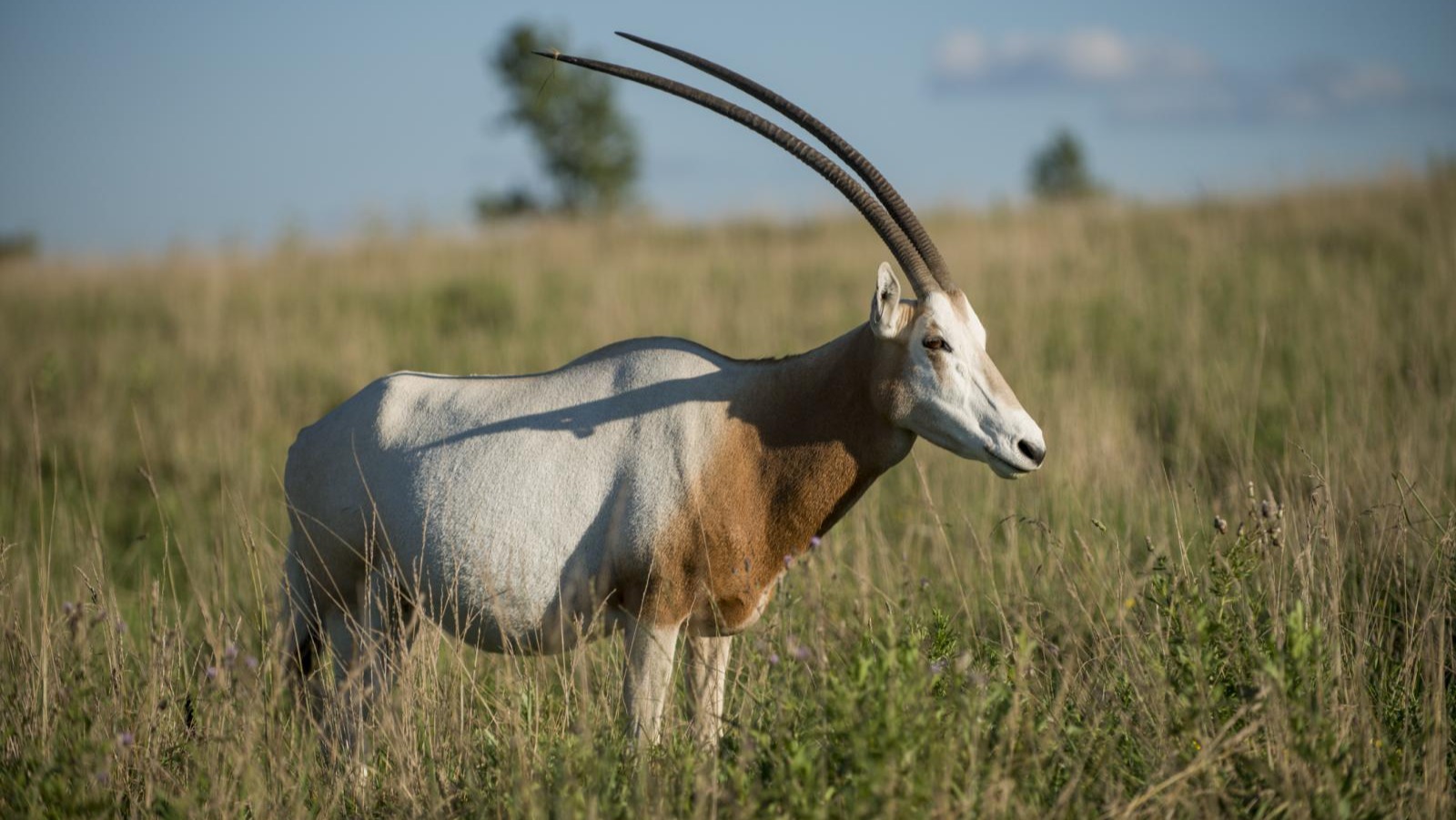
How Scimitar-Horned Oryx Are Restoring Balance to the Sahara's Degraded Grasslands
Conservation
How Sub-Zero Temperatures Challenge African Wildlife Conservation Programs
Conservation
How Tanzania's Rangers Track Elephant Movements to Strengthen Anti-Poaching Networks
Conservation
How Travelers Directly Strengthen Botswana's Anti-Poaching Networks
Conservation
How Uganda's Community Rangers Reversed Poaching Declines in Bwindi
Conservation