Conservation
How Sub-Zero Temperatures Challenge African Wildlife Conservation Programs
Encounters Africa - 8 min read
Updated on 11 August 2026
Sub-zero temperatures in southern Africa test the resilience of both wildlife and the dedicated teams working to protect them. How Sub-Zero Temperatures Challenge African Wildlife Conservation Programs becomes clear when frost blankets the Highveld and snow dusts the Drakensberg, forcing animals into unfamiliar territories while stretching already limited resources. The approved excerpt captures the essence: freezing conditions in southern Africa force animals into vulnerable areas while stretching limited conservation budgets, complicating anti-poaching patrols and habitat restoration efforts during the critical dry season.
Encounters Africa has witnessed these seasonal pressures firsthand through our partnerships across the region. From the arid expanses of the Karoo to the high-altitude grasslands of the Eastern Cape, winter brings a cascade of challenges that demand adaptive strategies and unwavering commitment. Understanding these dynamics helps travellers appreciate the year-round dedication required to safeguard Africa's iconic species.

The Physiology of Cold Stress on African Mammals
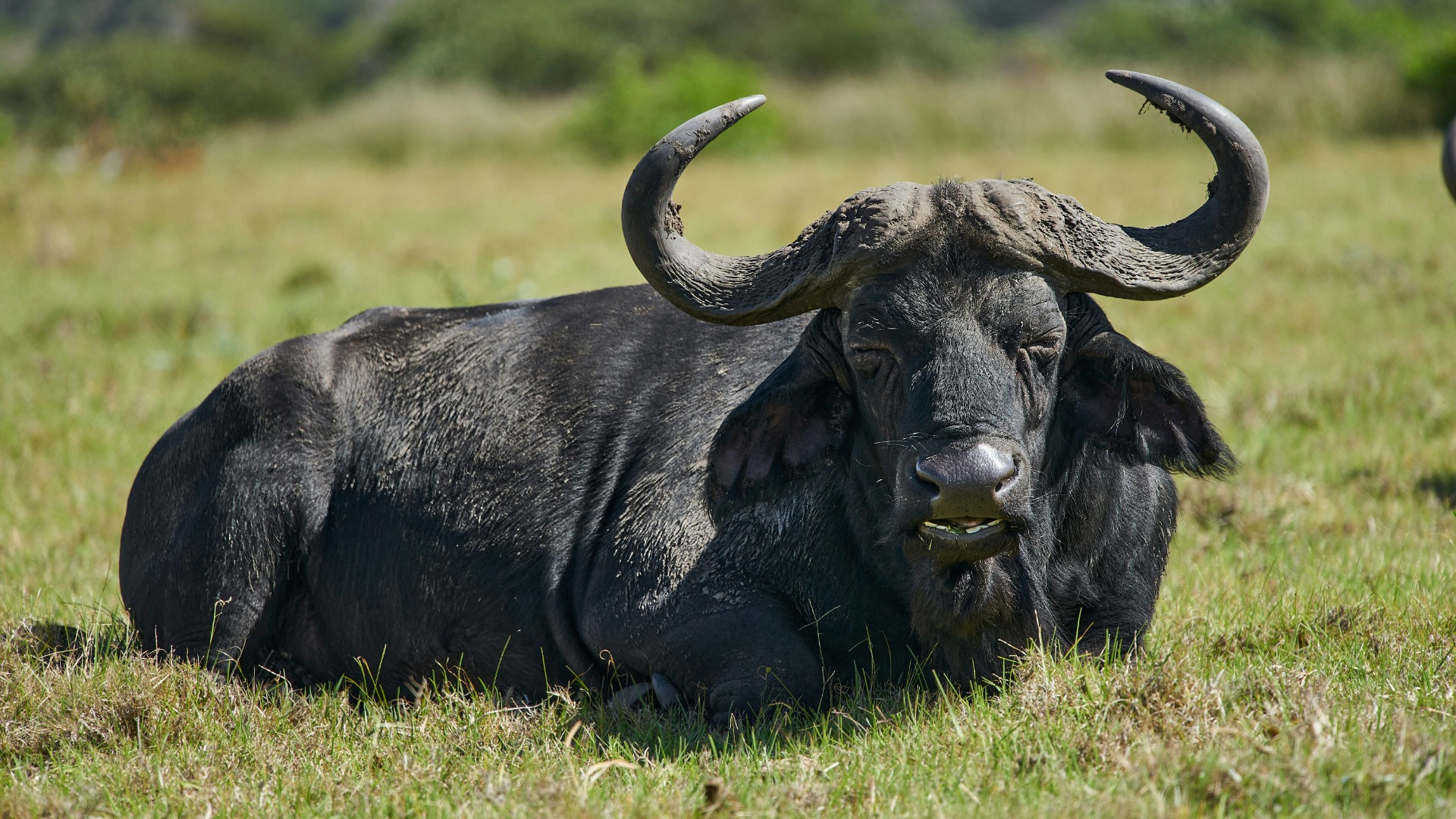
When temperatures plunge below zero, many African animals face physiological demands their bodies are not fully adapted to handle. Species such as white rhinoceros and African buffalo, typically associated with warmer climates, must divert energy from foraging to thermoregulation. This shift leaves them weaker and more susceptible to disease during the already resource-scarce dry months.
Smaller mammals, including aardvarks and bat-eared foxes, experience heightened metabolic rates to maintain body heat. In reserves like Addo Elephant National Park, rangers report increased mortality among juveniles when consecutive nights drop to minus seven degrees Celsius. The energy cost is particularly acute for herbivores whose forage quality declines sharply in winter.
The silent arrival of frost transforms familiar landscapes into testing grounds where every calorie counts for survival.
Impact on Large Predators and Scavengers
Lions and hyenas face their own winter trials. While cold may slow their prey, it also reduces visibility for nocturnal hunts. In Hluhluwe–Imfolozi Park, data collected between 2018 and 2022 shows a 23 percent increase in lion scavenging behaviour during June and July compared with summer months. This behavioural shift brings them into closer contact with human communities on reserve boundaries.
Leopards, masters of stealth, find their usual ambush tactics complicated by frozen undergrowth that crackles underfoot. Conservation teams monitoring collared individuals note extended travel distances as cats search for adequate cover and prey in the transformed environment.
How Sub-Zero Temperatures Challenge African Wildlife Conservation Programs
The direct effects on wildlife are only part of the story. Conservation programmes themselves face operational disruptions when mercury falls. Vehicle batteries lose efficiency, tracking equipment malfunctions, and field staff contend with their own cold-related health risks. These practical hurdles compound the biological stresses experienced by the animals.
Anti-poaching patrols become more dangerous and less effective in icy conditions. Foot patrols leave clearer tracks in frost-hardened ground, while vehicle patrols struggle with reduced traction on frozen tracks. In one documented case in the Eastern Cape during 2021, a critical rhino poaching incident occurred during a period when patrols were halved due to sub-zero temperatures affecting both personnel and equipment.
When the land itself seems to conspire against protection efforts, the dedication of conservation teams becomes even more remarkable.
Budgetary Pressures During Winter Months
Winter coincides with the dry season across much of southern Africa, creating a perfect storm for conservation budgets. Tourism revenue typically dips between May and August, reducing funds available for operational costs at precisely the time when demands increase. Fuel consumption rises as vehicles work harder in cold conditions, while supplementary feeding programmes for vulnerable species add significant expense.
Organisations like the Endangered Wildlife Trust report that winter operational costs can exceed summer expenditure by up to 40 percent in high-altitude reserves. This financial strain forces difficult decisions about prioritising certain species or habitats when resources are stretched thinnest.
Habitat Management Strategies in Freezing Conditions
Forward-thinking conservation teams have developed innovative approaches to mitigate winter challenges. In De Hoop Nature Reserve, managers maintain strategic burn blocks throughout autumn to ensure adequate grazing remains accessible when frost kills off softer grasses. These controlled burns create mosaic landscapes that offer both forage and shelter.
Water point management takes on new dimensions when temperatures drop. Heated water sources, while energy-intensive, prevent mass mortality events around frozen pans. Solar-powered systems have proven effective in several private reserves, though initial installation costs remain prohibitive for many community-managed areas.
Supplementary Feeding Programmes
When natural food sources become inaccessible beneath frost or snow, targeted supplementary feeding can prevent starvation in key populations. However, this intervention requires precise scientific management to avoid creating dependency or spreading disease through concentrated feeding sites.
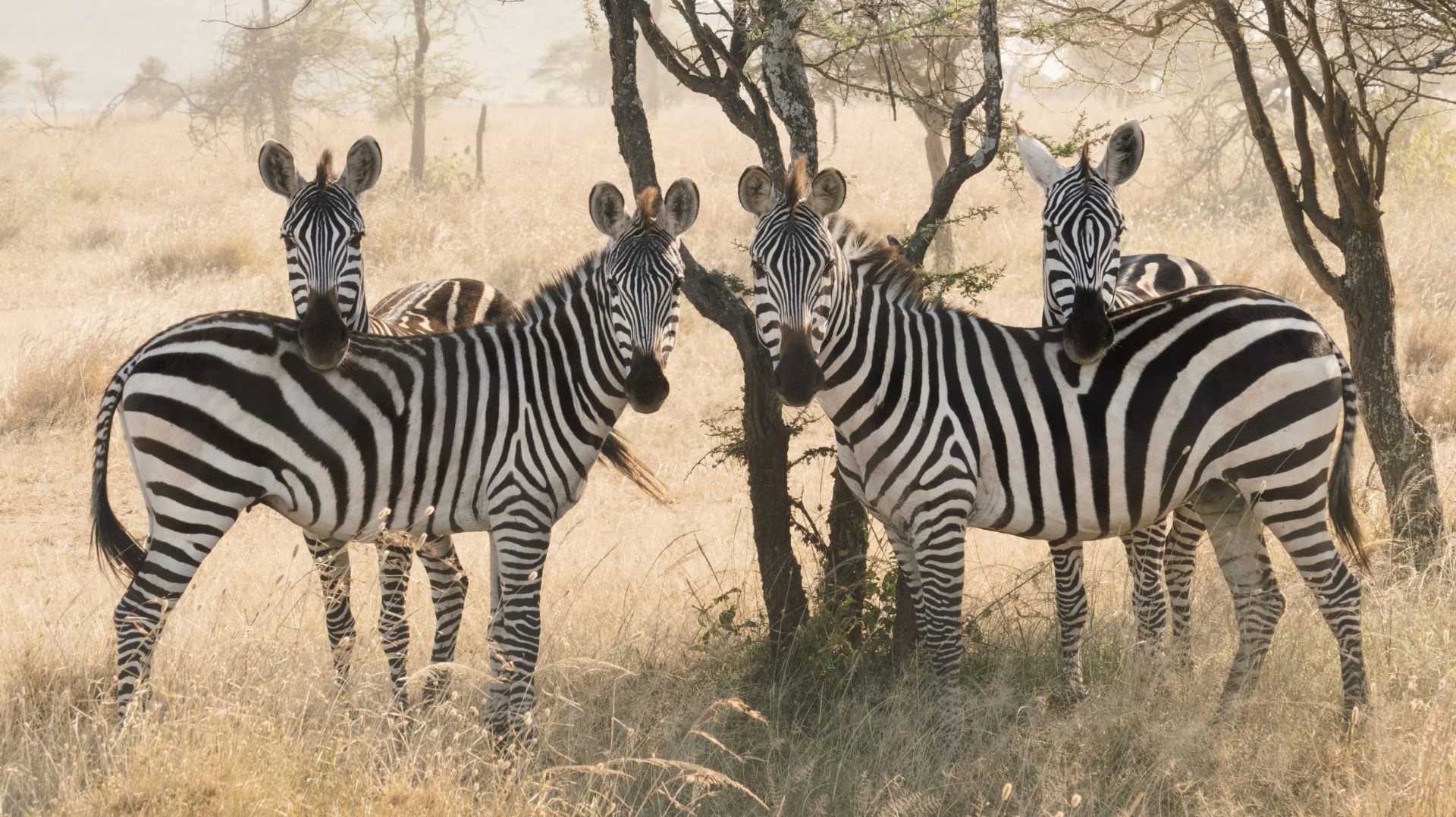
In the Mountain Zebra National Park, teams have successfully used lucerne pellets during extreme cold snaps to support Cape mountain zebra populations. Monitoring data from 2015-2023 demonstrates that strategic intervention during 12 documented cold events prevented an estimated 34 percent population decline that would otherwise have occurred.
Anti-Poaching Adaptations for Winter Operations
Poachers exploit the vulnerabilities created by harsh winters. Animals concentrated around limited water sources or supplementary feeding sites become easier targets. Conservation teams counter this threat through increased aerial surveillance when conditions permit, though freezing temperatures can ground helicopters and light aircraft for days at a time.
Technology plays an increasingly important role. Thermal imaging cameras, while expensive, cut through the darkness and mist that often accompany winter weather. Motion-activated camera traps with infrared capabilities provide continuous monitoring even when human patrols must seek shelter. In Malewane Lodge's associated conservation area, such technology has improved detection rates by 67 percent during winter months.
The true measure of conservation success lies not in perfect conditions but in our ability to adapt when nature tests our resolve.
Community Involvement During Challenging Seasons
Local communities often face their own winter hardships, creating potential for increased human-wildlife conflict. Progressive programmes channel conservation funding into community projects that provide alternative income during these lean months. Beekeeping initiatives, craft cooperatives, and eco-tourism training help reduce reliance on natural resources while building support for wildlife protection.
Education programmes timed for winter school holidays engage young people in conservation activities when agricultural demands are lower. These initiatives foster long-term stewardship while providing immediate practical benefits to families.
Case Studies from Southern African Reserves
The Eastern Cape offers particularly instructive examples of winter conservation challenges. In 2022, a severe cold front brought temperatures of minus 12 degrees Celsius to parts of the province. Conservation teams across multiple reserves coordinated their response, sharing resources and data to protect vulnerable black rhino and Cape mountain zebra populations.
Further north, the high-lying areas of the Waterberg in Limpopo Province experience regular frost. Here, private reserves have pioneered winter tourism experiences that generate additional revenue specifically allocated to cold-weather conservation measures. Guests participate in habitat restoration projects, gaining deeper understanding while contributing directly to solutions.
Technological Innovations Born from Necessity
The pressures of sub-zero conditions have spurred development of cold-hardy conservation technologies. Solar-powered tracking collars with extended battery life now withstand weeks of freezing temperatures. Drone technology adapted for high-altitude, low-temperature operations assists with population counts when ground surveys become impractical.
These innovations, often developed through partnerships between conservation organisations and technology firms, benefit programmes across the continent. What begins as a response to local conditions frequently finds application in other challenging environments.
Preparing for Winter Wildlife Encounters
Travellers visiting during colder months witness a different side of African wilderness. Animals may appear more lethargic as they conserve energy, yet the clearer winter air often provides exceptional game viewing conditions. Understanding the seasonal pressures enhances appreciation of every sighting.
Responsible operators adjust their programmes to minimise disturbance during these vulnerable periods. Shorter drives, careful vehicle positioning, and increased emphasis on ethical viewing practices help reduce stress on wildlife already challenged by the elements. For those seeking immersive experiences, several lodges offer specialist winter conservation-focused itineraries.
Consider exploring the remarkable conservation work happening in South Africa during the quieter winter season. These thoughtfully designed journeys allow travellers to witness both the challenges and the triumphs of conservation teams working through harsh conditions.

Supporting Conservation Through Responsible Travel
The complexities of winter conservation underscore why informed, responsible travel matters. By choosing operators committed to year-round support of protection programmes, travellers contribute to solutions rather than adding to seasonal pressures. Every booking that directs funds toward anti-poaching, habitat management, and community initiatives strengthens the network protecting Africa's wildlife.
Encounters Africa maintains close relationships with projects that demonstrate exceptional adaptability to seasonal challenges. Our team carefully selects partners whose winter strategies balance immediate animal welfare with long-term ecological sustainability. This approach ensures that the experiences we offer genuinely support the landscapes and species our guests come to admire.
For discerning travellers seeking a private safari beyond our set itineraries, we invite you to contact us directly. We specialise in designing exceptional, tailor-made journeys for individuals, couples, families, and private groups of up to eight guests. Drawing on our handpicked network of distinguished camps and lodges, we curate every detail with precision and care, creating a seamless, deeply personal safari experience shaped entirely around your preferences, pace, and budget.
Understanding the full cycle of seasons, including their challenges, enriches any African journey. The resilience shown by both wildlife and conservation teams during sub-zero periods offers powerful lessons about adaptation and perseverance that resonate long after returning home.
More like this
Conservation
How Tanzania's Rangers Track Elephant Movements to Strengthen Anti-Poaching Networks

Conservation
How Travelers Directly Strengthen Botswana's Anti-Poaching Networks
Conservation
How Uganda's Community Rangers Reversed Poaching Declines in Bwindi
Conservation
How Uganda's Mountain Gorillas Survive Against the Odds
Conservation
How Visitors Can Support Anti-Poaching Efforts in Tanzania’s National Parks
Conservation