News
Inside the Struggle to Protect South African Animals from Climate Shifts
Encounters Africa - 12 min read
Updated on 22 June 2026
Recent shifts in climate patterns are reshaping habitats across South Africa, directly affecting the movements and survival of its iconic south african animals. Drought patterns and shifting rainfall are altering migration routes for wildlife in south africa in the Kalahari and Limpopo regions, forcing conservationists to rethink long-established protection methods. Our latest analysis at Encounters Africa examines how dedicated teams are adapting their strategies to safeguard species like cheetahs, giraffes and endangered vultures amid these unpredictable changes.
This news on wildlife in south africa highlights both the challenges and the innovative responses emerging from the field. With average temperatures in the northern provinces rising by 1.5 degrees Celsius since the 1960s and rainfall becoming 20 percent more erratic, the pressure on ecosystems is mounting. Yet through careful observation and adaptive management, there are signs that targeted interventions can help maintain balance for the diverse creatures that define the African landscape.
The rhythm of the bush is changing, and those who listen closely are learning new ways to protect what remains.
The Changing Climate Landscape Affecting South African Wildlife
Across the vast savannas and arid zones of South Africa, long-term weather data reveals a clear trend towards greater variability. The Kalahari region, once predictable in its wet and dry cycles, now experiences extended periods without rain that stretch beyond historical norms. In Limpopo, seasonal rivers that once guided animal movements have begun to run dry earlier each year, disrupting established patterns for countless species.
These alterations are not abstract. Researchers from the South African National Biodiversity Institute have documented how certain water-dependent trees are flowering two weeks later than they did in the 1990s. This seemingly small shift cascades through the food web, affecting everything from insect populations to the larger mammals that rely on them. For wildlife in south africa, these changes represent a fundamental rewrite of the environmental rules they have evolved alongside for millennia.
Private reserves and national parks are recording earlier leaf fall in mopane woodlands, reducing available browse for elephants and giraffes during critical periods. Meanwhile, increased frequency of extreme heat days above 40 degrees Celsius is placing additional stress on species already operating at the edge of their physiological limits. The implications for south african animals extend far beyond simple discomfort, touching on reproduction rates, juvenile survival and long-term population viability.
Documented Temperature and Rainfall Shifts
Since comprehensive records began in the early 1960s, mean annual temperatures in the Kruger to Canyons Biosphere region have increased by approximately 1.2 degrees Celsius. Rainfall patterns have become notably more erratic, with some years receiving less than 60 percent of average precipitation while others bring sudden deluges that cause flash flooding. These swings create difficult conditions for both wildlife and the conservation teams monitoring them.
Data collected between 2015 and 2023 shows that the onset of the wet season in the northern provinces has shifted later by an average of nine days. This delay directly impacts the timing of grass growth, which in turn affects the movements of migratory herds and their predators. Understanding these precise measurements helps explain why traditional game viewing routes sometimes yield fewer sightings than in previous decades.
When the rains fail to arrive on cue, the entire orchestra of the wilderness must find a new conductor.
How Drought Is Reshaping Migration Routes for South African Animals
In the arid expanses of the Kalahari, blue wildebeest and gemsbok have traditionally followed ancient pathways between seasonal water sources. Recent tracking studies using GPS collars reveal that these routes are being abandoned in favour of new, often riskier paths that lead to areas with more reliable but less nutritious forage. This adaptation comes at a cost, with increased energy expenditure and exposure to human-wildlife conflict zones.
Further east in the Limpopo Valley, elephant family groups that once moved predictably between the Kruger National Park and neighbouring private reserves are now making unexpected detours. Some herds have begun visiting agricultural areas more frequently, leading to increased conflict with farmers. Conservation managers report that 23 percent more human-elephant incidents were recorded in 2022 compared to the five-year average, largely attributed to altered resource distribution caused by irregular rainfall.
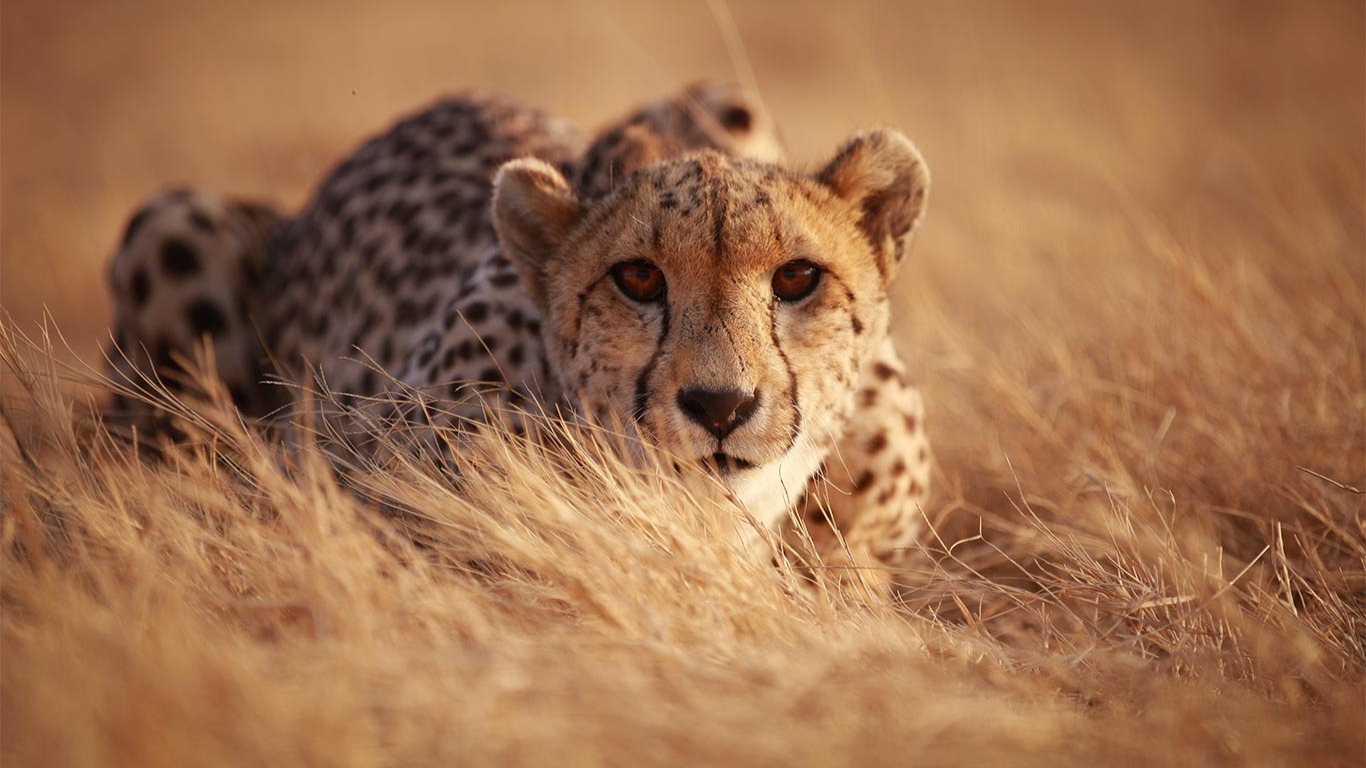
These changing patterns present particular difficulties for predators. Cheetahs, already among the most vulnerable of south african animals due to their specialised hunting techniques, find it harder to locate prey when traditional migration corridors shift. Their high metabolic demands mean even small disruptions to food availability can have serious consequences for breeding success and cub survival rates.
Case Studies from the Kalahari and Limpopo Regions
In the Kgalagadi Transfrontier Park, which spans South Africa and Botswana, researchers have observed a 35 percent reduction in springbok numbers during drought years since 2018. The remaining animals cluster tightly around remaining water points, making them easier targets for predators but also increasing the spread of disease. This concentration effect alters the entire predator-prey dynamic in ways that scientists are still working to fully understand.
Meanwhile, in the Mapungubwe area of Limpopo, baobab trees that serve as important landmarks and food sources for elephants are showing signs of stress. Some of the oldest specimens, estimated to be over 1,000 years old, have begun losing limbs at accelerated rates. Their decline removes critical resources for numerous species, from insects to the majestic Malewane Lodge area's giraffe populations that browse on their leaves during drier months.
Conservation Strategies Adapting to Climate Challenges
Forward-thinking reserves are moving beyond traditional boundaries to create climate corridors that allow animals greater freedom to follow shifting resources. These initiatives involve careful negotiations with neighbouring landowners and communities, creating connected landscapes that span thousands of hectares. Such approaches represent a significant evolution in how wildlife in south africa is managed in the face of environmental change.
Technology is playing an increasingly important role in these efforts. Satellite collars with real-time data transmission allow managers to monitor animal movements and environmental conditions simultaneously. When combined with sophisticated weather forecasting models, this information helps predict where animals are likely to concentrate and enables preemptive measures to reduce conflict or provide supplementary resources where appropriate.
Habitat restoration projects focused on drought-resistant vegetation are gaining momentum. Teams are planting indigenous species known to thrive under warmer, drier conditions while removing invasive plants that consume excessive water. These efforts aim to create more resilient ecosystems capable of supporting diverse wildlife even as climatic conditions continue to evolve.
Innovative Water Management Approaches
Rather than simply drilling more boreholes, which can lower water tables and create dependency, some reserves are experimenting with clever water retention techniques. These include the construction of small, strategically placed weirs that capture and slowly release rainwater, mimicking natural pans that have disappeared due to changing weather patterns. Such methods support natural behaviours while avoiding the creation of artificial concentrations that can spread disease.
In certain private concessions, artificial water points are now fitted with solar-powered pumps that operate only during specific times, encouraging animals to move between different areas rather than remaining stationary. This approach helps prevent overgrazing around permanent water sources and maintains more natural movement patterns even during challenging dry periods.
True conservation in an era of climate uncertainty requires us to work with nature's new rhythms rather than against them.
The Particular Vulnerability of Cheetahs, Giraffes and Vultures
Among the species feeling the effects of climate shifts most acutely are cheetahs, whose slender build and specialised hunting style leave little margin for error when prey becomes scarce. A 2022 study found that cheetah cub mortality in the Limpopo region increased by 28 percent during prolonged drought periods, largely due to weakened mothers producing less milk and increased competition from other predators around limited resources.
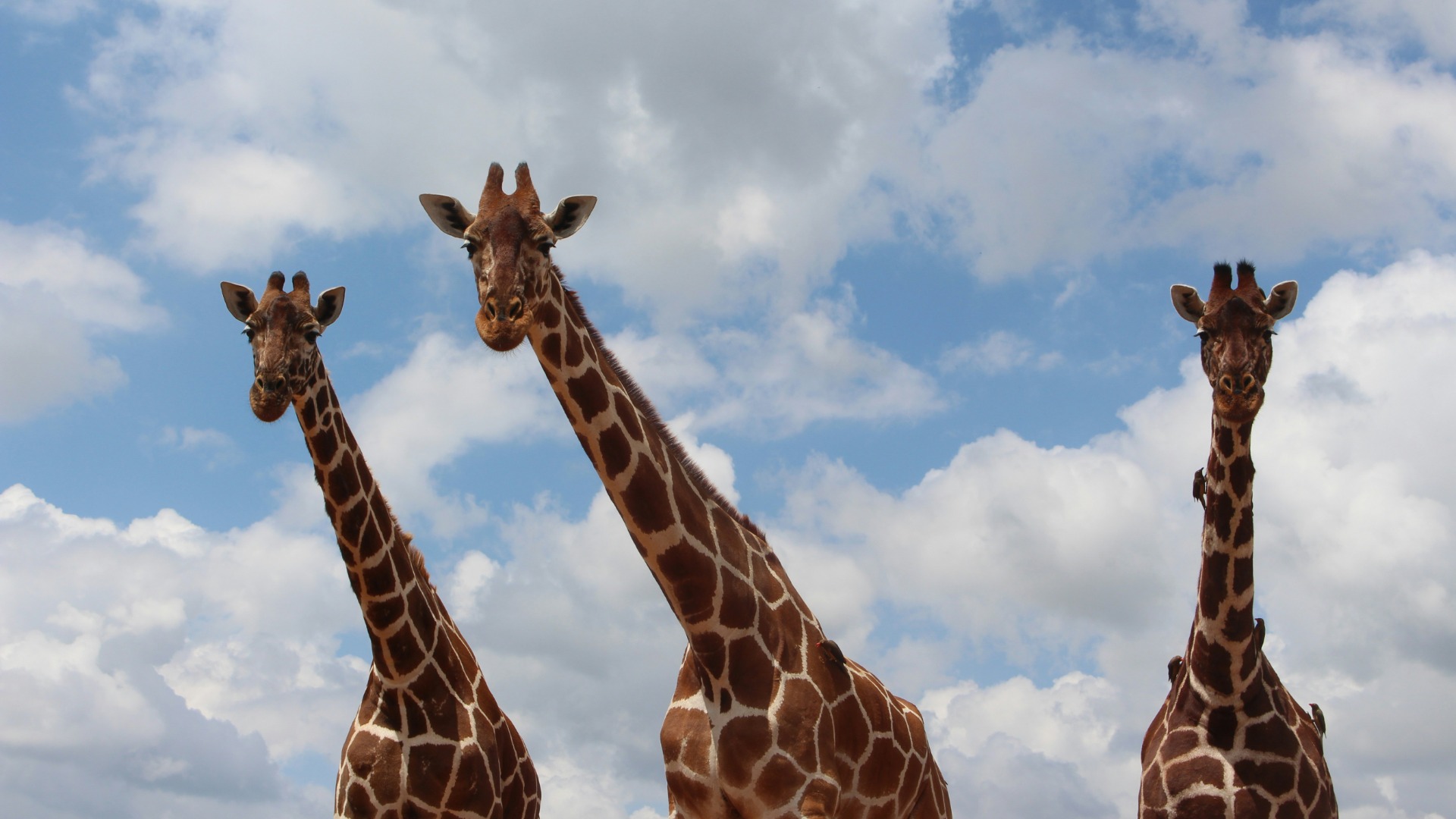
Giraffes face their own set of challenges as preferred browsing trees become less nutritious or simply unavailable during extended dry spells. Their great height, once such an advantage in locating food, now sometimes works against them as they must travel further between viable feeding areas. Conservation teams have noted increased road mortality as these tall south african animals cross highways in search of sustenance.
Endangered vultures, the essential cleaners of the African landscape, are suffering from both direct and indirect effects of climate change. Higher temperatures affect the thermals they rely on for soaring flight, while changes in rainfall influence carcass availability and the prevalence of certain diseases. Some breeding colonies have shown a 40 percent decline in successful fledging rates over the past decade, raising serious concerns about their long-term future.
Targeted Protection Measures for At-Risk Species
For cheetahs, several reserves have implemented supplementary feeding programmes during the most challenging periods, using carcasses from natural mortalities rather than introducing new animals to the system. This approach helps maintain body condition without creating dependency or altering natural hunting behaviours over the long term.
Vulture conservation efforts include the establishment of safe feeding sites where carcasses are tested for harmful substances before being made available. These vulture restaurants, as they are known, have proven effective at boosting local populations while simultaneously providing valuable data collection opportunities for researchers monitoring toxin levels and breeding success.

Community Involvement in Climate-Adaptive Conservation
Successful long-term protection of south african animals cannot happen without the active participation of local communities. Many reserves now employ residents as environmental monitors, providing both valuable local knowledge and much-needed employment opportunities. These community members often prove particularly adept at spotting subtle changes in animal behaviour that might signal emerging problems related to climate stress.
Educational programmes in surrounding villages focus on the connections between healthy ecosystems and human wellbeing. When communities understand how the survival of wildlife in south africa directly affects their own access to resources like clean water and medicinal plants, they become powerful advocates for conservation. This shift in perspective has led to remarkable decreases in illegal activities such as snare placement and charcoal production in several key areas.
Some initiatives have taken this partnership further by developing wildlife-based enterprises that provide direct financial benefits to local people. These range from craft cooperatives using sustainably sourced materials to guiding services that employ young people from nearby communities, creating a tangible link between thriving wildlife populations and improved livelihoods.
Measuring Success Through Collaborative Efforts
Joint monitoring programmes between conservation organisations and community groups have produced impressive results. In one Limpopo conservancy, camera trap data collected by local rangers showed a 17 percent increase in small mammal diversity between 2019 and 2023, suggesting that habitat restoration efforts are beginning to yield positive outcomes even under challenging climatic conditions.
These collaborative models offer valuable lessons for other regions facing similar pressures. By combining scientific expertise with indigenous knowledge and community investment, they create more robust and adaptable conservation frameworks capable of responding to the uncertainties of a changing climate.
What This News on Wildlife in South Africa Means for Future Journeys
For those planning a safari, understanding these climate dynamics adds another dimension to the experience. Knowledgeable guides can explain not just what animals visitors are seeing, but why they might be in unexpected locations or displaying particular behaviours. This deeper context transforms a standard game drive into a fascinating lesson in adaptation and resilience.
The most responsible operators now incorporate climate awareness into their guiding protocols and guest education programmes. Rather than presenting an idealised version of unchanging wilderness, they share the complex realities of conservation in the 21st century. This honesty creates more meaningful connections between travellers and the landscapes they visit.
Visitors to South Africa during the shoulder seasons may actually witness some of the most interesting wildlife adaptations. The transitional periods between wet and dry often reveal the greatest ingenuity as animals employ their full range of survival strategies. These times can offer particularly rewarding sightings for those prepared to embrace a more flexible approach to their itinerary.
Each journey into the African bush now carries the privilege of witnessing not just magnificent animals, but the living story of their struggle to persist in a world that is changing around them.
Looking Ahead: Hope and Determination in Conservation
While the challenges posed by climate change to south african animals are substantial, the response from the conservation community demonstrates remarkable creativity and dedication. From technological innovations to community partnerships and landscape-scale thinking, the approaches being developed today may well determine the future of wildlife in south africa for generations to come.
The situation calls for both urgency and measured optimism. Certain populations have shown encouraging adaptability, suggesting that with appropriate support, many species can navigate these environmental shifts. The key lies in maintaining sufficient habitat connectivity and reducing additional pressures such as poaching and human-wildlife conflict.
For discerning travellers seeking a private safari beyond our set itineraries, we invite you to contact us directly. We specialise in designing exceptional, tailor-made journeys for individuals, couples, families, and private groups of up to eight guests. Drawing on our handpicked network of distinguished camps and lodges, we curate every detail with precision and care, creating a seamless, deeply personal safari experience shaped entirely around your preferences, pace, and budget.
By choosing to travel with Encounters Africa, you become part of the solution. Revenue from responsible tourism helps fund the very conservation initiatives discussed here, while your presence demonstrates the global value placed on protecting these extraordinary landscapes and their inhabitants. Together, through informed appreciation and support, we can help ensure that future generations continue to experience the wonder of South Africa's remarkable wildlife.
To begin planning your own meaningful journey into these changing but still magnificent wild places, please visit our enquiry form and share your vision with us. We would be delighted to craft an experience that deepens your connection to this extraordinary continent while contributing to its protection.
More like this
News
Kenya Strengthens Wildlife Protections with New Anti-Poaching Legislation
News
Kenya's Rangers Face Mounting Pressure as Poaching Incidents Rise in Key Reserves
news
Kenya's White Rhino Surge: 2026 Population Milestones in Key Reserves
News
Kenya's Wildlife Faces Mounting Pressure from Shifting Rainfall Patterns
news
Kilimanjaro's New Caps: What the Fresh Climbing Limits Mean for Your Ascent
news