News
Kenya Strengthens Wildlife Protections with New Anti-Poaching Legislation
Encounters Africa - 7 min read
Updated on 5 August 2026
Kenya has taken a decisive step forward in animal welfare and wildlife protection with the introduction of new anti-poaching legislation. Parliament recently approved measures that impose stricter penalties for wildlife crimes, expand ranger training across major reserves, and integrate real-time monitoring technologies for endangered species. These updates also emphasise greater community involvement in enforcement, signalling a more inclusive approach to safeguarding the country's remarkable biodiversity.
The legislation marks a significant evolution in how Kenya manages its natural heritage. By increasing fines and prison terms while investing in technology and local partnerships, the country aims to reverse decades of pressure on iconic species. This development offers hope for the future of elephants, rhinos, and other vulnerable wildlife that draw travellers from around the globe.
The Core Provisions of the New Legislation
At the heart of the updates are substantially tougher penalties for poaching and related offences. Repeat offenders now face fines reaching up to KES 10 million and potential life imprisonment in the most severe cases. These changes reflect a clear intent to make wildlife crime financially and personally unattractive.
Parliament has also mandated expanded training programmes for wildlife rangers. Over the next three years, an additional 1,200 rangers will receive specialised instruction in intelligence gathering, digital tracking, and community liaison. The focus extends beyond enforcement to include conflict resolution skills that help reduce tensions between protected areas and neighbouring settlements.
The message is unambiguous: Kenya values its living heritage enough to defend it with both resolve and resources.
Real-Time Monitoring and Technological Integration
A key innovation within the legislation is the requirement for real-time monitoring systems across 12 priority conservation zones. GPS collars, camera traps, and drone surveillance will feed data into a centralised command centre, allowing rapid response to potential threats. Initial deployments have already begun in the Masai Mara and Laikipia regions.
These tools not only track animal movements but also alert authorities to unusual patterns that may indicate poaching activity. Early data from pilot programmes suggests response times have decreased by 65 percent in test areas, demonstrating the practical value of this technological layer.

Community Involvement in Enforcement Efforts
Recognising that lasting protection depends on local support, the new laws create formal pathways for community conservancies to participate in enforcement. Selected residents will receive training and stipends to serve as wildlife scouts, bridging the gap between official rangers and traditional knowledge holders.
This approach builds on successful models already operating in parts of the country. In the Laikipia plateau, community-led initiatives have contributed to a 40 percent reduction in livestock predation conflicts through proactive monitoring and compensation schemes. The legislation now scales these principles nationally.
When communities see direct benefits from conservation, they become its most effective guardians.
Impact on Key Wildlife Populations
Kenya's elephant numbers have shown encouraging signs of recovery in recent years, rising from approximately 16,000 in 2014 to over 36,000 today according to government surveys. The new measures aim to accelerate this trend by targeting the organised criminal networks that continue to threaten these intelligent giants.
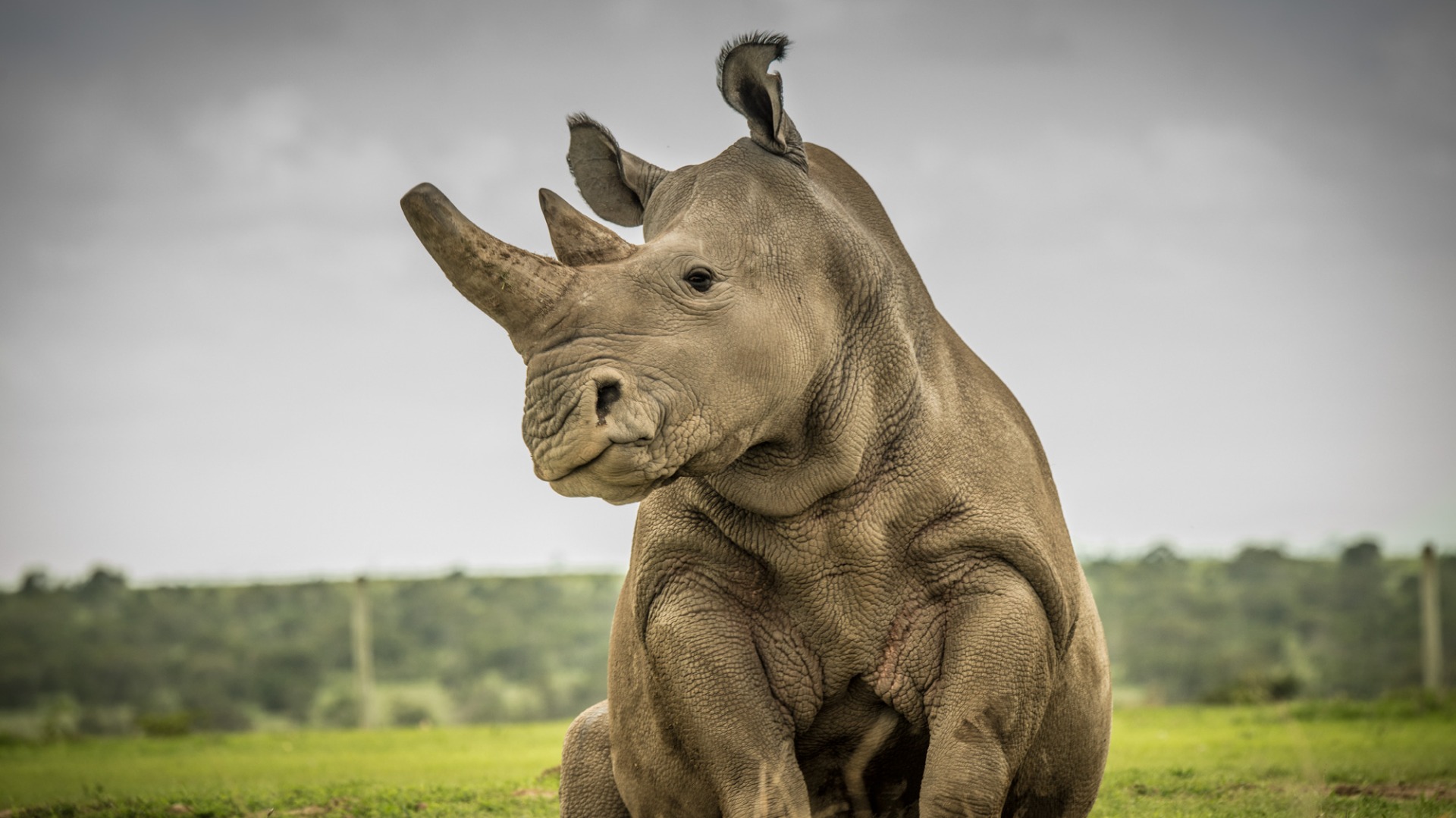
Rhino populations, though smaller, have also benefited from intensive protection. Black rhino numbers stand at around 700, while white rhinos number approximately 650. Enhanced penalties and monitoring should provide additional security for these critically endangered animals, particularly in well-known sanctuaries.
How the Legislation Affects Safari Experiences
Travellers planning a journey to Kenya will notice subtle but meaningful changes in how wildlife areas are managed. Increased ranger presence and technological oversight translate into greater security and more informed guiding. Many operators already incorporate conservation messaging into their experiences, and these updates strengthen that narrative.
The emphasis on community involvement also creates opportunities for more authentic cultural exchanges. Visitors may encounter local scouts during game drives or participate in educational visits to conservancy projects, adding depth to their understanding of modern African conservation.
What This Means for Endangered Species
Beyond elephants and rhinos, the legislation extends protections to lions, leopards, and several antelope species facing habitat pressure. By addressing both poaching and human-wildlife conflict, it tackles multiple threats simultaneously.
Conservationists have welcomed the holistic approach. Dr. Mary Maina of the Kenya Wildlife Service notes that integrating community incentives with law enforcement creates a more sustainable framework than enforcement alone. Initial projections suggest a potential 25 percent reduction in poaching incidents within the first 24 months of full implementation.
Effective wildlife protection requires balancing justice with opportunity for those who share the landscape.
Comparing Kenya's Approach with Regional Neighbours
While several East African nations have strengthened wildlife laws in recent years, Kenya's latest package stands out for its emphasis on technology and community integration. Unlike more militarised approaches seen elsewhere, the Kenyan model prioritises education, economic alternatives, and digital innovation.
Travellers interested in broader regional conservation stories might explore how Tanzania manages its vast Selous ecosystem or examine community models in Uganda. Each country adapts its strategies to local contexts while contributing to continent-wide efforts to protect shared migratory species.
Implications for Responsible Travel Choices
The new legislation reinforces the importance of choosing operators who actively support conservation. Safari fees often fund ranger salaries, anti-poaching equipment, and community development projects. By selecting experiences that align with these values, travellers directly contribute to the system's success.
Encounters Africa works exclusively with partners who demonstrate measurable commitment to these principles. Our tailored journeys connect guests with camps that channel resources back into the landscapes they help preserve.

Looking Ahead: Implementation and Challenges
Successful rollout will depend on adequate funding and continued political will. The legislation allocates KES 2.8 billion over five years for training, technology, and community programmes. However, conservation experts caution that sustained international support and tourism revenue will remain crucial.
Potential challenges include ensuring technology reaches remote areas and preventing corruption within expanded enforcement structures. The government has committed to independent audits and transparent reporting to maintain public confidence.
Despite these hurdles, the direction is clear. Kenya is investing seriously in the future of its wildlife at a time when many species face unprecedented pressures from climate change, habitat loss, and illegal trade.
Supporting Kenya's Wildlife Future
The passage of this legislation represents more than regulatory change. It signals a deepening national commitment to animal welfare and the ecosystems that sustain both wildlife and human communities. For those who have experienced the profound silence of an African dawn broken only by birdsong, or witnessed a herd of elephants moving with ancient dignity across the savannah, these measures carry particular resonance.
As a trusted specialist in African journeys, Encounters Africa has long championed responsible travel that strengthens rather than strains delicate environments. We witness daily how thoughtful travellers become advocates for the places they visit.
For discerning travellers seeking a private safari beyond our set itineraries, we invite you to contact us directly. We specialise in designing exceptional, tailor-made journeys for individuals, couples, families, and private groups of up to eight guests. Drawing on our handpicked network of distinguished camps and lodges, we curate every detail with precision and care, creating a seamless, deeply personal safari experience shaped entirely around your preferences, pace, and budget.
Whether your interest lies in witnessing anti-poaching initiatives firsthand, learning from community conservancies, or simply experiencing Kenya's wildlife with the knowledge that your journey supports its protection, we would be delighted to craft an itinerary that meets your aspirations. Visit our enquiry form to begin a conversation about creating a meaningful Kenyan experience that contributes to the very protections outlined in this landmark legislation.
Related reading: Discover how Loisaba Tented Camp supports community conservation in northern Kenya, or explore our latest insights on responsible wildlife viewing across East Africa.
More like this
News
Kenya's Rangers Face Mounting Pressure as Poaching Incidents Rise in Key Reserves
news
Kenya's White Rhino Surge: 2026 Population Milestones in Key Reserves
News
Kenya's Wildlife Faces Mounting Pressure from Shifting Rainfall Patterns

news
Kilimanjaro's New Caps: What the Fresh Climbing Limits Mean for Your Ascent
news
Kruger 2026: Rangers Deploy AI Tracking to Shield Rhinos from Poachers

news