Tips & Advice
Mastering African Wildlife and Culture Through Self-Guided Study
Encounters Africa - 9 min read
Updated on 11 August 2026
Mastering African wildlife and culture through self-guided study opens doors to deeper appreciation before you even set foot on the continent. A factual summary: self-directed learning about species behaviour, ecological systems and indigenous knowledge traditions equips travellers to engage more meaningfully with both the landscapes and communities they encounter. By investing time in targeted resources, you build a foundation that transforms a standard safari into a layered, respectful journey of discovery.
The approved excerpt captures it perfectly: build genuine connections by exploring curated books, documentaries, and community resources that reveal the intricate links between Africa's wildlife behaviors and centuries-old cultural practices. This approach rewards those who arrive informed, ready to listen rather than simply observe.

Africa does not reveal its secrets to the hurried visitor; it opens slowly to those who have taken time to understand the stories written in both paw prints and oral histories.
Why Self-Guided Study Enhances Your African Experience
Preparation through independent learning fundamentally changes how you interpret what you see on safari. Rather than relying solely on your guide's commentary, you arrive with context that allows richer conversations and more nuanced observations. This preparation particularly matters in regions where cultural protocols and wildlife movements intertwine daily.
Travellers who study beforehand report greater satisfaction and stronger connections with both nature and local people. Encounters Africa has observed that informed clients ask better questions, notice subtle behaviours, and leave with lasting respect for the delicate balance that sustains these environments. The knowledge gained also helps you support conservation efforts more effectively during and after your journey.
Self-study further develops your ability to travel responsibly across South Africa, Kenya and beyond. Understanding historical land use patterns, traditional ecological knowledge and current conservation challenges prepares you to engage thoughtfully with the people who call these places home.
Building a Foundation in African Wildlife Knowledge
Start with core texts that explain animal behaviour in context. Books such as "The Soul of the Elephant" by Peter Matthiessen or "Cry of the Kalahari" by Mark and Delia Owens offer vivid accounts grounded in years of field research. These narratives reveal not just what animals do but why they do it within their specific ecosystems.
Documentaries provide another powerful entry point. The BBC's "Africa" series and National Geographic's "Serengeti" give visual context to complex predator-prey relationships and seasonal migrations. Watch with a notebook handy – noting questions to explore further through reading or discussion with experts.
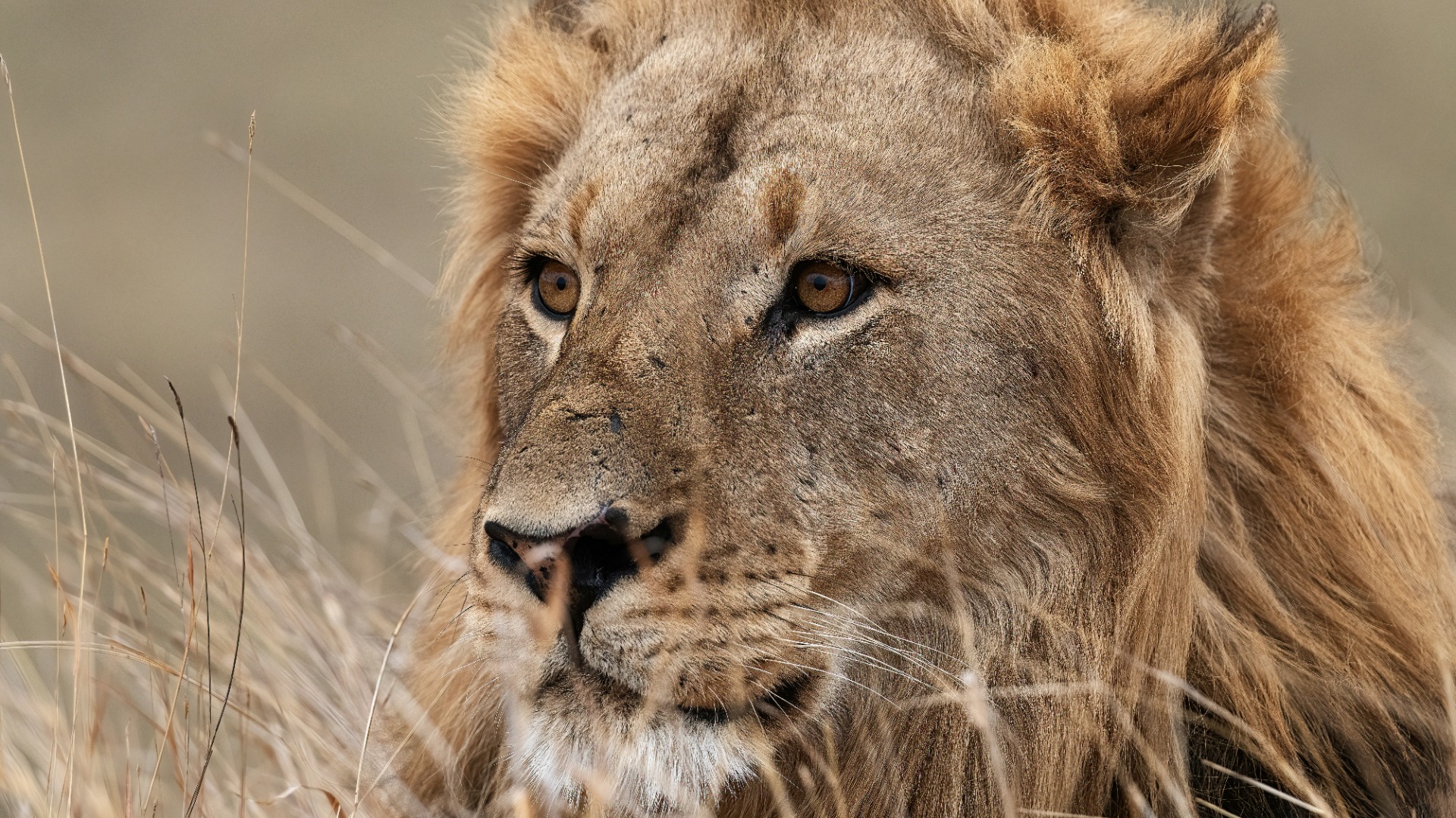
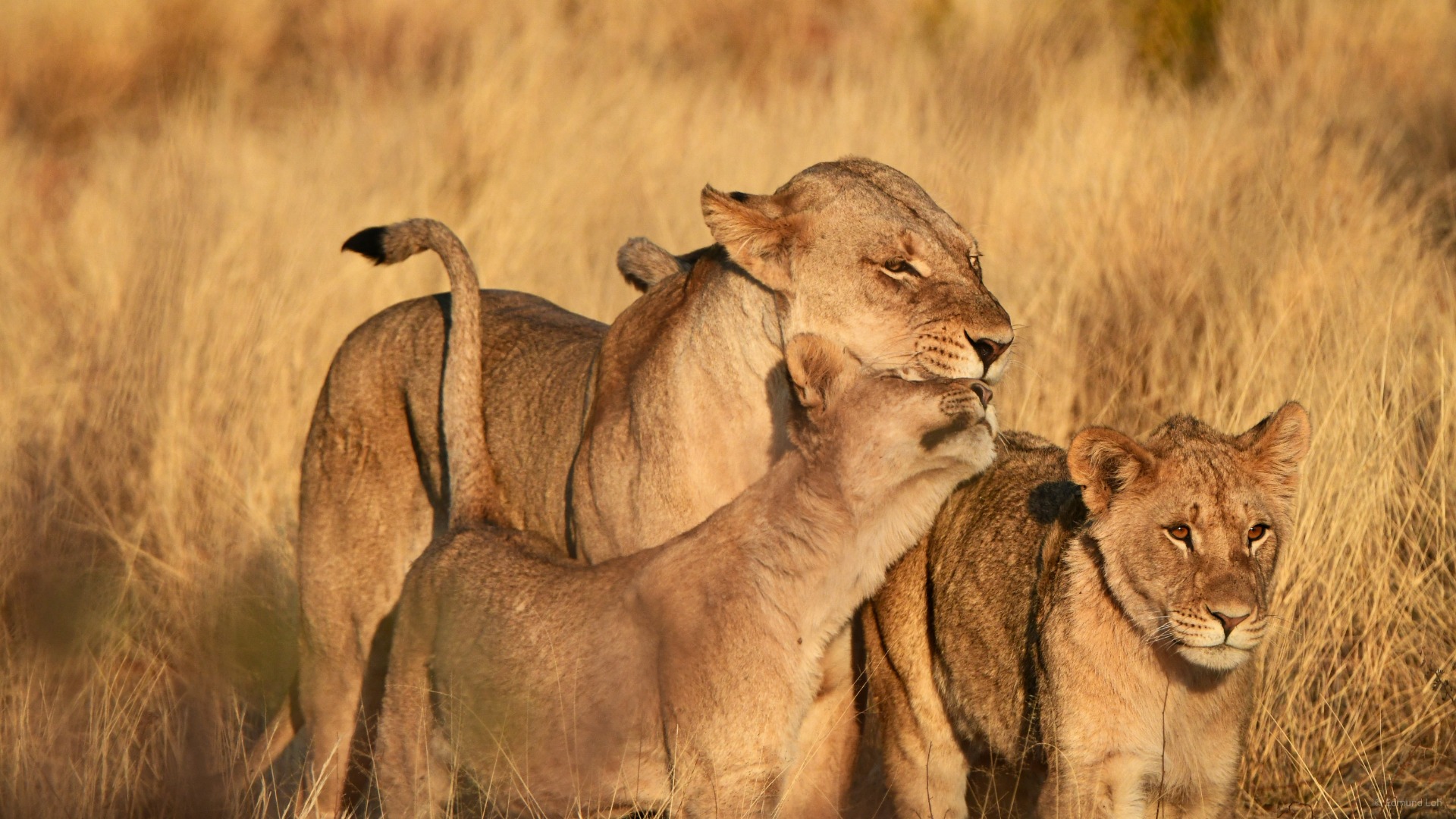
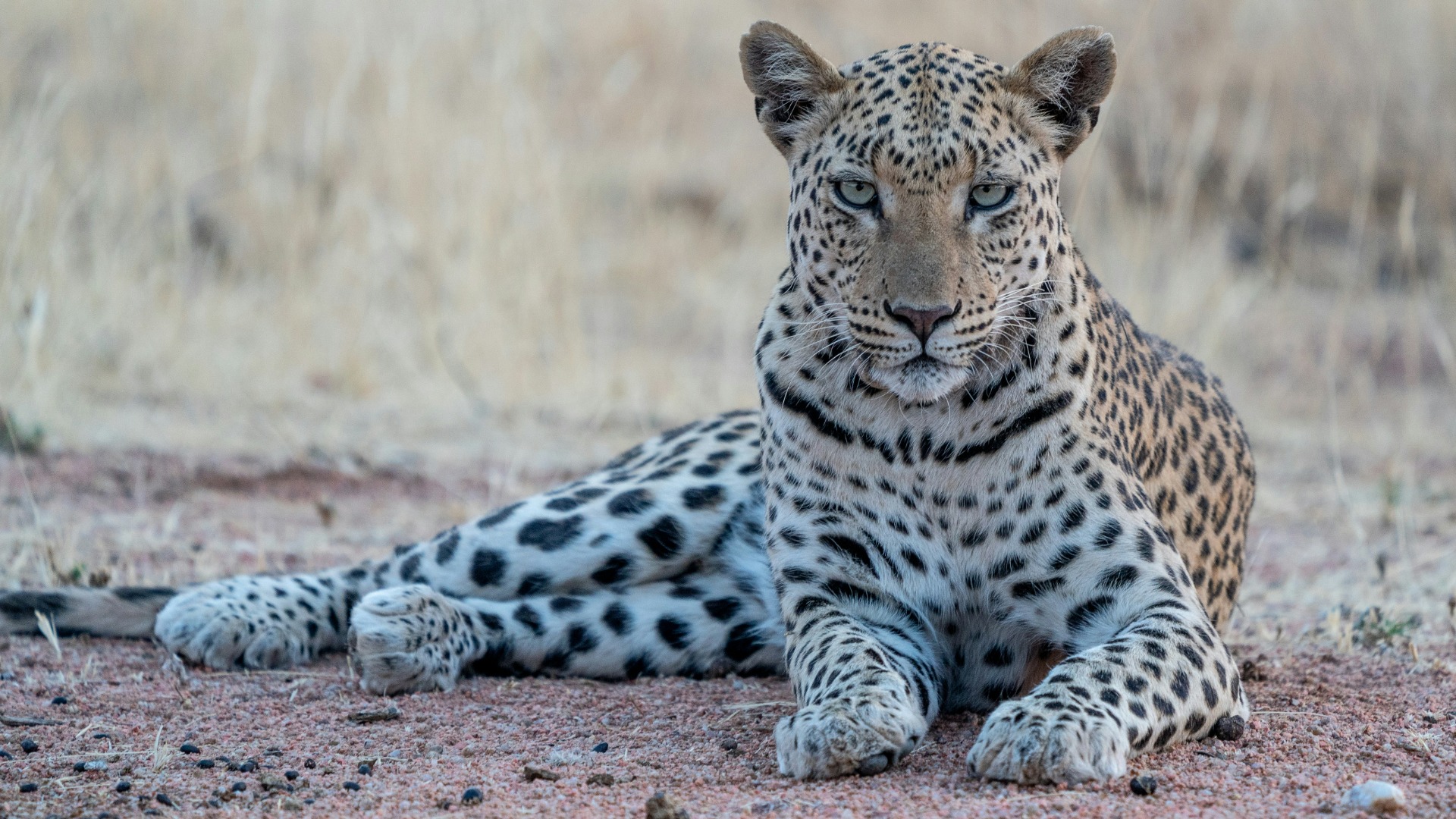
Online resources from institutions like the African Wildlife Foundation and local universities offer free lectures and research papers. Focus initially on flagship species: elephants, lions, leopards and the great herds of the Mara. Understanding their social structures and ecological roles creates a framework for comprehending the entire web of life.
True wildlife knowledge begins not with memorising names, but with grasping the intricate relationships that bind predator, prey, landscape and human communities together across generations.
Recommended Starting Books for Wildlife Study
Curate a short reading list that balances scientific rigour with engaging storytelling. "The Last Elephants" edited by Don Pinnock and Colin Bell presents multiple perspectives on the challenges facing these iconic animals. For those drawn to big cats, "The Lion: A Biography of Africa's Majestic Predator" offers detailed behavioural insights.
More recent publications like "Wilder Africa" by various contributors highlight successful community-based conservation models. These texts bridge the gap between pure wildlife biology and the human element that proves essential for long-term protection of species and habitats.
Understanding Cultural Contexts and Indigenous Knowledge
African cultures have developed sophisticated systems of environmental knowledge over centuries. Learning about these traditions reveals how communities have coexisted with wildlife long before modern conservation frameworks emerged. This understanding fosters respect and helps travellers avoid cultural missteps.
In many regions, specific animals hold spiritual significance that influences local attitudes toward conservation. Studying these connections provides insight into why certain practices exist and how they support biodiversity. Resources from cultural anthropologists and indigenous authors offer authentic perspectives often missing from mainstream safari literature.
Community-led initiatives increasingly share their knowledge through books, podcasts and digital platforms. Seek out voices from the areas you plan to visit – whether Maasai perspectives from Kenya or San traditions from the Kalahari. This direct engagement with source material enriches your eventual interactions with local guides and communities.
Key Cultural Resources and Approaches
Begin with "The Nature of Africa" by various African scholars or works focusing on traditional ecological knowledge. Podcasts produced by African storytellers provide accessible introductions to oral histories that link wildlife with cultural identity. University partnerships with indigenous communities have produced excellent open-access materials in recent years.
Consider language learning apps that include basic greetings and cultural phrases. Even limited proficiency demonstrates respect and often unlocks more meaningful exchanges during your travels. Many lodges now offer cultural modules that build upon this preparatory work.
Recommended Documentaries and Visual Learning Tools
Visual media brings Africa's landscapes and inhabitants to life in ways text alone cannot. "Our Planet" narrated by David Attenborough includes stunning sequences filmed across the continent, while "The Great Migration" focuses specifically on the annual wildebeest journey that shapes both ecosystems and human cultures along its route.
Look for productions created by African filmmakers and storytellers. These often incorporate local languages, perspectives and cultural context frequently overlooked in international productions. Short-form content from conservation organisations on platforms like YouTube can supplement longer documentaries with focused insights on specific species or regions.
Virtual reality experiences and 360-degree videos increasingly allow immersive pre-travel exploration. Some lodges even offer virtual tours that pair well with your studies, helping you visualise the environments described in your reading.
Documentaries transform abstract knowledge into visceral understanding, allowing us to witness the delicate dance between predator and prey, drought and abundance, human and wild that defines the African experience.
Practical Steps for Structured Self-Education
Creating a study plan prevents information overload while ensuring comprehensive coverage. Begin with general overviews before drilling down into specific destinations or species. Allocate time across different formats – reading, viewing, listening and note-taking – to reinforce learning through multiple channels.
Join online communities and forums dedicated to African conservation and travel. These spaces often share new research, recommended resources, and opportunities to connect with experts. Many feature guest talks from field researchers and community leaders that provide current insights unavailable in published materials.
Consider keeping a dedicated journal. Record not just facts but your reflections on how this knowledge might influence your behaviour while travelling. This practice deepens retention and helps translate learning into respectful action once on safari.
How to Create an Effective 8-Week Study Programme
Week 1-2: Focus on foundational ecology and major species behaviour through two key books and three documentaries. Week 3-4: Explore cultural contexts and traditional knowledge systems specific to your intended destinations. Week 5-6: Study current conservation challenges and success stories, including community-based models. Week 7-8: Review materials, identify key questions, and research specific lodges and experiences that align with your new understanding.
This structured approach, requiring approximately 5-7 hours weekly, has proven effective for many Encounters Africa clients. Adjust according to your schedule, but maintain consistency to build cumulative knowledge.
Applying Your Knowledge on Safari
The true test of self-guided study comes when you step into the African landscape. Your preparation allows you to notice details others might miss – from specific bird calls that signal nearby predators to cultural protocols around certain sacred sites. This awareness enriches every game drive and community interaction.
Share your knowledge judiciously with fellow travellers and engage deeply with your guides. Many appreciate guests who demonstrate genuine interest and respect for both wildlife and local customs. Your questions, informed by prior study, often lead to more insightful conversations and privileged access to traditional knowledge.
Consider how your learning translates into practical support for conservation. Understanding the challenges facing specific species and communities helps you make informed choices about which projects to support. Many travellers find this preparation leads to ongoing involvement long after their journey concludes.
Common Questions About Self-Guided African Wildlife and Culture Study
How much time should I dedicate to preparation before an African safari? Most travellers benefit from 40-60 hours spread over two to three months. This allows time to absorb information without becoming overwhelmed. Those visiting multiple countries or planning extended stays should consider doubling this investment.
Do I need academic background to understand these topics? Absolutely not. The most valuable resources explain complex ecological and cultural concepts in accessible language. Passion and curiosity matter far more than formal qualifications. Many excellent materials are specifically created for the engaged general reader.
Which regions offer the strongest integration of cultural and wildlife experiences? Areas like the Masai Mara in Kenya and parts of the Okavango Delta demonstrate particularly rich connections between traditional knowledge and wildlife management. Research specific conservancies and community-owned lands where cultural practices directly support conservation outcomes.

Continuing Your Learning Journey Beyond the Safari
The most rewarding aspect of self-guided study is that it need not end when your journey concludes. Many travellers maintain their connection through supporting specific conservation projects, following researchers online, or even returning for more specialised experiences. This ongoing engagement deepens both knowledge and impact over time.
Consider sharing what you've learned with others planning their own African journeys. Your insights, drawn from both study and direct experience, can help fellow travellers approach their safaris with similar respect and preparation. This creates a positive cycle of increasingly informed and responsible travel.
Encounters Africa remains committed to supporting travellers who seek meaningful connections with Africa's extraordinary wildlife and diverse cultures. For discerning travellers seeking a private safari beyond our set itineraries, we invite you to contact us directly. We specialise in designing exceptional, tailor-made journeys for individuals, couples, families, and private groups of up to eight guests. Drawing on our handpicked network of distinguished camps and lodges, we curate every detail with precision and care, creating a seamless, deeply personal safari experience shaped entirely around your preferences, pace, and budget.
Begin your preparation today by exploring our Kenya safari collection or discovering the cultural riches of Gorilla Safari Lodge in Rwanda. Then visit our enquiry form to discuss how we might craft an experience that builds upon the foundation you've established through dedicated self-study. Your African journey of discovery awaits.
More like this
Tips & Advice
Mastering Camera Settings for Crisp Wildlife Shots on African Safaris
Tips & Advice
Mastering Low-Angle Wildlife Shots from African Water Hides
Tips & Advice
Plan Your Family Safari: Optimal Seasons and Lodges Across Africa
Tips & Advice
Practical Advice for Smoothing Your Game Lodge Safari in Africa
Tips & Advice
Much Needed Advice That Keeps Tourists Safe and Respected Abroad
Tips & Advice