news
Kenya's White Rhino Surge: 2026 Population Milestones in Key Reserves
Encounters Africa - 4 min read
Updated on 13 May 2026
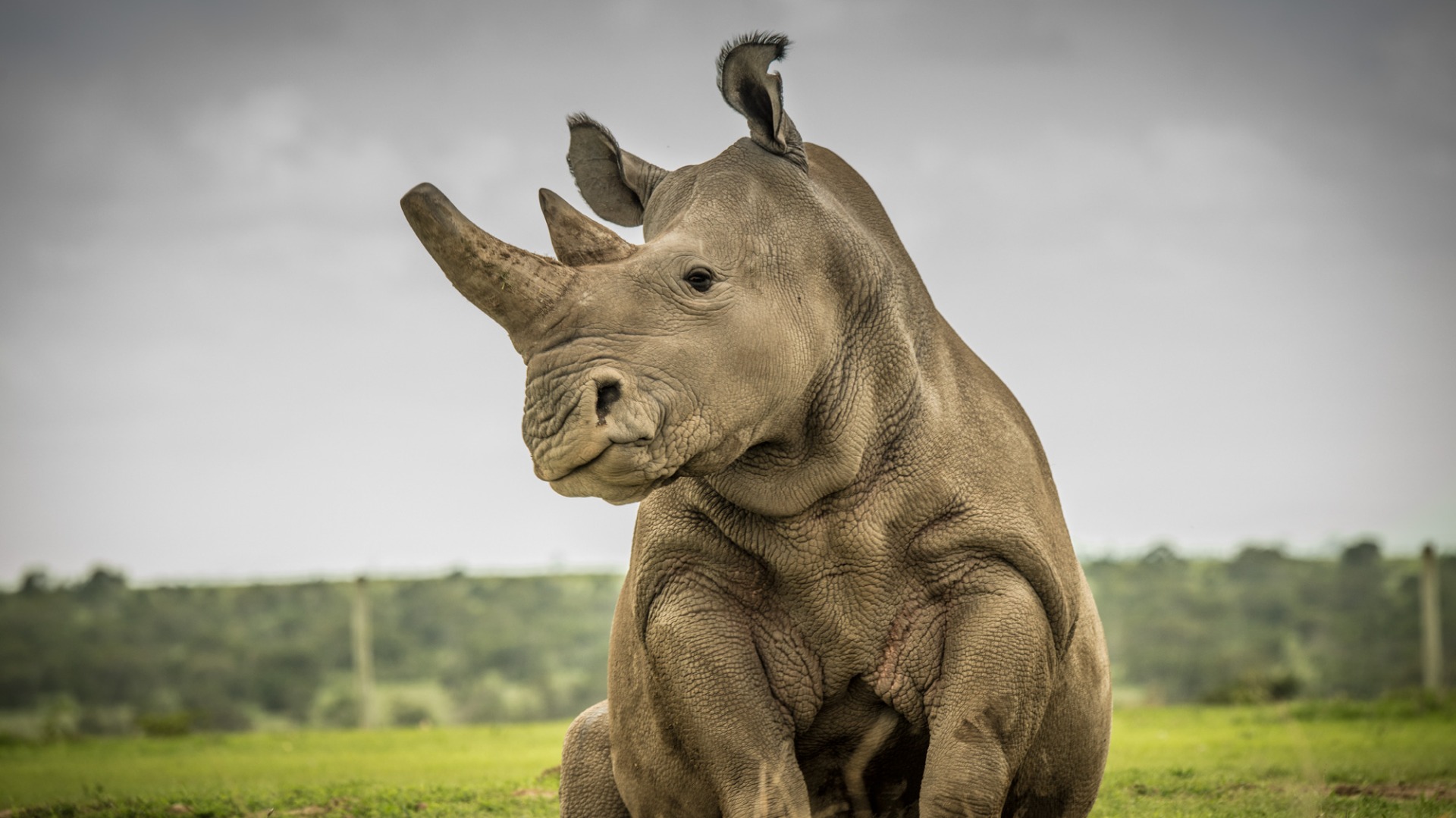
Kenya's white rhino population is experiencing a remarkable resurgence, with projections for 2026 highlighting significant milestones in key reserves. Rangers at Ol Pejeta Conservancy report a 200% climb in numbers, driven by strategic cross-border translocations and advanced anti-poaching technologies. This surge underscores Kenya's commitment to rhino conservation, offering travellers unprecedented viewing opportunities in the coming year.
As Kenya edges towards 2026, these developments signal a brighter future for the endangered species. Once teetering on the brink, white rhinos now thrive amid fortified protections, blending cutting-edge tech with community efforts. For safari enthusiasts, this means richer encounters with these gentle giants against savannah backdrops.
Ol Pejeta's White Rhino Triumph: A 200% Growth Story
At the forefront of Kenya's white rhino recovery stands Ol Pejeta Conservancy, where numbers have surged from 25 in 2020 to an anticipated 75 by 2026. This 200% increase stems from importing 21 rhinos from South Africa between 2021 and 2024, with survival rates exceeding 95% thanks to vigilant monitoring.
Rangers credit biometric scanners and AI-driven drones for slashing poaching attempts by 80% over five years. These tools detect intruders across 90,000 acres, allowing rapid response teams to intervene. The result? Calves born in secure enclosures now roam freer, bolstering genetic diversity.
Travellers visiting Ol Pejeta in 2026 can expect guided walks revealing family herds grazing near acacia groves, their mud-caked hides gleaming under equatorial sun. This progress not only safeguards rhinos but elevates the entire ecosystem, from predator-prey balances to grassland health.
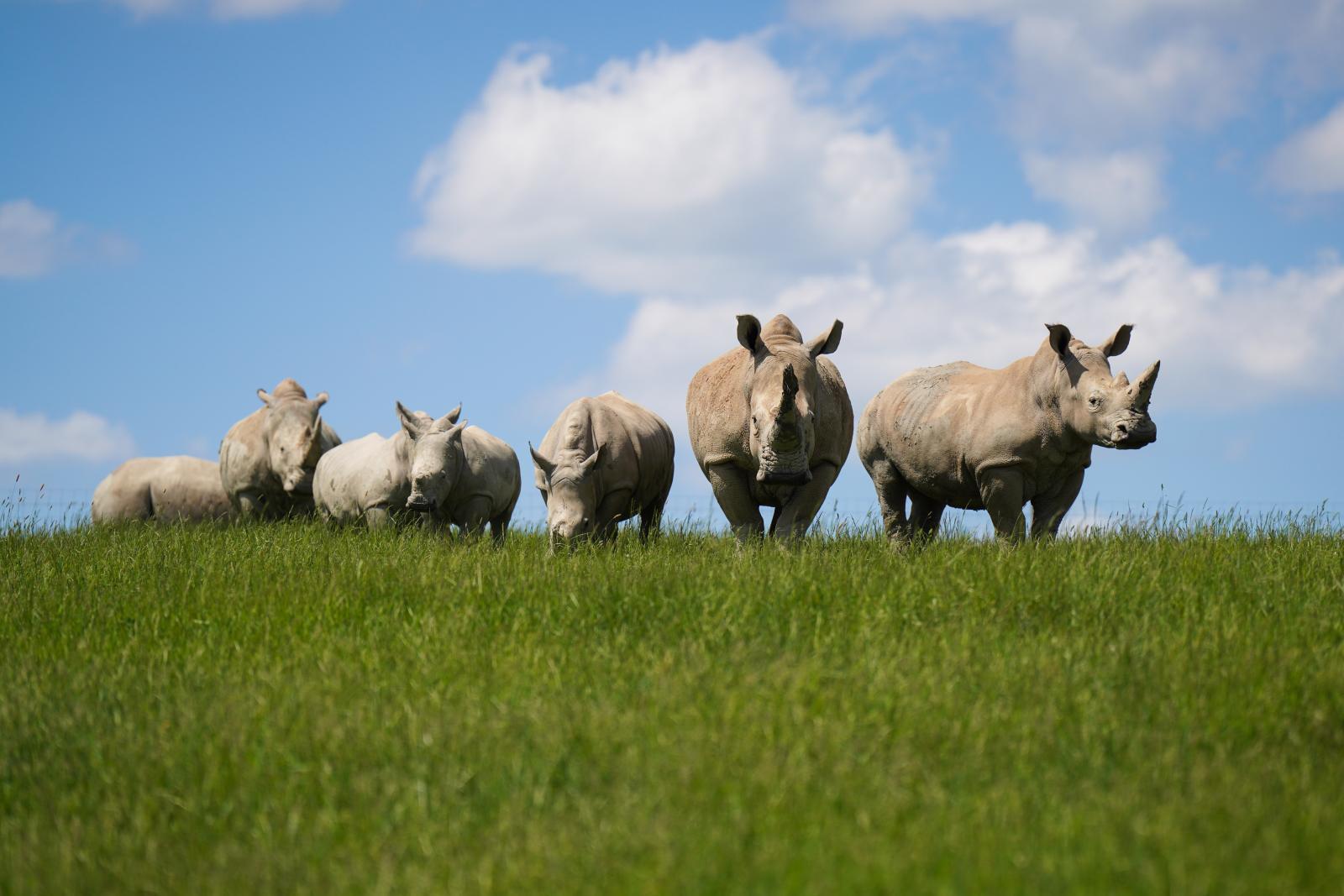
Ol Pejeta's rhinos embody conservation's quiet victories—herds multiplying under Kenya's watchful sky.
Lewa Conservancy: Northern Kenya's Rhino Haven Expands
In Laikipia County's Lewa Conservancy, white rhino counts are set to reach 45 by 2026, up 50% from current figures. Translocations from Namibia added 12 individuals in 2025, integrating seamlessly into patrols backed by 150 dedicated rangers.
Here, solar-powered fences and community scout networks have reduced incursions by 70%. Lewa's model pairs anti-poaching with local benefits, employing over 300 residents and funding schools. By 2026, expect sustainable tourism revenues to hit KSh 500 million annually.
For discerning travellers, Lewa's rhino sightings blend intimacy with luxury—think dawn game drives from tented camps, where breath condenses in crisp air as massive forms emerge from mist.
Key Factors Fueling Kenya's 2026 White Rhino Milestones
Cross-Border Translocations Boost Numbers
Kenya's strategy hinges on importing rhinos from robust populations abroad. By 2026, over 50 white rhinos will have arrived from South Africa and Namibia, each vetted for health and fitted with satellite collars. Success rates stand at 98%, with first calves appearing within 18 months.
Tech Innovations Fortify Protections
Anti-poaching tech leads the charge: thermal drones cover 200km daily patrols, while ground sensors alert via satellite. Kenya Wildlife Service reports a 90% drop in poaching since 2023, positioning 2026 as a landmark year for zero incidents in rhino zones.
These advancements answer a pressing question: What drives Kenya's white rhino surge in 2026? The combination of translocations, tech, and community involvement creates a blueprint for recovery, with populations projected to exceed 300 nationwide.
Translocations: 50+ rhinos imported by 2026 from secure source countries.
Tech deployment: Drones and AI reduce threats by 90%.
Habitat management: 200,000 acres under intensive protection.
Breeding success: 25 calves expected in key reserves by year-end.
What This Means for Travellers Planning Kenya Safaris
With white rhino numbers climbing, 2026 promises prime viewing in Kenya's reserves. Ol Pejeta and Lewa offer exclusive encounters, often just metres from grazing herds. Book early, as demand surges alongside populations.
Best times to visit fall between June and October, when dry conditions concentrate wildlife near waterholes. Expect half-day rhino treks, led by armed guides, revealing social behaviours like territorial scrapes and calf nursing. Pair with stays at lodges like Loisaba Tented Camp for elevated perspectives.
Kenya's rhinos invite travellers into a living recovery story—witness herds reclaiming their savannah throne.
Sustainable practices ensure your journey supports conservation: lodges channel 10% of fees into rhino funds, minimising impact while maximising immersion.
Conclusion: A Call to Witness Kenya's Rhino Renaissance
Kenya's white rhino surge towards 2026 milestones paints an optimistic picture for African wildlife. From Ol Pejeta's tripling herds to Lewa's fortified havens, these efforts blend innovation with passion, securing a legacy for generations.
For discerning travellers seeking private safaris beyond set itineraries, Encounters Africa invites you to contact us directly. We specialise in designing exceptional, tailor-made journeys, curating seamless experiences around your preferences. Explore our enquiry form to craft your rhino-focused adventure today.
More like this
News
Kenya's Wildlife Faces Mounting Pressure from Shifting Rainfall Patterns

news
Kilimanjaro's New Caps: What the Fresh Climbing Limits Mean for Your Ascent
news
Kruger 2026: Rangers Deploy AI Tracking to Shield Rhinos from Poachers
news
Luxury Lodges Embrace Native Flora in 2026 South African Designs
news
Namibia's Fishing Cooperatives Reverse Decades of Overfishing Along the Skeleton Coast
News