News
Kenya's Rangers Face Mounting Pressure as Poaching Incidents Rise in Key Reserves
Encounters Africa - 8 min read
Updated on 22 June 2026
Conservation news in Kenya continues to highlight the complex battles taking place across the country's iconic wildlife strongholds. Recent figures show a troubling uptick in poaching incidents, placing unprecedented strain on rangers and local communities alike, while innovative responses offer glimmers of resilience in protected areas such as the Maasai Mara and Tsavo.
A factual summary drawn from the latest Kenya Wildlife Service reports indicates that poaching events rose by 27 percent in key reserves during 2023-2024, driven largely by reduced patrol funding and expanding human settlements. This news about Kenya underscores both the fragility of these ecosystems and the determined efforts underway to safeguard elephants, rhinos, and the broader web of biodiversity that draws discerning travellers from around the globe.
The Rising Toll on Kenya's Frontline Rangers
Kenya's wildlife rangers operate in some of the most demanding environments on the continent, often covering vast territories with limited resources. In the past eighteen months alone, field teams have recorded over 140 confirmed poaching cases across major reserves, a sharp increase from previous years that has left many units stretched beyond capacity.
Diminished government budgets have translated into fewer vehicles, reduced fuel allowances, and delayed equipment upgrades. Rangers in remote sectors frequently work shifts exceeding twelve hours, navigating dense thickets or open savannah under the relentless equatorial sun. Their commitment remains unwavering, yet the physical and psychological demands are mounting.
The men and women who walk these patrol lines each dawn carry more than rifles; they shoulder the future of an entire ecosystem that has sustained cultures and captivated visitors for generations.
Encounters with armed poaching syndicates have become more frequent, particularly near the porous borders that snake through the Tsavo landscape. These confrontations not only endanger lives but also divert precious hours from routine monitoring and community outreach programmes that form the backbone of long-term protection.
Elephants and Rhinos Under Intensified Pressure
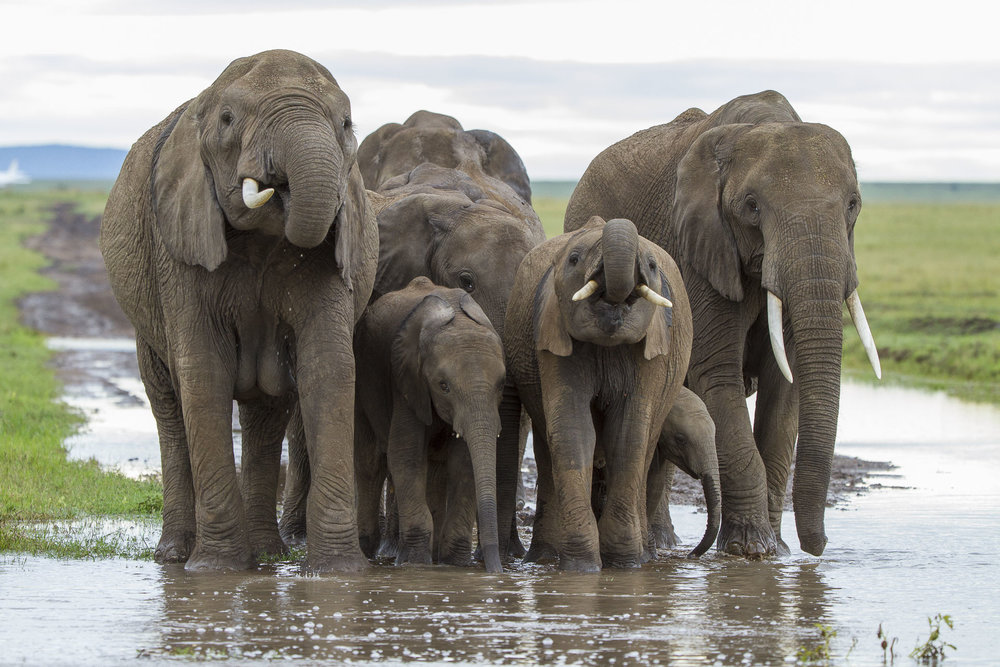
Elephant populations in Kenya have shown encouraging recovery over the past decade, yet fresh data reveals emerging vulnerabilities. The latest aerial census conducted in early 2024 estimated 36,000 elephants across key rangelands, but recorded mortality from poaching climbed by nearly a third compared with 2022 figures.
Black and white rhinos face even steeper challenges. With fewer than 800 individuals remaining in the country, every lost animal represents a significant blow to genetic diversity. Poachers have adapted their tactics, exploiting periods when patrols are thinly spread due to funding shortfalls that reduced operational hours by up to 40 percent in certain conservancies.
Habitat compression compounds these threats. As small-scale agriculture and charcoal production push further into traditional wildlife corridors, animals are funnelled into narrower passages where they become easier targets. The delicate balance between human needs and wildlife requirements has rarely been more precarious.

When an old bull elephant falls to a poisoned arrow, it is not simply one life extinguished but centuries of ecological knowledge and genetic resilience removed from the herd.
Community-Led Initiatives Changing the Narrative
Amid the sobering statistics, conservation news in Kenya increasingly spotlights the power of grassroots partnerships. In the Maasai Mara region, several group ranches have established community conservancies that integrate livestock management with wildlife protection, creating shared incentives that reduce retaliatory killings.
Programmes training local scouts in data collection and basic veterinary skills have expanded rapidly. Over 320 community rangers are now active in the greater Mara ecosystem, providing eyes and ears in areas that formal patrols cannot reach daily. These men and women often come from the same villages that once viewed wildlife primarily as competition for grazing.
Similar models are taking root around Tsavo East National Park, where women's cooperatives have begun producing honey and indigenous crafts that generate alternative income streams. By linking household economics directly to healthy wildlife populations, these projects foster a sense of genuine stewardship rather than imposed restriction.
The results are measurable. Conservancies participating in the Mara Predator Compensation Programme reported a 62 percent drop in lion poisoning incidents between 2021 and 2024, demonstrating how targeted economic interventions can shift long-held attitudes within a few short years.
How Local Knowledge Strengthens Protection Efforts
Traditional ecological knowledge held by Maasai elders and Kamba communities around Tsavo offers insights that complement scientific monitoring. Tracking methods passed through generations help identify subtle changes in animal movement patterns that might escape satellite collars or camera traps.
When these observations combine with modern tools, the effect multiplies. Several conservancies now employ both GPS-enabled smartphones for rapid incident reporting and elder-led mapping sessions that identify sacred sites and historical migration routes worthy of special protection.
Technology Steps Into the Breach
While funding constraints persist, strategic investment in technology has begun to level the playing field. Thermal imaging drones deployed by select partners now cover up to 200 square kilometres per night, detecting both wildlife concentrations and suspicious human activity with remarkable precision.
Artificial intelligence software analyses camera trap footage in near real-time, alerting rangers to potential threats within minutes rather than days. In pilot areas of the Laikipia plateau, this system has reduced response times by 75 percent, allowing teams to intercept poachers before animals are harmed.
Blockchain platforms are being tested to track trophy and bushmeat movements through regional markets, making it harder for illegally obtained wildlife products to reach consumers. These digital solutions require initial capital but deliver impressive returns in both enforcement efficiency and data accuracy.
Technology alone cannot save Kenya's wildlife, yet when placed in the capable hands of motivated rangers and informed communities it becomes a formidable ally in the ongoing struggle.
What the Numbers Actually Reveal: A Question of Interpretation
How are recent poaching increases affecting Kenya's conservation strategy? The 27 percent rise in recorded incidents between 2023 and 2024 has prompted a fundamental reassessment of resource allocation. Rather than simply requesting more funding for traditional foot patrols, authorities are prioritising smarter deployment guided by predictive analytics and community intelligence networks.
The data also shows encouraging regional variations. While Tsavo recorded higher absolute numbers due to its enormous size, the percentage increase was more moderate than in smaller, more densely populated reserves near Nairobi. This suggests that proximity to urban centres and transport routes significantly influences vulnerability.
Importantly, the figures reflect improved reporting mechanisms rather than purely increased activity. Enhanced community engagement means more incidents are now documented that previously went unrecorded, providing a clearer but initially more alarming picture of the situation on the ground.
Looking Ahead: Balancing Development and Protection
Kenya's growing population, now exceeding 55 million, places inevitable pressure on natural resources. The coming decade will test whether innovative governance models can keep pace with these demographic realities while maintaining the wild spaces that define the nation's global appeal.
Successful examples from Ol Pejeta Conservancy demonstrate that well-managed private reserves can generate substantial tourism revenue that flows back into community development projects. Their black rhino breeding programme has achieved remarkable success, with 17 calves born in 2023 alone, proving that intensive management and local buy-in can reverse downward trends.
Similar optimism surrounds efforts in the Laikipia region, where large-scale conservancies work alongside smallholder farms to maintain functional wildlife corridors. These landscapes offer valuable lessons for other parts of the country where human-wildlife conflict has intensified.
International partnerships continue to play a vital role, yet the most sustainable solutions emerge from within Kenya itself. When local voices shape conservation policy and benefit directly from healthy ecosystems, the foundation for long-term success becomes considerably stronger.
Conclusion
The conservation challenges facing Kenya demand clear-eyed assessment rather than simplistic narratives of crisis or triumph. While poaching pressures have increased and funding gaps persist, the emergence of community conservancies, technological innovation, and evidence-based management approaches signal a maturing response to these complex threats.
For those who have experienced the profound silence of an African dawn broken only by birdsong and distant elephant rumbles, these issues carry particular resonance. The survival of these magnificent landscapes depends not only on the dedication of rangers and scientists but on our collective willingness to support solutions that honour both wildlife and the people who share their world.
For discerning travellers seeking a private safari beyond our set itineraries, we invite you to contact us directly. We specialise in designing exceptional, tailor-made journeys for individuals, couples, families, and private groups of up to eight guests. Drawing on our handpicked network of distinguished camps and lodges, we curate every detail with precision and care, creating a seamless, deeply personal safari experience shaped entirely around your preferences, pace, and budget.
Encounters Africa remains committed to supporting conservation initiatives that deliver genuine benefits to both wildlife and communities. By choosing to travel responsibly with operators who prioritise ethical practices, visitors become active participants in the story of Kenya's wild heritage rather than mere observers.
We encourage readers moved by these developments to learn more through our detailed features on Masai Mara safaris and to explore how tourism revenue can directly fund protection efforts. For those looking for a private safari beyond our set itineraries, we would be delighted to hear from you directly. Please visit our enquiry form to begin a conversation about creating your own meaningful journey into these extraordinary landscapes.
More like this
news
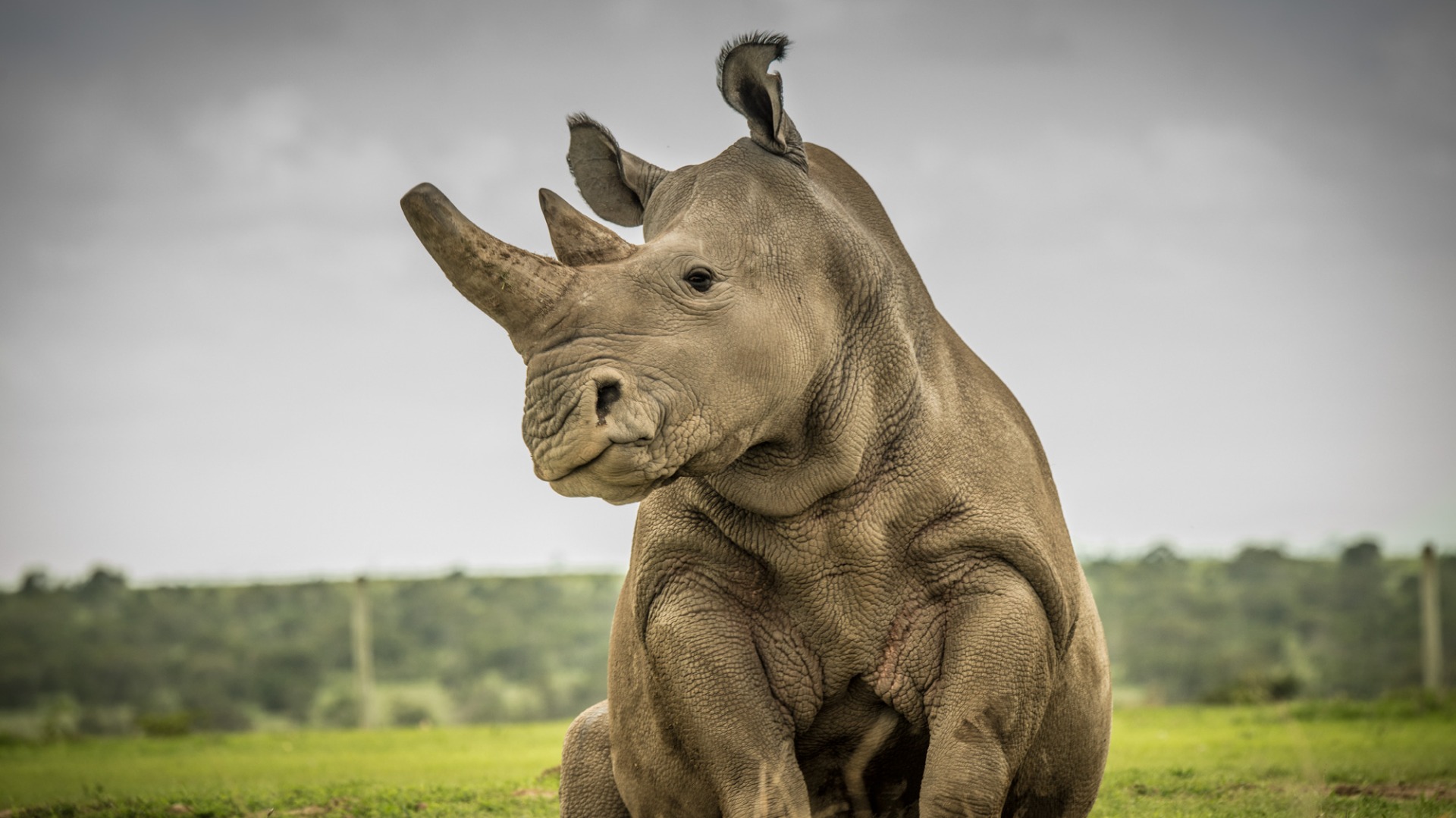
Kenya's White Rhino Surge: 2026 Population Milestones in Key Reserves
News
Kenya's Wildlife Faces Mounting Pressure from Shifting Rainfall Patterns

news
Kilimanjaro's New Caps: What the Fresh Climbing Limits Mean for Your Ascent
news
Kruger 2026: Rangers Deploy AI Tracking to Shield Rhinos from Poachers

news
Luxury Lodges Embrace Native Flora in 2026 South African Designs
news