conservation
Keepers of the Wild: Kapama Private Game Reserve's Conservation Efforts
Encounters Africa - 6 min read
Updated on 1 May 2026
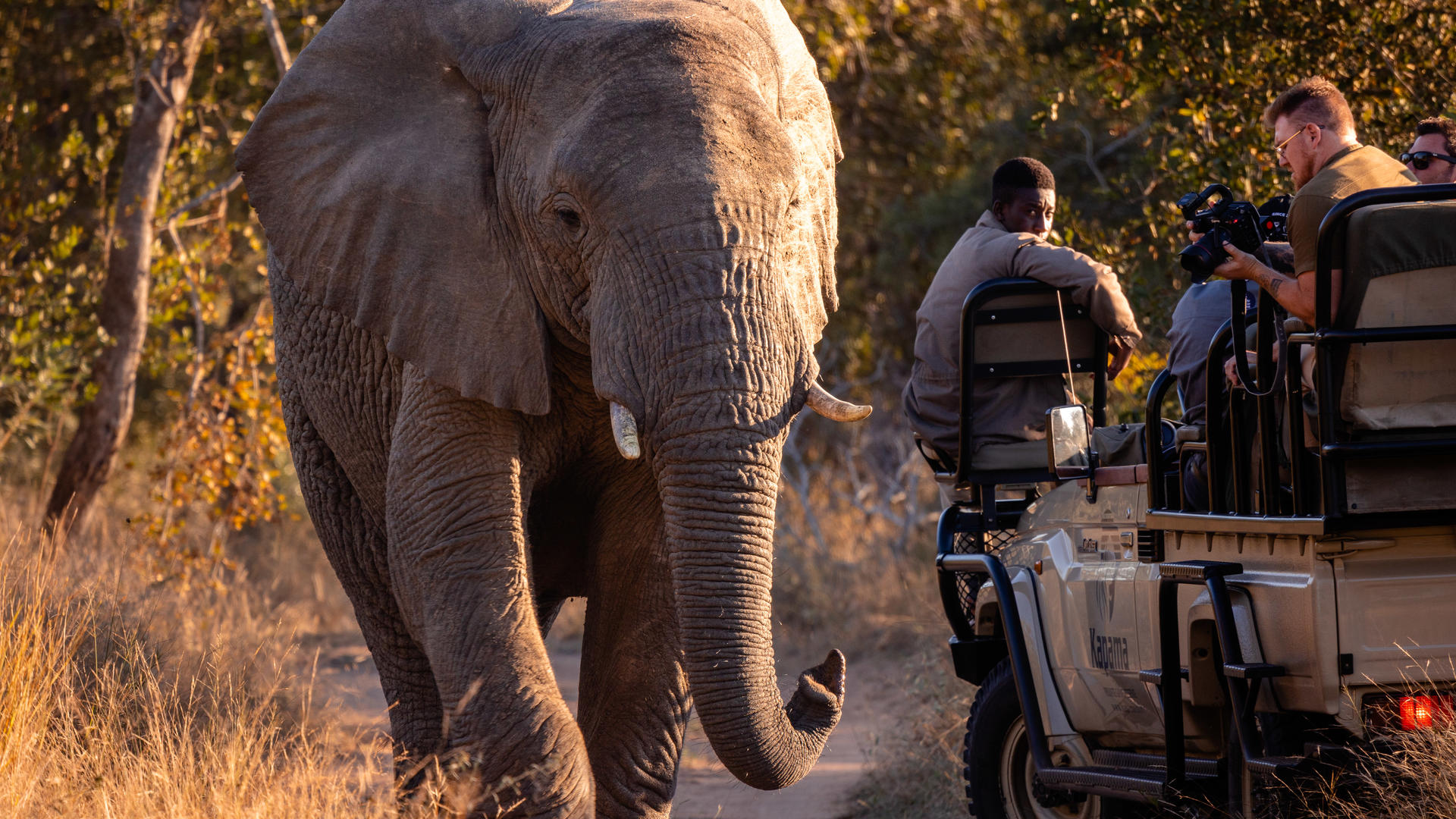
Nestled in the heart of South Africa's Limpopo Province, adjacent to the renowned Kruger National Park, Kapama Private Game Reserve stands as a beacon of conservation. This expansive 13,000-hectare wilderness is not merely a luxury safari destination; it is a living testament to dedicated efforts in wildlife protection, habitat preservation, and community upliftment. For discerning travellers, understanding the intricate conservation initiatives at Kapama enriches the safari experience, transforming it into a journey of purpose and impact.
Kapama Private Game Reserve's commitment to conservation is deeply woven into its operational fabric. From anti-poaching units safeguarding endangered species to innovative ecological management practices, every aspect of the reserve is geared towards fostering a thriving ecosystem. Encounters Africa invites you to explore the profound impact of these efforts, offering a glimpse into a world where luxury travel directly contributes to the preservation of Africa's natural heritage.
The Foundation of Kapama's Conservation Strategy
Kapama Private Game Reserve operates on a multi-faceted conservation strategy, integrating scientific research, active management, and community involvement. The reserve's primary goal is to maintain a healthy and balanced ecosystem, allowing wildlife to flourish in a natural environment. This involves continuous monitoring of animal populations, vegetation health, and water resources.
A significant aspect of Kapama's approach is its dedication to creating a safe haven for wildlife. The reserve is entirely fenced, a necessary measure to manage animal movements, prevent human-wildlife conflict, and protect against poaching. However, this fencing is meticulously managed to ensure it doesn't impede natural ecological processes within its boundaries.
At Kapama, every safari experience is intertwined with a profound commitment to conservation, ensuring the wild heart of Africa beats strong for generations to come.
Anti-Poaching and Wildlife Protection
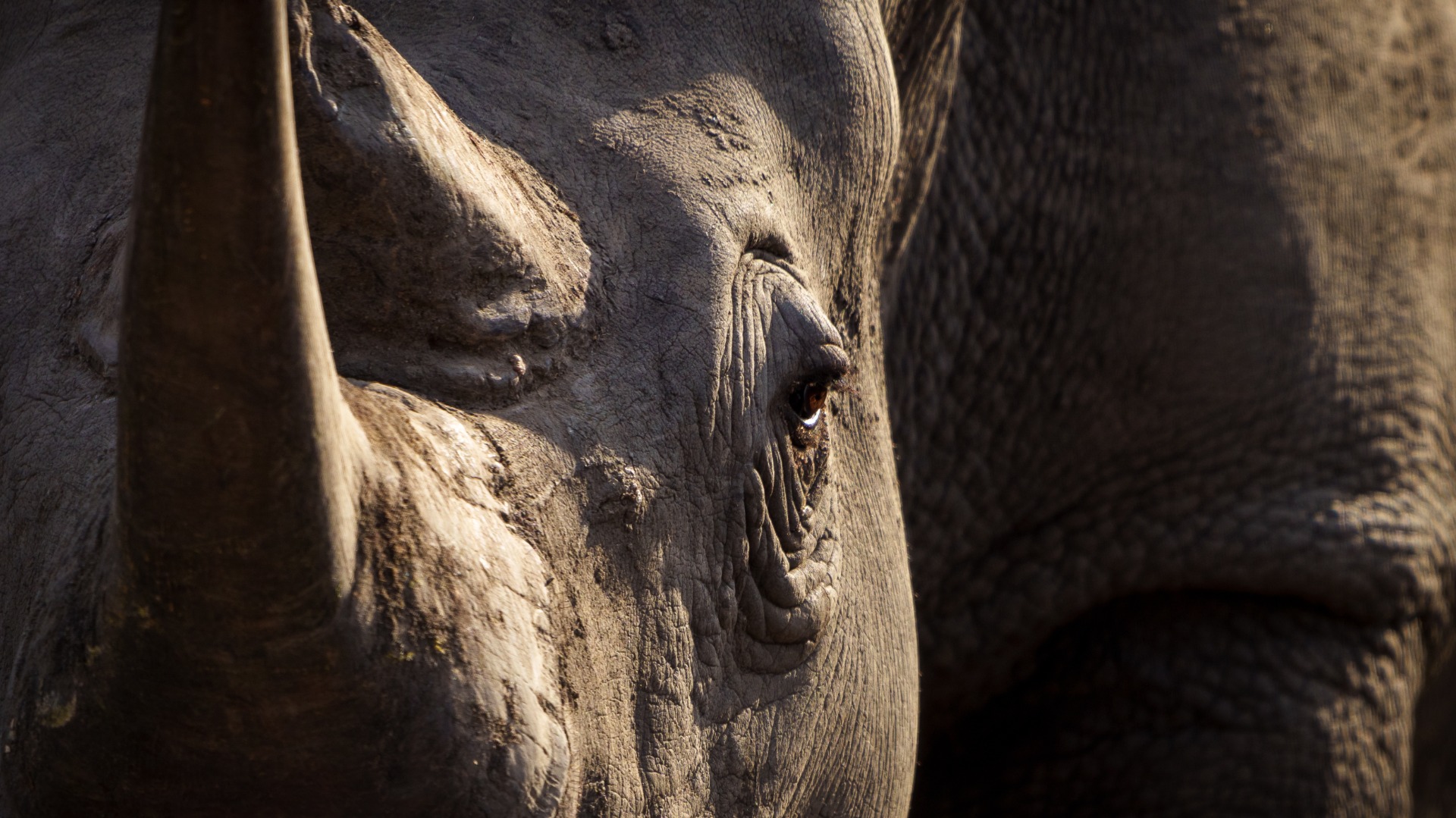
The threat of poaching, particularly for rhino horn, remains a critical challenge across Africa. Kapama Private Game Reserve has invested heavily in robust anti-poaching measures, employing highly trained rangers and advanced technology.
Dedicated Anti-Poaching Units: These teams conduct daily patrols, both on foot and by vehicle, covering the vast expanse of the reserve. They are equipped with state-of-the-art surveillance equipment, including thermal imaging and drones.
Canine Units: Specially trained sniffer dogs are an invaluable asset, assisting in tracking poachers and detecting contraband. Their keen sense of smell provides an extra layer of defence.
Intelligence Gathering: Collaboration with local communities and national law enforcement agencies is crucial for gathering intelligence and disrupting poaching syndicates.
Rhino Demarking: In an effort to deter poachers, a percentage of the rhino population undergoes ear-notching and microchipping for identification, and in some cases, horn trimming, a painless procedure that significantly reduces their value to poachers.
Habitat Management and Biodiversity
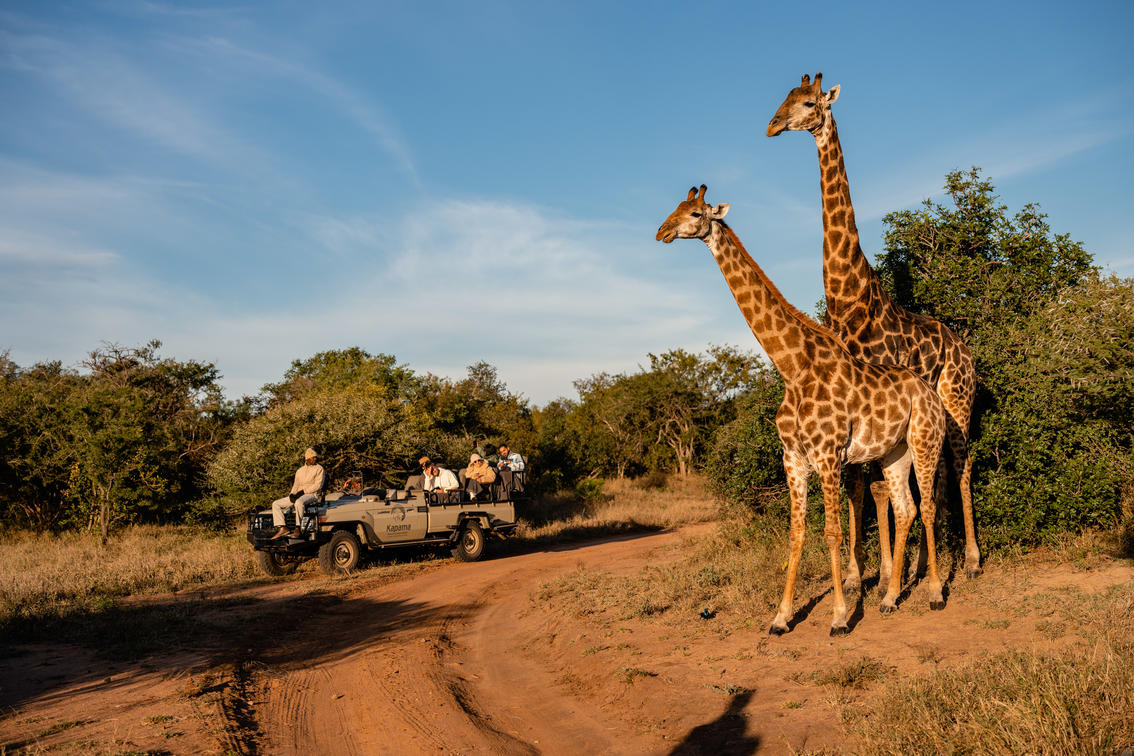
Effective habitat management is paramount to supporting the diverse array of species found within Kapama. The reserve actively manages its land to ensure optimal conditions for all its inhabitants, from the smallest insects to the largest mammals.
Kapama's ecological team meticulously monitors vegetation, water sources, and soil health. This data informs their management decisions, which can include controlled burning, alien plant removal, and strategic water provision during dry seasons. The aim is to mimic natural processes as much as possible, enhancing biodiversity and ecological resilience.
Water Resource Management
Water is life in the African bush. Kapama's conservation efforts include careful management of its water resources, especially during dry periods. Artificial waterholes are maintained and strategically placed to ensure wildlife has access to vital hydration, preventing animals from straying outside the protected area in search of water.
The reserve also focuses on protecting natural river systems and wetlands, which are crucial habitats for a variety of birdlife, amphibians, and other aquatic species. Maintaining the health of these ecosystems is integral to the overall biodiversity of Kapama.
Reintroduction and Species Monitoring
Over the years, Kapama has been involved in several successful reintroduction programmes, bringing back species that historically roamed the area but had been locally extirpated. This includes the reintroduction of cheetahs and wild dogs, both highly endangered predators.
Continuous monitoring of animal populations is conducted through various methods:
Game Counts: Regular aerial and ground counts provide accurate data on population sizes and trends.
Individual Identification: For species like rhino and leopard, individual animals are identified through unique markings or ear notches, allowing for tracking of their movements and health.
Telemetry: Collars fitted with GPS transmitters are used to track key species, providing valuable data on their range, behaviour, and social dynamics. This information is vital for informed management decisions.
Community Engagement and Sustainable Tourism
True conservation extends beyond the boundaries of the reserve. Kapama Private Game Reserve recognises the vital role local communities play in the long-term success of its conservation initiatives. Sustainable tourism is a cornerstone of this approach, ensuring that the benefits of wildlife protection are shared with those living adjacent to the wilderness.
Kapama employs a significant number of staff from surrounding communities, providing stable employment, training, and opportunities for career advancement. This direct economic benefit fosters a sense of ownership and pride in the reserve's conservation goals.
Education and Empowerment
Educational programmes are a key component of Kapama's community engagement. The reserve supports local schools and initiatives aimed at raising awareness about conservation and environmental stewardship among young people. By investing in education, Kapama is nurturing the next generation of conservationists.
Furthermore, the reserve actively participates in local economic development projects, helping to create alternative livelihoods that reduce reliance on natural resources within the reserve, thereby mitigating potential conflicts and promoting sustainable practices.
The Role of the Traveller in Kapama's Conservation
When you choose to embark on a safari at Kapama Private Game Reserve with Encounters Africa, you become an integral part of its conservation story. The revenue generated from tourism directly funds the extensive conservation programmes, from anti-poaching efforts to habitat restoration.
Travellers can engage with Kapama's conservation efforts in several ways:
Lodge Contributions: A portion of your safari fee directly supports the reserve's conservation budget.
Educational Experiences: Expert guides provide insights into the reserve's ecological management and conservation challenges during game drives and bush walks.
Responsible Behaviour: Adhering to responsible safari practices, such as staying on designated roads and not disturbing wildlife, contributes to minimal environmental impact.
Supporting Local: Purchasing crafts and goods from local communities supports their livelihoods and reinforces the economic value of conservation.
Conclusion: A Legacy of Conservation for Future Generations
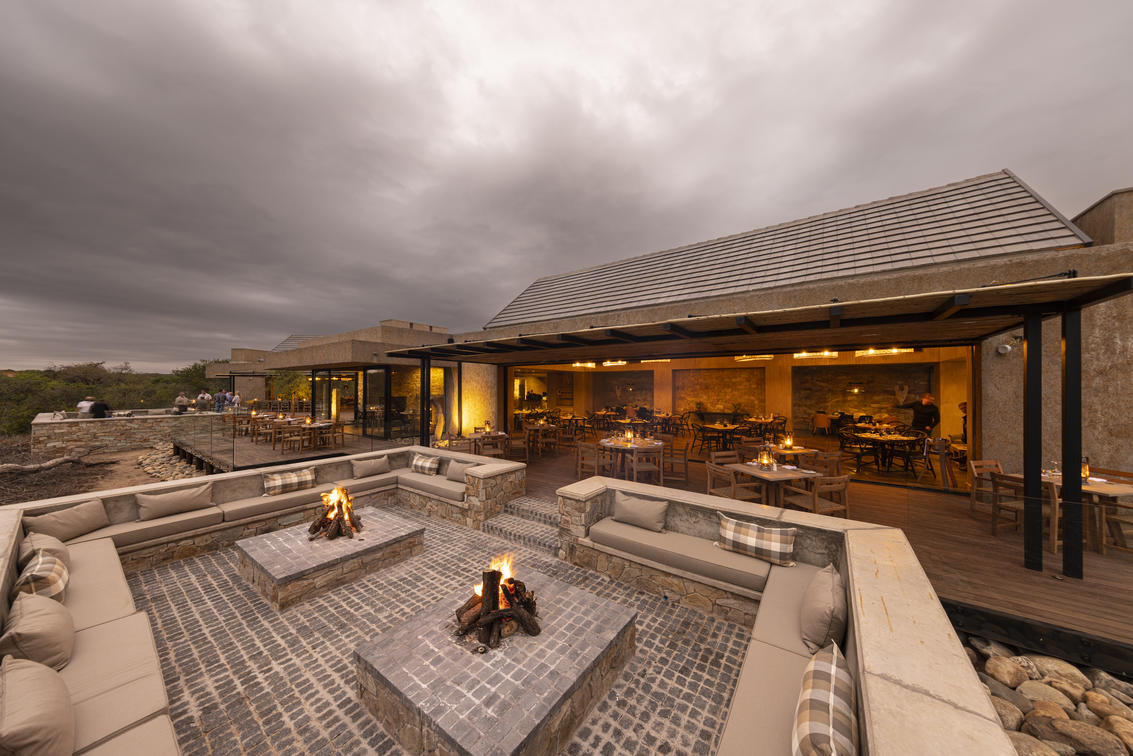
Kapama Private Game Reserve is more than just a place to witness magnificent wildlife; it is a vibrant ecosystem where dedicated conservation efforts are making a tangible difference. Through rigorous anti-poaching measures, proactive habitat management, and meaningful community engagement, Kapama ensures that its wilderness remains a sanctuary for South Africa's precious biodiversity.
Encounters Africa is proud to partner with destinations like Kapama, where luxury travel harmonises with profound purpose. We invite you to experience the magic of Kapama, knowing that your journey contributes directly to a legacy of conservation for future generations. For those looking for a private safari beyond our set itineraries, we would be delighted to hear from you directly. We specialise in creating beautifully tailored journeys for solo travellers, couples, families, and private groups of up to eight guests. Through our trusted network of carefully selected camps and lodges, we craft each safari around your individual interests, preferred pace, and budget, ensuring a seamless and deeply personal experience from beginning to end. Contact us today to begin planning your impactful safari adventure.
More like this
Conservation
Leading the Way: Conservation Efforts in Botswana and South Africa
conservation
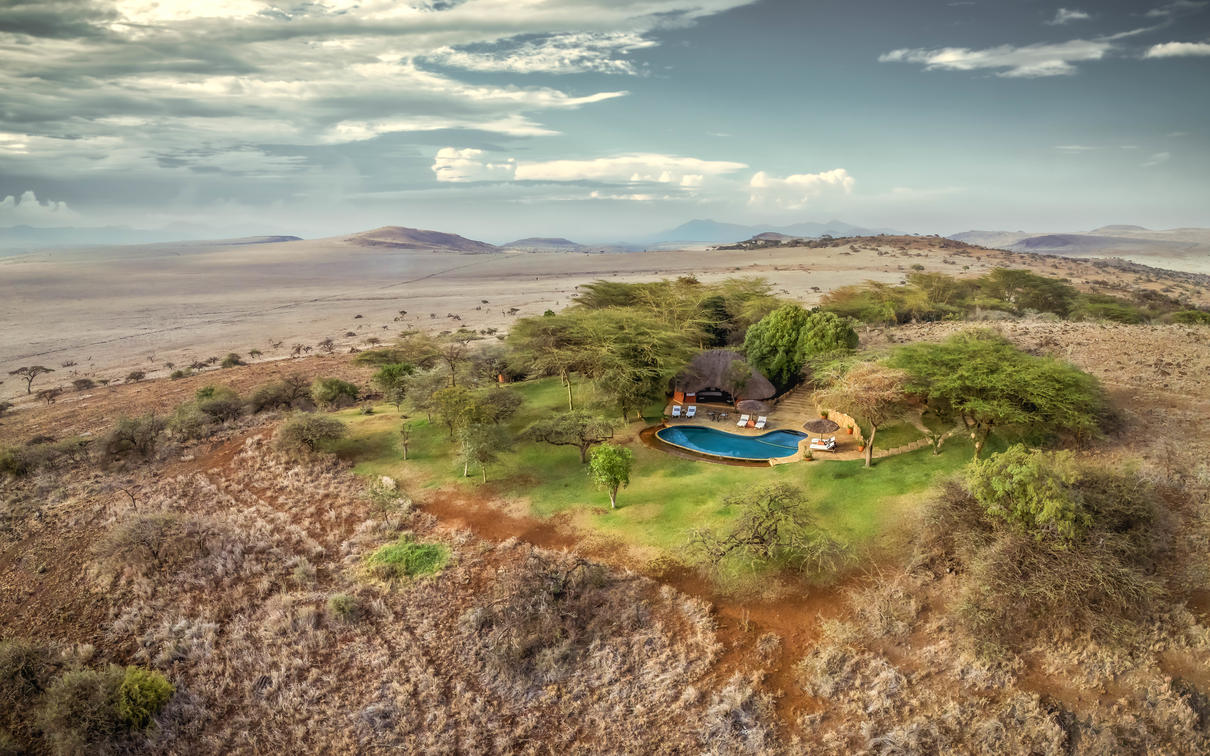
Lewa Conservancy: The Hope of Conservation in Kenya
conservation
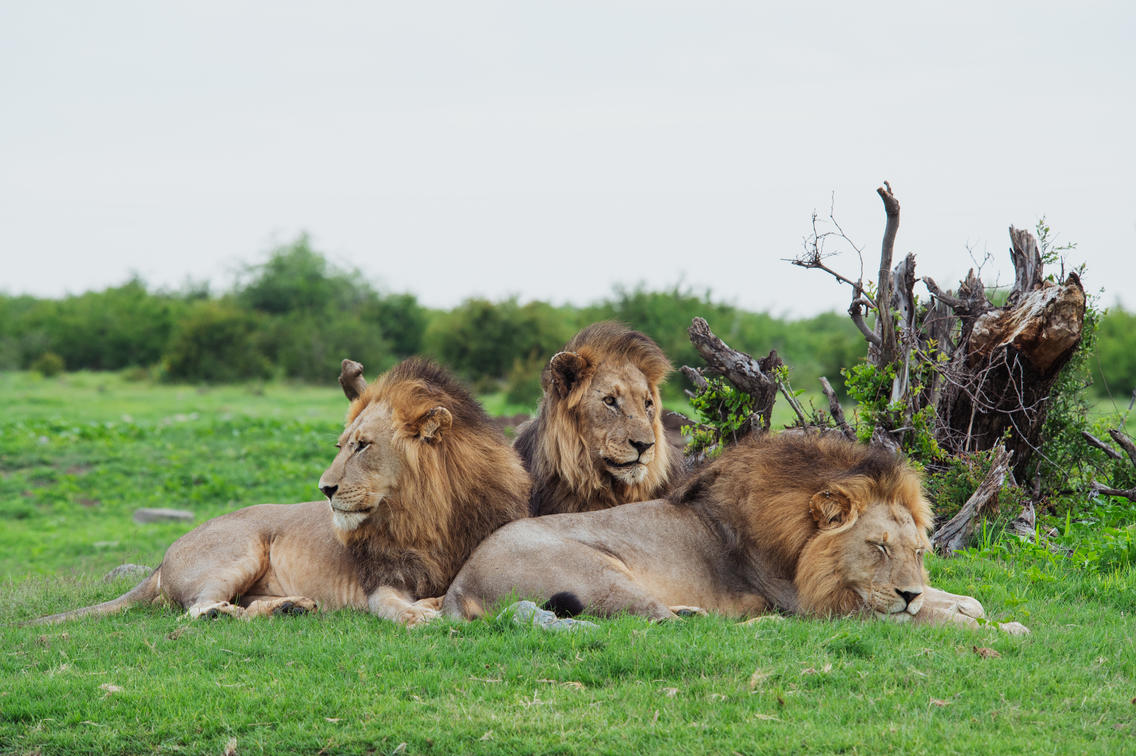
Madikwe Game Reserve: A Promise of Sustainable Safari in Africa
conservation
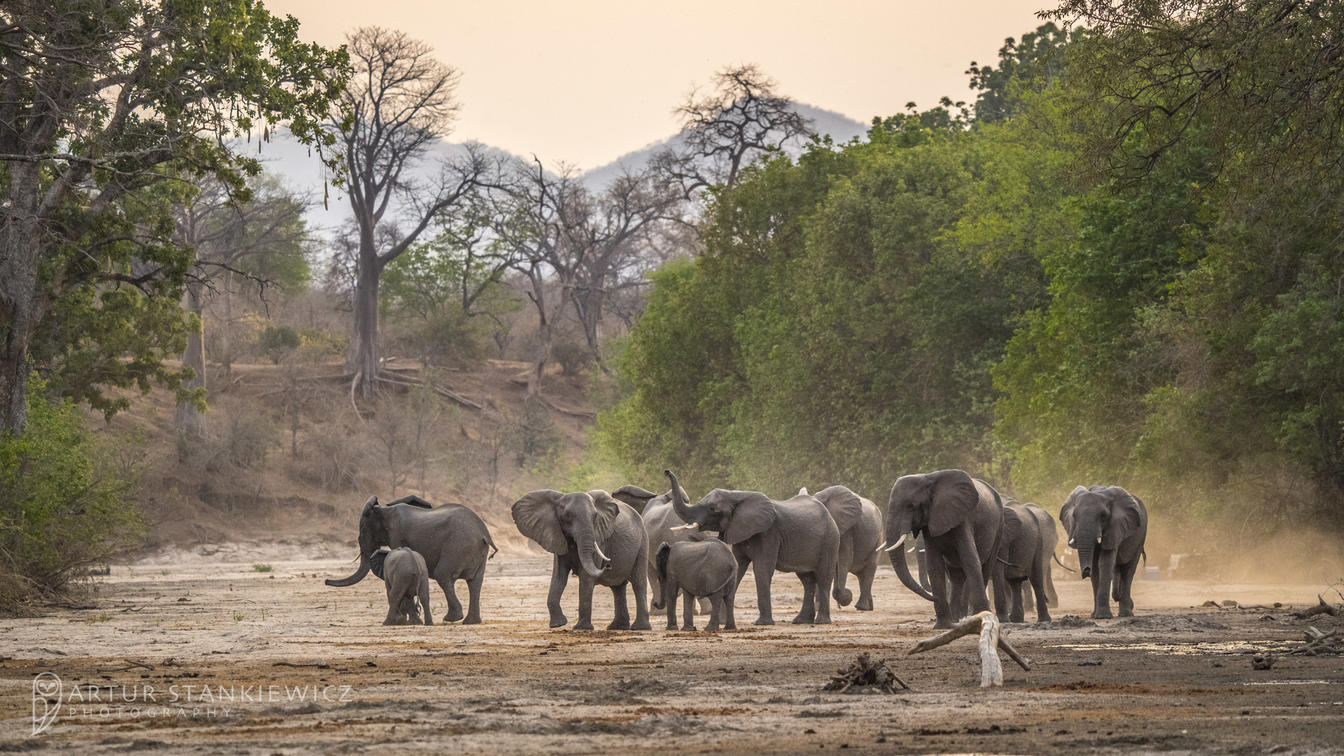
Mana Pools National Park: A Sanctuary of Conservation and Wildlife
conservation
Matetsi Private Game Reserve: A Beacon of Conservation
conservation